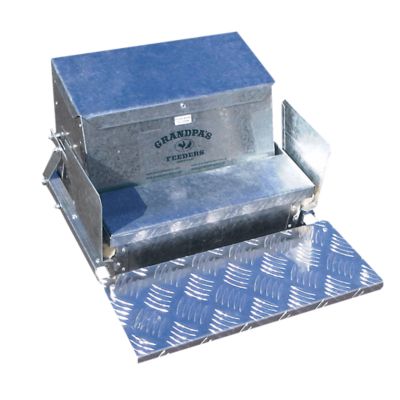
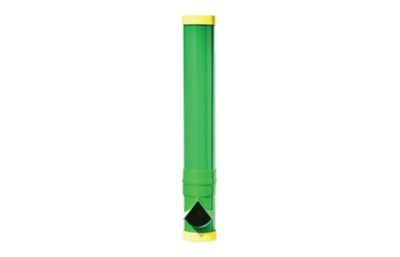
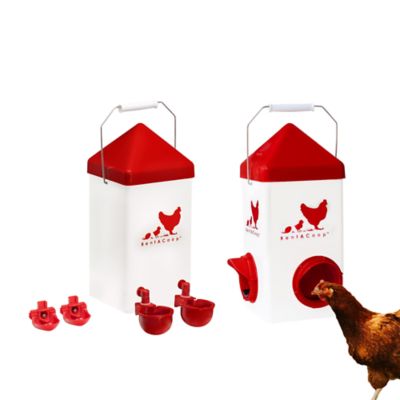
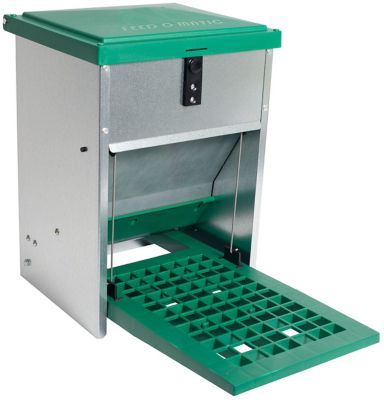
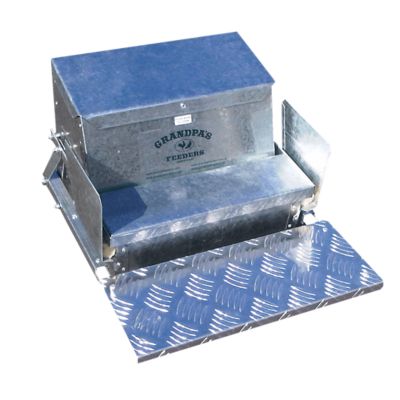
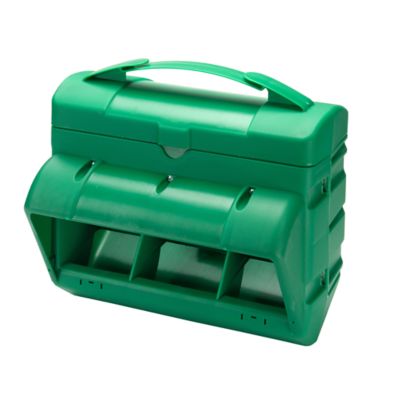
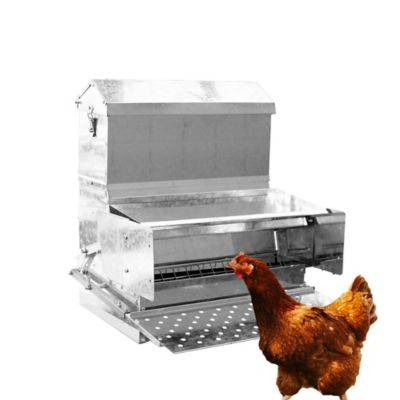
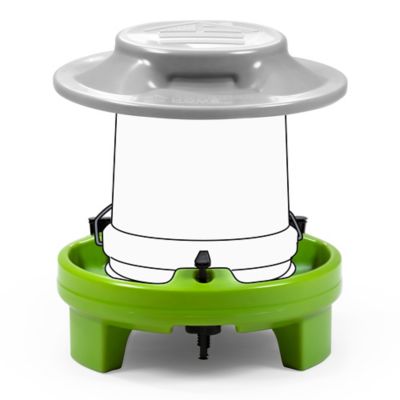
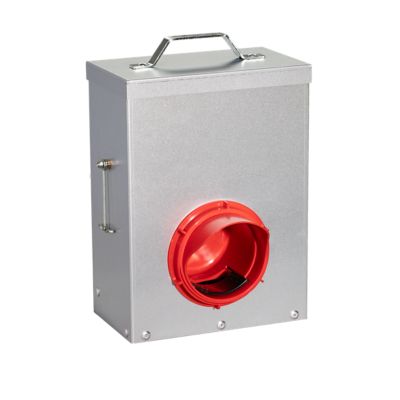
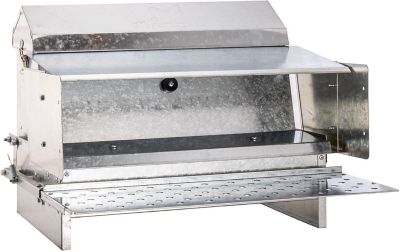
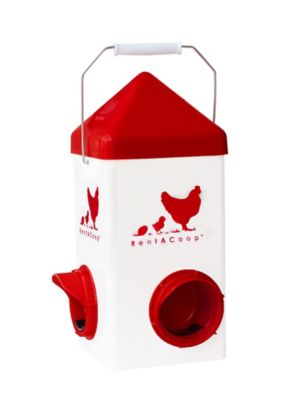
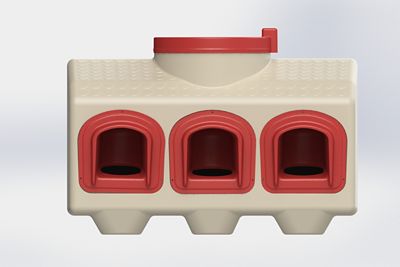
Rodent-resistant chicken feeders help keep feed where it belongs: in front of your flock instead of scattered around the coop for mice, rats and wild birds to find. These feeders are designed with a covered or controlled feeding area that limits access when chickens are not actively eating. Common designs include mechanical treadle feeders, gravity-activated feeders, weight-activated ports and secure openings that release feed in smaller amounts. A treadle feeder typically uses a sturdy platform that adult chickens step on to open the feeding area, then closes again when the bird steps away. Because smaller pests may not weigh enough to activate the mechanism, mice and rats have a harder time reaching the feed. Gravity-fed and toggle-style designs work a little differently, using the bird’s movement or pecking action to make a measured amount of feed available instead of leaving an open pile exposed. Port-style feeders can also help reduce waste by giving chickens a protected place to eat while keeping the rest of the feed covered. These features are especially useful for backyard flocks, homesteads, hobby farms and poultry keepers who are tired of finding chewed bags, spilled grain or signs of nighttime visitors around the coop. During the cooler months, when rodents look for dependable food and shelter, limiting easy access to chicken feed can make the whole feeding area easier to manage. A rodent-resistant feeder is not a replacement for good sanitation, sealed feed storage and regular coop maintenance, but it can be a practical part of a larger pest-control routine.
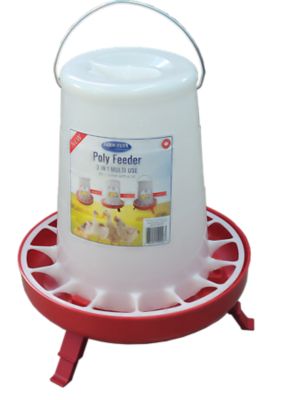
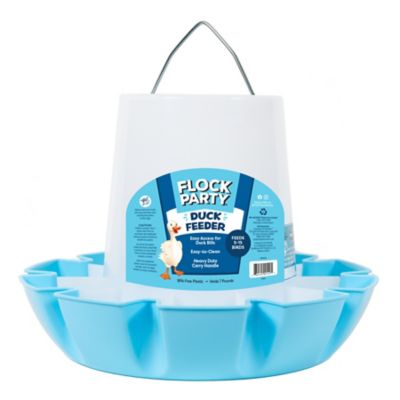
When comparing rodent-resistant chicken feeders, start with the size of your flock and the amount of feed your chickens go through between refills. A smaller-capacity feeder may work well for a few hens and make it easier to offer fresh feed, while a larger-capacity model can save trips to the coop for a bigger flock. Keep in mind that capacity is only one part of the decision. Look for a solid construction that can stand up to pecking, scratching, outdoor use and the occasional bump from a curious bird. Galvanized metal is often chosen for its durability and resistance to rust, while heavy-duty plastic can be easier to move and clean. A covered hopper helps shield feed from rain, snow and damp air, and a snug lid can discourage rodents from climbing in from above. Check how the feeding ports are positioned and whether the openings are comfortable for the size of your chickens. Bantams, young pullets and smaller breeds may need easier access than full-sized hens, while very large birds may do better with generous openings and plenty of headroom. If the feeder uses a treadle or weighted platform, pay attention to the adjustment range and the amount of weight needed to open it. Some flocks learn quickly, while others need a little time to get used to stepping on a moving surface. A simple training period with the access set open or lightly weighted can help birds understand where their feed is located. It is also worth considering the number of feeding spaces. Several openings can reduce crowding and keep lower-ranking hens from being pushed away at mealtime. A feeder that is easy to inspect, refill and wipe down is more likely to become part of a steady daily routine, which matters when muddy ground, wet weather and busy chores make the coop less convenient to reach.
Placement and upkeep make a noticeable difference in how well any rodent-resistant chicken feeder performs. Set the feeder on level ground or mount it securely so it does not rock, tip or collect moisture underneath. A sheltered location inside a well-ventilated coop or covered run can protect the moving parts and keep feed drier, but avoid placing it directly beside a wall, fence or stack of supplies that could give rodents another route to the top. Clean up spilled feed beneath and around the feeder, since even a well-designed unit cannot prevent pests from gathering around loose grain on the ground. Inspect hinges, treadles, covers, springs, ports and fasteners from time to time, especially after rough weather or heavy use. Feed dust and bedding can collect in moving parts, so a quick cleaning may help the mechanism close properly. During rainy or snowy stretches, check for clumping or damp feed and make sure the lid still seals as intended. These feeders can be a thoughtful gift for someone starting a backyard flock, adding chickens to a small homestead or upgrading an older open feeder that attracts too many unwanted guests. They also make a practical choice for an experienced keeper who wants less feed waste and fewer nighttime chores. Pairing a dependable feeder with secure feed storage, sturdy fencing and a well-protected living area can make daily poultry care feel more orderly. For broader flock protection, explore
Predator Resistant Coops And Pens to help create a safer setup around the coop and run. With the right capacity, durable construction and access control for your flock, a rodent-resistant chicken feeder can help keep feeding time calmer, cleaner and more economical through changing seasons.