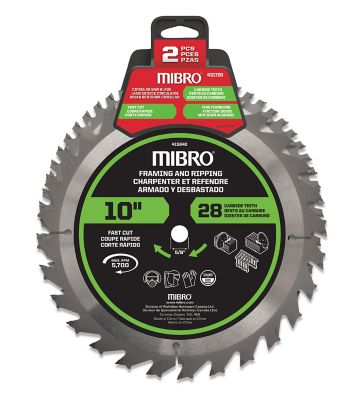
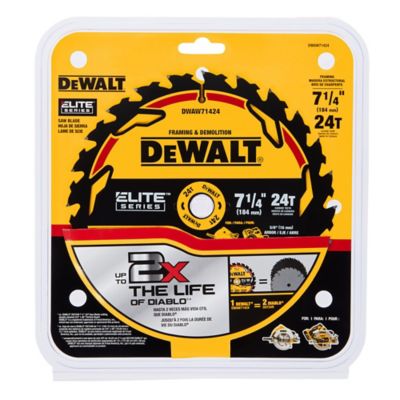
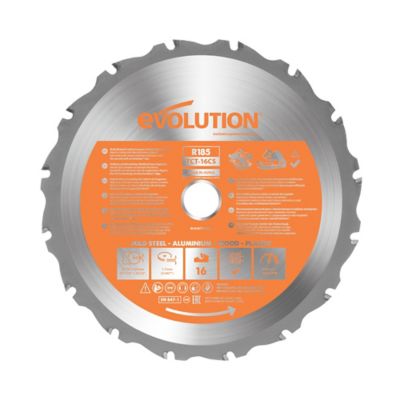
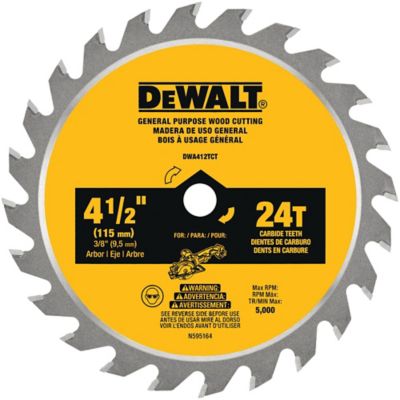
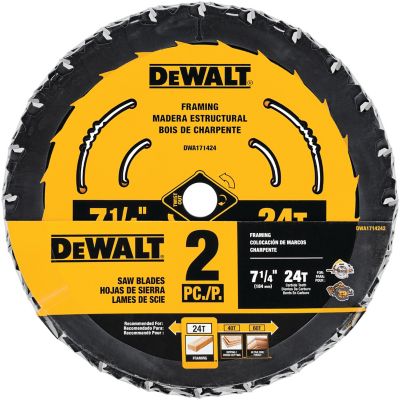
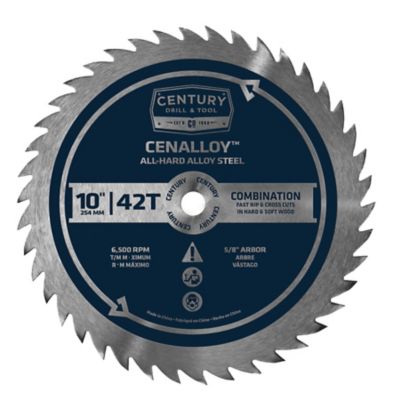
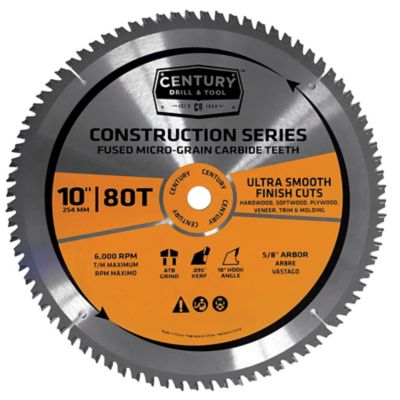
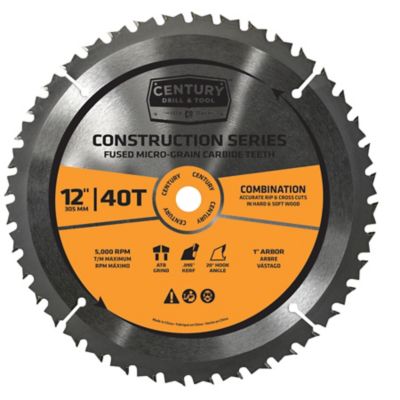
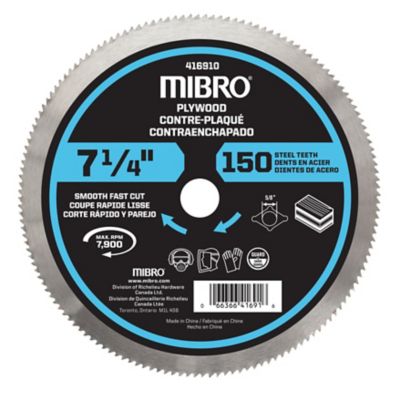
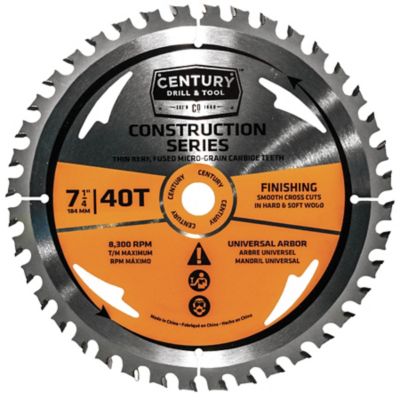
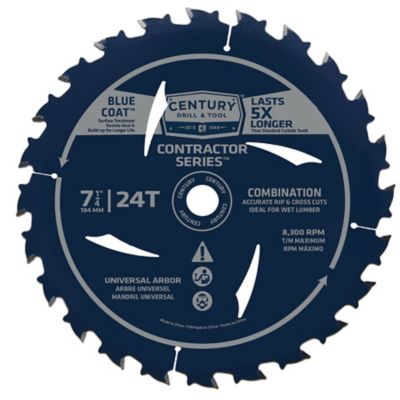
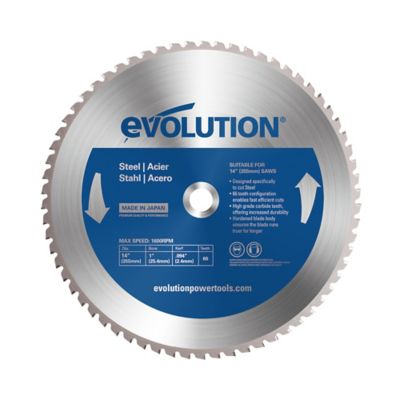
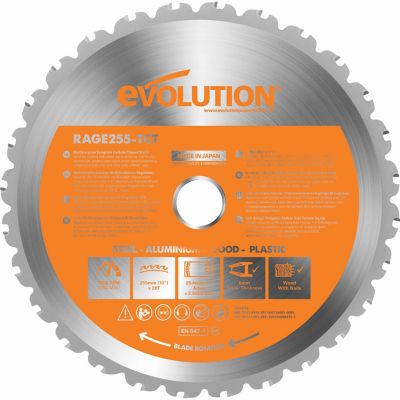
Wood cutting circular saw blades help turn a saw into the right tool for the job, whether you are breaking down framing lumber, trimming boards for a farm repair, or making clean cuts in plywood for a shop project. The right blade depends on the saw you own, the material on the workbench, and the kind of cut you need to make. Handheld circular saws, table saws, and miter saws may use different blade sizes or mounting requirements, so check your saw manual and the blade specifications before placing an order. Diameter and arbor size need to match, and the blade must be rated for the saw’s speed. It also helps to compare kerf, or the width of the cut made by the blade. A thin-kerf blade removes less wood and can be a good fit for a lower-powered saw, while a full-kerf blade may suit heavier equipment and demanding work. Look for blades made for wood when cutting pine, cedar, oak, maple, plywood, boards, and other lumber. Blades with carbide-tipped teeth can stay sharp through repeated projects, while tooth shape and spacing affect how quickly the blade moves through the stock and how smooth the edge looks afterward. For a quick look at blades suited to a wide range of everyday cuts, browse
General Purpose Circular Saw Blades.
Tooth count is one of the simplest ways to narrow the choices. Blades with about 24 teeth are built for fast, aggressive rip cuts, where the cut follows the length of a board and speed matters more than a clean edge. They are a practical choice for framing lumber, fence repairs, rough shop work, and projects where the cut edge will be covered or joined later. Blades in the 40-tooth range offer a useful middle ground for many tasks, handling both crosscuts across the grain and rip cuts along it without requiring a blade change for every step. They can be a solid everyday option for cutting common boards and sheet goods around the property. Blades with 60 or more teeth are made for slower cuts with a smoother result, making them well suited to plywood, cabinet parts, trim, shelving, and visible edges. More teeth usually mean a finer cut, but the saw may need to move at a steadier pace to prevent heat buildup or strain. When cutting plywood, a higher tooth count can help limit splintering on the top face. For rough framing, a lower tooth count can clear sawdust quickly and keep the work moving. Tooth geometry matters, too. Alternate top bevel teeth are often selected for crosscuts and sheet goods, while flat-top or combination patterns may be suited to ripping and general work. Blades with anti-kickback shoulders, expansion slots, or special coatings may help manage heat, vibration, and pitch buildup, though no blade replaces proper technique or safe operation.
These blades are handy for homeowners, farmers, ranchers, contractors, carpenters, maintenance crews, and anyone who keeps a saw ready for the next repair. A farmer might reach for one while replacing a broken gate board, cutting blocking for a shed, or sizing lumber for a livestock-area improvement. A homeowner may keep a spare on hand for porch repairs, shelving, firewood storage, or weekend projects during the cooler months, when indoor shop work and property maintenance often move to the front of the list. They can also make a practical gift for someone setting up a workshop, maintaining a cabin, or taking on more woodworking around the house. Before cutting, inspect the blade for missing teeth, cracks, warping, or pitch buildup, and confirm that it is seated properly with the arbor hardware tightened according to the saw maker’s instructions. Match the blade to clean, supported stock, and keep the material secured so it cannot shift as the cut progresses. Let the saw reach full speed before entering the wood, guide it without forcing the motor, and allow the blade to stop completely before setting the tool down. A dull or damaged blade can wander, burn the wood, or place extra strain on the saw, so replacing it at the first clear signs of wear can make the work smoother and easier to control. Store spare blades in their original packaging or a protective case, away from moisture and loose hardware that could strike the teeth. With the right diameter, arbor fit, tooth count, and cut style, a wood cutting circular saw blade can be a dependable part of the shop, shed, or truck toolbox through changing seasons and plenty of projects.