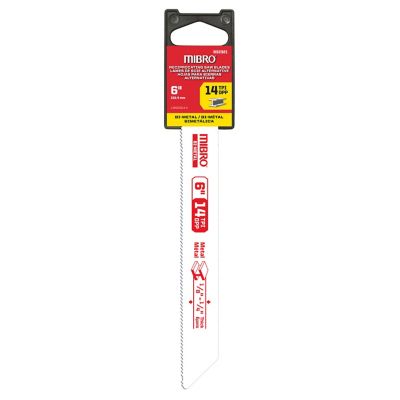
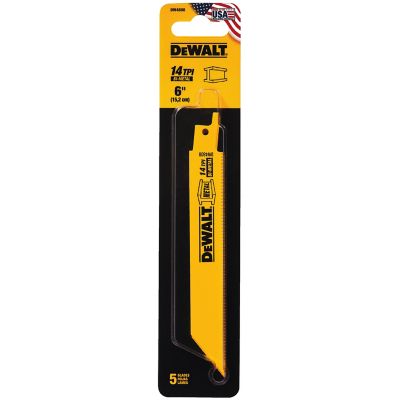
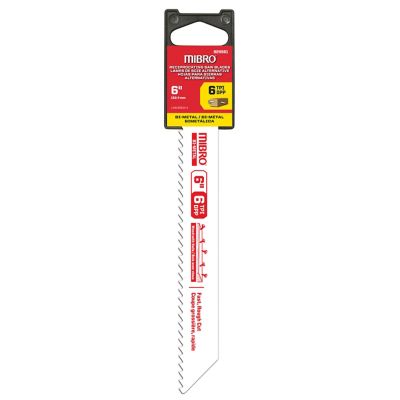
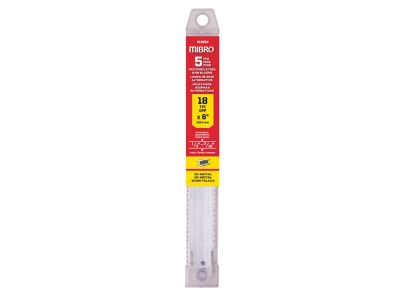
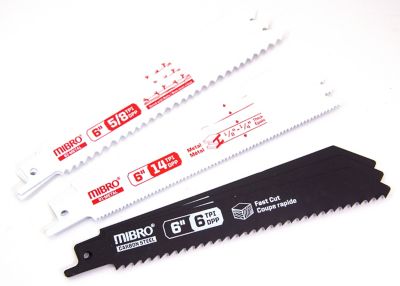
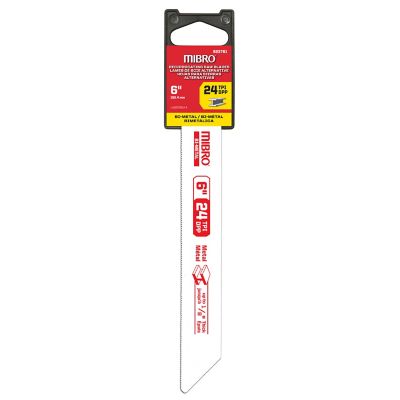
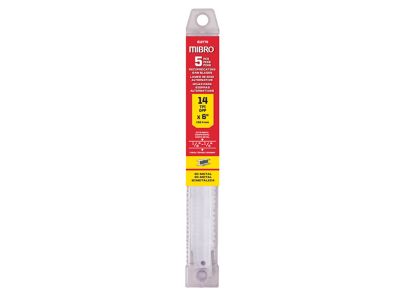
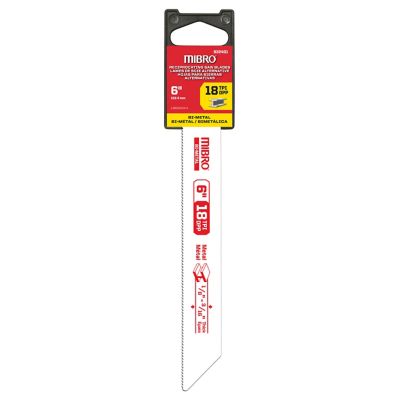
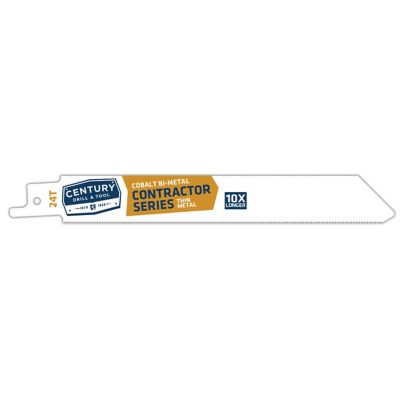
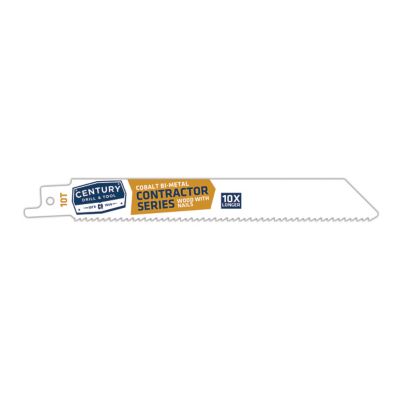
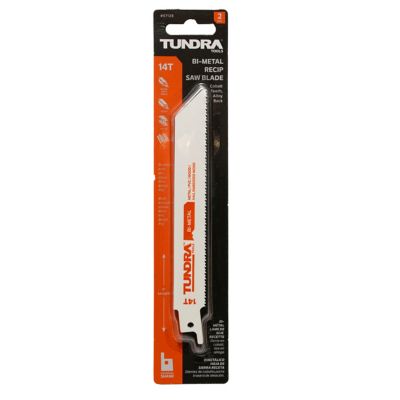
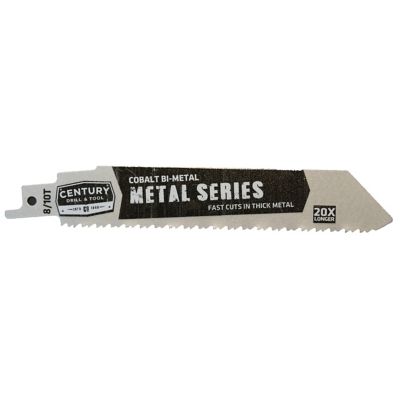
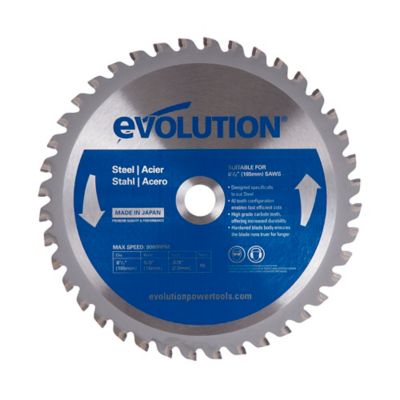
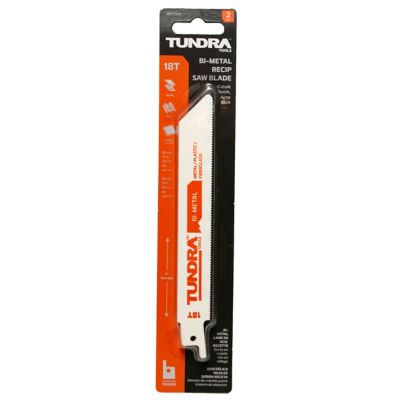
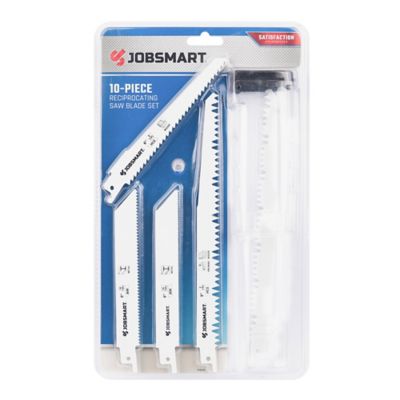
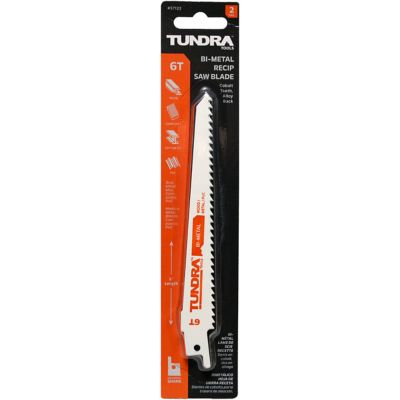
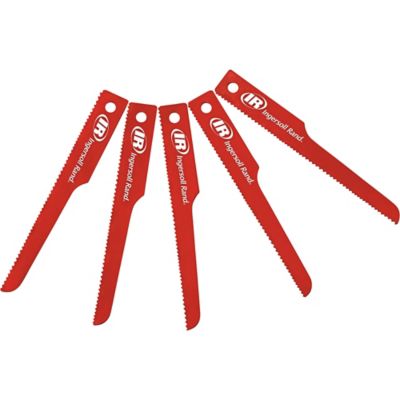
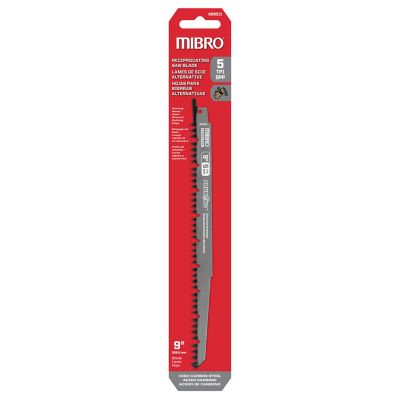
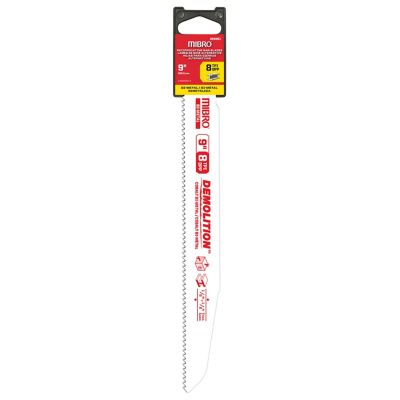
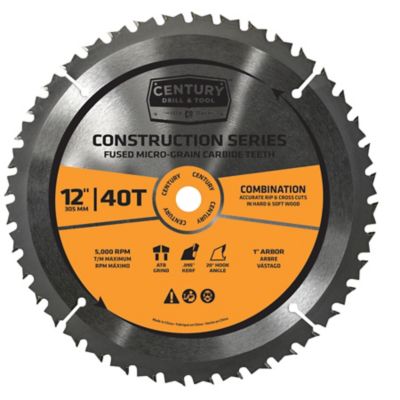
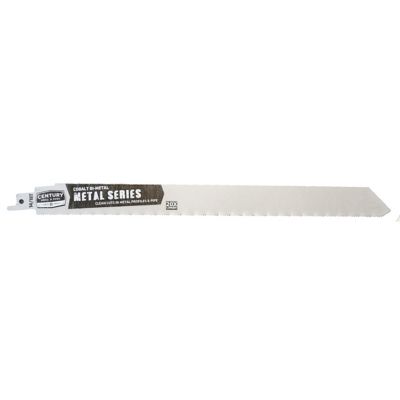
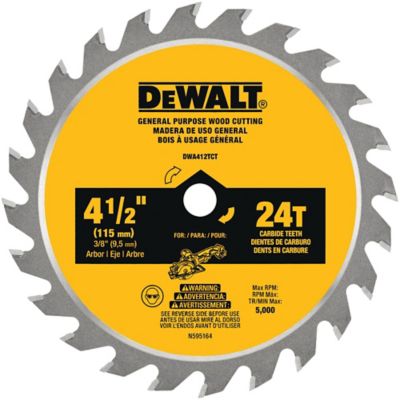
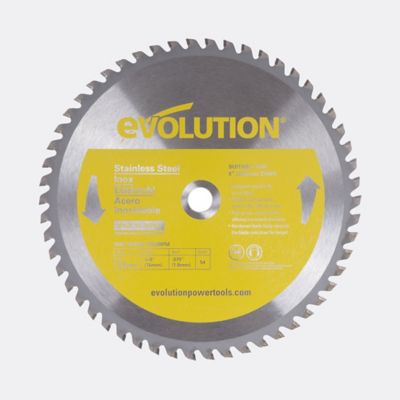
The size of a 6-inch saw blade means different things depending on the tool: on a reciprocating saw blade, it generally refers to the blade’s overall length, while on a circular saw blade, it refers to the outside diameter. That distinction matters when matching a blade to a saw and the work ahead. A straight reciprocating blade moves back and forth for tasks such as cutting pipe, trimming lumber or taking apart framing. A round circular blade rotates through material and is typically chosen for straight cuts in boards, panels and other materials allowed by the blade and saw manufacturers. These blade types are not interchangeable, and a 6-inch circular blade is not the same size as a 6-1/2-inch blade. The saw’s specified blade size comes first, along with its mounting requirements and operating limits. For circular blades, that means checking the arbor hole, any required mounting features, the direction of rotation and a blade speed rating that meets or exceeds the saw’s maximum speed. For reciprocating blades, the shank must fit the saw’s blade clamp, and the blade needs enough working length for the material and the full stroke. A blade that reaches through a board while the saw is stopped may not extend far enough throughout its travel. When comparing
6 Inch Blades, the tool type, material rating and mounting details matter just as much as the measurement in the name. Around a farm shop, garage or jobsite, these differences can separate a blade suited to shortening a pipe from one intended to crosscut a board. Checking the saw manual and blade labeling helps narrow the choice without assuming that blades sharing a nominal size will handle the same work. Reach, clearance and cutting depth all depend on the complete setup, not the size alone.
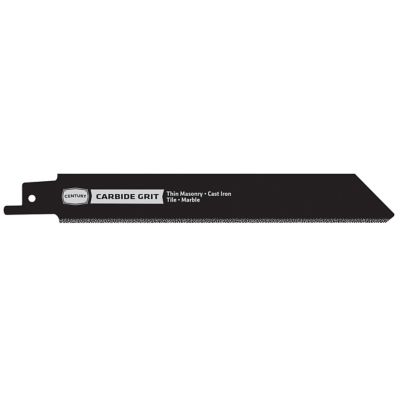
Tooth design and blade construction have a big say in how a cut feels and how the finished edge looks. On reciprocating blades, teeth per inch, often shortened to TPI, describe tooth spacing. Coarser teeth leave more room to carry chips out of thicker wood, while finer teeth generally suit thinner metal and other work that needs more teeth engaged in the cut. Too few teeth against a thin pipe wall can lead to snagging and chatter; a fine-tooth blade working through thick lumber may clear chips slowly and build heat. Circular blades follow a related pattern, though tooth count must be considered alongside diameter, tooth shape and the intended material. Lower tooth counts often favor faster cutting along lumber, while higher counts can help leave a cleaner crosscut or panel edge when the blade is designed for that job. Kerf, the width of material removed by the blade, also affects the cut. A thinner kerf removes less material and can reduce cutting effort, but it still needs to match the saw’s requirements, including any riving knife or splitter where applicable. Blade materials bring another set of tradeoffs. High-carbon steel reciprocating blades are commonly intended for wood and certain softer materials. Bi-metal designs combine a flexible backing with harder cutting teeth for a balance of flex and wear resistance. Carbide-tipped circular blades and carbide-tooth reciprocating blades serve different applications according to their tooth geometry and labeling; carbide alone does not make a blade suitable for every material. A carpenter cutting clean boards, a maintenance worker shortening metal tubing and a landowner removing a nailed board may all need different tooth designs despite shopping within the same size range. Nail-embedded wood calls for an explicit rating for that work. Metal-cutting labels also deserve a close look, since suitability for steel, stainless steel, cast iron or nonferrous metal varies by blade design. Plastic and composite materials have their own cutting requirements as well, especially where heat or edge chipping can spoil the result.
Good blade performance also depends on support, clearance and care. A loose board on a pair of sawhorses or a length of tubing that can roll puts extra strain on the cut and makes control harder. Firm support, suitable clamping and a clear cutting path help the blade work as intended, with room for the offcut to separate without pinching it. For reciprocating work, blade width and thickness affect how readily the blade flexes: narrower designs can suit curved work when rated for it, while wider or thicker designs tend to resist wandering during straight cuts. Extra length is not automatically helpful, since more blade extending beyond the work can flex or strike something out of sight. Before cutting into an assembled structure, the path behind the material needs to be clear of wiring, plumbing and other hidden hazards. With circular saws, actual cutting depth depends on the saw’s design and depth setting, not simply the blade diameter, and bevel cuts reduce the available depth further. Clean teeth and an undamaged blade help keep cutting effort steady. Resin on a wood-cutting blade, packed debris between teeth or a bent reciprocating blade can turn a straightforward repair into a rough, tiring job. Disconnecting power or removing the battery before blade changes, inspection or cleaning keeps hands away from an unexpected start. Cleaning methods should follow the blade manufacturer’s directions, and blades need to be dry before storage to help limit rust. Separate storage protects cutting edges from knocking against tools or loose hardware. Cracks, missing teeth, severe bending and persistent vibration are reasons to stop and inspect the setup rather than push harder. Eye protection, hearing protection and dust controls suited to the material belong with the job, too. Whether the task is repairing a gate, cutting shelving or handling shop maintenance, a properly matched blade helps the saw make a controlled cut without unnecessary force. The best fit comes from matching size, attachment, tooth pattern and material rating to the work, then keeping the cutting edge in good shape.