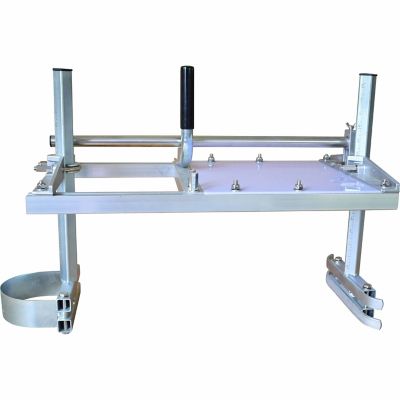
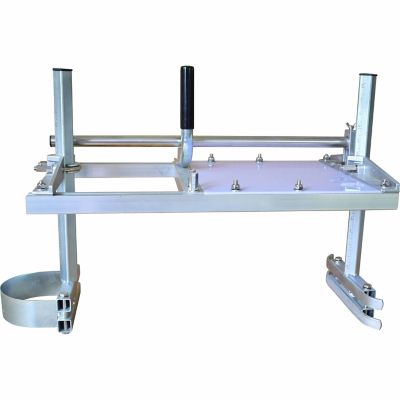
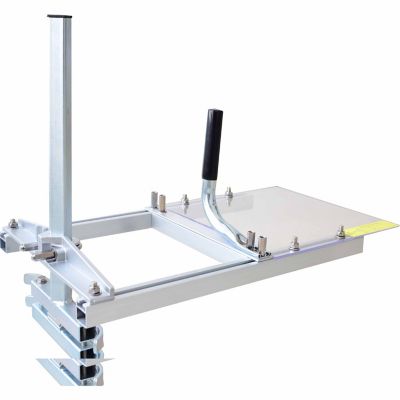
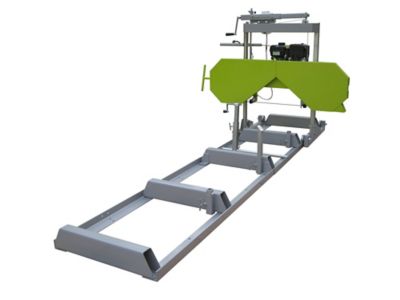
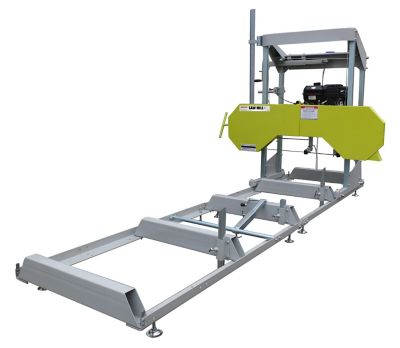
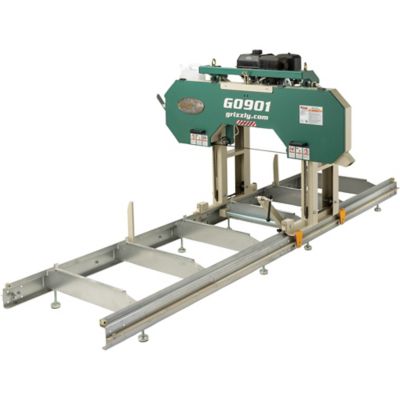
Portable sawmills turn raw logs into boards, beams, slabs, and other lumber at a suitable worksite, bringing the cutting equipment closer to the timber rather than hauling every log to a fixed mill. For landowners, farmers, woodworkers, and small lumber operations, that can mean putting a fallen oak or a stand of harvested pine toward practical projects around the property. The finished material might become workshop shelving, siding for an outbuilding, or thick slabs for a table, depending on the wood species, condition, and drying process. Portable sawmills generally fall into three main groups: bandsaw mills, swing-blade mills, and chainsaw mills. Bandsaw mills carry a continuous steel blade around wheels and move the cutting head along a track, slicing boards from a secured log. Their relatively narrow kerf—the width of wood removed by each cut—can help keep more of the log in the lumber pile and less in the sawdust pile. Swing-blade mills have a circular blade that pivots between horizontal and vertical cutting positions, allowing certain cuts without repeatedly turning the log. Chainsaw mills are attachments that hold a compatible chainsaw in a cutting frame, making them an option for occasional milling or sites where transporting a larger machine would be difficult. They generally cut more slowly and remove more wood per pass than bandsaw mills, but their simpler transport requirements suit some small-scale jobs. Each style serves a different pace of work, from a few boards after storm cleanup to repeated batches of lumber for a busy farm shop. The right fit depends on the timber being processed, the finished dimensions needed, and how often the equipment will run. A mill intended for occasional pine boards faces a different workload than one regularly cutting wide hardwood slabs, so capacity and cutting style matter more than sheer machine size alone. Milling also calls for room to handle logs and stack boards; even a compact setup needs more working space than its frame dimensions suggest.
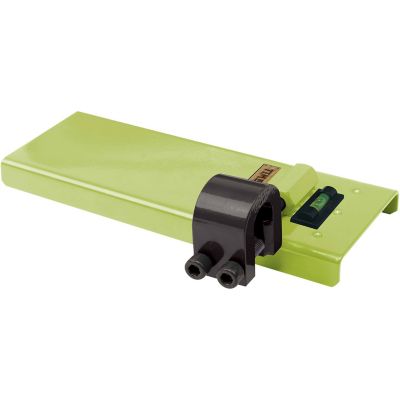
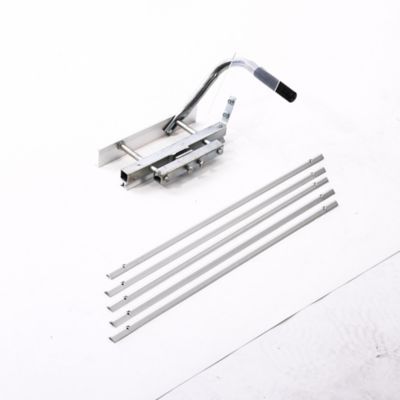
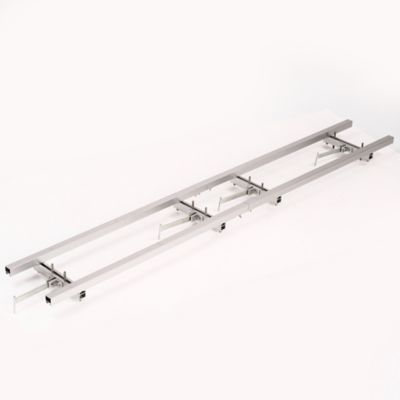
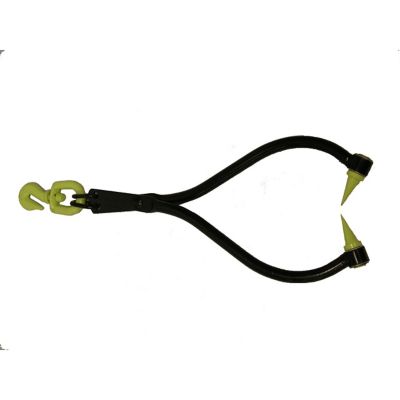
Log capacity is one of the most useful ways to compare portable sawmills, but maximum log diameter does not tell the whole story. Maximum cutting width, clearance above the blade, and supported log length all influence what can come off the mill. A machine may accept a large round log while having a narrower opening for the finished slab, especially when the log has a flared butt or an irregular shape. Track extensions can accommodate longer material on compatible systems, although extra length also increases the space needed for a firm, level setup. Steel frames, supported track sections, secure log clamps, and adjustable blade guides all play a part in keeping the cutting system steady through repeated passes. Blade selection matters, too: tooth spacing, blade width, and tooth profile need to suit the machine and the wood, whether that means soft pine, dense hickory, or frozen timber during the cooler months. Engine power and feed controls affect how comfortably a mill handles demanding cuts, while manual or hydraulic log-handling features influence the physical effort involved. A heavy log still needs to be loaded, positioned, and secured, regardless of how easily the sawhead travels. Cant hooks, loading equipment, and supports rated for the load belong in that planning, along with access for a tractor or other suitable handling equipment. Portability also means different things across the category. Some mills break down for transport, some move around a property on a trailer frame, and others have trailer packages intended for road travel when properly equipped and compliant with local requirements. A wheeled frame alone does not establish road readiness. Gas-powered systems can work away from electrical service, while electric equipment needs a suitable power supply. Operator space, blade guards, emergency controls, and clear sightlines are equally important considerations. Eye and hearing protection, appropriate footwear, and the manufacturer’s operating procedures remain essential, especially where rolling logs, moving blades, and freshly cut lumber share the same work area.
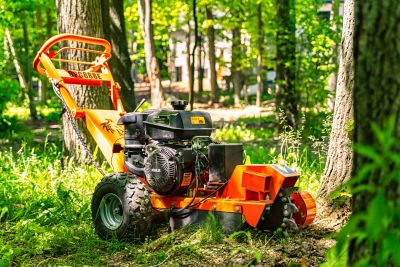
Long-term performance depends as much on upkeep and working conditions as on the mill’s construction. Sharp blades, proper blade tension, aligned guides, and a clean track help support consistent cuts and reduce unnecessary strain on the equipment. Bark packed with dirt can dull a cutting edge quickly, and old fence-line trees may contain wire, nails, or other embedded metal that can damage a blade. Inspection and appropriate metal detection are worthwhile precautions before cutting questionable logs. Lubrication requirements vary by machine and season, so the manufacturer’s recommendations should govern the fluid and maintenance schedule rather than a one-size-fits-all approach. Covered storage, protected electrical connections, and attention to exposed steel help limit weather-related wear between jobs. Belts, bearings, fasteners, and cutting components also need periodic checks, particularly after transport or extended operation. Around the milling site, short grass and clear access make it easier to see footing hazards and keep vegetation away from the work zone;
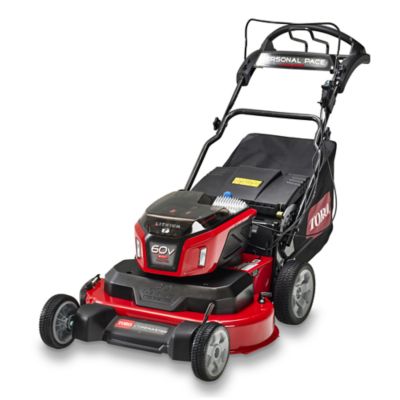
Portable Lawn Mowers can support that separate property-maintenance task where terrain and conditions permit. Once a board leaves the mill, its next stop matters just as much as the cut itself. Freshly sawn lumber contains moisture and can shrink, twist, or check as it dries. Raised stacks with evenly spaced stickers—the narrow spacers between layers—allow air to circulate, while overhead protection helps keep rain off without trapping moisture around the boards. Drying time varies with species, thickness, climate, and the moisture level required for the intended project. Lumber for indoor furniture usually needs more controlled drying than material intended for certain outdoor applications, and a moisture meter helps assess readiness. Structural projects may require graded lumber and approval under local building rules; a straight-looking beam is not proof of load-bearing suitability. With the right match of cutting capacity, handling equipment, and drying space, a portable sawmill can give property owners a practical way to turn suitable timber into material for the next job, with the grain and character of the land still visible in every board.