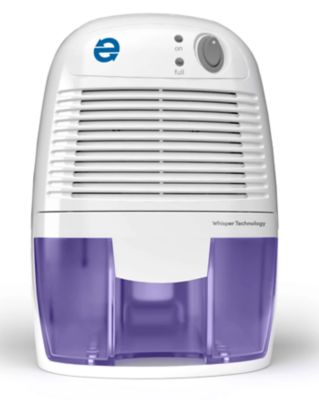
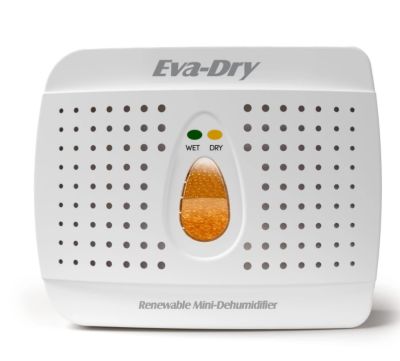
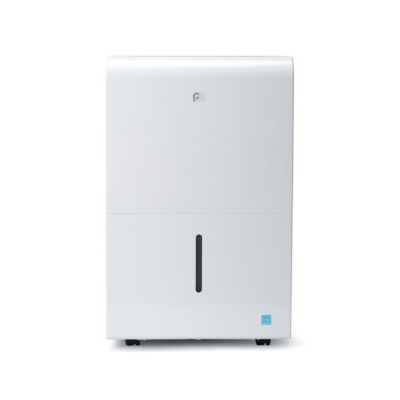
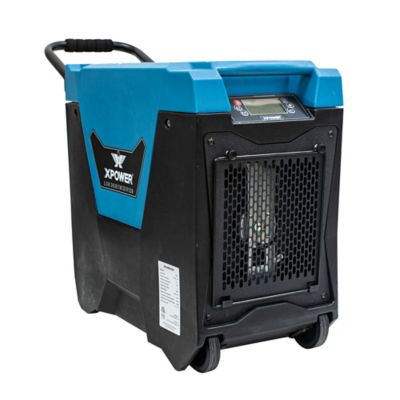
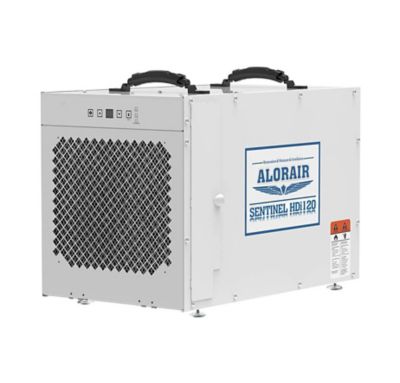
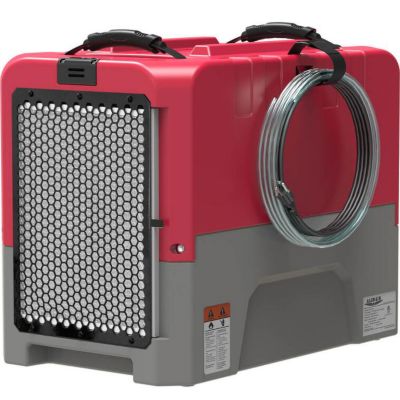
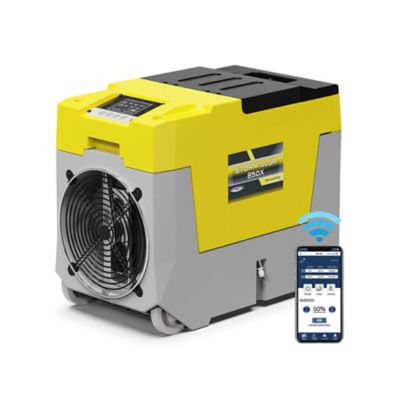
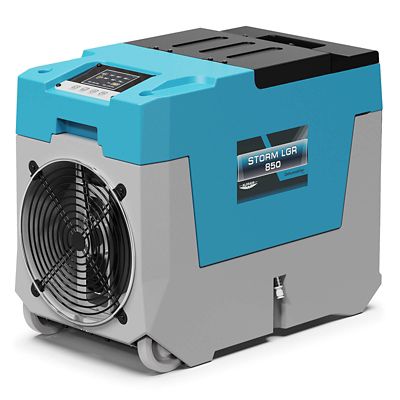
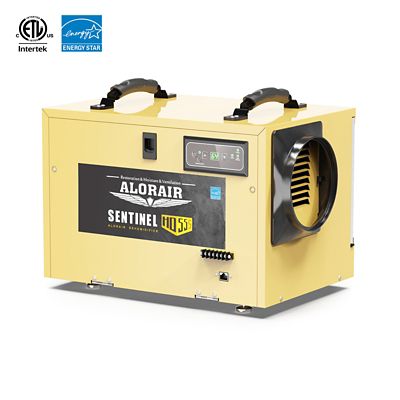
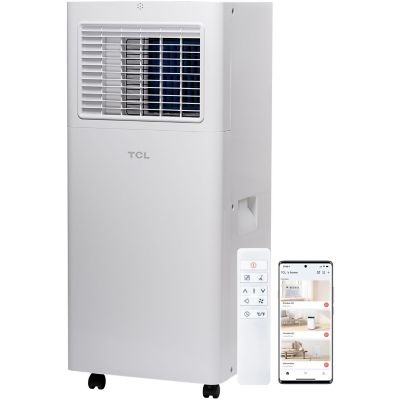
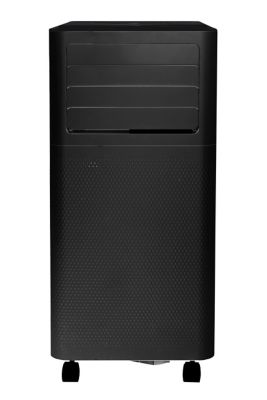
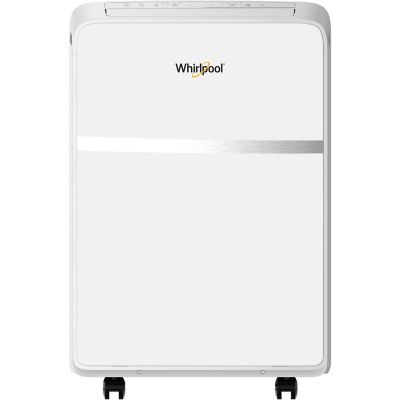
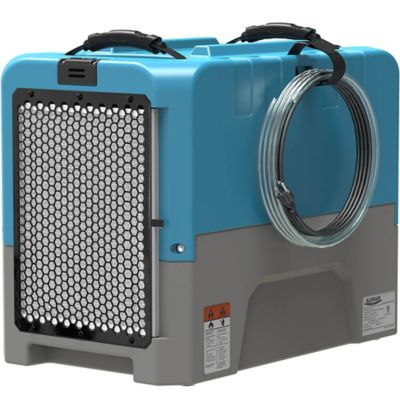
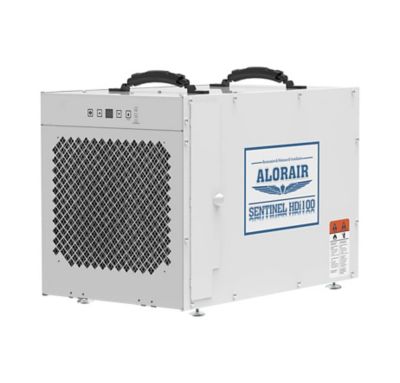
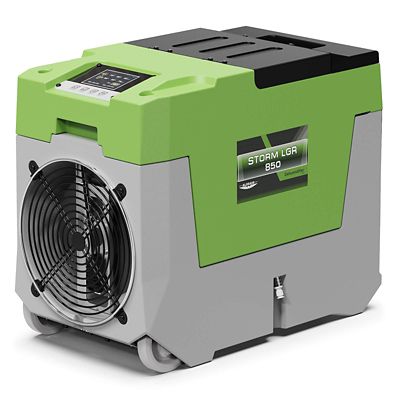
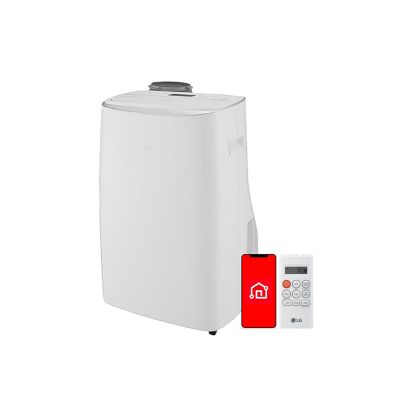
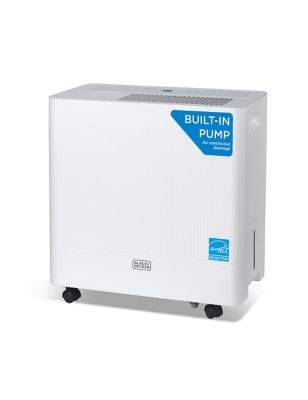
Portable dehumidifiers help pull extra moisture from the air, making damp rooms feel more comfortable and helping protect belongings from the problems that come with lingering humidity. They can be useful in basements, bathrooms, bedrooms, laundry rooms, closets, workshops, garages, RVs and other spots where air tends to feel heavy or stale. During the cooler months, moisture can collect around windows, settle into stored fabrics or make a basement feel clammy even when the rest of the house feels dry. A portable unit gives you a practical way to manage that dampness without installing a whole-home system. Many shoppers choose one for a room that stays humid after a storm, a space with limited ventilation or an area where wet boots, coats and work clothes are often left to dry. They can also be handy after a plumbing leak or minor water issue, although serious flooding and water damage should be handled by qualified professionals. A dehumidifier may make a thoughtful housewarming gift for someone moving into an older home, a useful addition to a camper or lake cabin, or a helpful present for anyone setting up a basement family room, sewing space or home workshop. If you are comparing ways to make a room more comfortable, you may also want to browse
Portable Radiators for spaces that need extra warmth during colder weather.
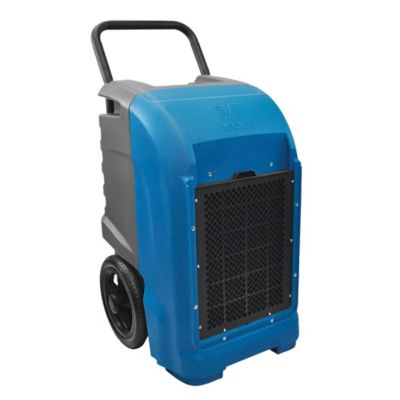
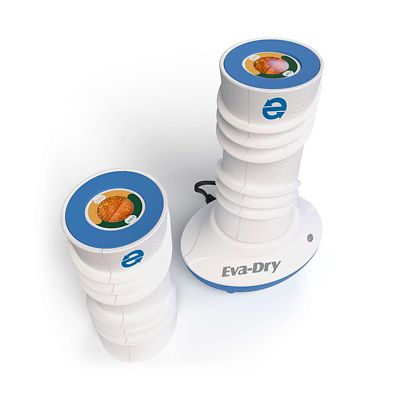
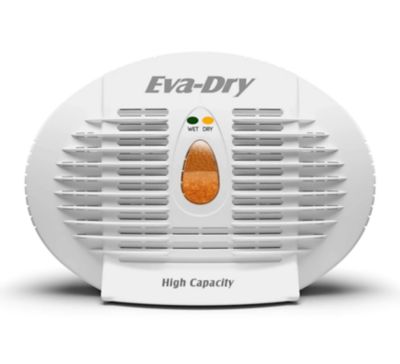
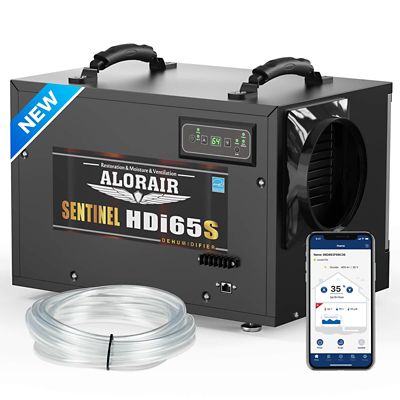
Choosing the right portable dehumidifier starts with the size and conditions of the space where it will run. Small rooms under about 1,000 square feet, including compact bathrooms, closets, laundry areas and RV interiors, often pair well with mini units or models rated around 20 to 30 pints per day. A pint rating refers to the amount of water a unit can remove over 24 hours under specified test conditions, so real-world performance may vary with temperature, humidity and airflow. For a bedroom, living area, basement section or other medium-sized space around 1,500 to 3,000 square feet, a model in the 35- to 50-pint range may be a better fit, especially when the room feels noticeably damp or has limited ventilation. Large, persistently wet basements and other spaces up to roughly 5,000 square feet may need a heavier-duty unit rated around 70 to 80 pints, though the layout, ceiling height, insulation and source of moisture all matter. A small, enclosed room does not always need the biggest capacity available, while an open basement with several connected areas may benefit from more capacity than the square footage alone suggests. Look for features that match the way you plan to use the unit, such as a built-in humidistat, automatic shutoff when the tank fills, a visible water-level indicator, adjustable fan speeds, a timer, quiet operation and rolling casters or carrying handles. If emptying a tank by hand would be inconvenient, consider a model with a continuous-drain option and make sure the hose can be routed safely to a suitable drain. For a garage, barn office or other cooler area, check the operating temperature range before buying, since some units may need occasional defrosting in low temperatures.
Placement and routine care make a real difference in how well a portable dehumidifier works. Set the unit on a level, solid surface with open space around the air intake and exhaust so air can circulate freely. Keep it away from curtains, stacked boxes, bedding and other items that could block airflow, and use a grounded outlet that can handle the appliance. Closing doors and windows while the unit runs can help it remove moisture more efficiently, especially in a basement or bedroom. Empty and wash the water tank regularly, ideally at least once a week during frequent use, to help prevent slime, odors and the buildup of mold or bacteria. If the tank develops a musty smell or film, scrub it with a little vinegar mixed with water, then rinse it well and let it dry before putting it back. Follow the care instructions for the specific unit, and never mix vinegar with bleach or other cleaners. The air filter also needs regular attention; rinse or vacuum it as directed so dust does not restrict airflow, reduce performance or make the machine work harder. Keep an eye on windows, walls, stored clothing and cardboard boxes for signs that the space remains too damp, and consider using a separate humidity monitor when you want a clearer picture of room conditions. Portable dehumidifiers are not a substitute for repairing roof leaks, plumbing problems, poor drainage or inadequate ventilation, but they can be a convenient part of a larger moisture-control routine. With the right capacity, sensible placement and steady upkeep, one can help make a musty basement more usable, keep a laundry area from staying wet and give everyday living spaces a fresher, more comfortable feel as outdoor conditions shift.