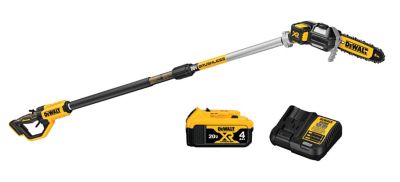
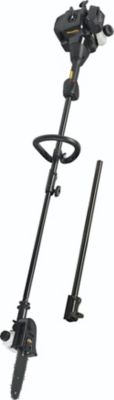
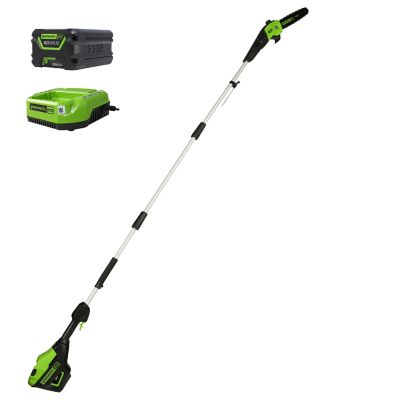
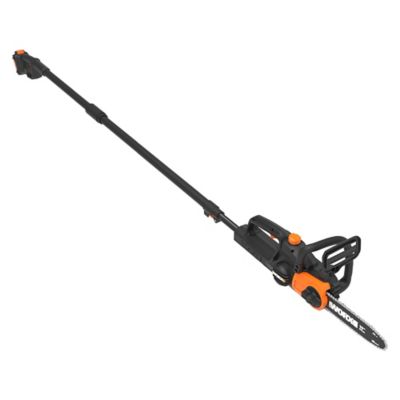
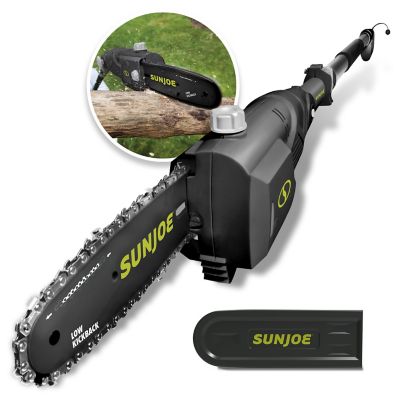
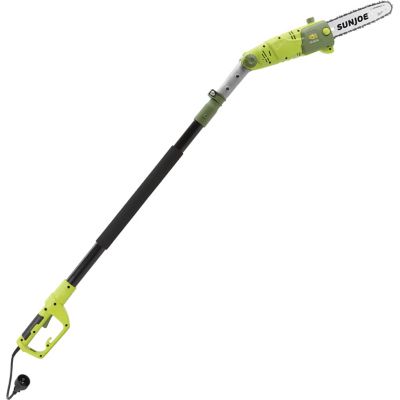
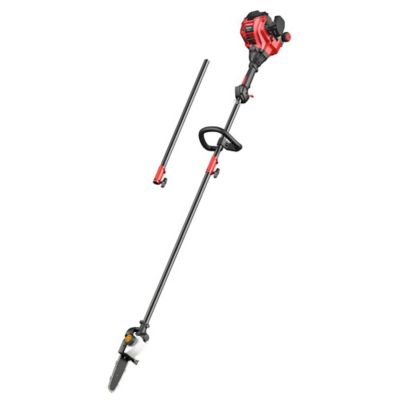
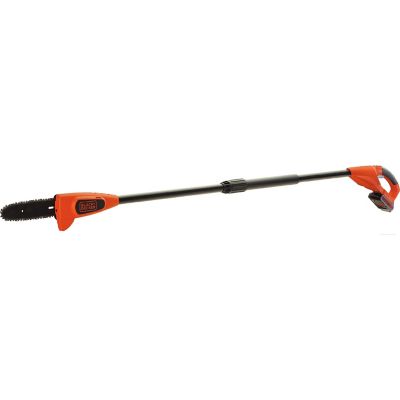
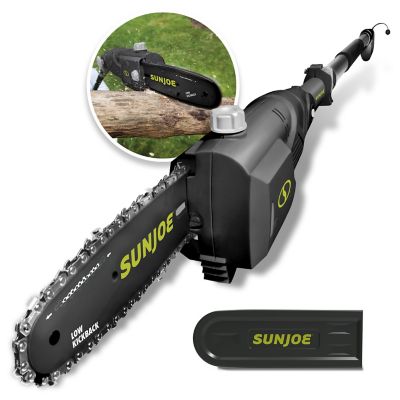
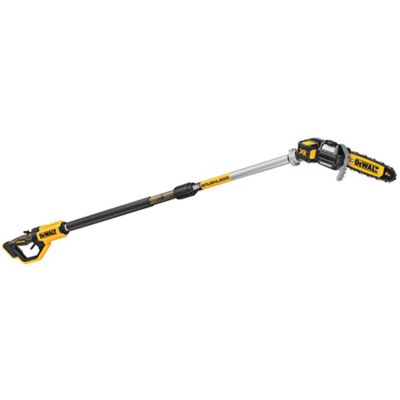
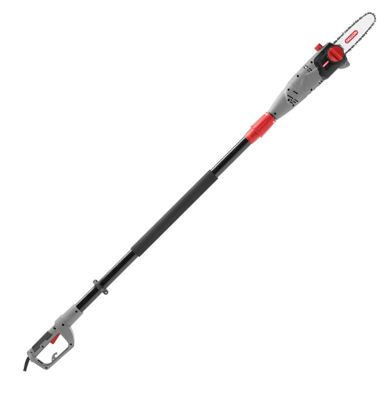
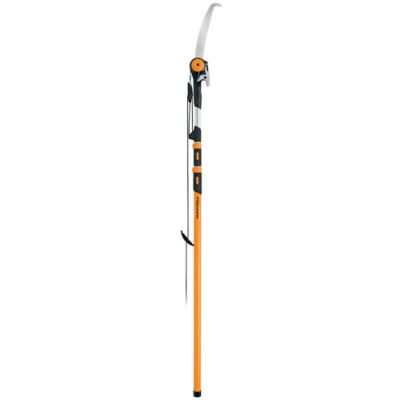
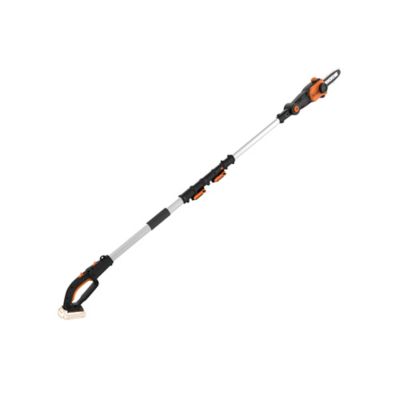
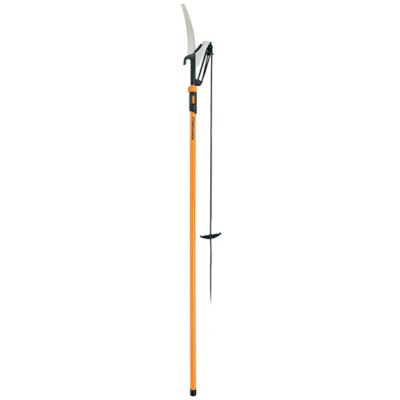
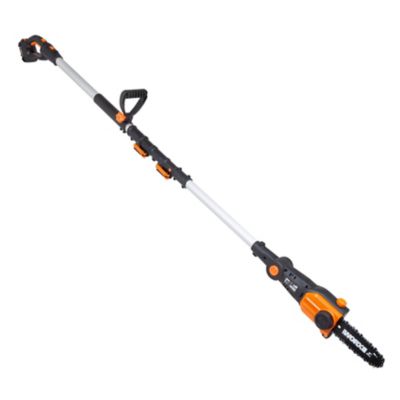
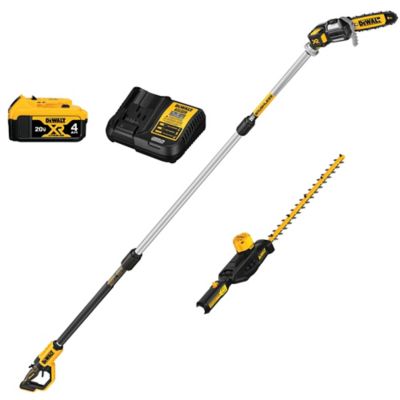
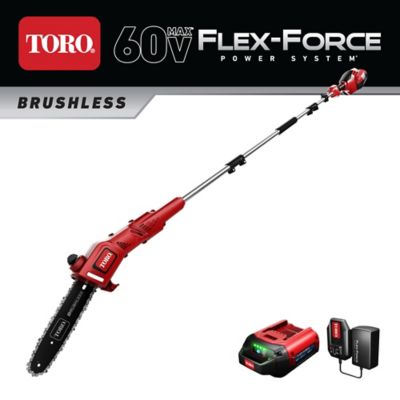
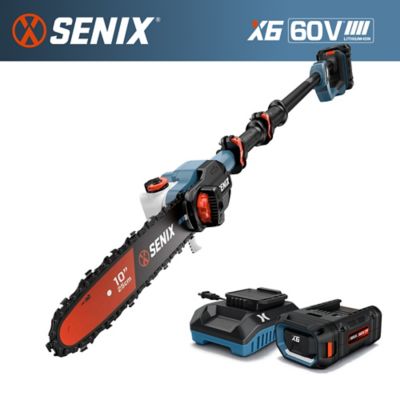
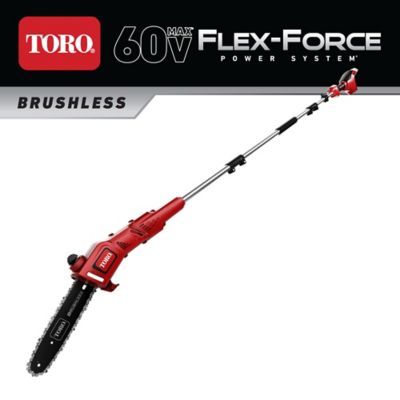
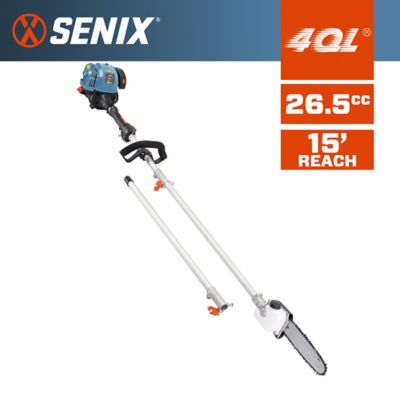
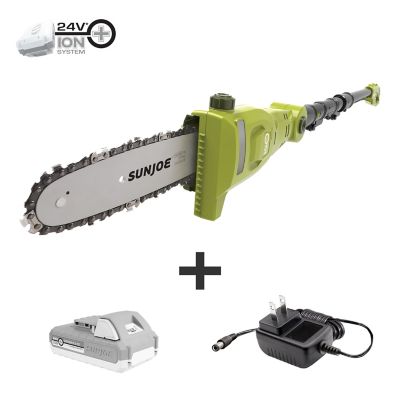
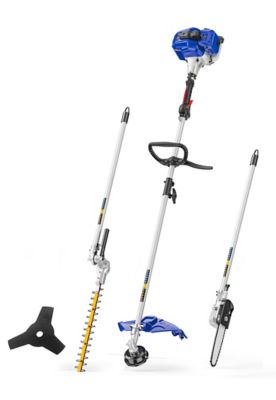
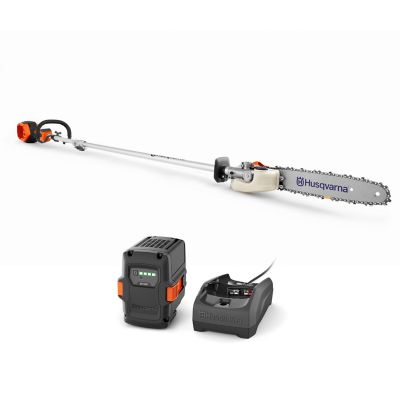
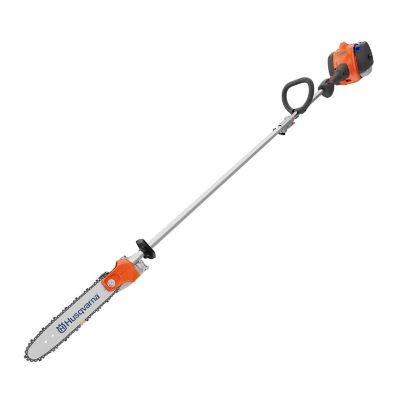
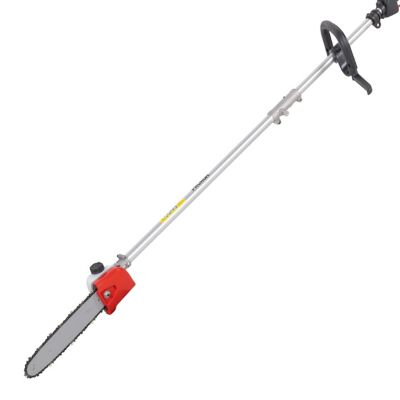
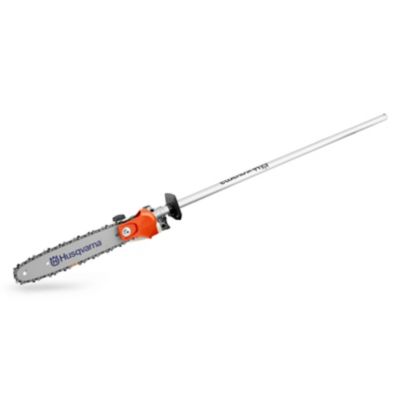
A pole saw is a pruning tool with a saw blade or a powered bar and chain mounted at the end of a long pole, giving you extra reach for cutting tree branches from the ground. It’s handy for managing limbs over a driveway, opening up a path beside a fence, or tending trees around a barn and yard. The right pole saw depends on the height and thickness of the branches, how far the work is from an outlet, and how much trimming needs doing. Manual pole saws have a fixed cutting blade and rely on your effort rather than a motor. Some manual tree-pruning tools pair that saw blade with a rope-operated pruning head for smaller branches. They suit occasional trimming and places where carrying a battery or keeping fuel on hand would be more trouble than the job calls for. Corded electric pole saws run from an electrical outlet and can be a good match for work within reach of a properly rated outdoor extension cord. They don’t need battery charging or engine upkeep, though the cord needs room to travel without snagging on shrubs or crossing the cutting area. Cordless pole saws run on rechargeable batteries, making it easier to move between scattered trees without dragging a cord along. Battery capacity, motor design, and branch size all affect how much cutting happens between charges. Gas-powered pole saws offer another option for work farther out on a property and for longer trimming sessions, with engine care, fuel requirements, noise, and weight worth considering. None of these power sources makes every branch a suitable job. Cutting capacity and the manufacturer’s operating limits matter more than simply choosing the strongest motor. For homeowners, acreage owners, groundskeepers, and folks keeping farm lanes clear, a pole saw fills the gap between a hand pruner and larger tree-care equipment. It’s made for manageable pruning work, not taking down trees or tackling heavy limbs hanging over buildings.
Reach, weight, balance, and cutting capacity are the main things to compare when shopping for a pole saw. A longer pole can reach more branches, but it also puts the cutting head farther from your hands, making steady control more demanding. Telescoping poles let you adjust the length, while sectional designs gain reach through added pole sections. Check whether the stated measurement describes the tool itself or an estimated overhead reach that includes the operator’s height; those figures aren’t interchangeable. A saw that feels manageable close to your body can feel much heavier at full extension, especially with a battery or cutting head at one end. Grip placement, shaft balance, and a manufacturer-approved support strap can make a difference during a stretch of trimming. Aluminum and fiberglass are common shaft materials, while steel blades and chains provide the cutting edges. Secure pole connections and extension locks help keep the assembly steady, and comfortable handles give gloved hands a firm place to hold. Material alone doesn’t establish electrical protection, so no pole saw belongs near power lines. For powered models, bar length is one part of cutting capacity, not permission to tackle any limb narrower than the bar. Follow the stated branch-size limits and consider the limb’s weight, position, and condition as well. Features such as automatic chain oiling, accessible oil reservoirs, and straightforward chain-tension adjustment can make regular upkeep less of a chore. An automatic oiler supplies lubrication to the bar and chain during operation, but its reservoir still needs checking and filling with the specified oil. On cordless equipment, battery-platform compatibility matters if you already have other battery-powered tools. Voltage alone doesn’t establish compatibility, and a larger battery can add weight along with runtime. Package contents also deserve attention, since batteries, chargers, straps, and other accessories can vary. The best fit is equipment that matches both the property and the person holding it, rather than the longest pole or largest cutting head.
Keeping a pole saw ready for the next job comes down to care that fits its design. Manual blades need clean teeth and protection from rust, while powered cutting heads need attention to chain sharpness, tension, lubrication, and wear. A sharp cutting edge helps the tool work without forcing it through the branch; a dull blade or chain can make a small pruning job feel like a wrestling match. Disconnect the power source as directed before cleaning, making adjustments, or handling the cutting assembly. Battery-powered equipment needs charging and storage that follow the battery maker’s directions. Corded equipment calls for checks of the power cord, plug, and extension cord before work begins. Gas engines have their own maintenance requirements, including filters, spark plugs, and the specified fuel; some engines require a fuel-and-oil mixture, while others do not. Clearing away sawdust and sap, inspecting fasteners and pole locks, and covering the blade or bar for storage help protect the equipment between jobs. Replacement chains, bars, and blades need to match the saw’s specifications, not just look about the same size. Good handling matters just as much as upkeep. Pole saws are intended for operation from stable footing on the ground, not from a ladder, fence rail, or truck bed. Keep people, pets, and livestock out of the work area, stay clear of the branch’s fall path, and never stand directly beneath the limb being cut. Head and eye protection, gloves, sturdy footwear, and hearing protection where needed belong with the equipment. Branches near electrical wires, large suspended limbs, and cuts that could damage a building call for a qualified tree-care professional. For someone who enjoys keeping a place tidy, a pole saw can make a practical gift when its weight, reach, and power system suit the recipient. Explore the
Husqvarna Pole Saw selection at Tractor Supply as you compare equipment for the trimming jobs around your place.