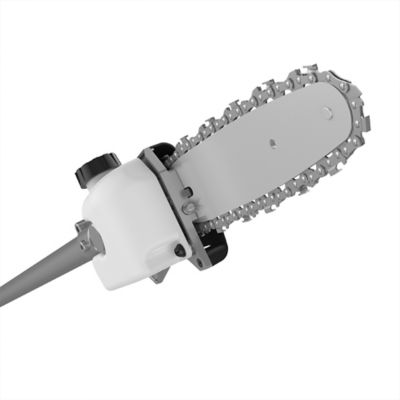
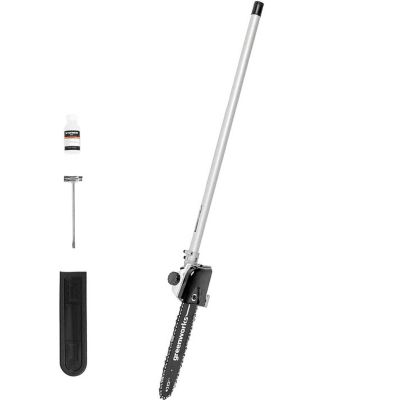
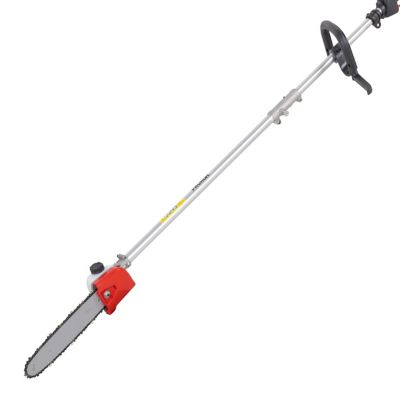
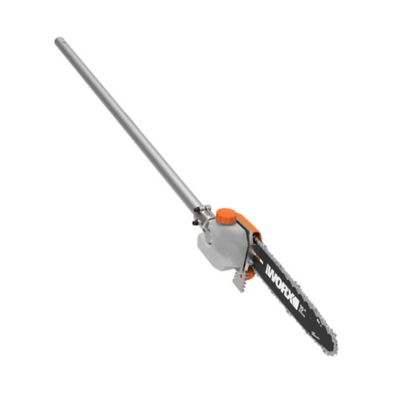
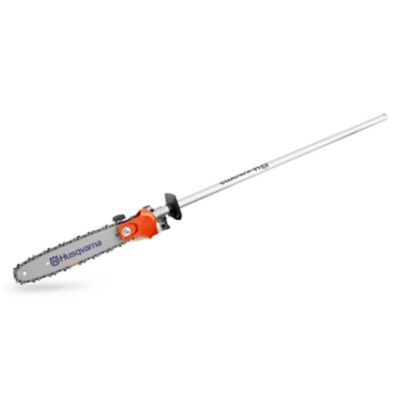
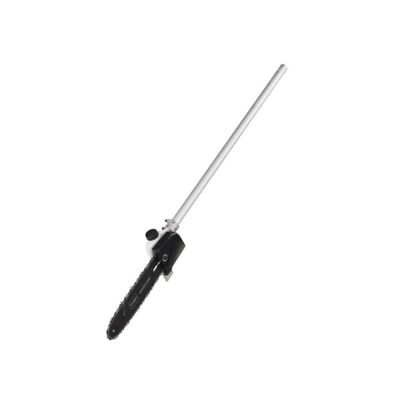
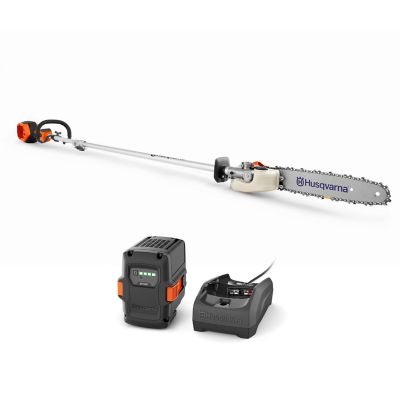
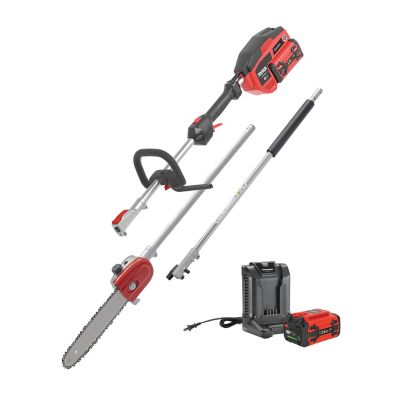
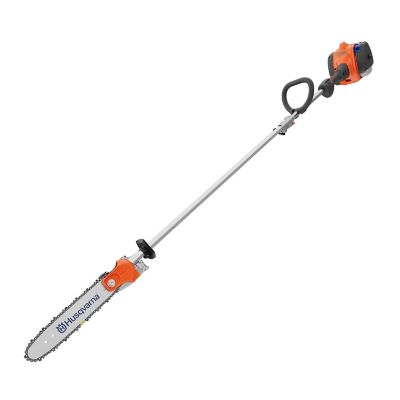
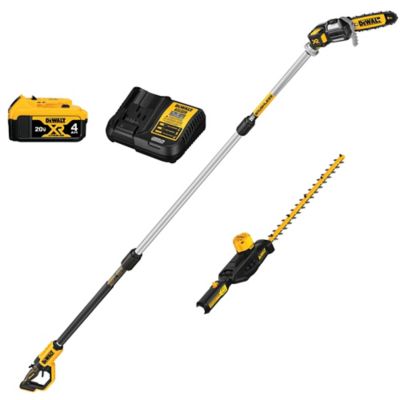
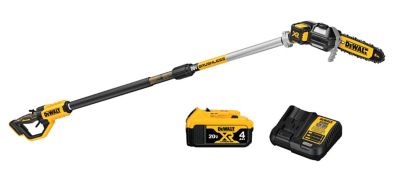
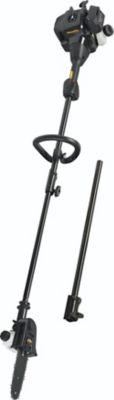
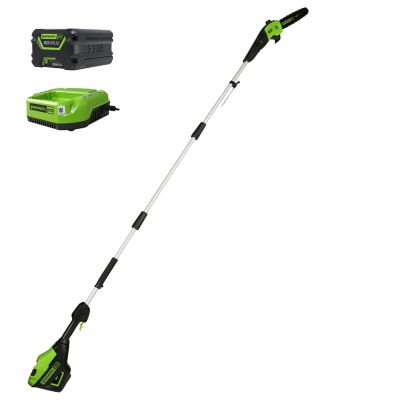
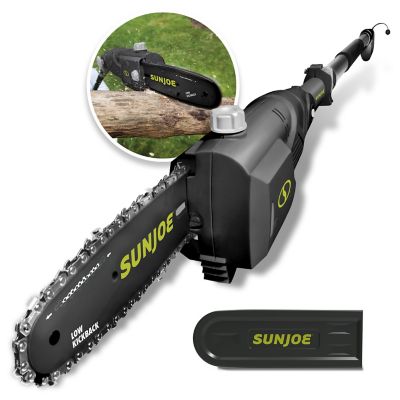
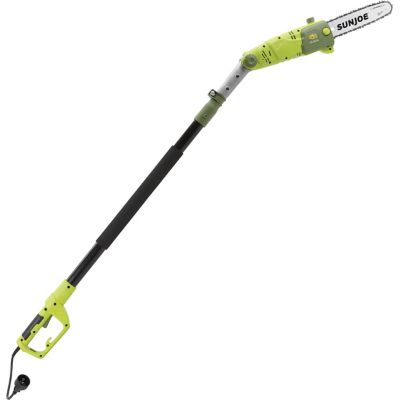
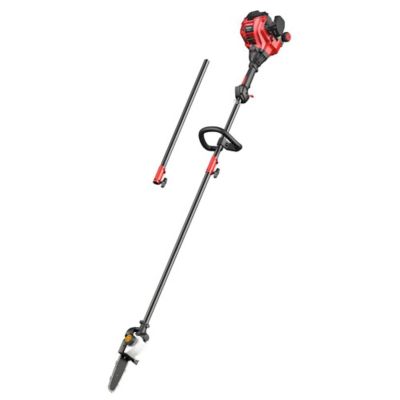
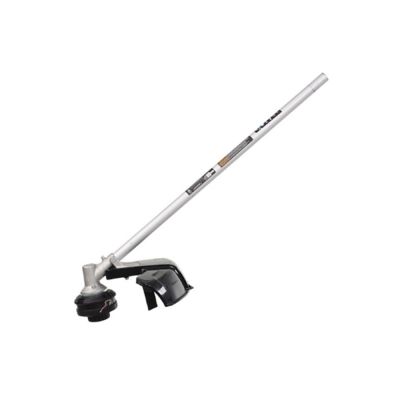
Pole saw attachments make it easier to reach overhead branches without bringing out a ladder or carrying a full-size pole saw. These handy add-ons connect to compatible power heads, including gas-powered and cordless battery-powered systems, and turn equipment you may already use around the property into a high-reach pruning tool. Depending on the setup, a pole saw attachment can provide roughly 7 to 10 feet of reach from the ground, making it useful for trimming low-hanging limbs, removing deadwood, clearing branches away from roofs and driveways, and shaping smaller trees. They are especially helpful on acreage, around barns and outbuildings, and anywhere a ladder would be awkward on uneven ground. During the cooler months, fallen leaves make it easier to see the tree canopy and spot crossing, damaged or dead limbs that need attention. A pole saw attachment can also be a practical gift for a homeowner, landowner or handy family member who already has an attachment-capable power head and enjoys keeping the property in good shape. For other types of outdoor equipment, browse options such as
Aerator Attachments to help match your equipment collection to the work you do around the yard.
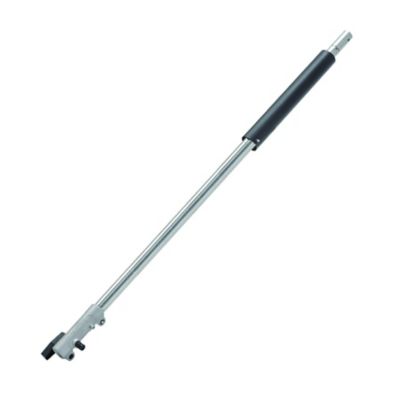
Before choosing a pole saw attachment, start by checking the power head system it fits. Attachments are not automatically interchangeable, and a model made for one attachment platform may not connect safely to another. Look for the correct connection style, shaft diameter and manufacturer compatibility information, then consider whether your power head has enough power for the type of pruning you plan to do. Gas systems can be a solid choice for longer jobs and larger properties, while battery-powered equipment offers quieter operation, easier starting and less routine maintenance. A typical cutting bar measures about 8 to 10 inches, which is well suited for pruning branches several inches thick, though actual cutting capacity depends on the tree species, the condition of the chain and the power of the equipment. Longer bars are not always the best choice for everyday trimming; a compact bar can be easier to control when working among tight branches. Reach is another important detail. A fixed-length shaft works well for lower limbs and routine yard cleanup, while an extension-compatible shaft can help with taller trees and wider-ranging jobs. Extra reach is useful, but more length also adds weight and can make the attachment harder to balance overhead. Think about the height of the limbs you usually trim, the amount of time you will spend holding the tool up, and whether storage space is limited.
A dependable chain and bar are only part of the picture. An automatic oiler helps keep the chain lubricated as it cuts, reducing friction and helping limit premature wear. Check that the oil reservoir is easy to fill and that the chain can be adjusted when needed. A sturdy shaft, comfortable grip and well-placed controls can make a noticeable difference when trimming several trees in one session. Some attachments include a shoulder strap or support harness, which can help take pressure off your arms during longer work. Look for a chain guard or scabbard for safer storage and transport, and remember that pole saw attachments are intended for branches that can be cut from a stable position on the ground. Inspect the area for overhead wires, buildings, fences, vehicles and people before starting, and avoid cutting limbs that are too large for the attachment or that could fall in an unexpected direction. Wear eye protection, hearing protection when appropriate, sturdy footwear and work gloves, and keep the chain sharp and properly tensioned. A pole saw is a useful choice for regular property maintenance, storm cleanup after branches have been safely cleared from the ground, and seasonal pruning that helps keep paths and structures open. With the right fit and a little care, one attachment can add a surprising amount of reach and usefulness to the power equipment already hanging in your shed.