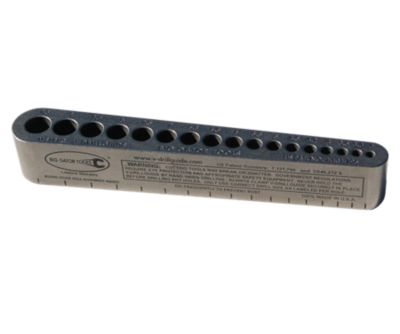
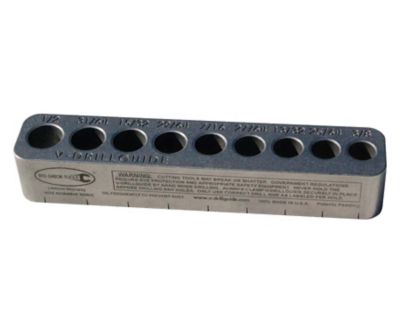
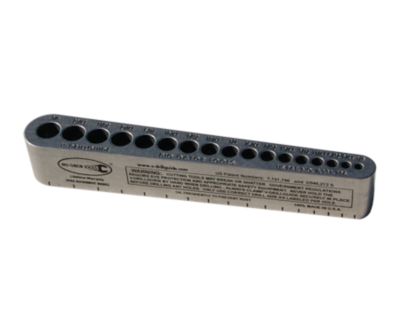
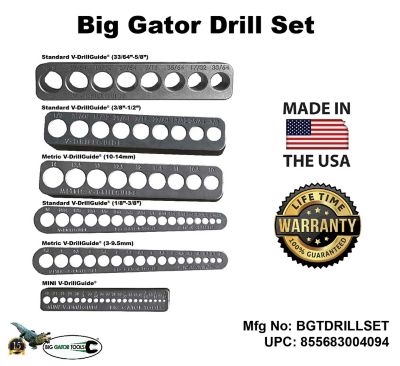
Pocket hole jigs are handy woodworking tools for making strong, tidy joints without needing a full-size shop setup. They guide a drill bit at a controlled angle so you can create pocket holes in one board, then fasten it to another with pocket screws. This makes them useful for building and repairing all kinds of everyday projects, from a simple farmhouse-style bench or garden gate to cabinet faces, shop shelves, chicken-coop storage, worktables and sturdy frames. A pocket hole jig can be especially helpful for folks who enjoy working in a garage, barn, shed or open-air workspace, where a few dependable hand tools often do more work than an oversized collection of equipment. The jig helps keep each hole lined up, which is important when joining boards edge to edge or attaching rails between legs. It also makes it easier to repeat the same cut and drilling pattern across several pieces, saving time when a project calls for a matching set of shelves, multiple drawers or a run of fence panels. When choosing one, consider the range of material thicknesses it can handle, how clearly the size settings are marked and whether the base feels steady when clamped to a workbench. A jig that is simple to adjust and easy to hold in place can make a noticeable difference, especially when working with rough lumber, reclaimed boards or materials that are not perfectly uniform. Look for a setup that matches the fastener sizes you plan to use, and keep in mind that different board thicknesses may call for different screw lengths. A clamp-compatible design can be useful for larger projects, while a compact option may be easier to carry from the workshop to a jobsite or outbuilding.
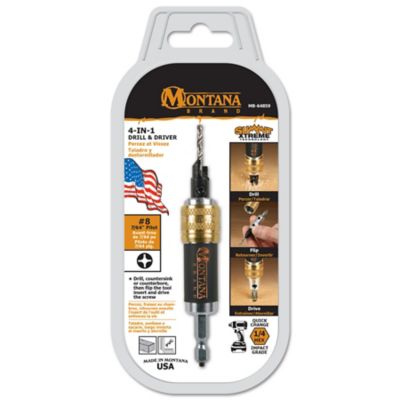
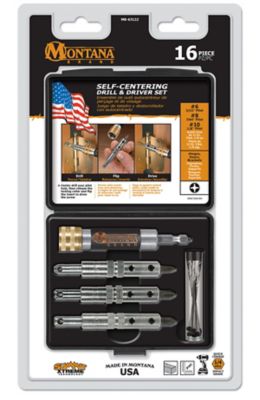
Before drilling, take a little time to inspect the boards and mark where each joint will go. Knots, splits and warped edges can affect how the pieces pull together, so a quick dry fit can save a lot of frustration later. Pocket holes are commonly placed on the hidden side of a project, leaving the visible face clean and ready for sanding, staining or paint. They work well for joining softwood, hardwood and many common furniture boards, provided the bit, screw type and settings are suited to the material. A stepped drill bit is generally used to form the pocket and pilot hole in one pass, while a depth collar helps control how far the bit travels. Keeping the bit sharp and clearing wood chips as you work helps the tool cut cleanly and reduces the chance of tearing the edge of the hole. For additional accuracy during assembly, a square, bar clamp or corner clamp can hold boards in position while the screw is driven. If you are drilling into a narrow edge or close to a finished surface, take care with placement so the screw has enough wood around it without breaking through. A set of
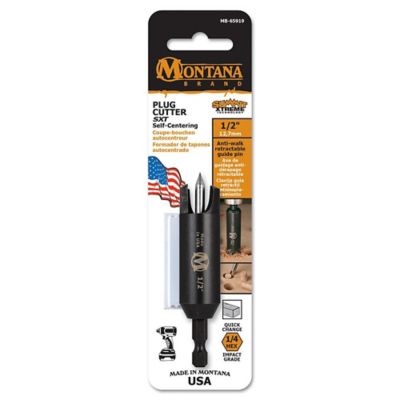
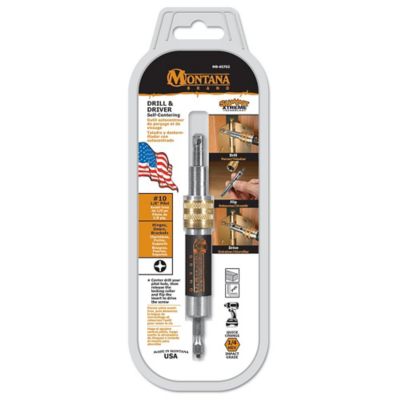
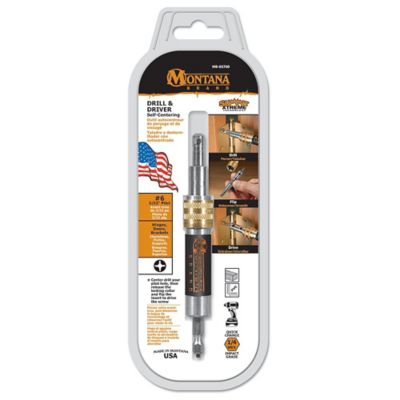
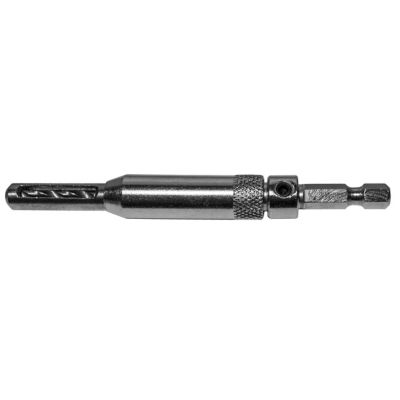
Self Centering Drill Bits can also be useful for related hardware work when hinges, brackets or other fittings need clean, centered pilot holes. As with any power tool accessory, wear eye protection, keep loose clothing away from rotating parts and secure the workpiece before drilling. A pocket hole jig is not a replacement for sound joinery or careful measuring, but it is a practical way to create dependable connections with less fuss and fewer specialty tools.
These jigs can be a thoughtful gift for a hands-on homeowner, beginning woodworker, rancher, hobby farmer or anyone who likes turning a stack of boards into something useful. They fit nicely into a workshop tool collection because they can serve both quick repairs and larger weekend builds. Someone setting up a first garage shop may appreciate a jig for making utility shelves, a mudroom bench or a rolling cart, while an experienced builder may use one to speed up repetitive assembly on cabinets, barn storage or outdoor furniture. They are also useful for maintaining a home or property where a replacement part often needs to be made instead of ordered. A damaged gate rail, loose shed shelf or worn-out workbench brace can sometimes be rebuilt with ordinary lumber and a well-planned pocket hole joint. During the warmer stretch of the year, the tool can move easily between indoor and outdoor projects, whether you are putting together a raised-bed frame, improving porch seating or adding storage near the feed room. During the cooler months, it is just as useful for shop projects made beside a woodstove or under the bright lights of a garage. Before purchasing, think about the kinds of projects you are likely to build, the thicknesses of lumber you commonly keep on hand and whether portability, clamping and adjustability matter most. It is wise to set aside room in the budget for compatible screws, replacement bits, clamps and a small case or organizer so the setup stays ready when a repair comes up. With careful layout and a steady hand, a pocket hole jig can help turn plain boards into square, solid projects that look clean on the outside and hold together through everyday use.