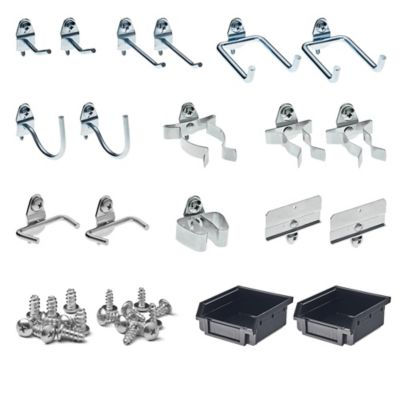
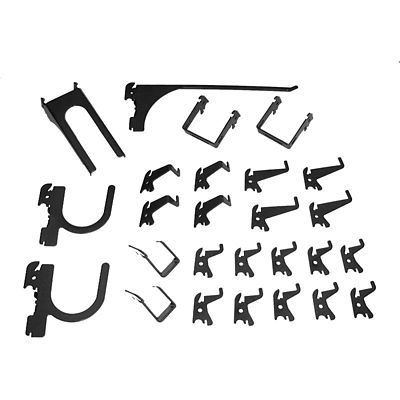
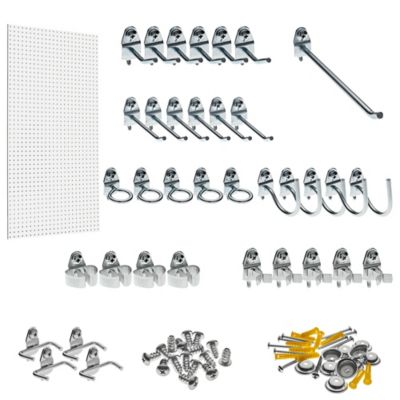
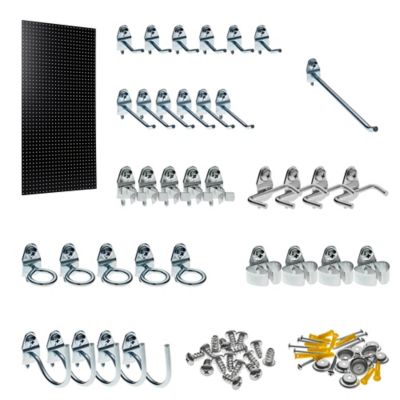
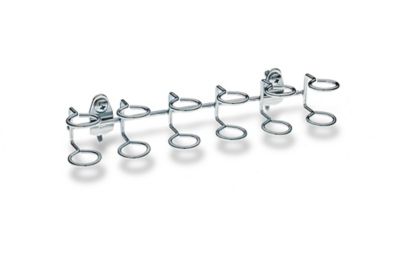
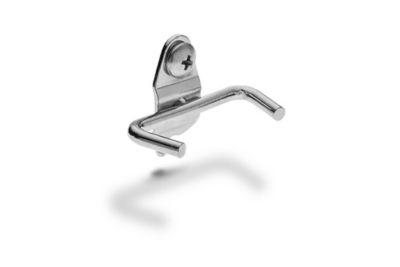
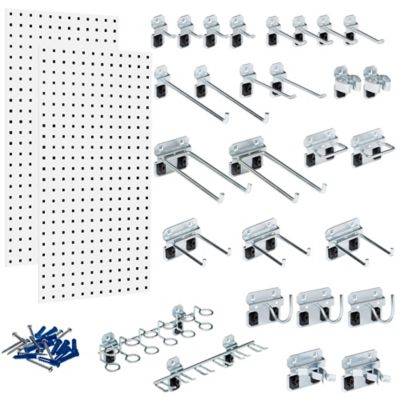
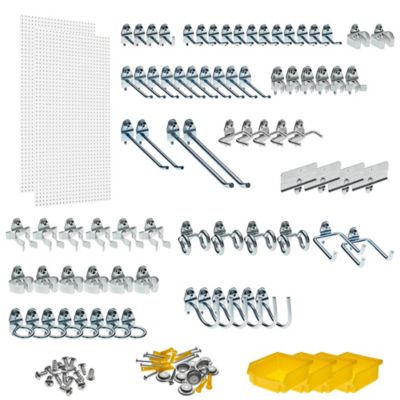
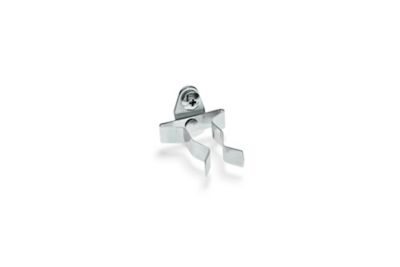
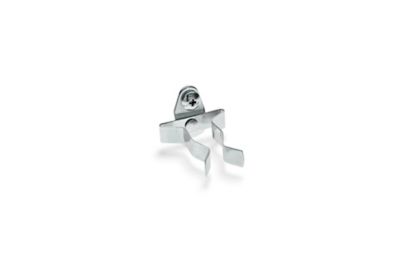
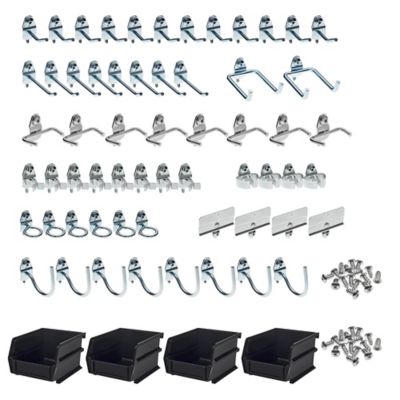
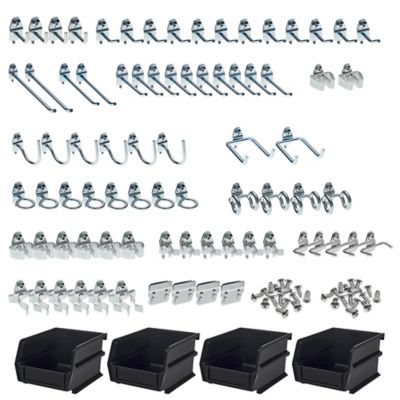
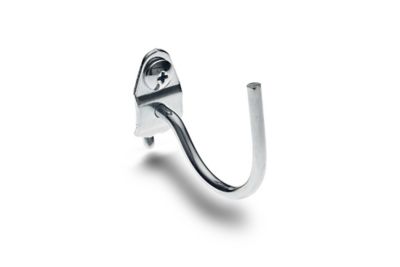
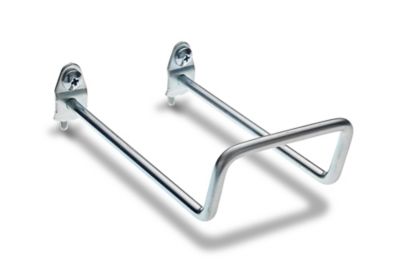
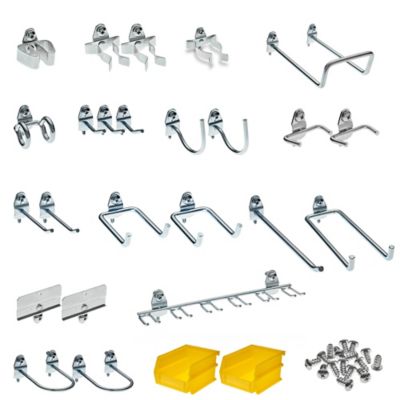
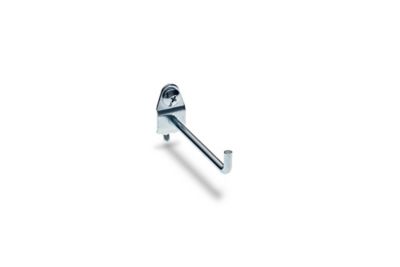
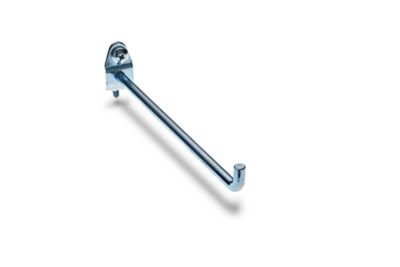
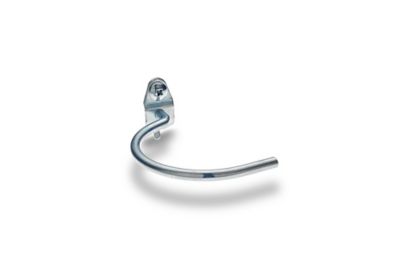
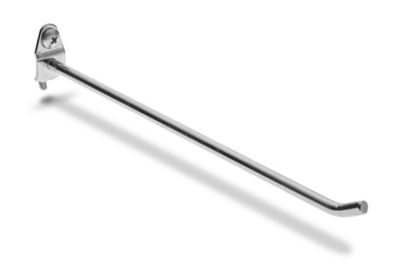
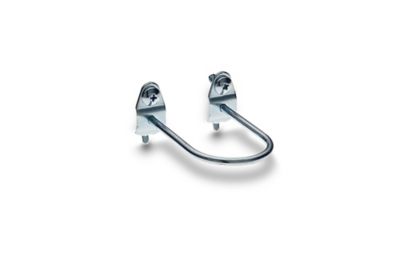
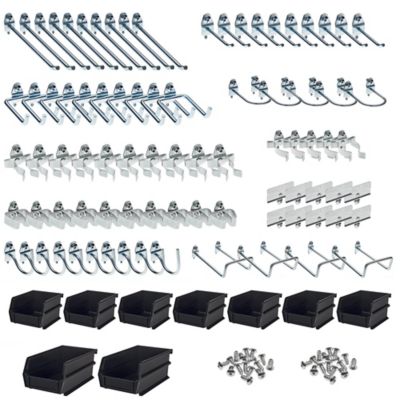
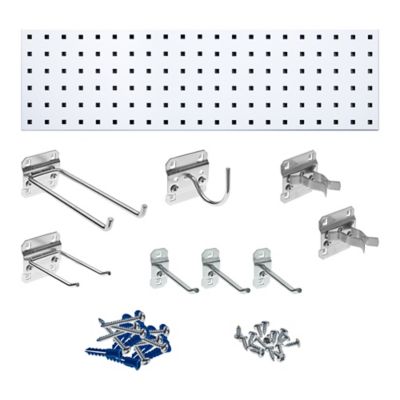
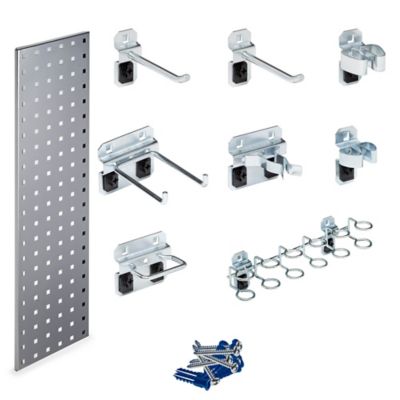
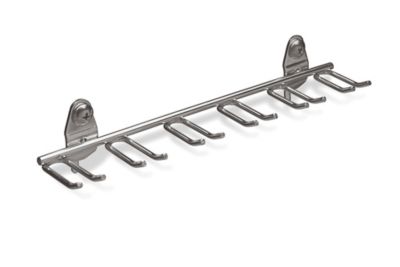
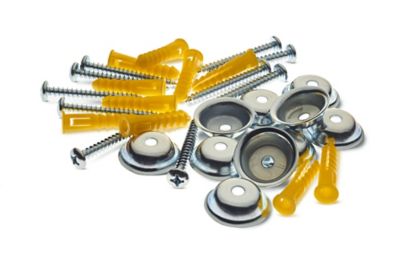
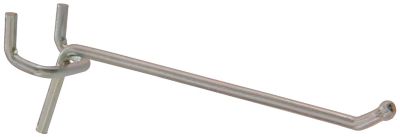
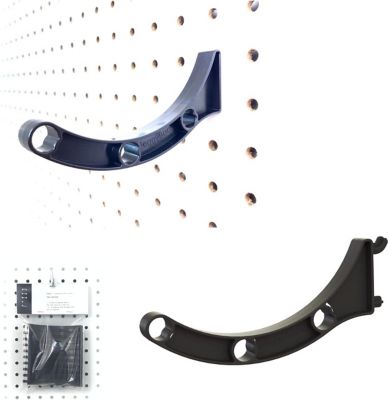
Locking pegboard hooks help keep tools on the wall and the hooks in place when you reach for them. Unlike a plain hook that simply slips into pegboard holes, a locking design adds a retaining feature that resists lifting or pulling free during everyday use. Depending on the design, that feature may be a snap-in tab, a separate keeper clip, a screw-operated expanding anchor, or a twist-lock base. Each works a little differently, but the purpose is the same: keeping the hanger seated while you take down and put away your gear. That matters above a busy workbench, where pulling a wrench off an ordinary hook can bring the hook along with it. It also makes a difference in a farm shop, garage, or barn work area where several people reach for the same equipment throughout the day. A well-arranged pegboard puts frequently needed tools in sight instead of leaving them scattered across the bench or buried in a drawer. Short hooks can keep smaller hanging tools close to the board, while longer hooks provide more room for gear with deeper handles or wider hanging loops. Double-prong styles offer two points of support and can help steady items that tend to tip sideways on a single hook. The right shape depends on how the tool rests, where its weight sits, and how much clearance it needs when lifted off. A locking mechanism helps retain the hook; it does not automatically increase the weight that the pegboard or wall mounting can carry. For a setup that sees regular work, the hook shape, attachment method, and board support all need to suit the job. Whether the space handles fence repairs, equipment upkeep, woodworking, or chores around the house, locking pegboard hooks make it easier to give everyday gear a spot and keep the work surface clear for the task at hand.
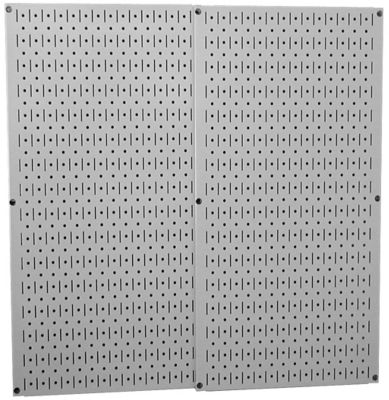
Fit starts with the pegboard itself, not just the tool you plan to hang. Hole diameter, hole spacing, panel thickness, and clearance behind the panel all affect whether a locking hook will seat and operate as intended. Common pegboards have holes described as 1/8 inch or 1/4 inch, but those measurements alone do not establish compatibility. A hook made for one panel thickness or hole pattern may not fasten correctly to another, even when it appears to slip into place. Hardboard, metal, and plastic panels can also call for different attachment details, so the hook’s stated compatibility matters more than a close visual match. Some retainers need space behind the board to engage; others fasten from the front but still require room for their mounting parts. Snap-lock designs rely on tabs or molded features that engage the panel, while expanding-anchor designs tighten an anchor behind it. Separate locking clips can hold compatible wire hooks against the board, and twist-lock arrangements generally depend on a matching base or system. These attachment styles are not interchangeable across every pegboard. Materials deserve a look, too. Steel hooks offer rigid support, and plated or coated finishes can help limit corrosion, though protection varies with the finish and working conditions. Molded plastic hooks avoid metal-to-metal contact and may suit lighter gear, provided their listed load limits fit the task. Smooth bends, covered tips, and intact coatings can help protect handles and hanging loops from scraping. Hook length also changes the way weight acts on the panel: a load hanging farther out creates more leverage than the same load close to the wall. For heavier handheld equipment,
Pegboard Hooks for Power Tools offers a related category to consider alongside the requirements of the tool and board. The hook rating, panel rating, and wall attachment all matter, and no part of the setup should carry more than its stated limit.
A practical pegboard arrangement leaves enough space to grab a handle without knocking into the tool beside it. Above a garage bench, that might mean shorter hooks for frequently reached-for hand tools and wider spacing around awkward handles. In a farm shop, separating equipment by task can keep routine maintenance gear together without crowding the area where parts get set down. Longer hooks can hold more than one compatible hanging item within their stated capacity, but stacking too much on a single hook makes the piece at the back harder to reach. Keeping heavier gear lower on a properly supported panel can make lifting and returning it more manageable, while sharp edges and pointed ends belong where they will not catch a sleeve or meet a passing hand. The lock should engage fully before a load goes on, and a hook that rocks, bends, or will not latch needs attention rather than extra force. A snug locking connection still depends on sound pegboard; swollen hardboard, cracked plastic, or distorted metal around a mounting hole can weaken the hold. Care is straightforward in most work areas. Wipe away dust and grit, dry off moisture, and follow the manufacturer’s cleaning directions for the hook material and finish. In an unheated shed or garage during the cooler months, damp tools and condensation deserve particular attention. Let wet gear dry before hanging it, and check metal hooks for rust or damaged coatings as part of routine shop cleanup. Plastic tabs and keeper clips also benefit from an occasional check for cracks or wear, especially when the layout changes often. Repositioning should follow the release method for the locking design rather than prying against the panel. For someone setting up a first workbench or straightening out a longtime shop, compatible locking hooks can make a practical gift when the board measurements are known. They are a small part of the workspace, but the right fit helps keep gear close at hand, bench space open, and the next repair a little easier to get started.