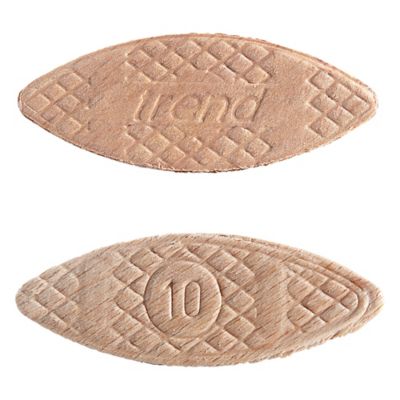
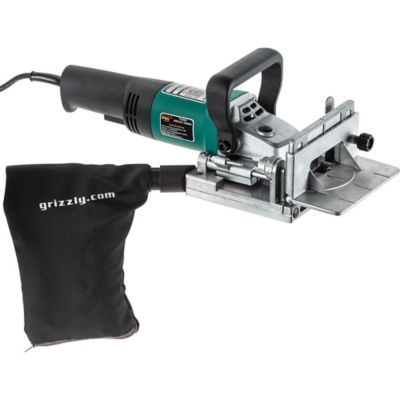
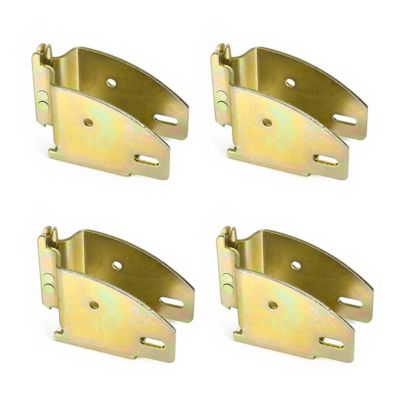
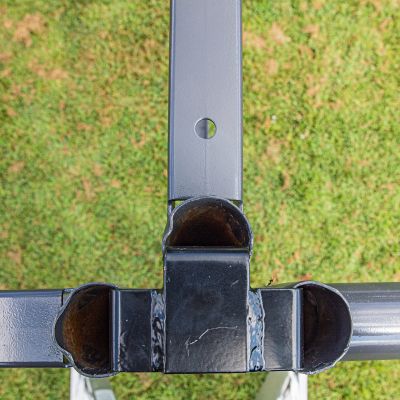
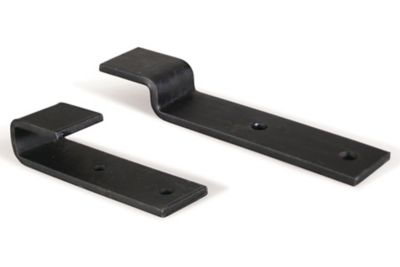
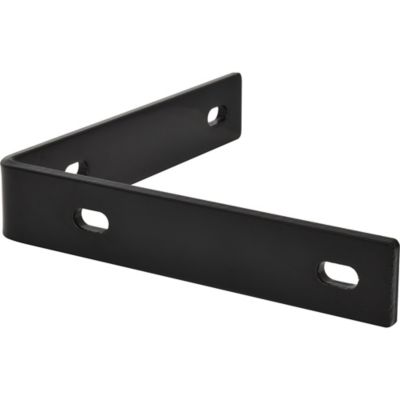
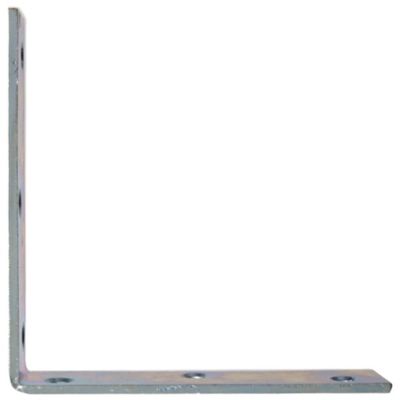
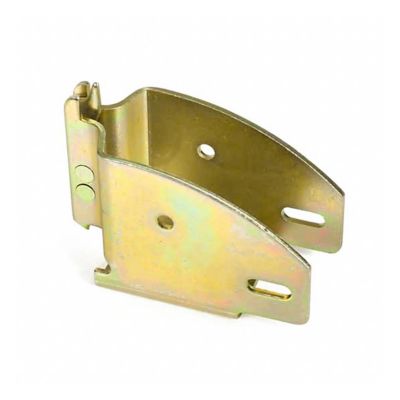
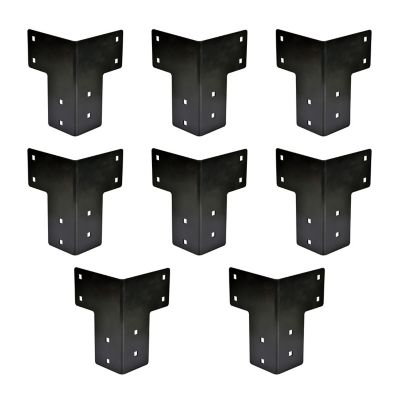
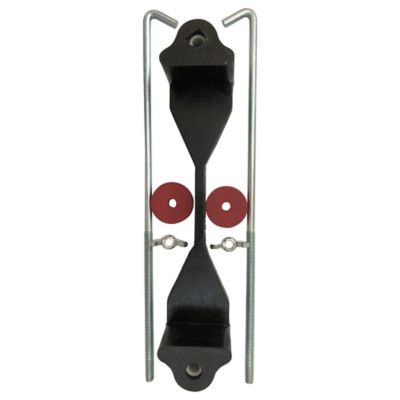
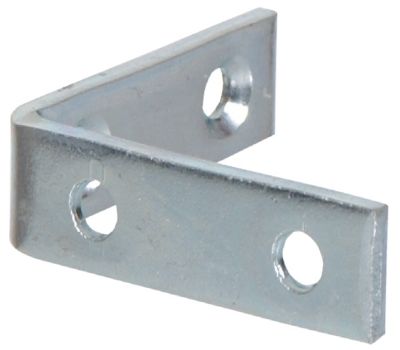
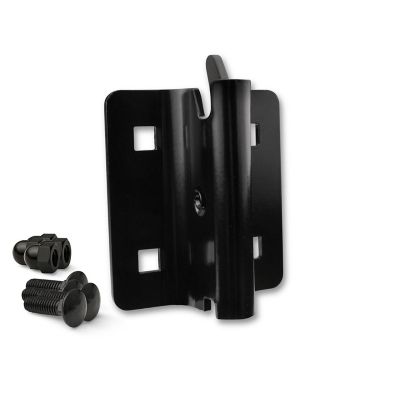
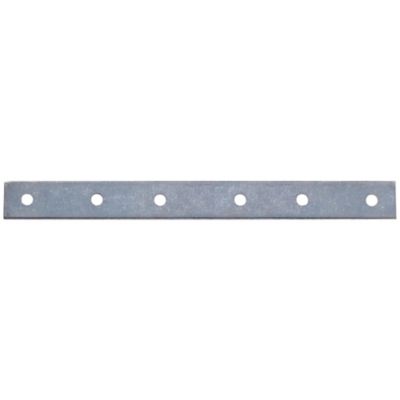
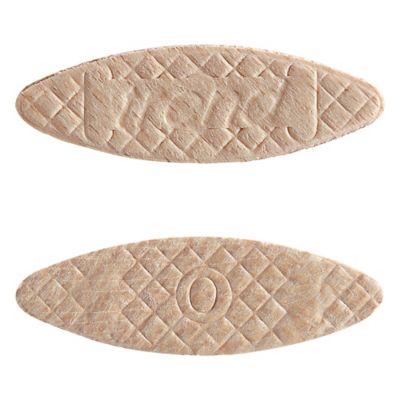
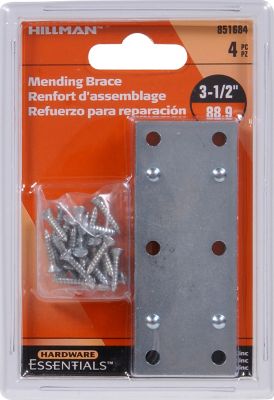
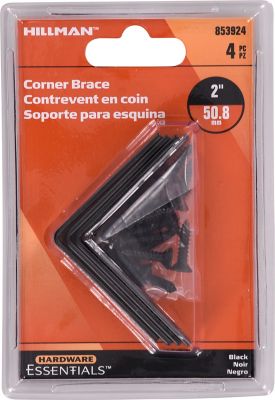
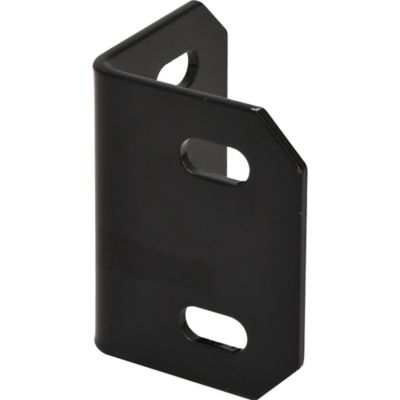
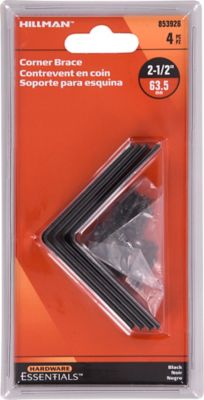
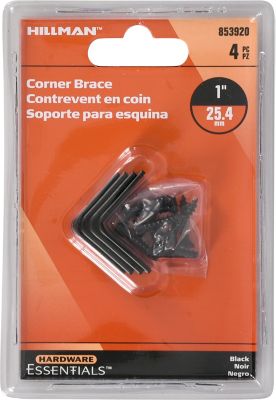
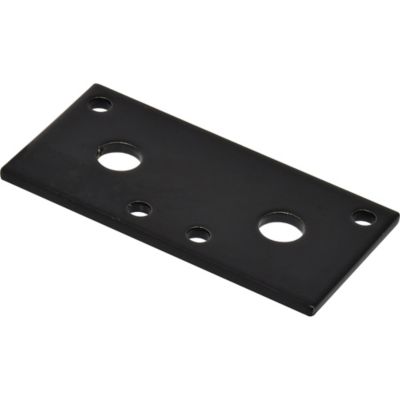
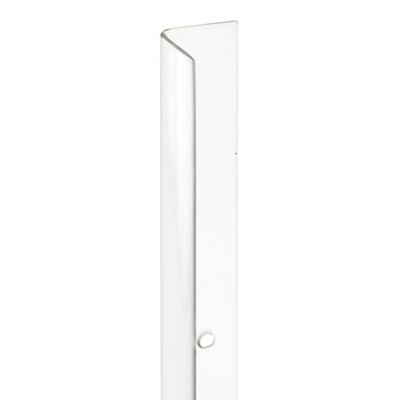
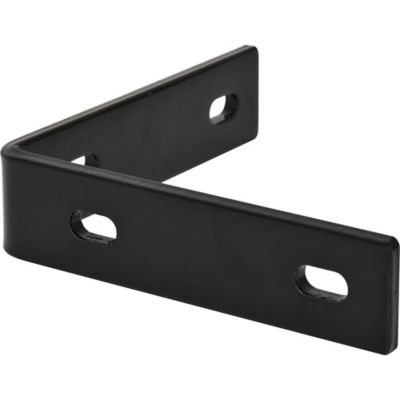
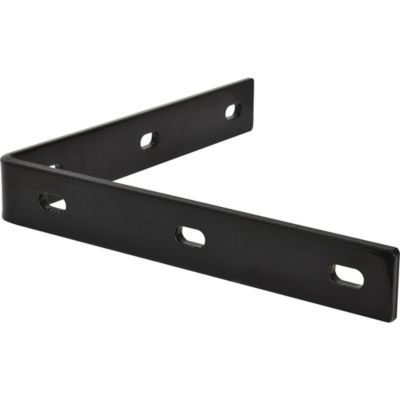
Wood joint connectors are hardware and joining components that hold pieces of lumber, plywood, or other wood panels together, reinforce a connection, or help adjoining parts line up. They can support an assembly without relying on glue alone, though some types work alongside adhesive or traditional joinery. The right style depends on how the pieces meet and what the finished project needs to carry. Corner braces, often called L-brackets, reinforce right-angle connections, such as the junction between a shelf and an upright or a cabinet side and its base. Flat mending plates bridge adjoining pieces on the same plane, while T-shaped plates fit intersections where one member meets another. These surface-mounted options leave the hardware visible and generally allow access to the fasteners for inspection. Concealed wood connectors sit inside recesses, slots, or drilled holes to keep the outside of a project free of exposed brackets. Knock-down fittings suit furniture or storage assemblies that may need to come apart for a move through a narrow doorway. Dowels and loose tenons help align mating pieces and can form strong joints when paired with suitable adhesive, sound material, and proper preparation. Countertop joint connectors serve a different purpose: tensioning hardware beneath the surface draws adjoining sections together across a straight or mitered seam. For a farm shop workbench, a tack-room cabinet, or shelving beside the feed room, these distinctions matter more than simply choosing the largest piece of metal. A brace that steadies a cabinet corner does not automatically have the capacity to support a loaded beam. Structural framing connectors, including joist hangers and post connections, belong to a separate performance category with specified applications and fastening requirements. Matching the connector to the joint helps keep the hardware doing the job it was designed for, whether that means aligning a panel, resisting movement at a corner, or transferring a stated load between framing members.
Materials, dimensions, and fastening details determine how well wood joint connectors fit a project. Steel is common for brackets and plates because it provides strength in a relatively compact shape. Zinc plating, galvanized coatings, and stainless steel offer different levels of corrosion resistance, but their suitability depends on the surrounding conditions and the materials they contact. Pressure-treated lumber deserves particular attention because its treatment chemicals can affect metal hardware. Connector and fastener manufacturers specify compatible coatings and metals; a matching appearance alone does not establish compatibility. Contact with damp wood, cleaning solutions, or livestock waste can also influence the hardware choice in a barn or utility space. Fit starts with the actual dimensions of the wood rather than its nominal lumber name. Bracket width, leg length, plate thickness, hole placement, and clearance around nearby parts all affect whether a connection seats properly. On a narrow shelf rail, a wide plate may put screw holes too close to the edge. Under a countertop, tensioning hardware needs enough material around its recess and enough room for tightening without interfering with a cabinet divider. Concealed fittings likewise depend on the correct drilling pattern and recess depth; small alignment errors can keep two surfaces from meeting flush. Fasteners are part of the connection, not an afterthought. Screw diameter, length, head shape, and thread engagement need to match both the connector and the wood. A screw that reaches through a thin panel creates a different problem from one that barely grips it. General-purpose screws are not automatic substitutes for the nails or connector screws specified for structural hardware. Published load values apply only under the stated installation conditions, which can include lumber species, member size, fastener pattern, and load direction. For decks, lofts, stairs, or other load-bearing construction, the approved plans, applicable building requirements, and manufacturer’s instructions take priority over how sturdy a bracket looks on the shelf.
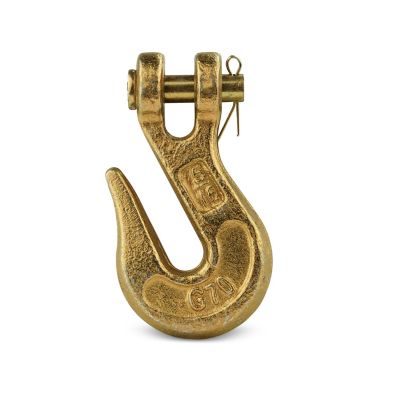
Intended use also shapes the choice between an exposed connection and one tucked out of sight. On a shop bench, accessible brackets make sense when the frame needs periodic inspection or a damaged board may need replacement. In a cabinet where drawers slide close to the sides, projecting hardware can interfere with movement or catch stored gear. Flush or concealed connections can keep those working spaces clear, provided the panel thickness allows the required machining. A freestanding shelf loaded with tools presents different demands from a small cupboard holding gloves and paperwork: downward weight, sideways movement, and repeated opening or closing can stress joints in different ways. Reinforcing one corner does not necessarily stop an entire frame from racking, and a connector cannot restore the holding strength of split, softened, or badly worn wood. Sound material and an assembly suited to the load remain the foundation of a lasting connection. For repairs, existing screw holes, edge damage, and the direction of the wood grain help determine whether fresh fastening locations or replacement lumber are needed. Care is usually straightforward. Visible connections benefit from occasional checks for loose fasteners, spreading seams, bent plates, and corrosion, especially where equipment vibration or repeated handling can work a joint loose. Dirt packed around a bracket can hide damage, while an overdriven screw can crush wood fibers or distort thinner hardware. Tightening should follow the fitting’s instructions rather than the assumption that more force always means a stronger joint. Farmers, woodworkers, maintenance crews, and property owners may all reach for wood joining hardware, but the best match comes from the task rather than the job title. A storage project may involve several separate connections around the same workspace; for chain-to-chain attachment elsewhere on the property,
Heavy Duty Chain Connectors address a different need and are not substitutes for wood fastening hardware. Keeping each connection suited to its material and purpose makes it easier to build shelving, benches, cabinets, and other everyday fixtures that stay firm and remain practical to inspect and maintain.