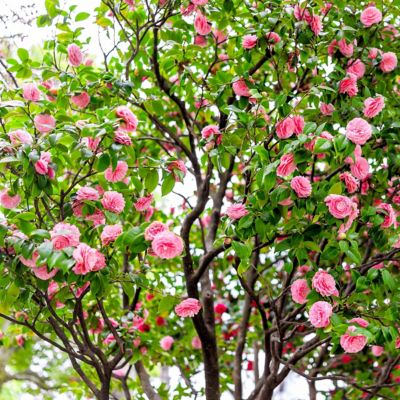
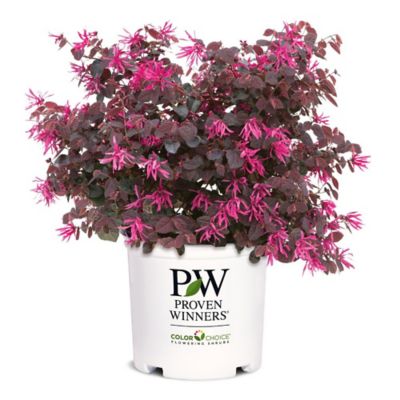
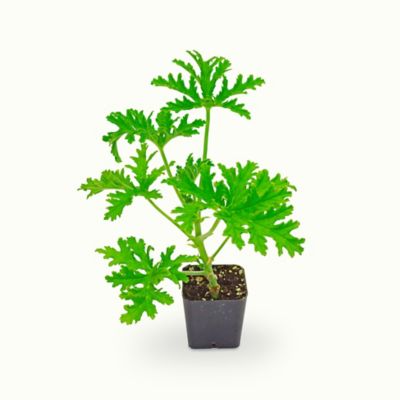
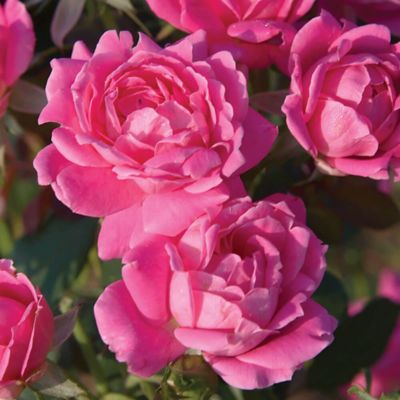
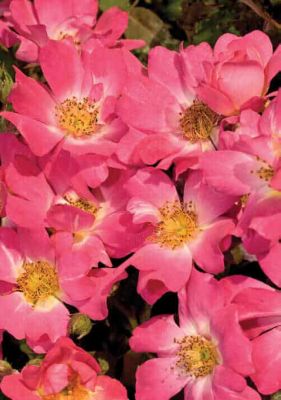
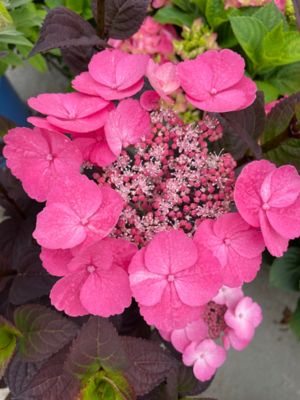
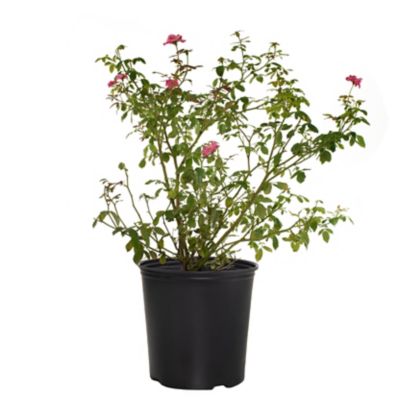
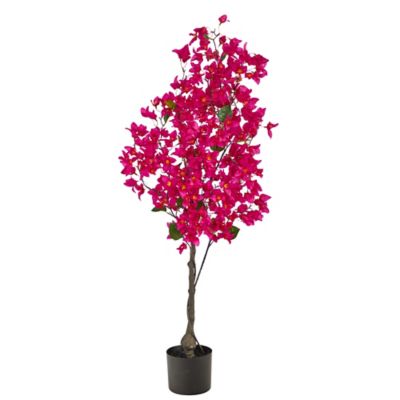
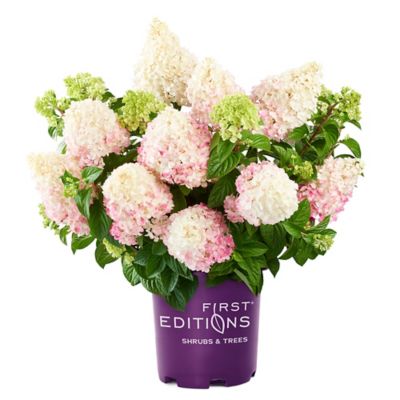
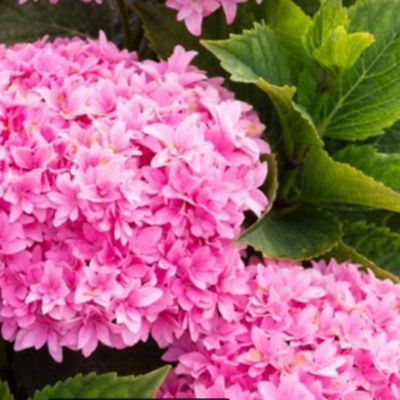
Plants with pink blooms bring a soft, cheerful lift to beds, borders, porches, windowsills and entryways, with shades ranging from pale blush and dusty rose to bright fuchsia. This broad selection can suit many growing spaces, whether you are filling a sunny farmyard bed, adding color around a mailbox, refreshing a patio container or bringing a flowering plant indoors. When choosing, start with the growing conditions where the plant will live. Full-sun locations generally receive at least six hours of direct light, while part-shade spots may receive morning sun followed by shelter from strong afternoon rays. Shadier areas call for plants that can flower with less direct light, while bright rooms and sunny windows can support certain indoor choices. Your USDA hardiness zone and local weather patterns also matter for outdoor planting, especially when selecting plants that will remain in the ground through colder months. Look at the mature height and spread so a small plant has room to fill out without crowding nearby shrubs, walkways or fences. Container plants need pots with drainage openings and enough room for roots to grow, along with a saucer or tray to protect porches and indoor surfaces. A loose, well-drained planting mix helps prevent soggy roots, while garden beds may benefit from compost worked into the soil before planting. Pink flowering plants can serve as a gentle transition between stronger colors, brighten a dark corner, or draw the eye toward a gate, porch step or seating area. Some gardeners group several plants with matching bloom tones for a broad sweep of color, while others pair pink flowers with white, lavender, blue or deep green foliage for contrast. Before bringing a plant home, check its light, water and temperature needs, as well as whether it is intended for indoor or outdoor growing. During the cooler months, outdoor containers may need protection from sharp temperature drops, drying winds and excess moisture. Plants that cannot tolerate frost can often be moved to a sheltered location or indoors, provided they receive suitable light and airflow. A spot with steady morning light is often easier to manage than a hot window with intense afternoon rays.
These plants can be a thoughtful gift for a new homeowner, a gardener setting up a first flower bed, or someone who enjoys tending a porch or sunny room. A flowering plant also makes a welcoming choice for a host, birthday, housewarming or thank-you gift, especially when its care needs match the recipient’s space and routine. For a new gardener, look for an option with clear light and watering needs and pair it with a suitable container, potting mix or simple plant support. More experienced growers may enjoy selecting several flowering plants with different heights and bloom periods to keep color moving through the seasons. After planting, water thoroughly so moisture reaches the root area, then allow the top layer of soil to dry as recommended for that plant before watering again. Frequent light watering can leave roots shallow, while overly wet soil may lead to yellowing leaves or root trouble. A layer of mulch around outdoor plants can help hold soil moisture and reduce weed growth, but keep mulch a short distance from stems to promote good airflow. Spent flowers may be removed when the plant’s care instructions call for it, which can tidy the display and, in some cases, encourage additional flowering. Feed only according to the plant label, since too much fertilizer can produce plenty of foliage without the bloom show you were hoping for. Keep an eye out for curled leaves, chewed foliage, sticky residue or pale growth, and check the undersides of leaves when inspecting plants. Changes in light, water or temperature are often the first things to review when a plant begins to struggle. Pink blooms look especially inviting beside natural wood, stone, galvanized planters and simple garden paths; browse
Pink Garden Accents for coordinating touches that help tie the planting area together. Whether the goal is a small splash of color by the front door, a fuller border along the barn or a flowering accent inside the house, choosing for the site and keeping care practical will help each plant settle in and make the most of its growing season.