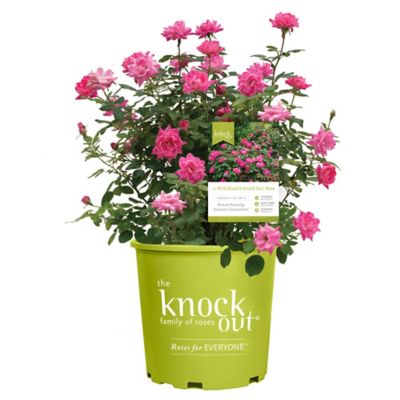
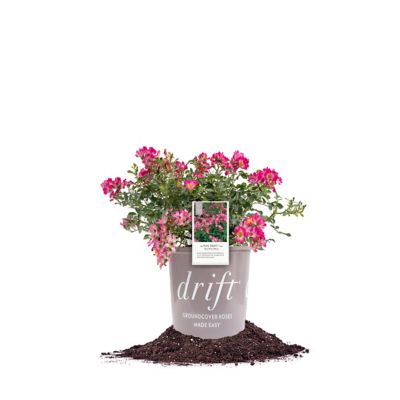
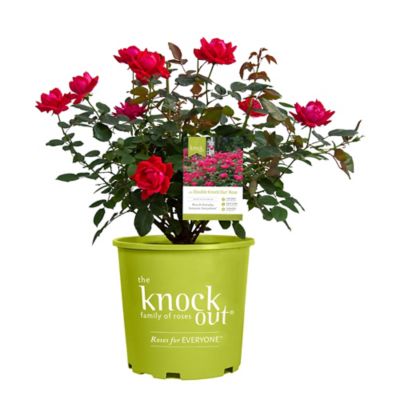
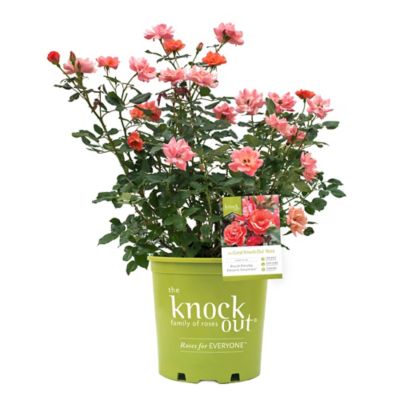
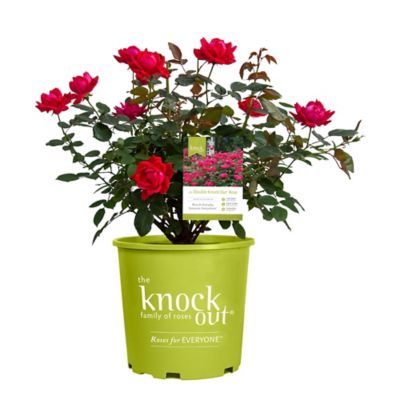
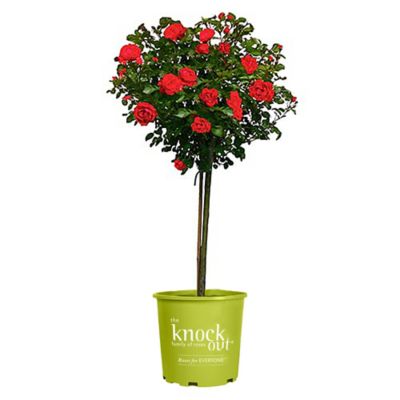
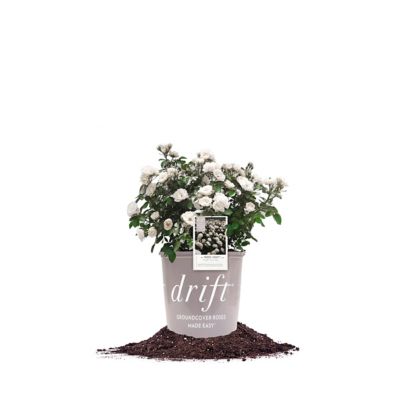
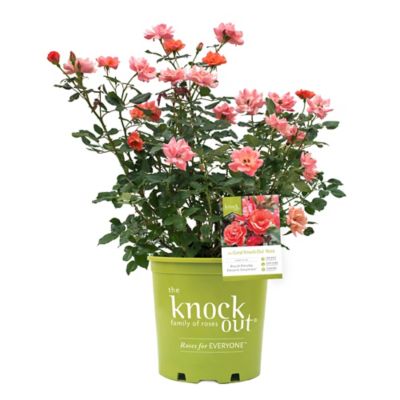
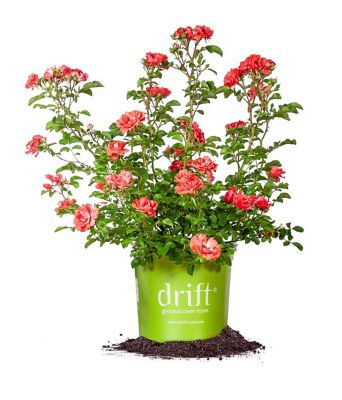
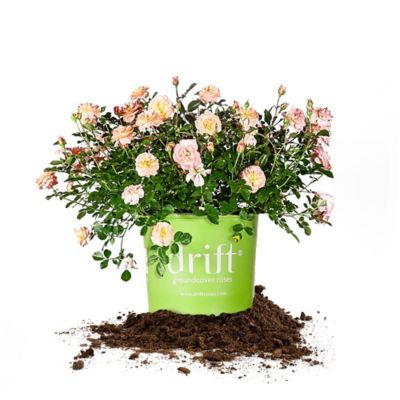
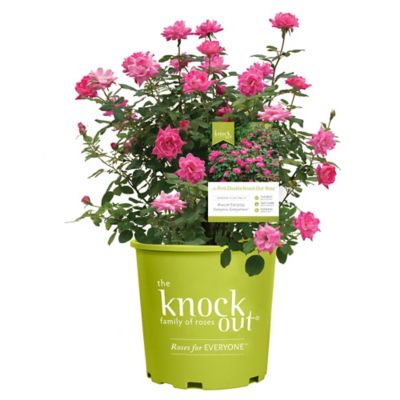
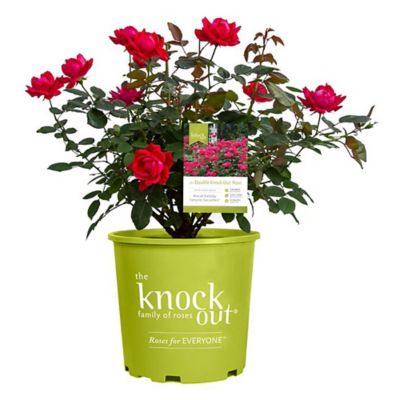
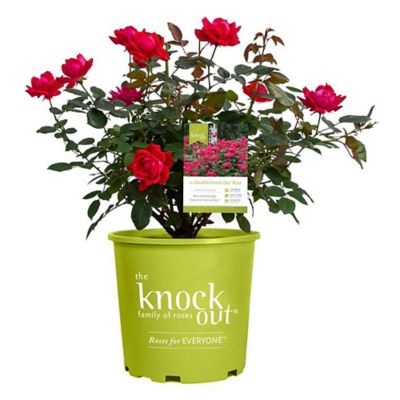
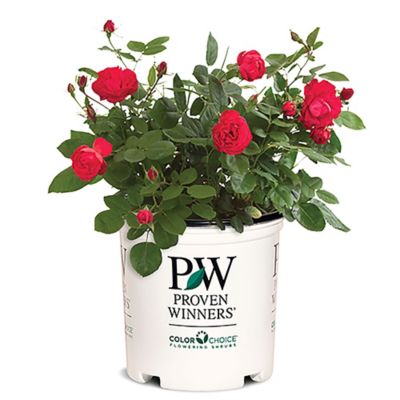
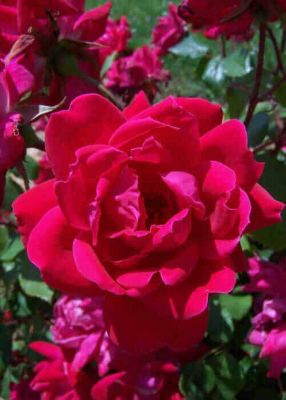
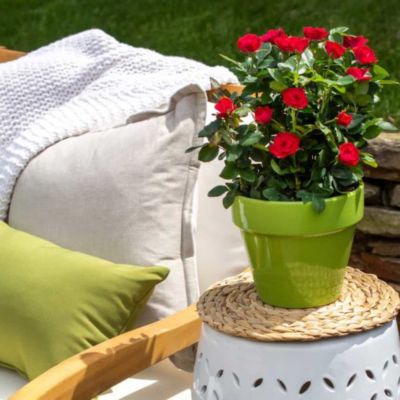
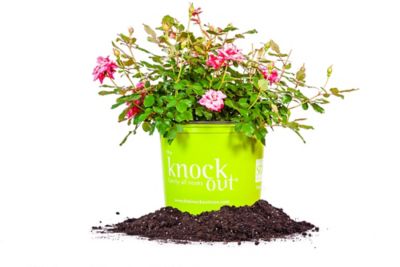
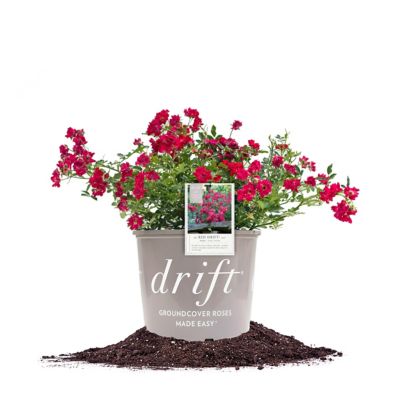
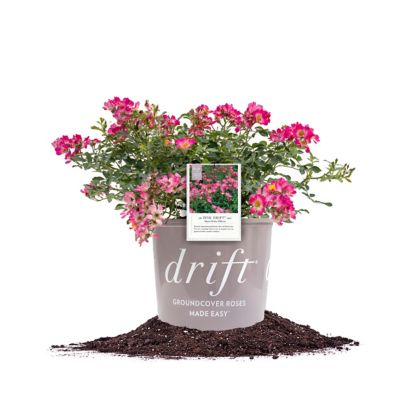
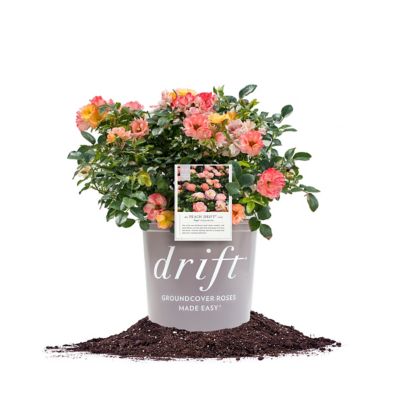
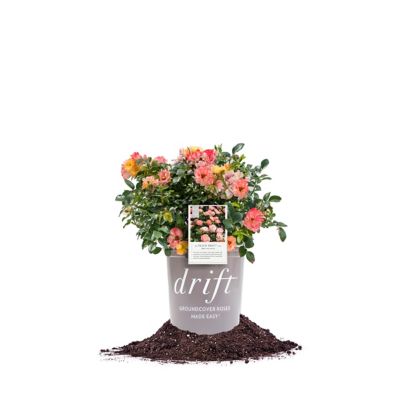
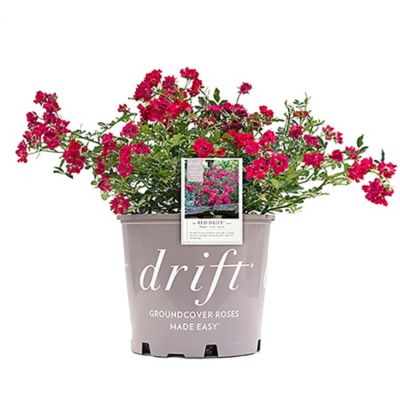
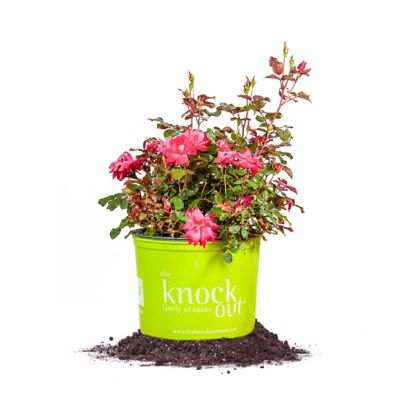
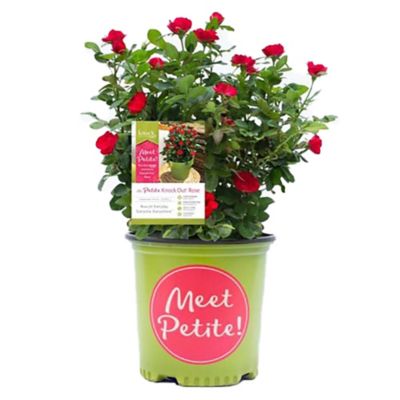
Landscape roses bring the color and character of a traditional rose garden without asking for the constant fuss that older, more formal varieties often require. These hardy shrub and groundcover roses are made for everyday outdoor spaces, including front beds, driveway borders, fence lines, slopes, cottage gardens, and larger foundation plantings. Depending on the variety, they may grow as low, spreading mounds or upright shrubs, giving you plenty of ways to fill an empty patch of ground. Compact groundcover types generally stay around 1 1/2 to 2 feet tall and can spread outward to soften the edge of a walkway or tumble over a low bank. Upright landscape roses may reach about 3 to 4 feet, making them useful for a colorful border or a loose, informal screen. Look for healthy plants with green stems, strong foliage, and a size that fits the space at maturity rather than choosing by bloom color alone. Flower shades range from soft white and blush pink to bright pink, coral, red, and yellow, while single, semi-double, and full blooms each bring a different look to the yard. Many modern landscape roses are bred for repeat flowering from spring through frost, and several are self-cleaning, dropping spent petals on their own instead of requiring constant deadheading. That makes them a practical choice for busy homeowners, beginning gardeners, rural properties, rental homes, and anyone who wants a steady show of color without spending every Saturday tending roses. They can also make a thoughtful housewarming gift, Mother’s Day gift, or present for a friend who enjoys digging in the dirt, especially when the chosen plant suits the recipient’s sunlight, soil, and available garden space.
Before choosing landscape roses, take a good look at the planting spot throughout the day. Most roses perform best in full sun, with at least 6 to 8 hours of direct light, though a little afternoon shade can be helpful in especially hot areas. A sunny fence row that looks plain in the cooler months can become a long ribbon of blooms once the plants settle in, while a raised bed near a porch can offer color close to the house where it is easy to enjoy. Soil should be rich in organic matter and well draining, since roses appreciate steady moisture but do not like sitting in soggy ground. If the soil is heavy clay, work in suitable organic material and consider a raised planting area or a spot with good natural drainage. Leave enough room between plants for mature width and airflow; crowded roses are more likely to struggle with disease and poor circulation. When planting container-grown roses, dig a hole wider than the root ball, set the plant at the proper depth, backfill with the native soil, and water thoroughly to settle the roots. During the warmer growing season, newly planted roses need consistent watering while they become established. Established plants generally do well with deep watering of about 1 inch per week, adjusted for rainfall, soil type, heat, and local conditions. Water near the soil line rather than spraying the leaves, and add a layer of mulch around the base to hold moisture, moderate soil temperatures, and help protect the roots during cooler weather. Keep mulch a few inches away from the main stems so moisture does not stay trapped against the crown. These same planting and care needs are shared by many easygoing shrubs, and nearby options in
Low Maintenance Flowering Shrubs can help round out a mixed border with texture and color.
Landscape roses are generally forgiving, but a little routine care helps them look their best across the growing season and into the cooler months. Watch for yellowing leaves, unusual spots, or insect activity, and remove fallen leaves and plant debris from around the base when needed. Good sunlight, proper spacing, regular watering, and healthy soil are the first line of defense against many common rose problems. A balanced rose or flowering plant fertilizer can support growth when used according to the label, especially in poor soil or after the first flush of spring growth. Avoid pushing tender new growth with excessive fertilizer late in the season, when plants are preparing for cooler conditions. Most modern landscape varieties do not need heavy pruning. In early spring, before new buds swell, remove dead, damaged, or crossing stems and lightly shape the plant to encourage fresh growth and an open form. A few spent blooms can be trimmed away for appearance, although self-cleaning varieties will often drop old petals naturally. When selecting plants for a slope, choose low-spreading forms that can help cover bare soil and reduce the stark look of an open bank. For a long border, repeat the same rose at measured intervals for a tidy rhythm, or combine different heights and bloom colors for a more relaxed country-garden feel. In a small yard, one well-placed shrub can brighten a porch corner without taking over the space. In a larger landscape, grouped plantings create a fuller display and make watering and maintenance easier to manage. Whether you are refreshing an old flower bed, filling a sunny stretch beside the barn, or giving a gardener a living gift that returns with color year after year, landscape roses offer a sturdy, useful way to bring long-lasting blooms and a little everyday beauty home.