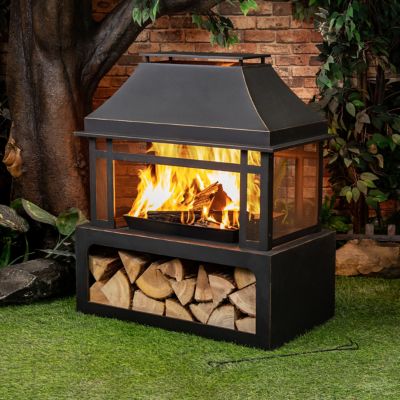
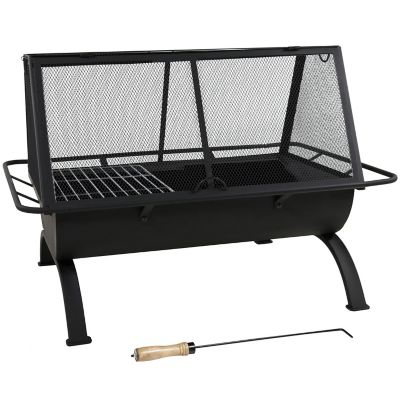
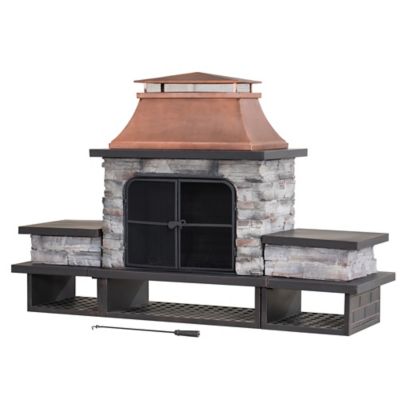
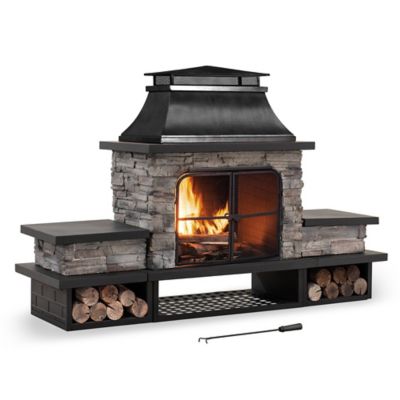
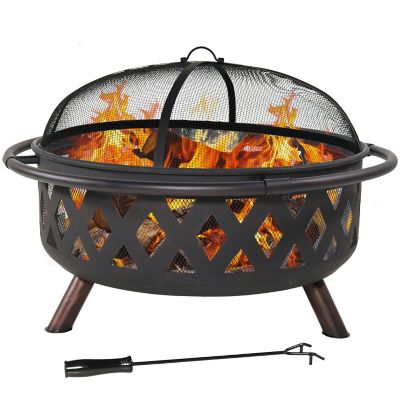
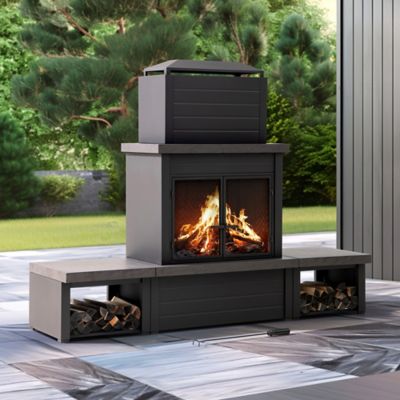
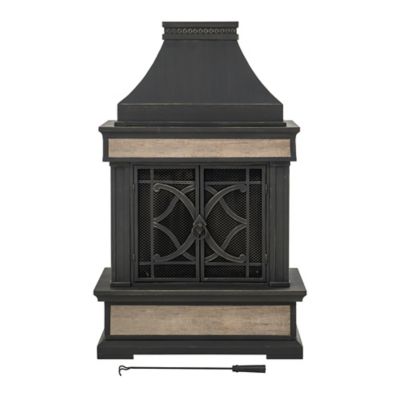
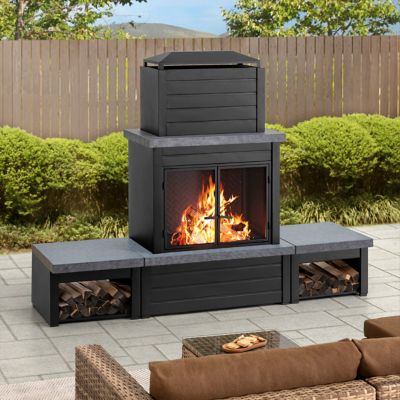
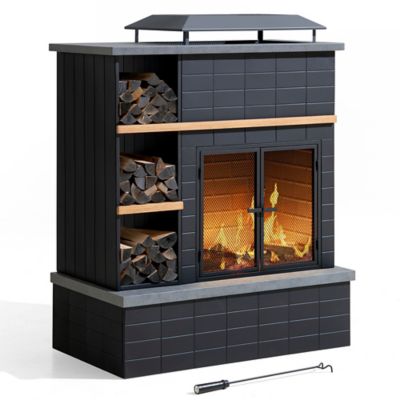
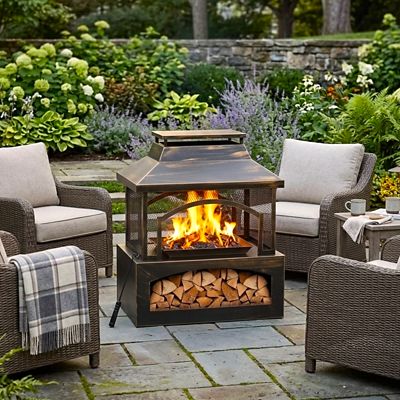
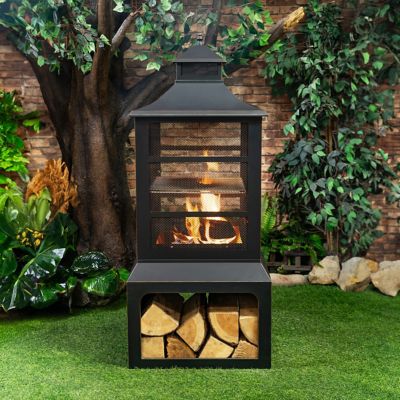
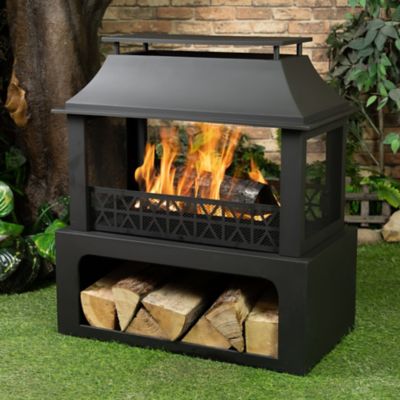
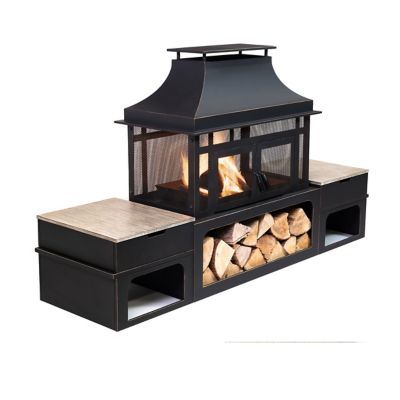
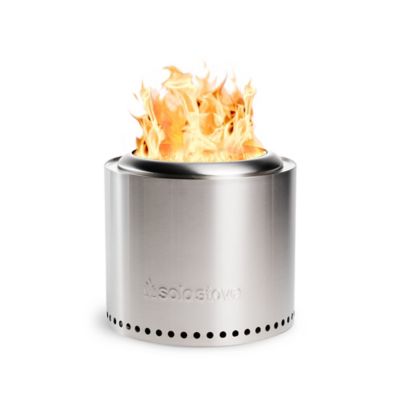
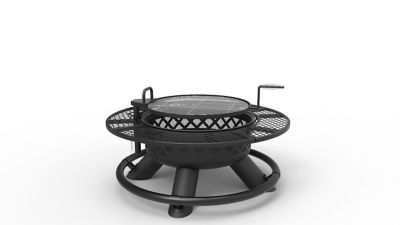
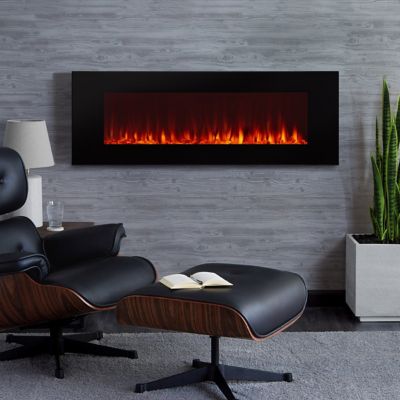
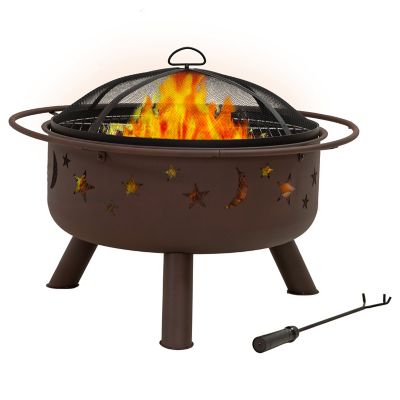
A black outdoor fireplace brings a defined gathering spot to a patio, courtyard, or backyard seating area, pairing a dark finish with the light and movement of a contained fire. Wood-burning designs often have a firebox and chimney that channels smoke upward, while propane or natural gas designs provide flames without handling firewood or clearing wood ash. A chimney does not eliminate smoke, and a gas flame still requires an outdoor setting with proper ventilation. The right choice depends on the fuel source, the space around the fireplace, and how folks plan to gather. Black works alongside brick paths, gravel seating areas, stone walls, and wood furniture without drawing attention away from the fire itself. Straight-sided shapes suit a simple patio arrangement, while arched openings and taller chimney profiles can give a gathering area a more traditional feel. Within the broader range of
Outdoor Fireplaces, black designs offer a grounded look that fits everything from a farmhouse backyard to a small outdoor sitting space. Construction matters as much as appearance. Steel can allow for slimmer profiles, while cast iron generally adds weight and takes longer to heat and cool. Masonry surrounds create a more permanent presence and may call for site preparation or professional installation. A black exterior might be painted metal, powder-coated metal, or another finished surface, so the care requirements depend on the actual material and coating rather than color alone. Heat-resistant finishes belong on the surfaces specified by the manufacturer; a dark coating is not insulation and does not make a hot surface safe to touch. Firebox dimensions, opening height, and the direction the opening faces also affect the experience. A broad opening offers a clear view of the logs, while a deeper chamber may keep more of the fire tucked back from the seating area.
The best fit starts with the full footprint, not just the width of the fireplace body. Chimneys, doors, screens, fuel connections, and required clearances all take up space, and a seating arrangement needs room for people to walk around without brushing against hot metal. Picture a couple of chairs facing the opening, a clear route back to the house, and enough separation that a passing child or pet cannot easily reach the fire. On a working property, the gathering spot also needs separation from hay, feed storage, fuel cans, equipment, and other combustible materials. A level, noncombustible base supports safe placement, but the installation instructions determine what surfaces and protective measures are acceptable for each design. A wood deck, covered porch, pergola, or screened enclosure should never be assumed suitable simply because the fireplace sits outdoors. Overhead clearance and ventilation requirements deserve the same attention as the ground beneath it. Wood-burning fireplaces suit people who enjoy tending logs, hearing the crackle, and watching a fire change as it burns. Seasoned firewood supports better burning than damp logs, and the firebox dimensions determine the appropriate log size and fuel load. An ember screen can help limit escaping sparks, but it does not replace clearances, supervision, or local fire restrictions. Gas fireplaces suit gatherings where lighting and flame adjustment matter more than tending a wood fire. Propane tank placement, hose routing, and access to the shutoff affect the layout; natural gas connections generally call for a qualified installer. Gas types are not interchangeable unless the appliance is specifically approved for conversion. Controls should remain easy to reach, and any tank enclosure must follow the appliance requirements. Neither fuel type makes an outdoor fireplace suitable for indoor heating, and both require an attentive adult nearby whenever flames are burning. Keeping an appropriate fire extinguisher within reach adds another practical safeguard.
Long-term upkeep is part of choosing a black outdoor fireplace, especially when the goal is a gathering place that stays inviting between fires. Dark finishes can make ash, dust, and pale water marks noticeable, so simple cleaning often does more for the appearance than heavy scrubbing. A soft cloth or brush and the cleaning method listed in the manual help protect the finish; abrasive pads and harsh cleaners can leave marks or damage protective coatings. After a wood fire, ash removal belongs on the care list, but only once everything has cooled completely. Ashes can conceal hot embers, so they belong in a metal container with a tight-fitting lid, kept outside on a noncombustible surface away from buildings and anything that can burn. Chimneys and flues also need inspection and cleaning at the intervals specified for the appliance and its operation. For gas designs, burner openings, ignition components, and fuel connections need the checks outlined by the manufacturer, with repairs left to qualified help when needed. A properly fitted cover can help keep the firebox cleaner between gatherings, provided the fireplace is fully cool and dry before covering. Chips, rust spots, loose fasteners, and damaged screens are worth addressing early with approved parts or treatments rather than letting a small problem grow. Weight matters here, too: a heavy fireplace may suit a settled patio layout, while any design intended for repositioning still needs a safe location each time and must be completely cool before moving. For a household that enjoys sitting outside after chores or inviting neighbors over for an evening visit, those everyday details matter more than an elaborate setup. A fireplace can also make a thoughtful gift for someone with an established outdoor seating area, though space, fuel preference, installation needs, and local rules should be confirmed first. The most satisfying arrangement leaves room for conversation, keeps fire tending straightforward, and gives the black fireplace a clear place in the yard without crowding the people gathered around it.