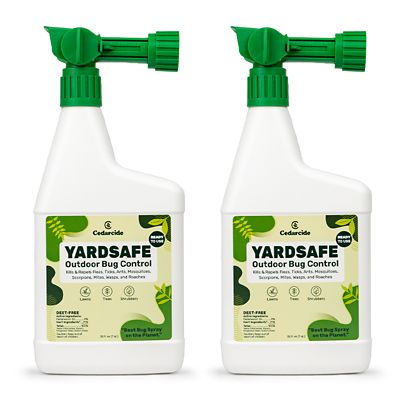
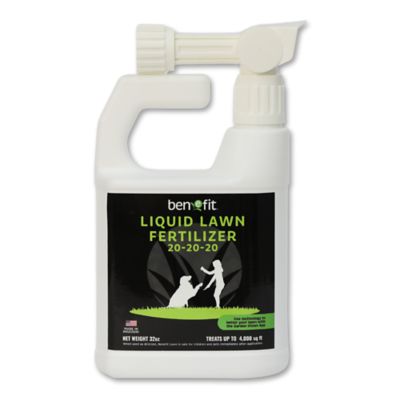
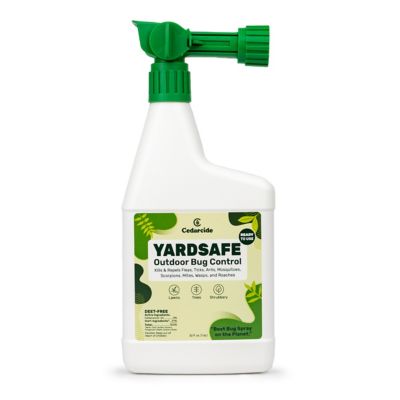
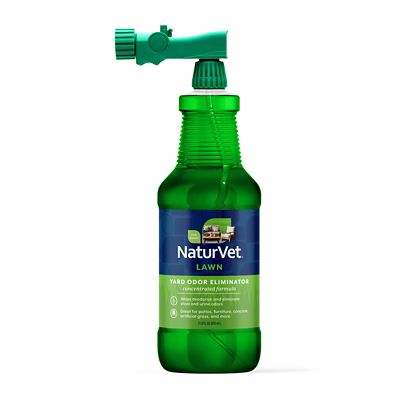
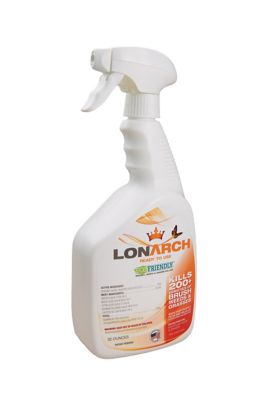
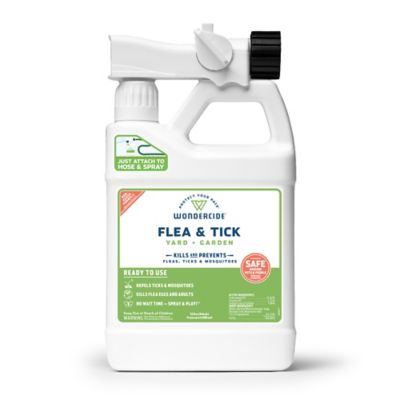
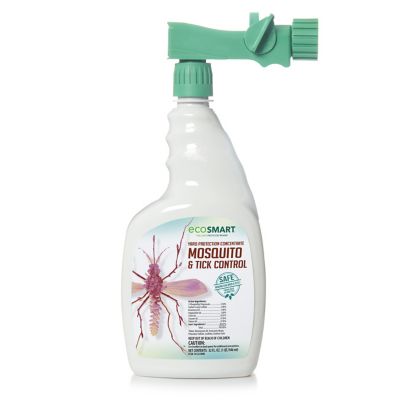
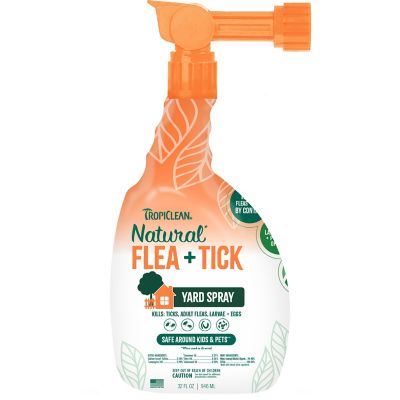
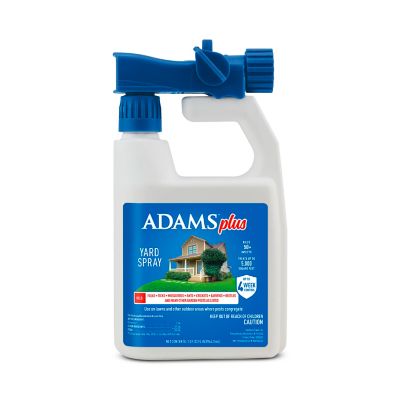
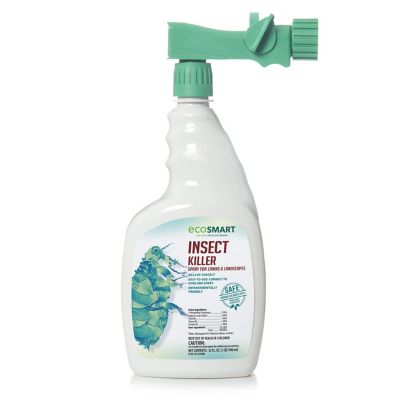
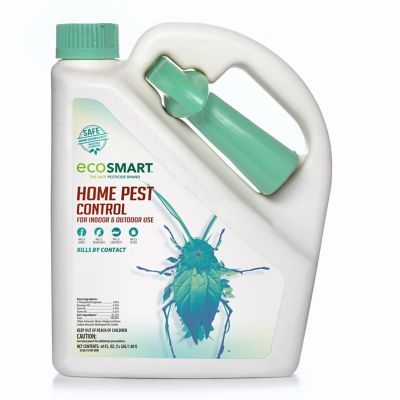
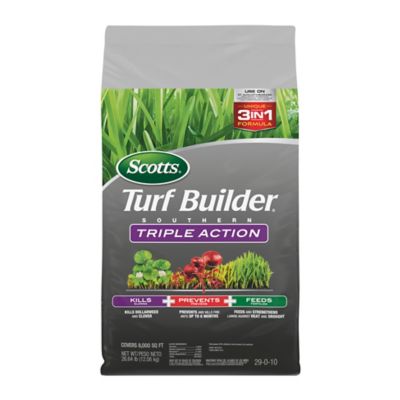
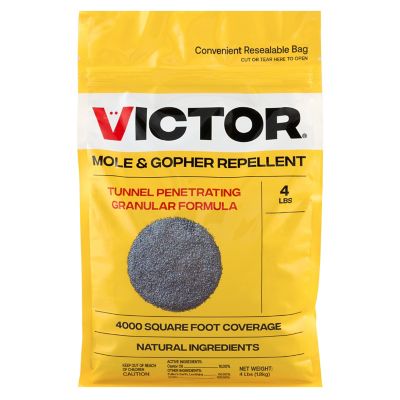
Pet-friendly lawn care starts with choosing products and routines that fit both the grass and the animals that spend time on it. Families with dogs, cats, rabbits, and other outdoor companions often look for lawn treatments that support healthy growth while limiting contact with harsh ingredients. Read every label before applying a fertilizer, weed treatment, seed coating, or pest product, and follow the directions for mixing, spreading, watering, and reentry. Keep pets indoors or in another part of the yard during application, and do not let them return until the treated area has been watered as directed and is fully dry. Granular treatments generally need to be watered into the soil so loose particles do not remain on the blades of grass, while liquid treatments should dry completely before paws touch the lawn. A simple gate, leash, or temporary exercise area can make this waiting period easier, especially for a dog that heads straight for the back door whenever it sees a collar. Store lawn products in a closed, dry place away from feed, toys, and pet bedding, and keep bags, measuring tools, and empty containers out of reach. During the cooler months, pay attention to leaves, standing water, and damp corners where insects may gather. For additional help with managing outdoor pests around animals, visit
Pet Safe Pest Control.
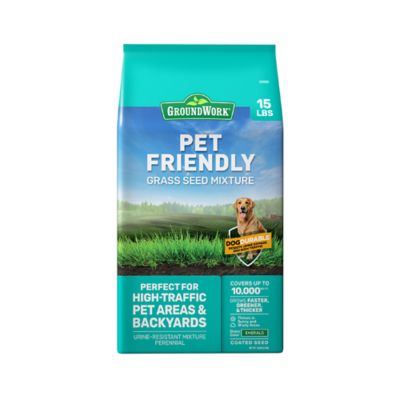
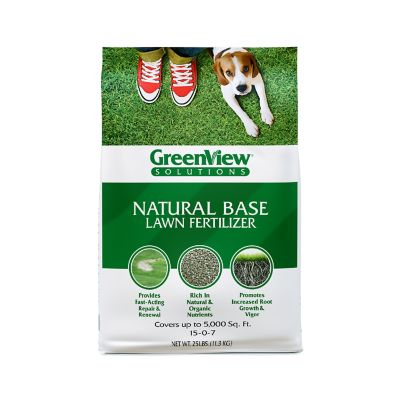
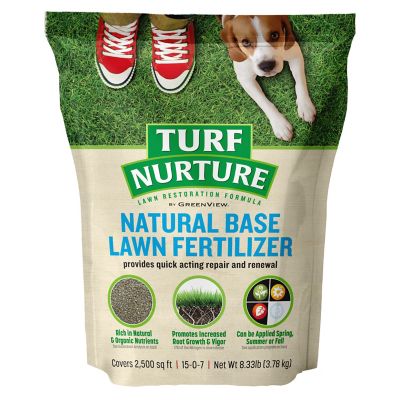
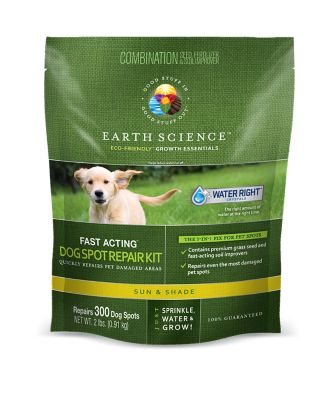
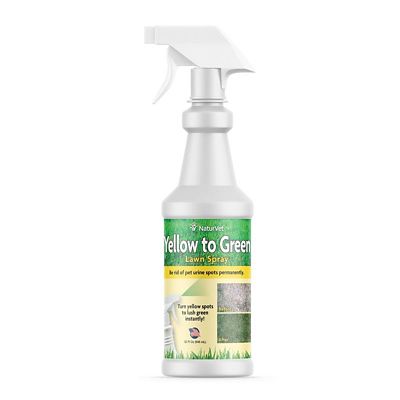
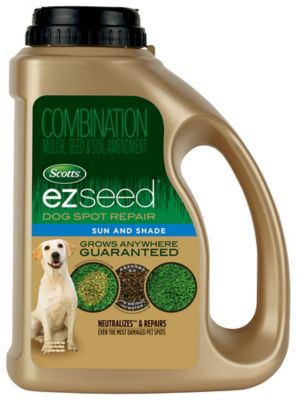
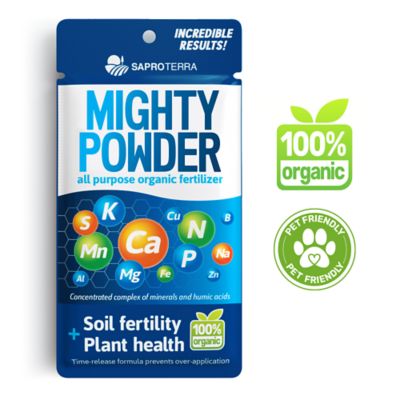
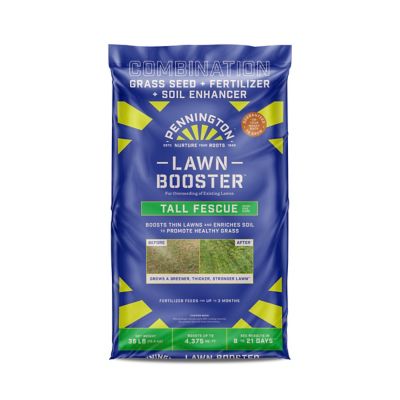
The right lawn products can help with common yard concerns, including thin grass, bare patches, weeds, insect activity, and yellow spots caused by pet urine. Seed mixes made for active lawns can fill in worn paths near gates, water bowls, and favorite fetch routes, while a light layer of soil or compost can help protect seed as it begins to sprout. Keep pets away from newly seeded areas until the grass has taken root and can handle regular foot traffic. When selecting fertilizer, consider the season, the grass type, the condition of the soil, and the needs of your household. Plant-based or naturally derived formulas may appeal to shoppers who prefer a simpler lawn routine, but natural ingredients still require careful handling and should always be applied according to the label. Avoid spreading more product than the lawn needs; extra fertilizer can wash toward drains, ponds, or low spots and may create problems for pets and wildlife. Pet urine spots can often be helped by pouring water over the area soon after the pet goes, which dilutes concentrated nitrogen and gives the surrounding grass a better chance to recover. Training a dog to use a gravel strip, mulched corner, or other designated area can also reduce repeated damage in one section of turf. During early fall, cool nights and occasional rain can make it a good time to repair thin areas and encourage root growth. As colder weather approaches, mow at the recommended height for the grass, clear heavy leaf cover, and avoid walking on frozen turf when possible, since brittle blades and compacted soil may take longer to bounce back when the weather warms.
Pet-friendly lawn care products can be useful for new homeowners, families bringing home a puppy, gardeners preparing a play area, or anyone giving a thoughtful present to a pet owner who takes pride in the yard. A lawn care gift does not have to be complicated: seed for bare patches, a handheld spreader, soil amendments, a watering tool, or a simple storage solution can help someone care for the place where pets run, roll, and nap in the sun. Before choosing, think about the recipient’s grass type, yard size, climate, pets, and preferred approach to lawn maintenance. A household with a curious puppy may need extra attention to application windows and storage, while a home with an older dog may benefit from a softer, even surface with fewer holes and muddy spots. Homes with cats or small animals may need tighter control of access to treated areas, as well as careful attention to puddles and runoff. Keep product labels available for reference, measure applications rather than scattering them by guesswork, and check the forecast so rain does not carry a treatment away before it has time to work. Water deeply when the label calls for it, but avoid creating standing water that can attract insects or leave muddy paw prints across the house. With a steady routine, thoughtful product selection, and a little patience while treatments dry or seed takes root, a lawn can remain a comfortable place for pets and people through the changing seasons.