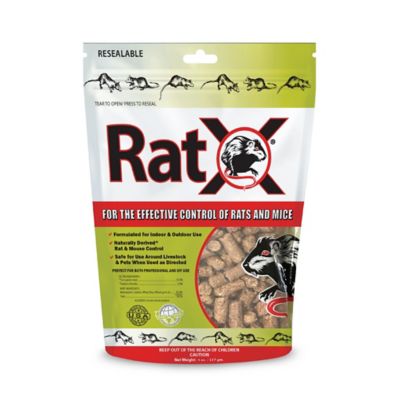
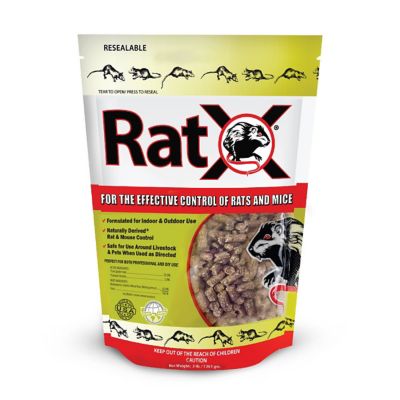
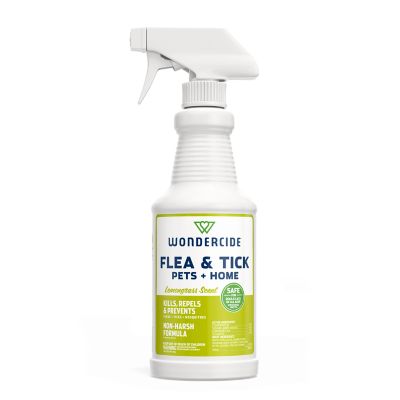
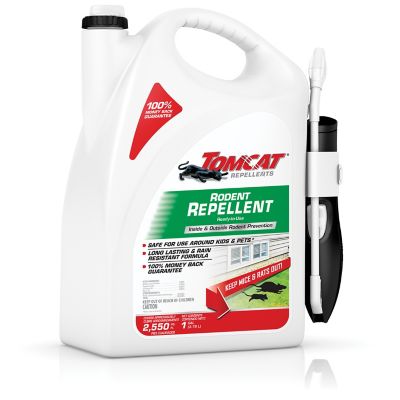
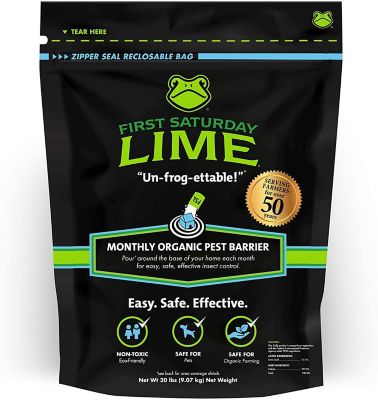
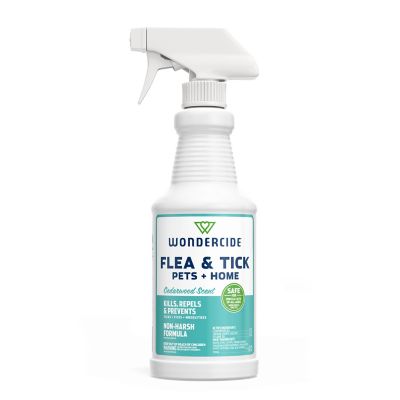
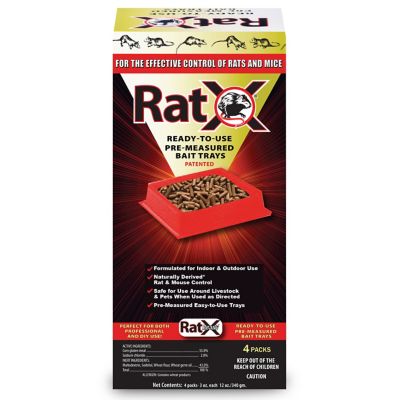
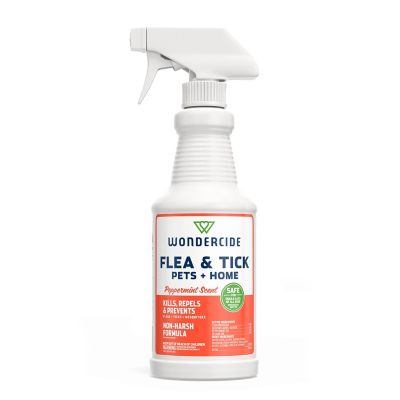
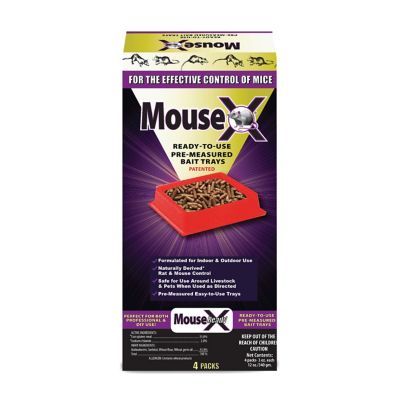
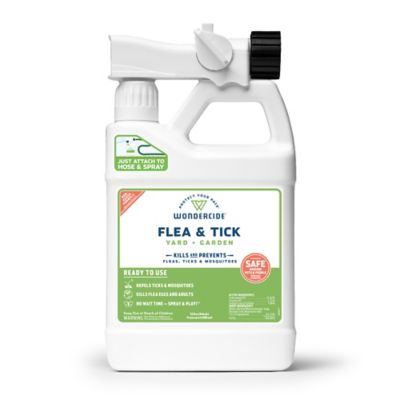
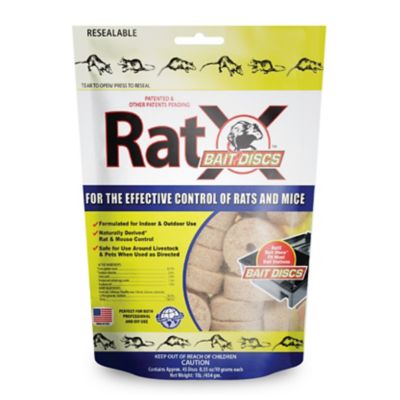
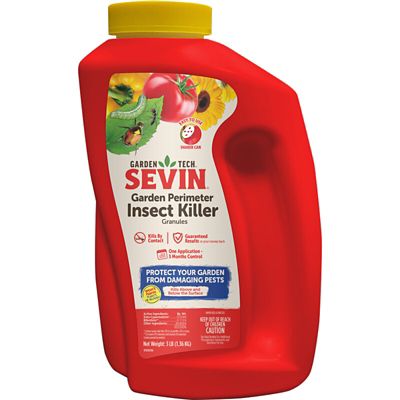
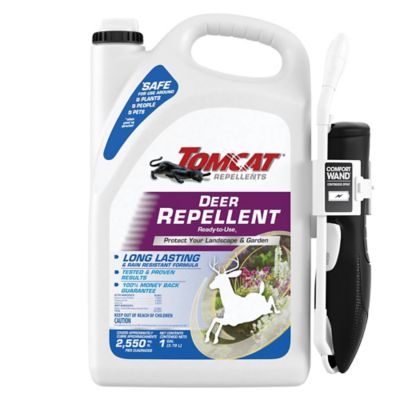
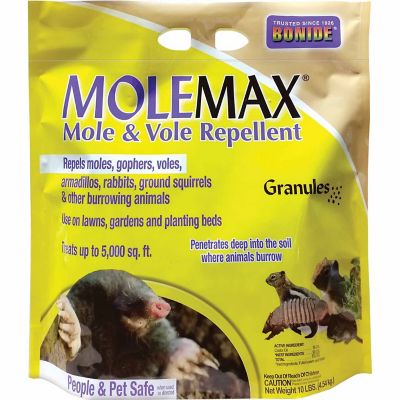
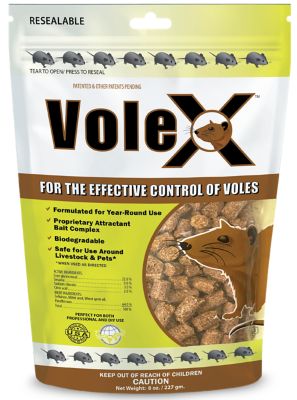
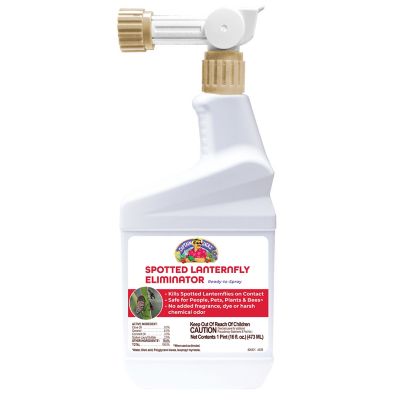
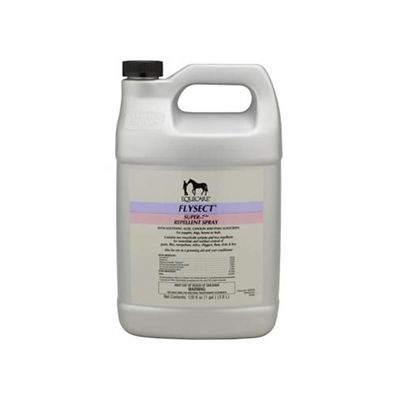
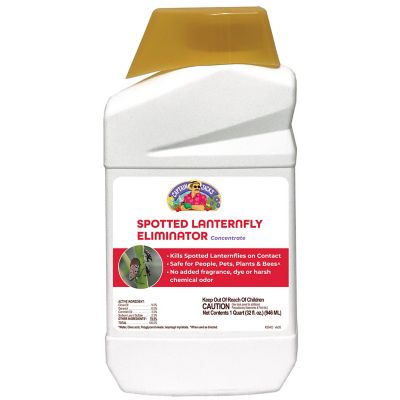
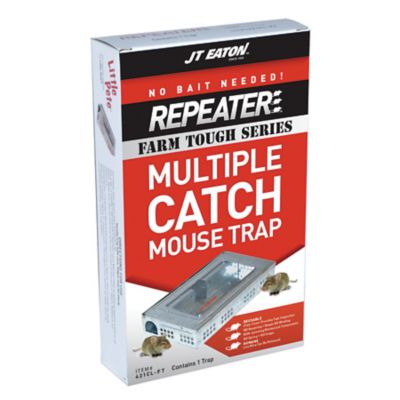
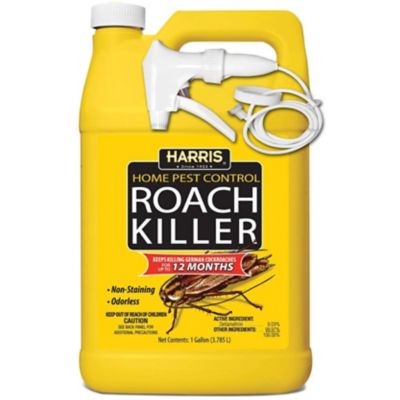
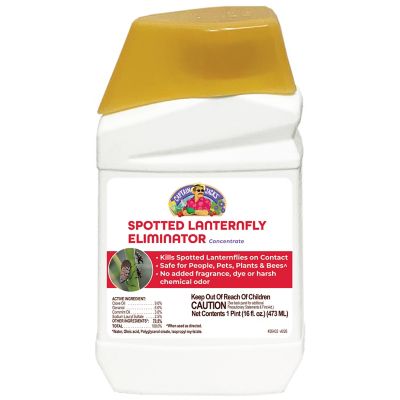
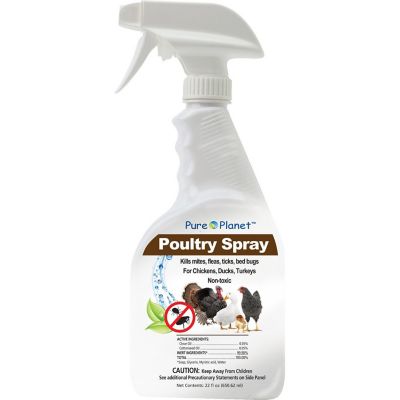
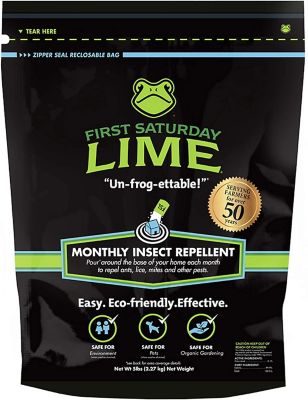
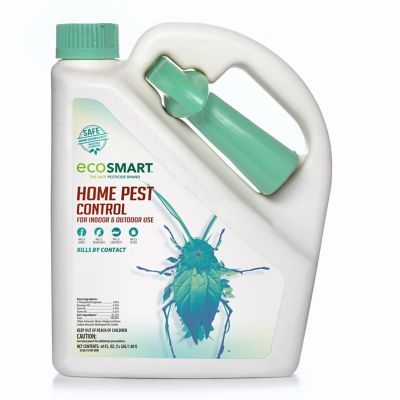
Pet safe pest control helps pet owners manage common household and outdoor pests while keeping dogs, cats, birds, livestock, and other animals in mind. The right choice depends on the pest you are dealing with, where it is showing up, and how your animals use that space. Ants may trail along baseboards or gather near feed bowls, fleas can hide in carpet, bedding, and shaded areas, and crawling insects may find their way into barns, sheds, garages, and porches as weather patterns change. Products in this selection may include sprays, granules, powders, traps, and other pest control supplies intended for use around the home, yard, or outbuildings. Before buying, identify the pest as closely as you can and check the product label for approved locations, application rates, target pests, and animal safety directions. A product made for outdoor lawns may not be suitable for indoor floors, pet bedding, kennels, vegetable gardens, or areas where feed and water are kept. For a broader look at solutions for the home, barn, garden, and property, visit
Pest Control Supplies. Reading the label is an important part of choosing a pet-conscious option because “pet safe” does not mean every product can be used in every situation or around every animal. Some pest control products use botanical ingredients such as cedar, lemongrass, or peppermint, while others rely on physical action, drying powders, barriers, or contained baits. Natural or plant-based ingredients still deserve careful handling, especially around cats, birds, rabbits, and other sensitive animals. Essential oils that seem mild to people can be irritating or unsafe for certain pets, so follow the label and ask a veterinarian when you are unsure. If your household includes chickens, goats, horses, reptiles, fish, or other animals beyond dogs and cats, look for directions that address those species or contact the manufacturer before use.
Safe application starts with a little preparation. Take pets, their food and water bowls, bedding, toys, and chew items out of the treatment area before spraying, spreading granules, applying powder, or setting traps. Close doors, cover aquariums as directed, and keep children and animals away from the work area. Liquid treatments should be allowed to dry completely before pets return, and treated outdoor areas should be used only according to the label’s re-entry instructions. Never spray directly on an animal unless the product is specifically labeled for that species and purpose. Keep concentrates, refill bottles, powders, and bait products in a locked cabinet or high storage area where curious noses and paws cannot reach them. Bait stations can help contain active ingredients, but they still need to be placed where pets and children cannot move, chew, or open them. Sticky traps and other non-bait traps should also be positioned out of reach, since a pet may become stuck or swallow part of the trap. Food-grade diatomaceous earth is sometimes used against crawling insects and fleas because its fine particles can dry out insects on contact, but it should be applied only as directed, kept out of the air pets and people breathe, and never confused with pool-grade or other non-food-grade material. Avoid creating dusty clouds, and use appropriate protection during application. Granular repellents and outdoor barriers can be useful along fence lines, foundations, sheds, and other pest entry points, but they should not be spread over pet runs, resting areas, or places where animals regularly dig and forage unless the label specifically allows it. A hand broom, sealed storage container, and clean-up plan can make application easier and help prevent tracked-in residue. If a pet walks through a treated area before it is ready, or shows signs of exposure such as drooling, vomiting, weakness, breathing trouble, tremors, or unusual behavior, move the animal away from the area and contact a veterinarian or animal poison resource promptly. Keep the product container or label available so the ingredients and directions can be identified.
A practical pest control routine also includes simple changes around the property. Store pet food in sealed containers, sweep up spilled feed, empty standing water, repair torn screens, and close gaps around doors, windows, pipes, and foundation walls. Wash pet bedding as directed and vacuum rugs, upholstery, cracks, and corners where fleas or other pests may hide. Outdoors, trim heavy vegetation near the house, keep firewood and clutter raised and away from walls, and check shaded areas around kennels, porches, and outbuildings. During warmer weather, insects may become more active around water, garbage, gardens, and animal housing; during cooler weather, many pests look for sheltered places indoors, including garages, tack rooms, basements, and storage sheds. Using the right product in the right location can reduce the need for repeated applications and help keep pest activity from spreading. These supplies can be useful for a new homeowner, a renter with pets, a family caring for an older animal, or anyone maintaining a farm, kennel, barn, or country property. They can also make a thoughtful practical gift for a friend bringing home a puppy or kitten, moving into a rural home, or preparing a well-used porch and yard for the changing seasons, provided the recipient’s pets and intended treatment area are considered first. Keep in mind that no single solution works for every pest or every household. Look for clear instructions, secure packaging, appropriate application methods, and directions that match your animals and living space. When pest activity is extensive, involves stinging or biting insects, or continues despite careful cleaning and prevention, a licensed pest professional and your veterinarian can help determine a safer plan.