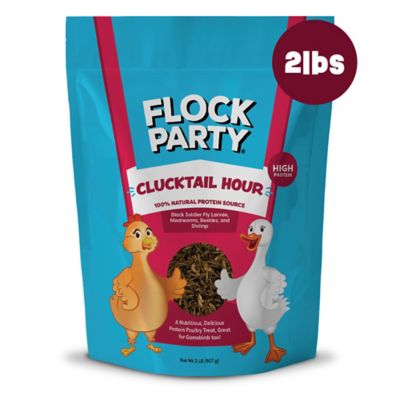
Pelleted animal feed brings ground ingredients together in compact, usually cylindrical pieces that are easy to scoop, portion and carry from the feed room to the barn. Depending on the formula, those ingredients may include grains, forage, plant proteins, fats, vitamins and minerals. Many feed pellets are formed by conditioning a ground mixture with moisture and heat, then pressing it through a die under pressure and cooling it so the pieces hold their shape. That process puts the ingredients into a consistent physical form, which can limit the chance for animals to pick out favorite grains and leave the rest behind. Pellets may also scatter less than loose meal, although broken pieces and fine particles can still collect at the bottom of a bag or feeder. The shape tells only part of the story: forage pellets, complete feeds and supplemental pellets serve different purposes. Alfalfa and grass hay pellets provide forage in a compact form, while complete feeds are formulated to supply a balanced ration for the species and life stage listed on the label when fed as directed. Supplemental pellets supply selected nutrients alongside pasture, hay or another ration rather than automatically replacing the whole diet. Pellets for a growing animal can have a very different nutrient profile from those intended for an adult at maintenance or a female producing milk. Protein, fat, fiber and mineral levels help describe those differences, but the ingredient list, intended species and feeding directions matter just as much. Crude protein alone does not show how well a feed fits an animal’s needs, and similar-looking pellets are not necessarily interchangeable. For a small acreage with a few animals or a working farm feeding several groups, the right fit starts with the animal’s species, age, workload and access to other feed. Pelleted feed can make daily chores more straightforward, but its value comes from matching the formula to the job, not simply from the way it looks in the scoop.
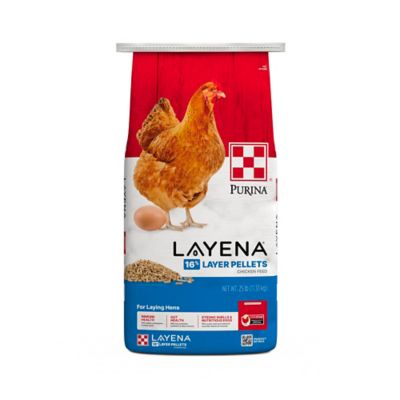
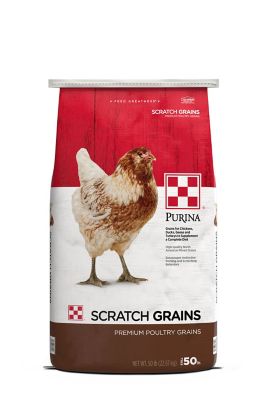
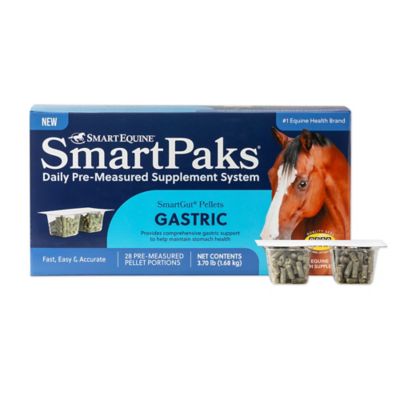
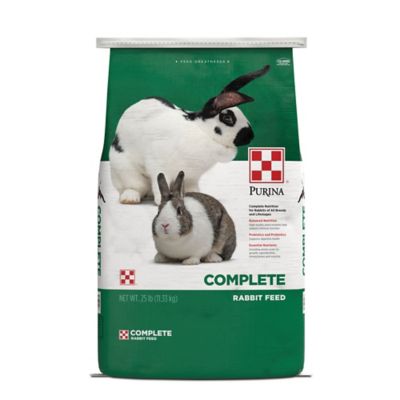
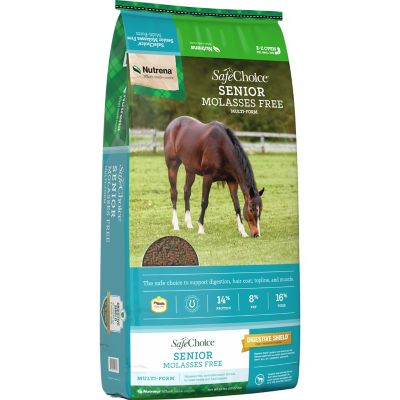
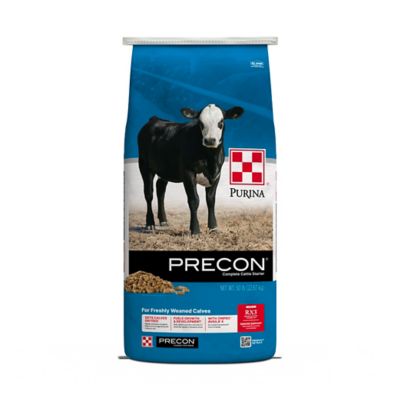
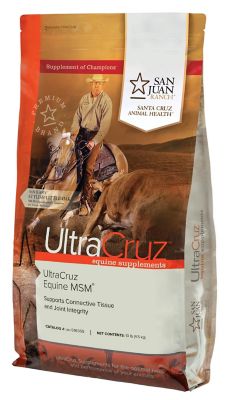
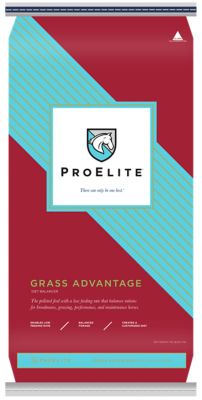
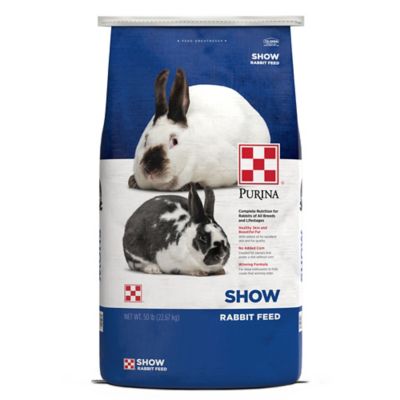
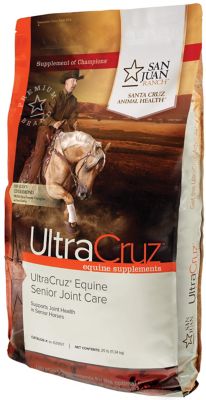
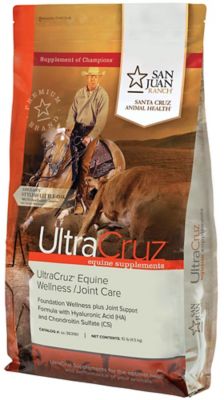
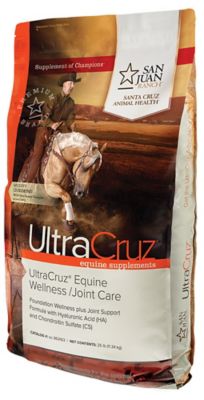
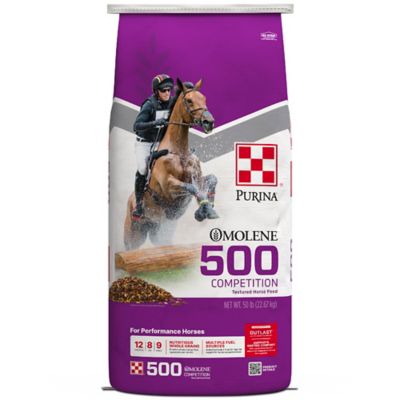
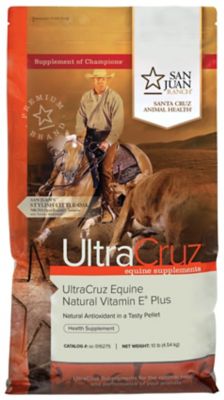
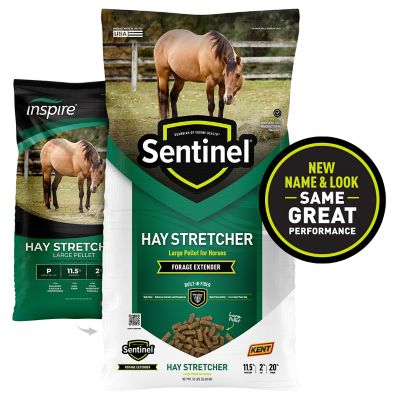
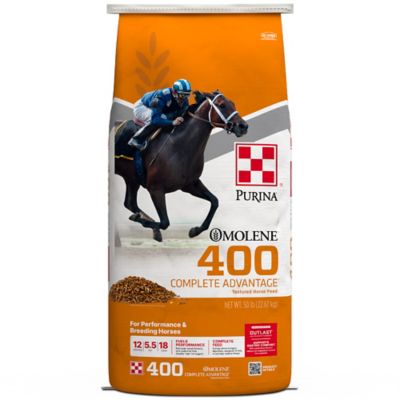
Across livestock, poultry and small animals, pelleted feeds cover a wide range of feeding needs. Horse feed pellets may provide added energy, protein, vitamins and minerals alongside forage, while some complete horse feeds are designed to replace part or all of the hay when fed as directed. Forage pellets are not automatically a substitute for every benefit of long-stem hay, including the chewing time it provides. A horse with trouble chewing or a history of choke needs a feeding plan discussed with a veterinarian; some pellets require soaking before feeding, and preparation directions differ. Cattle and goat pellets may support growth, maintenance or milk production, depending on the formula and the rest of the ration. Sheep need particular attention to mineral content because too much copper can be harmful, so a feed labeled for goats or cattle should never be assumed suitable for sheep. An all-stock label also deserves a close look at the species and feeding directions rather than a guess based on the name. In the poultry yard, pelleted feeds are often intended for birds large enough to handle the pellet size. Growing birds and laying hens have different needs, and a layer ration’s calcium level is not a match for young chicks. Pelleted swine feed likewise needs to suit the pig’s growth stage or reproductive stage, with the ration changing as those demands change. Rabbits and guinea pigs have their own feeding requirements, even when their pellets look much alike. Both generally need suitable hay as a central part of the diet, and guinea pigs require a steady dietary source of vitamin C. Pellet size, texture and serving directions matter alongside the nutrient profile, particularly for smaller mouths and animals that eat quickly. On a place where the goat pen sits beside the henhouse, separate feed storage and clearly marked scoops help keep rations from getting crossed. A shared fence line does not mean a shared feed program, and a pellet that suits one group can be a poor choice for the animals next door.
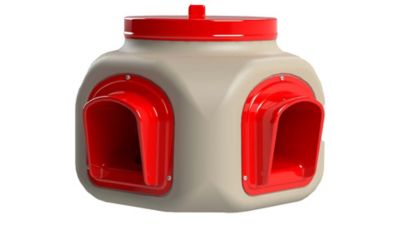
Practical details make a difference once a bag reaches the feed room. Pellet diameter and length affect how comfortably an animal can pick up and chew its feed, while the amount of fines can influence how neatly it moves through a hopper or lands in a trough. Pellets that hold together during normal handling can help limit crumbling between the bag and the feeder. Feeder openings need to accommodate the pellet size, and trough space should give animals room to eat without crowding smaller or less assertive pen mates away. Portioning by weight gives a clearer picture of intake than relying on an unmarked coffee can, since the same scoop can hold different weights of different feeds. A dedicated scale and the bag’s directions help keep servings consistent when more than one person handles chores. Changes between formulas generally call for a gradual transition according to the label and the needs of the animal, rather than an abrupt swap at the next feeding. Clean, fresh water belongs alongside every feeding program. Feed storage calls for a dry space protected from rodents and separated from chemicals, with the label and lot information kept until the bag is finished. A clean, lidded container can help protect an opened bag, but adding fresh feed over old leftovers makes it harder to track what should be fed first. Pellets with mold, an off smell or signs of contamination do not belong in the feeder. Smaller packages may suit a few backyard animals, while larger bags can make sense where feed moves through the barn steadily; the right size is one that can be handled safely and finished within the manufacturer’s storage recommendations. Feeding routines may also extend from the barn to the house, where
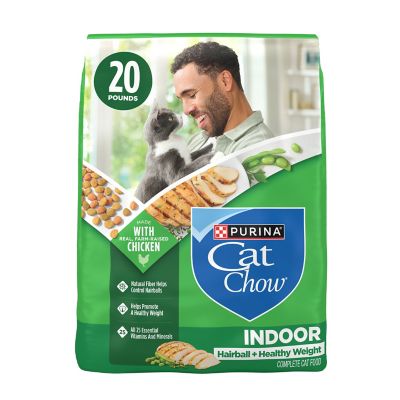
Cat Food Pellets belong to a separate, species-specific category. Dry cat food is often extruded kibble rather than livestock-style pellets, and cats need food formulated for their own life stage and nutritional requirements. Keeping those distinctions clear helps every feed bin serve the animals it is meant for.