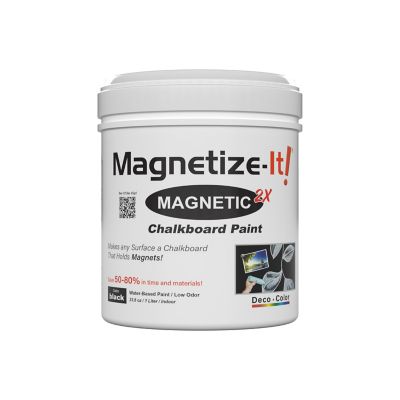
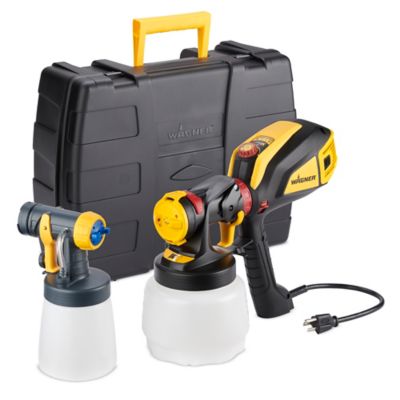
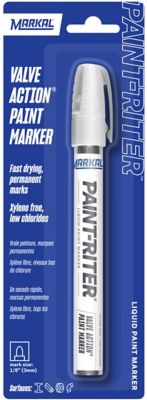
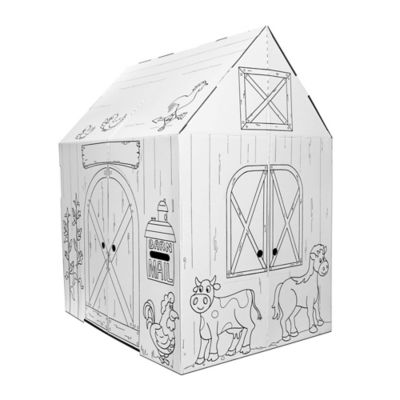
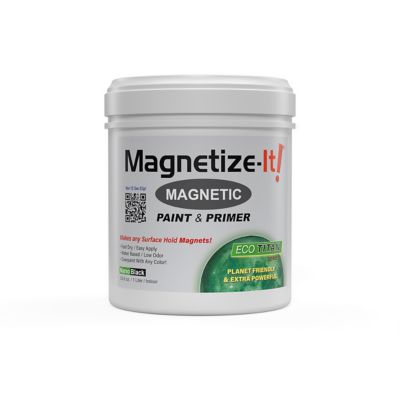
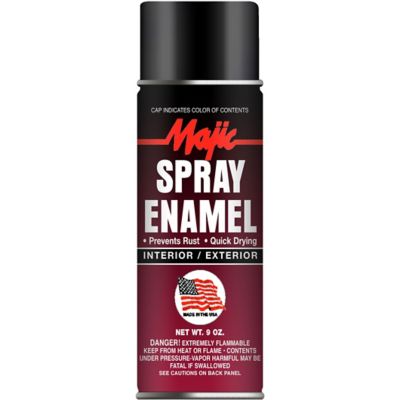
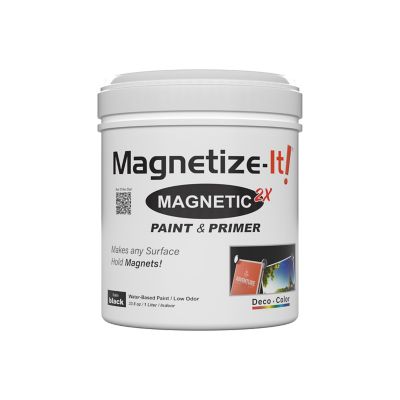
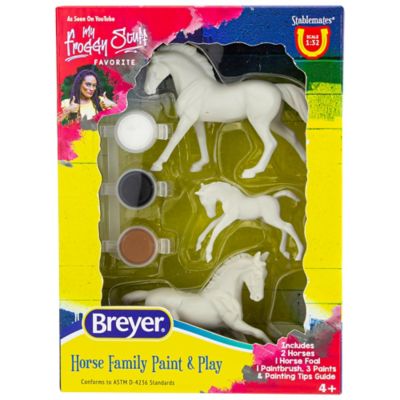
Paint for crafting gives makers of all ages a simple way to bring color to wood, paper, canvas, fabric, ceramics, foam, and other project surfaces. Many craft paints have a water-based formula, smooth flow, and quick drying time, making them a practical choice for school projects, weekend projects at the kitchen table, seasonal crafts, and small touches around the home. Individual bottles work well when a project calls for one main shade, while sets make it easier to keep a range of colors on hand for signs, ornaments, painted figures, flowerpots, boxes, and canvas work. Common finishes include matte, gloss, satin, and metallic, so the right selection depends on the look you want and the surface you plan to cover. Matte paint has a soft, low-shine appearance that suits wood and paper, while gloss can bring a brighter look to sealed surfaces. Metallic shades add a bit of shimmer to lettering, trim, or small accents. Before buying, check the label for the recommended surfaces, drying time, cleanup instructions, and whether a primer or topcoat is suggested. A paint that works well on unfinished wood may not adhere the same way to glass, fabric, or slick plastic. For help choosing brushes, trays, drop cloths, and other supplies that can make a project go more smoothly, browse
Paint Equipment.
Choosing paint for crafting starts with the project itself. For a child’s classroom craft or a rainy-day activity, water-based paint that cleans up with soap and water can help keep the work area manageable. A washable apron, old table covering, and a cup of water for rinsing brushes are useful additions, especially when several colors are in play. On unfinished wood, lightly smoothing the surface and brushing away dust can help the paint spread evenly. Paper and canvas often take paint readily, though heavier coats may bend thin paper or take longer to dry. Fabric may call for a formula made for cloth, along with heat-setting or washing instructions on the label. Glass and glazed ceramic can require careful surface preparation and may need curing time before handling. Foam can absorb paint, so light coats are often better than one heavy layer. Let each coat dry before adding lettering, stripes, outlines, or another color; this helps keep edges cleaner and prevents shades from blending where you do not want them to. A small brush is helpful for narrow lines and corners, while a wider, flat brush can cover broad areas with fewer passes. Stir paint gently before starting, keep lids closed between steps, and store containers upright in a place protected from freezing temperatures and strong heat. When a project involves children, look for age guidance and label information, keep paint away from eyes and mouths, and provide good airflow while it dries.
Craft paint can be a thoughtful gift for a young artist, a teacher, a grandparent who enjoys making seasonal pieces, or anyone who likes spending a quiet afternoon with a brush in hand. A color set paired with blank wood shapes, canvas panels, paper, or plain planters gives the recipient room to choose the project and work at their own pace. It also fits well into family gatherings during the cooler months, when a few simple supplies can turn a table into a shared work area. Parents may reach for easy-clean colors and broad brushes for supervised activities, while older children and adults may appreciate a wider palette with specialty finishes for signs, painted furniture accents, ornaments, or gift tags. If you are planning several projects, compare the amount of paint in each container with the size and number of surfaces involved. Small bottles are handy for detail work and color variety, while larger containers make sense for broad backgrounds or repeated projects. Keep in mind that darker shades may cover in fewer coats than pale colors, and an absorbent surface can take more paint than a sealed one. Test a small spot first, particularly when working with fabric, glass, or a previously coated surface. With a few dependable brushes, a clean work surface, and enough drying time, paint for crafting can turn plain materials into colorful keepsakes, classroom projects, farm-inspired signs, and gifts that carry a personal touch.