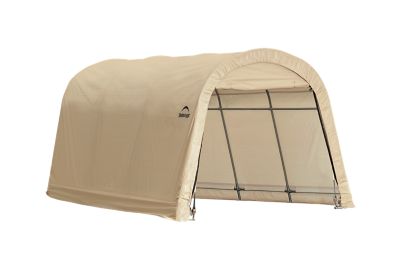
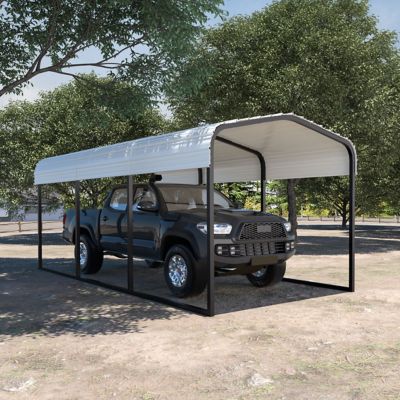
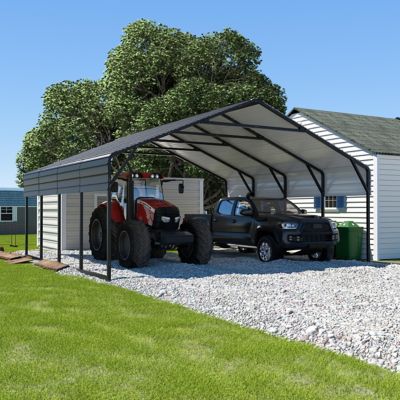
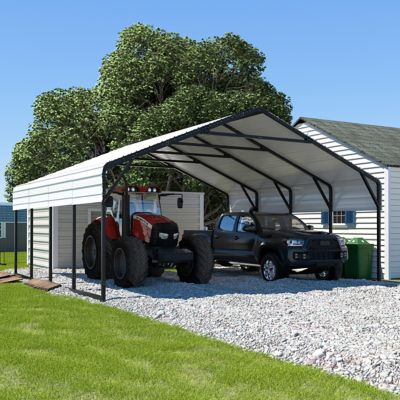
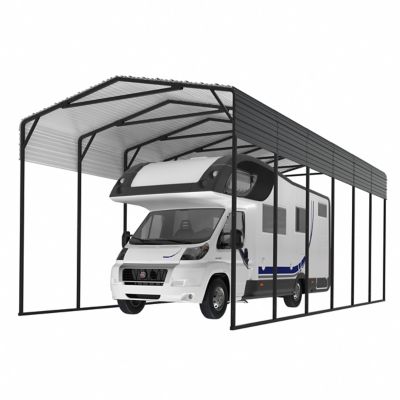
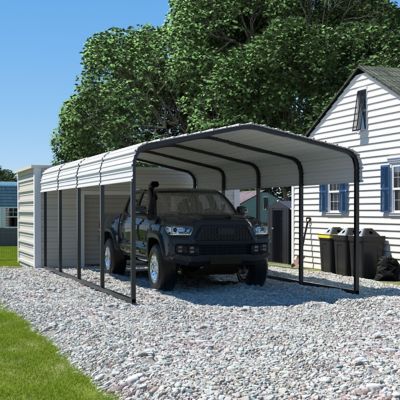
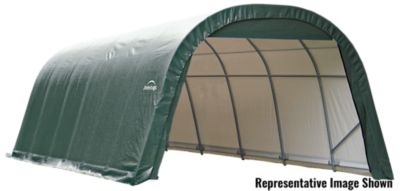
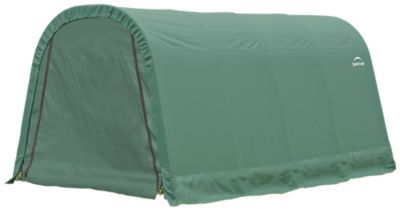
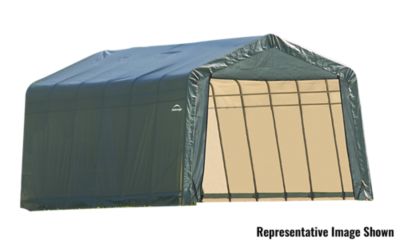
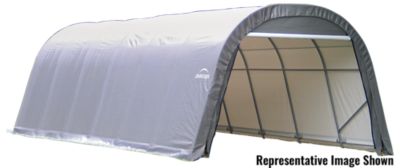
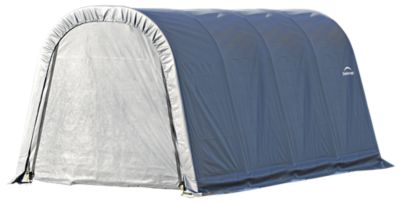
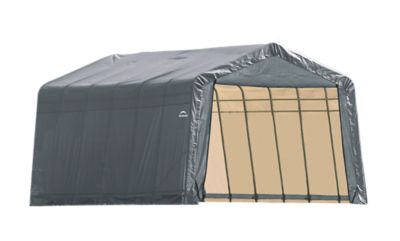
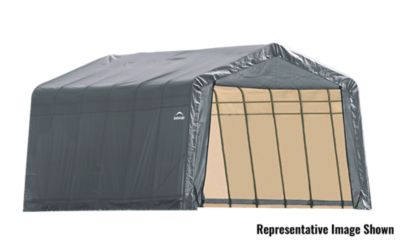
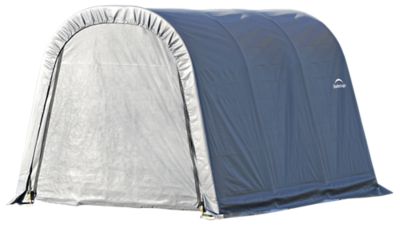
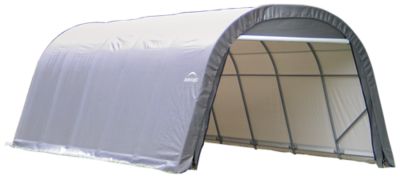
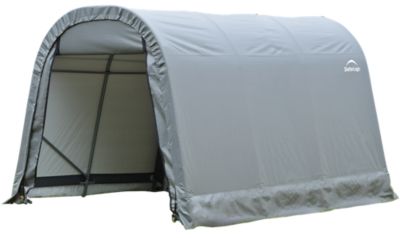
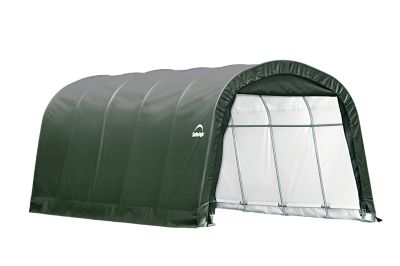
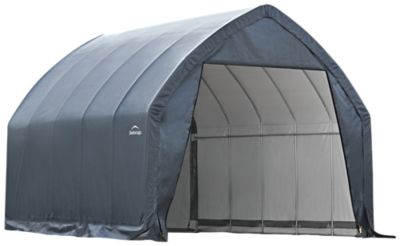
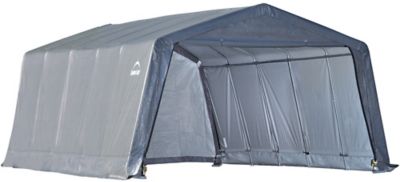
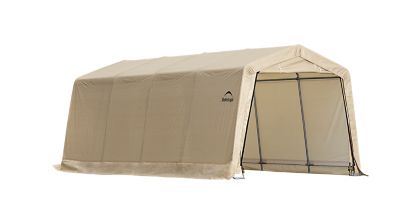
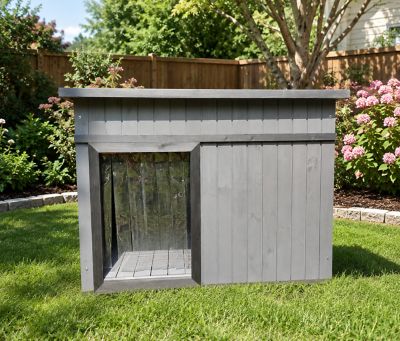
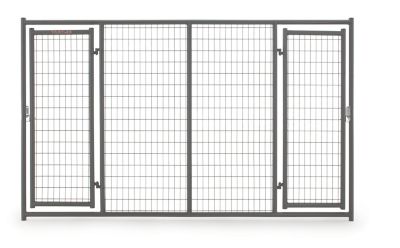
Outdoor shelters give the space beyond the house, barn or shop a little more purpose, whether that means a covered spot for equipment or a place to sit down after the chores are done. A shelter beside the driveway can keep a tractor attachment out of direct rain, while a covered gathering area gives family and neighbors room to pull up a chair without crowding the porch. Open-sided structures leave plenty of access for moving around, loading supplies and backing equipment into place. Enclosed designs put more separation between stored belongings and the elements, though ventilation and the condition of the ground beneath them still matter. The right fit involves more than the measurements printed for the roof. Posts, bracing, sloping sides and door openings all affect how much working room remains inside. A mower might fit comfortably under a cover but need extra clearance for its discharge chute, while a utility trailer needs room for its tongue as well as its bed. For vehicle coverage, opening height matters just as much as roof height, especially with roof racks, raised equipment or tall cab profiles. Covered seating areas have their own space needs: chairs pull back, benches need walking room, and a table that fits between the posts can still leave a tight path around the edges. Roof overhangs can help move runoff beyond the sheltered footprint, but nearby walkways, gates and neighboring structures affect where that water goes. Those everyday details make a difference on a working property, where a shelter often sits along an established route between the driveway, feed room and equipment shed. A well-matched footprint leaves gates free to swing, keeps paths clear and provides enough room to get the job done without squeezing past a support post every trip. The overall shape matters, too, from a narrow cover along an outbuilding to a wider freestanding structure with access from several directions. For many properties, practical access is just as valuable as the square footage overhead.
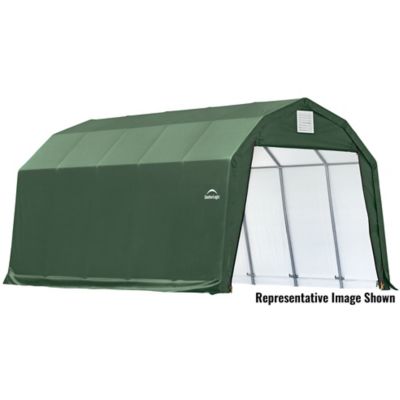
Materials and construction help determine how an outdoor shelter fits its setting and the amount of attention it needs over time. Steel framing brings strength to many shelter designs, with galvanized surfaces or protective finishes helping limit corrosion where the coating remains intact. Aluminum framing can reduce carrying weight in portable structures, while wood brings a different look and calls for attention to moisture exposure, joints and surface treatments. Fabric covers vary in weight, weave, coating and resistance to sunlight. Polyethylene and polyester appear in different shelter designs, but the material name alone does not tell the whole story; seams, attachment points, edge reinforcement and the frame beneath the cover all contribute to performance. Metal roof panels have their own considerations, including fastener condition, panel overlap and the way runoff leaves the roof. A peaked or rounded roof changes headroom and how precipitation moves across the surface, but its shape is not a substitute for a stated load rating. Wind and snow ratings belong to the complete structure and its specified installation, not simply to the cover material or the thickness of a frame tube. Anchoring is part of that setup, whether the base rests on soil, gravel or concrete. A broad roof can catch a strong gust, and an open side does not eliminate uplift. Ground anchors, base plates and other attachment methods need to match both the shelter and the surface beneath it. Level ground also helps doors line up and keeps frame connections from carrying uneven loads. On a property with soft ground or drainage trouble, the base deserves as much thought as the roof overhead. Local permit requirements, setbacks and utility locations may affect placement, particularly for larger or longer-term structures. Shelter designs also differ in their intended length of installation, so a portable frame and a permanent structure should not be treated as interchangeable simply because their outside dimensions are similar.
Daily use is where the smaller features of outdoor shelters start to earn their keep. Wide entrances make room for wheelbarrows and equipment handles, while side openings can keep a frequently traveled path from turning into a detour. Removable walls offer flexibility on designs built for them, and windows or vents can bring light and air into an enclosed space. Ventilation is especially important around damp ground, wet equipment and anything stored beneath a cover for extended periods. A roof blocks precipitation from above, but it does not automatically prevent condensation or moisture rising from the ground. Storage needs also differ from the needs of a sitting area or an animal shelter. Feed requires protection from moisture and pests, powered equipment needs clearance and access, and livestock coverage must suit the animals’ size, behavior and housing requirements. A general-purpose canopy is not a substitute for a structure intended for animal housing, and an enclosed shelter is not automatically a secure storage building. Recreation brings another set of priorities. For anglers,
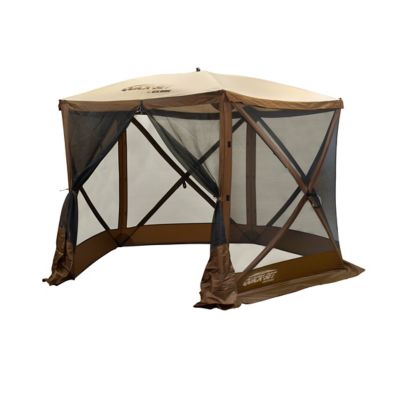
Fishing Shelters shift the focus toward room for people and tackle, visibility and how the shelter moves between home, vehicle and fishing spot. For a portable gathering shelter, packed size, carrying weight and the number of people needed for setup may matter more than a broad roof alone. Across these different uses, straightforward care helps preserve the structure’s function. Leaves and debris can hold moisture against a cover, loose fasteners can allow movement at the joints, and small tears can spread when fabric rubs against a rough edge. Cleaning methods depend on the cover and finish, with the manufacturer’s directions setting the limits for cleaners, brushes and rinsing. Fabric that folds away needs to be dry before storage, and moving parts benefit from attention before they become stiff or difficult to operate. With suitable materials, sensible placement and room for everyday tasks, an outdoor shelter becomes a practical part of the property rather than another obstacle to work around.