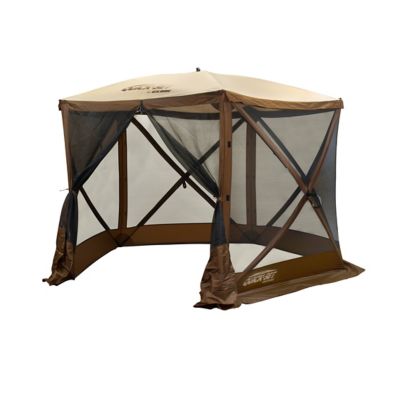
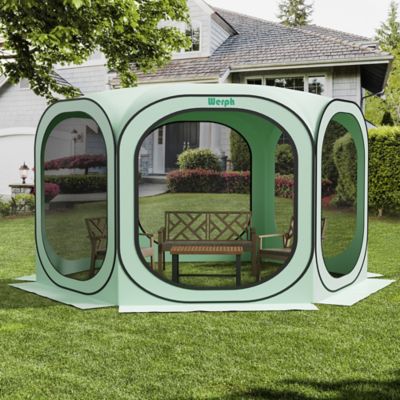
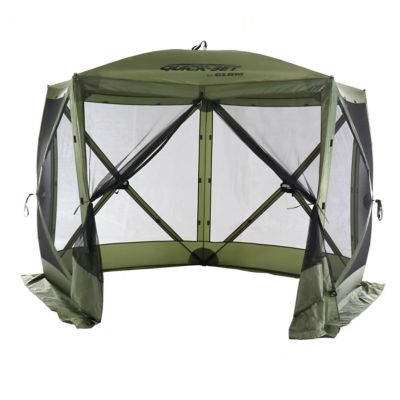
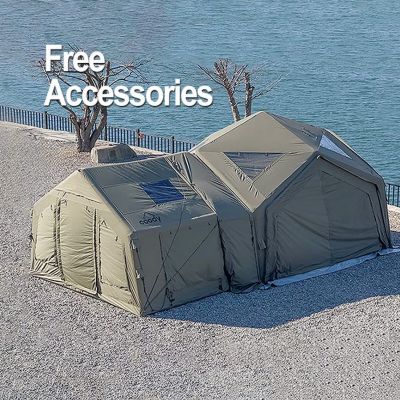
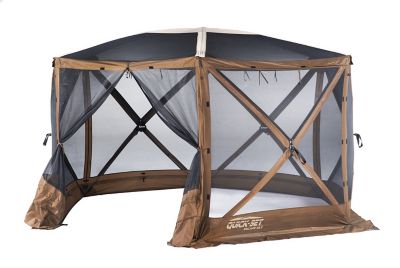
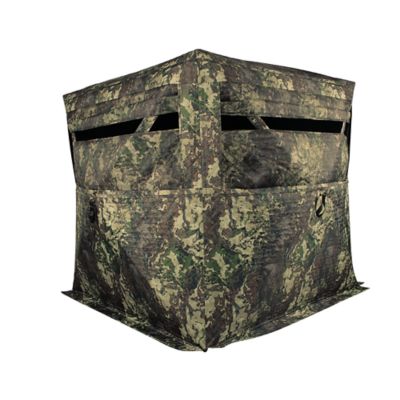
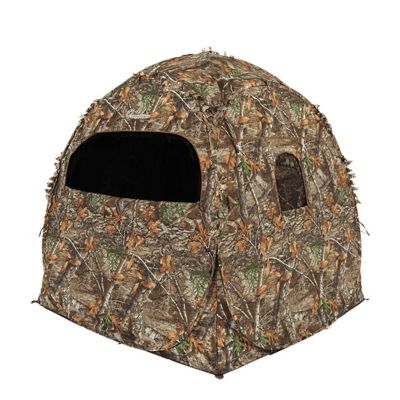
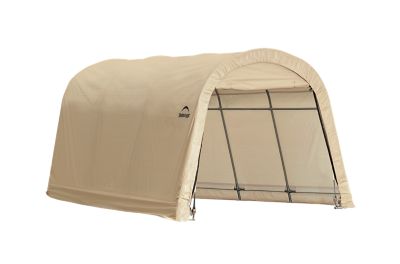
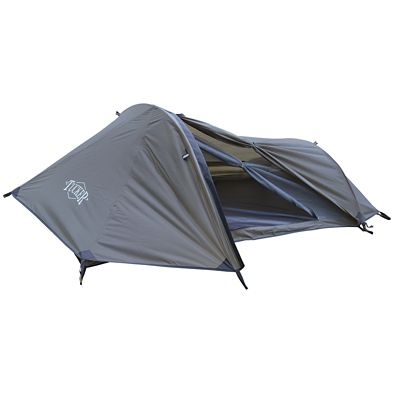
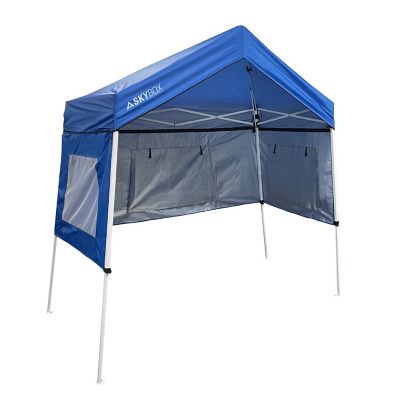
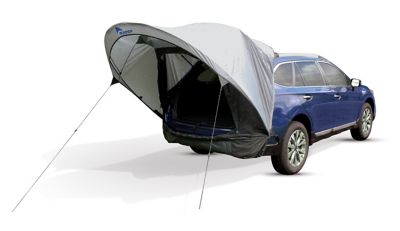
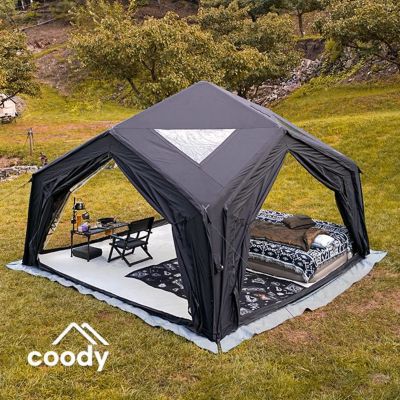
Fishing shelters give anglers a little more comfort and protection when the weather turns rough at the shoreline, on the bank or out over the ice. They can help block wind, rain, bright sun and cold air, making it easier to stay focused on the bite instead of packing up at the first sign of changing weather. The right shelter depends largely on where and how you fish. For open-water trips, a lightweight day shelter, bankside shelter or brolly-style design can provide shade and cover without adding much weight to your gear. Open-front shelters make it easy to watch your rods, reach a tackle box and move in and out, while enclosed designs with zippered panels offer more privacy and protection during longer sessions. Some anglers use them for a few hours beside a pond or river, while others set up a larger shelter for an overnight trip or a full day at a favorite fishing hole. Look for a frame that feels sturdy but remains manageable to carry, along with waterproof fabric, reinforced seams, tie-down points and a floor or groundsheet that helps keep mud and standing water outside. A compact packed size matters when you are walking from the truck, and a simple setup can make a big difference when the wind is kicking up or the sky opens without much warning. Anglers who already pack light may want a shelter with an open front and flexible fiberglass or aluminum poles, while families and fishing partners may appreciate extra interior room for chairs, tackle, food and a cooler. For more ways to round out a mobile setup, browse
Portable Fishing Gear and consider how each piece will fit together before heading to the water.
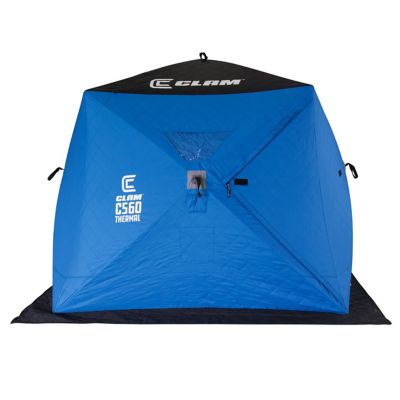
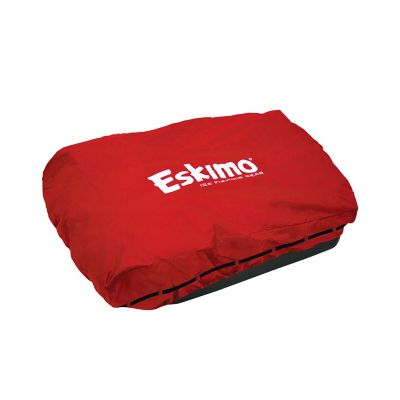
Ice fishing shelters are built with a different kind of weather in mind. Flip-over shelters combine a tent with a sled-style base, allowing one person or a small group to pull gear across the ice and move from hole to hole without carrying every item by hand. This style is handy for anglers who like to stay mobile, search for active fish and keep their setup fairly compact. Hub-style shelters use a pop-up frame and generally offer more standing or sitting room, making them a good fit for two or more people, families or groups that plan to spend several hours in one area. Larger shelters may accommodate several anglers, chairs, buckets, electronics and other cold-weather gear, while smaller one- to three-person shelters can be faster to heat and easier to transport. Insulated fabric helps hold warmth and reduce drafts, though it also adds weight and packed bulk, so compare the shelter’s folded size with the space available in your truck, trailer or storage shed. Pay close attention to the stated capacity, since a shelter rated for a certain number of people may feel crowded once you add a heater, auger, rods, bait and winter clothing. Darker interiors can make it easier to see your line and monitor a tip-up, while windows and ventilation openings provide visibility and help manage condensation. A shelter should be anchored securely for the conditions, and anyone using a propane heater inside must follow the heater and shelter instructions, keep vents clear and use proper ventilation and carbon monoxide safety equipment. Never rely on a shelter to make unsafe ice safe; check local ice conditions, carry basic emergency gear and let someone know where you will be fishing.
When comparing fishing shelters, start with the number of anglers who need a comfortable place to sit, the amount of equipment that must fit inside and the distance from your vehicle to the fishing spot. A solo bank angler may value low weight, quick setup and a small footprint, while a pair of friends planning a long cold-weather outing may prefer insulation, a full front panel and enough room to move around without brushing against the walls. Check packed dimensions, total weight, pole construction, fabric durability, waterproofing, zipper quality and whether replacement parts or additional panels are available. A removable floor can be useful when conditions are muddy, sandy or wet, while sturdy stakes, ropes and anchor points help keep a shelter planted during gusty weather. Storage pockets, windows, gear loops and room for a chair may seem like small details at home, but they become mighty handy when your gloves are wet and your tackle is spread out. Fishing shelters also make thoughtful gifts for an angler who enjoys early mornings, long weekends at the lake or cold-weather trips with family and friends. Choosing a size and style that matches the recipient’s usual fishing grounds is more useful than simply selecting the biggest option. Lightweight open-water shelters suit bank and shoreline anglers, enclosed bivvy-style shelters fit extended sessions, and insulated flip-over or hub-style shelters are designed for anglers who spend time on safe, fishable ice. With the right balance of protection, portability and interior space, a fishing shelter can turn a raw, blustery outing into a more comfortable day around the water.