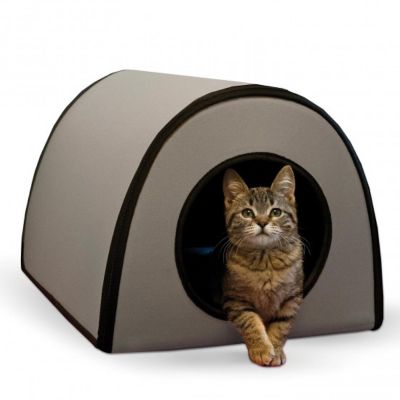
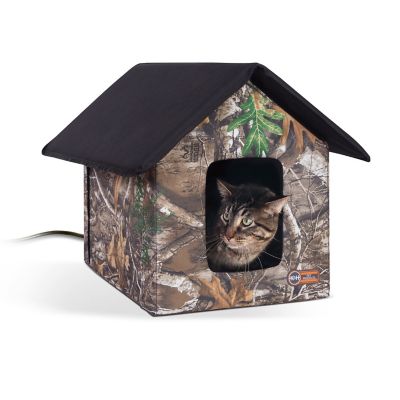
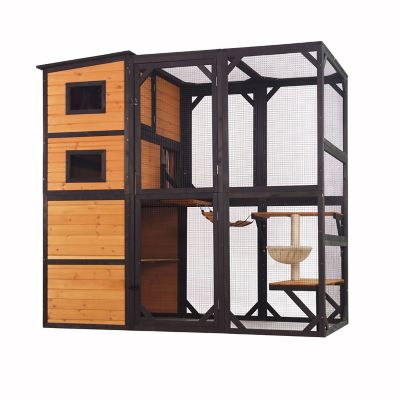
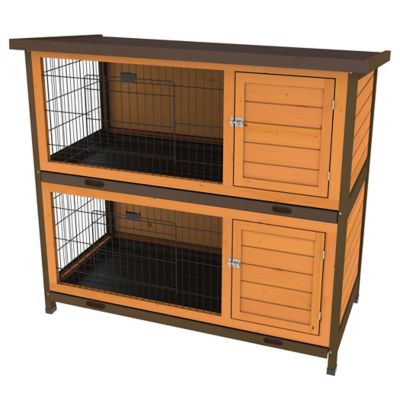
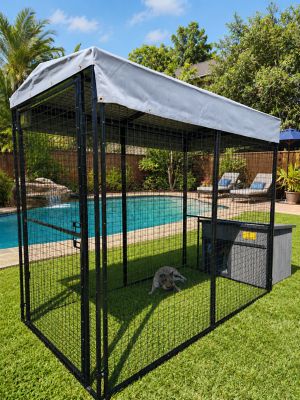
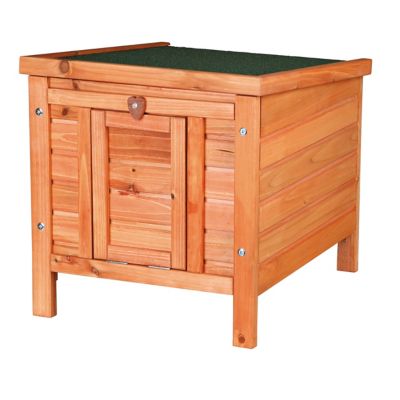
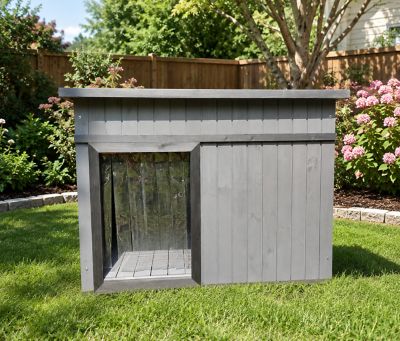
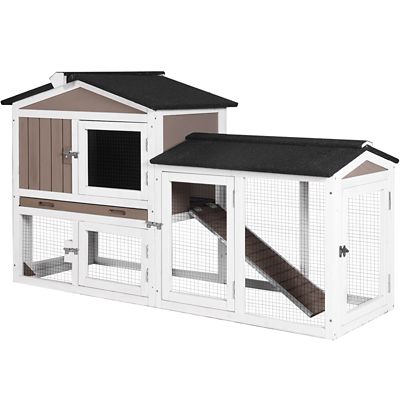
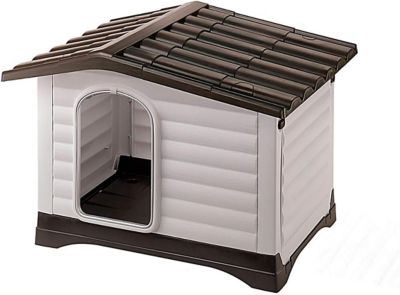
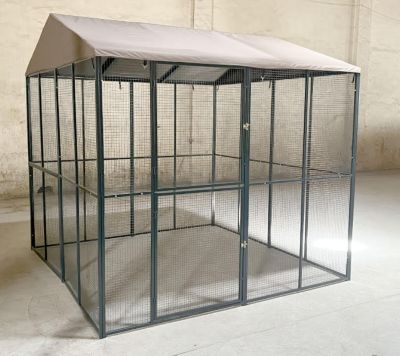
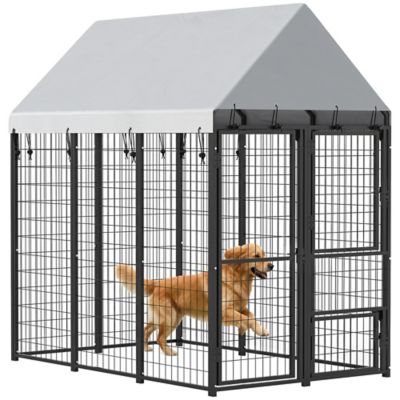
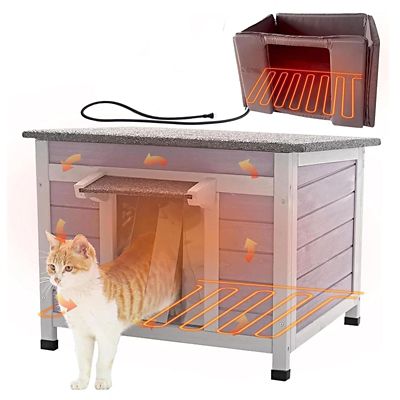
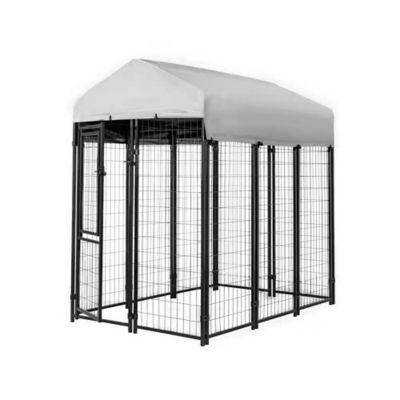
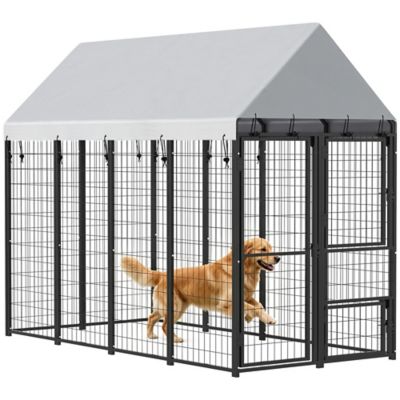
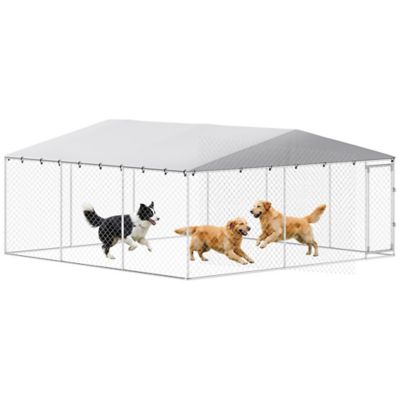
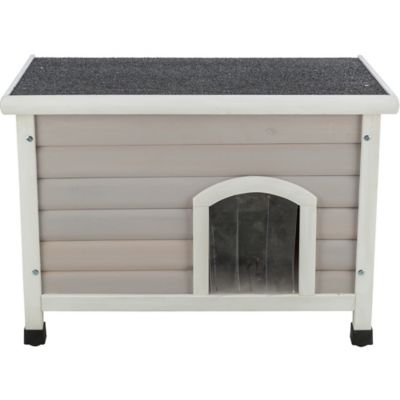
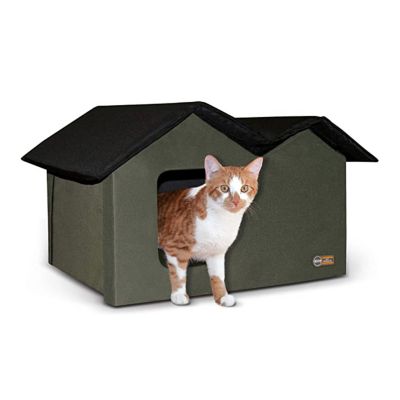
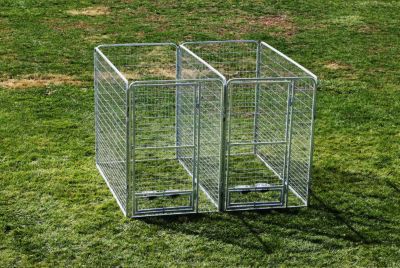
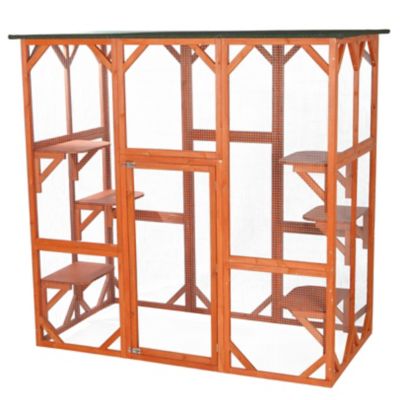
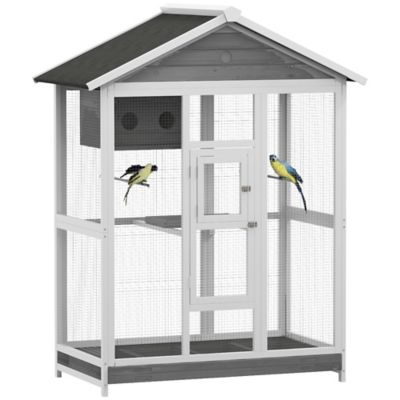
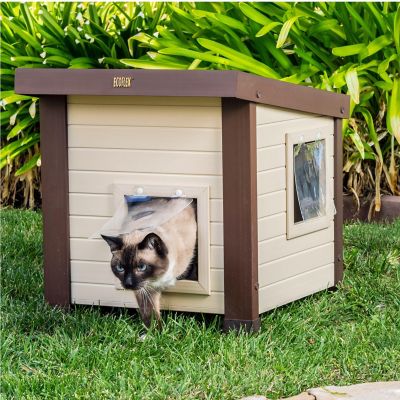
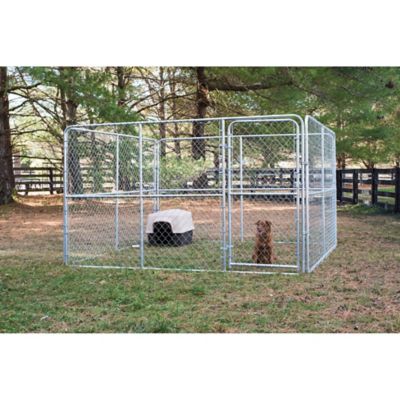
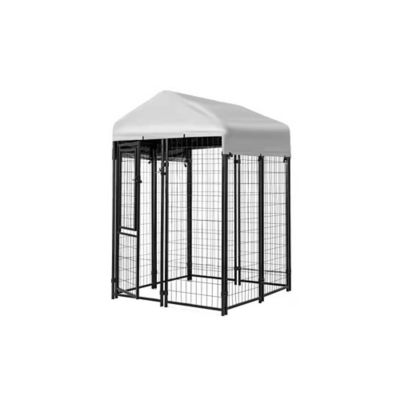
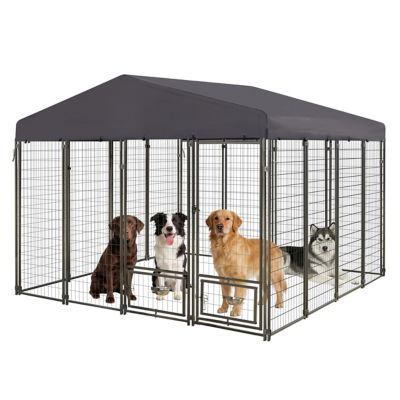
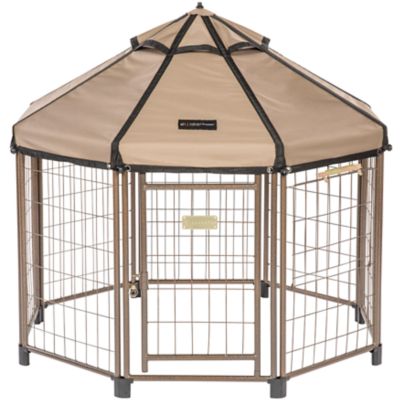
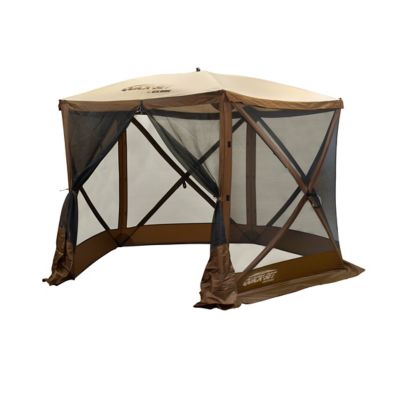
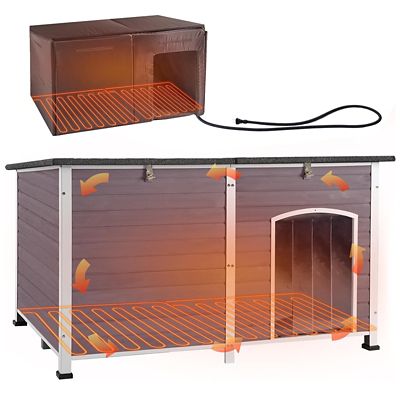
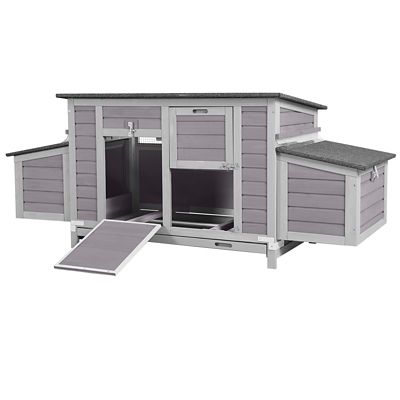
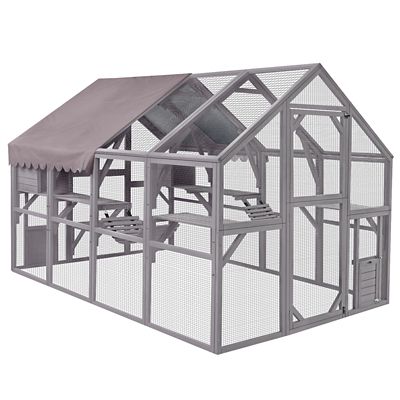
An outdoor animal shelter gives dogs, outdoor cats, poultry and small livestock a place to get out of the rain, snow or wind and rest off the wet ground. Some shelters offer shade and a spot to bed down between trips across the yard, while others are part of a secure enclosure where animals can settle in overnight. What makes sense for a barn cat that comes and goes on its own may be quite different from what works for hens that need to be shut in after dark or goats that like to bed down together. Size matters inside and out. Look at the actual floor space and doorway dimensions, not just the overall footprint, since a wide roof overhang can make a shelter look bigger than it is. A dog ought to be able to walk in without crouching hard, turn around and stretch out without lying across the entrance. Where several animals share a shelter, there should be room for all of them to lie down at the same time. Watch how they move together, too. If a bossy goat likes to plant itself in the doorway, extra floor space won’t do much for the animal that can’t get past it. A wider opening or separate sheltered spots may make more sense for that group. For older dogs or animals that don’t step high easily, pay attention to the height of the threshold and whether the footing is slick on either side of it. An open-sided shelter can work well for shade or a quick break from a shower, but it isn’t the same as housing that keeps animals in and predators out. For animals that need to be secured, look at how the door closes and whether there are gaps around the floor, roofline or vents. Even a well-built shelter is only part of the setup. Animals still need regular checks and a more protected place to go when conditions aren’t safe outside.
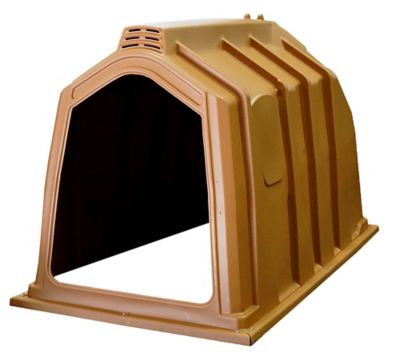
How a shelter holds up has a lot to do with what it’s made of and where it sits. Wood offers solid walls, but the bottom edges and joints deserve a look if they’ll spend much of their time close to damp ground. Molded plastic is generally easy to wipe down and doesn’t soak up moisture like unfinished wood, though a lightweight structure may need to be anchored to stay put on an exposed site. Coated metal can make sense for roofing and framing, especially where animals are apt to rub against the walls. Check exposed edges, fasteners and spots where the coating could wear through. Fabric-sided covers are easier to move when a pen gets rearranged, but they’re better suited to supervised shade or a covered rest area than to keeping animals secure overnight. Roof shape matters as much as the material. A sloped roof and an overhang can send runoff away from the doorway instead of letting it drip right where animals step in and out. A raised floor can help keep bedding dry, provided the step up is manageable and the floor doesn’t flex or get slick underfoot. Inside, a windbreak at animal level and vents higher up can help keep air moving without a draft across the resting area. That’s especially useful where several animals bed down together and moisture can build up in a tight space. Insulation can slow heat loss, but it won’t fix a leak, damp bedding or poor airflow. The inside surfaces are worth a close look as well. Smooth walls and a floor that’s easy to reach make cleanup simpler, while protruding screws, rough edges and narrow corners can catch fur, feathers or bedding. Think about what the shelter will have to stand up to day after day, whether that’s a dog circling before it lies down or a goat leaning against the same panel every time it scratches an itch.
A good spot for an outdoor animal shelter is high enough that water drains away, with a firm path to the entrance and enough room around it to open the door and clean inside. A low corner by the fence may look out of the way until runoff from the yard cuts right across the threshold. Where the layout allows, face the opening away from the direction wind and rain usually come from, and leave enough space to reach the back and sides for inspection. Set the shelter on a level base and follow its anchoring directions, especially if the site is out in the open. It helps to picture the daily chores before settling on a spot. A shelter tucked behind a gate that barely swings clear might be easy enough to set down but awkward to clean once animals are in the pen. An opening that lets someone reach the back corners without crawling inside can make it easier to pull out damp bedding before it packs down. Check underneath bedding as well as on top, since the surface can look dry while moisture collects against the floor. Loose fasteners, worn latches and blocked vents are easier to deal with when they’re spotted on a regular walk-through. If the feeding area is nearby, leave enough space for animals to eat without crowding the shelter entrance. Browse
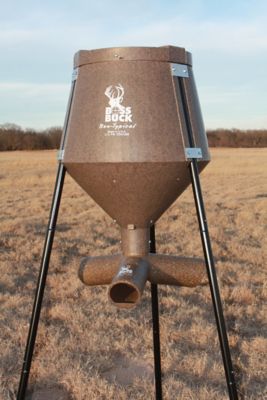
Outdoor Animal Feeders for ways to set up a separate feeding spot that’s easy to reach and clean. Keeping spilled feed away from bedding can help cut down on visits from rodents and wildlife, and placing water where spills drain away from the shelter helps keep the resting area dry. Once everything is in place, watch where the animals actually choose to lie down. A worn patch just outside the door or bedding pushed into one dry corner can tell more about the setup than a glance from the gate.