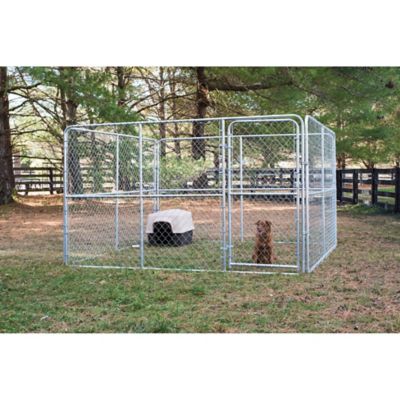
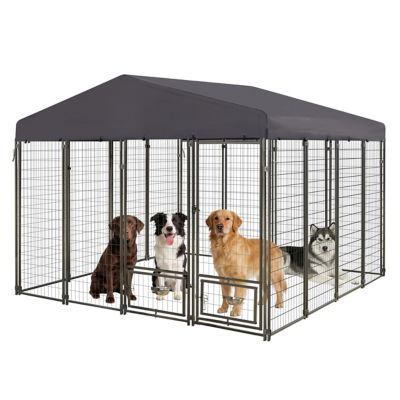
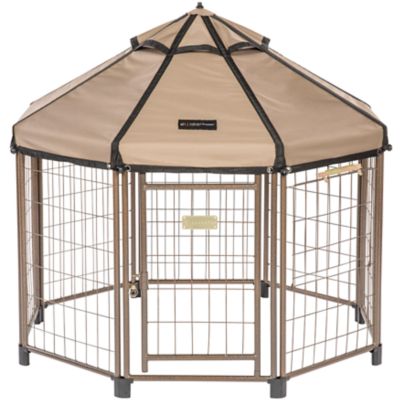
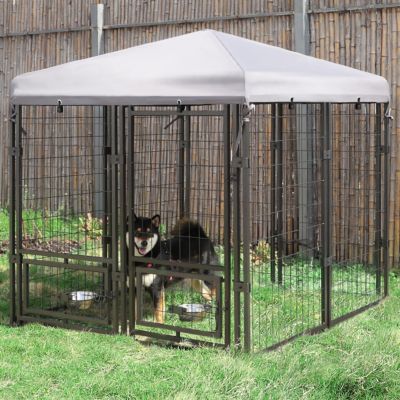
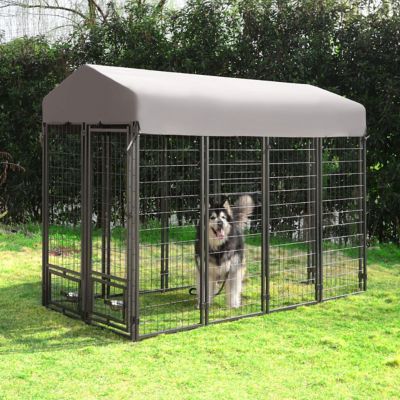
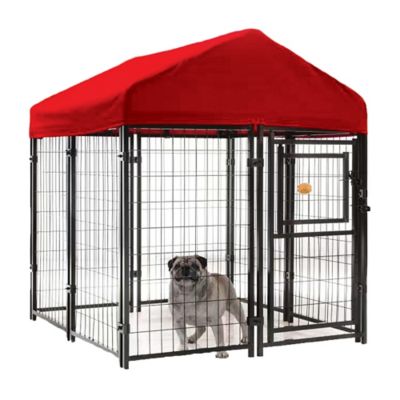
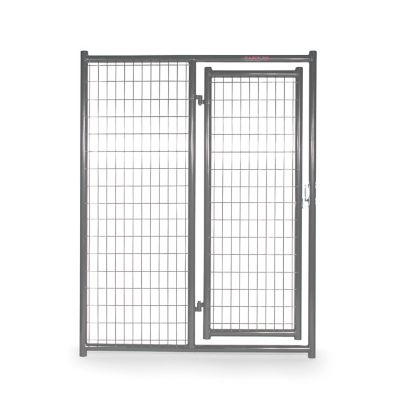
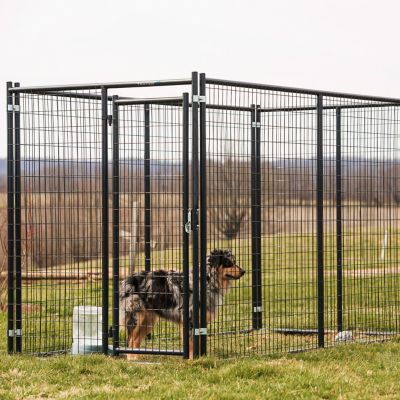
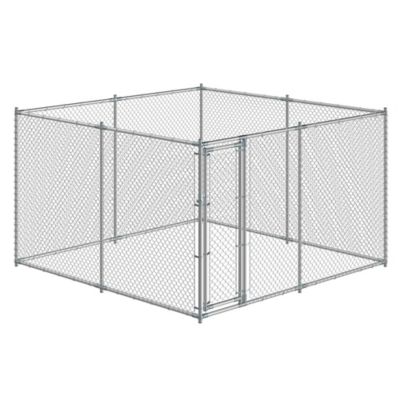
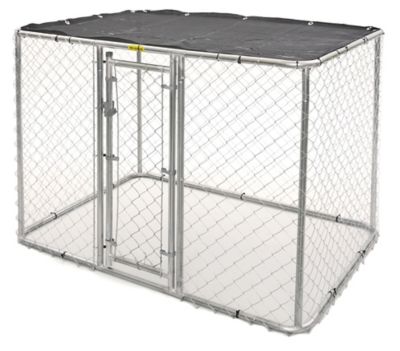
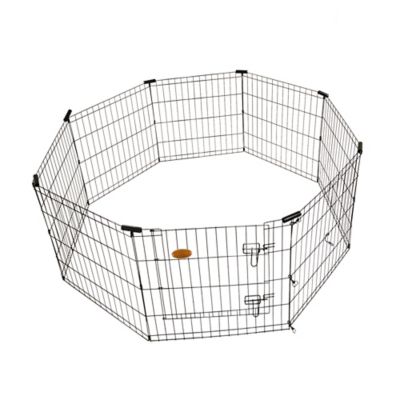
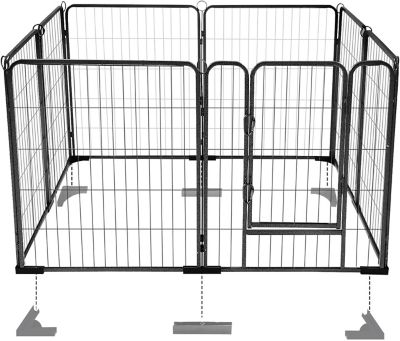
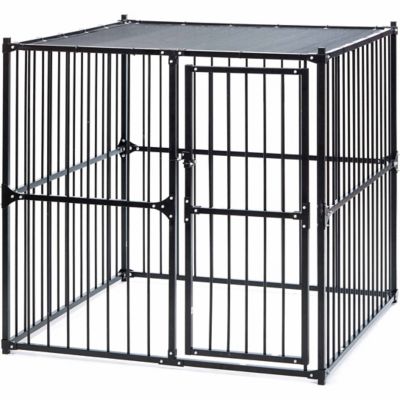
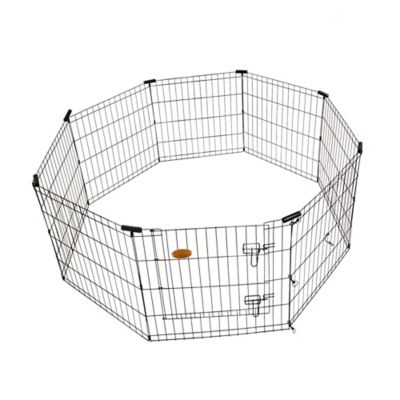
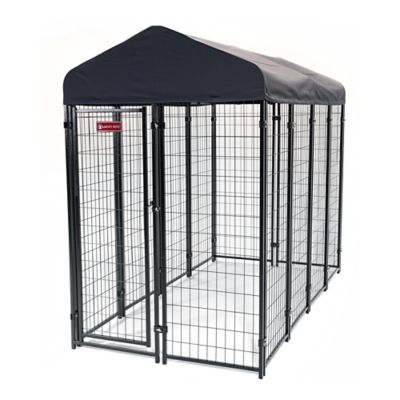
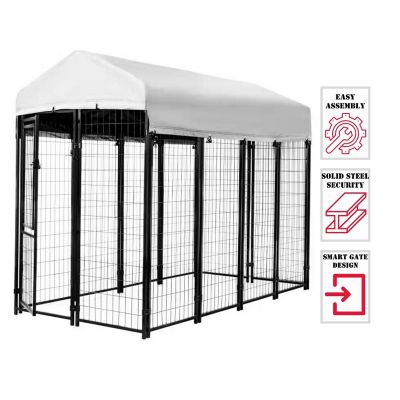
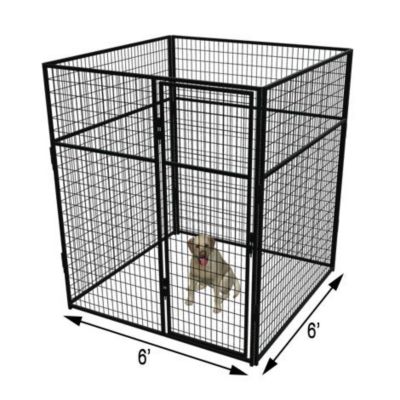
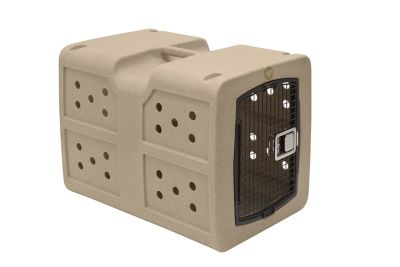
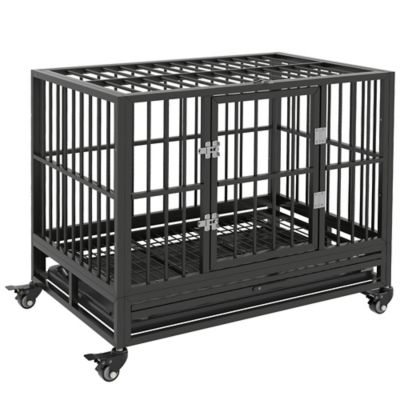
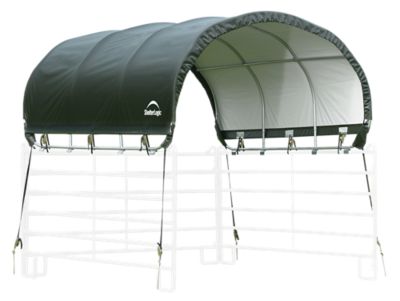
Outdoor kennels for dogs provide a defined, enclosed space for outdoor breaks, giving pets room to move while keeping them apart from driveways, equipment and other areas where they should not wander. On a small acreage, that might mean a place for a farm dog to settle while a delivery truck comes through the gate. In a backyard, it might mean keeping a curious pet away from garden beds or separating dogs that need their own space. These enclosures serve a different purpose from a travel crate or an indoor sleeping crate: their larger footprint supports movement, stretching and comfortable rest during supervised time outside. The right fit depends on more than a dog’s weight. Height, body length, activity level and habits all matter, especially for a dog that jumps, climbs, digs or pushes against a fence. Interior space should let the dog stand naturally, turn around easily and lie down fully stretched out, with additional room for walking and any bowls or shelter inside. Listed exterior dimensions may not reflect the clear floor space after those additions, so a generous footprint can make a real difference. A tall, long-legged dog needs enough clearance beneath a roof or canopy, while a small dog needs panel openings that will not allow its head or body to slip through. Growing puppies also need room that makes sense beyond their first few months. For households with bigger breeds,
outdoor dog pens for large dogs offer a related category to consider alongside kennel enclosures. More square footage does not automatically make an enclosure escape-resistant, though; panel height, gate fit and construction still matter. A kennel works best as one part of a dog’s routine, alongside walks, play, training and time with people, rather than as a permanent living space. For multi-dog households, separate spaces can also help keep meals and rest periods calm, provided each dog has enough room and regular attention.
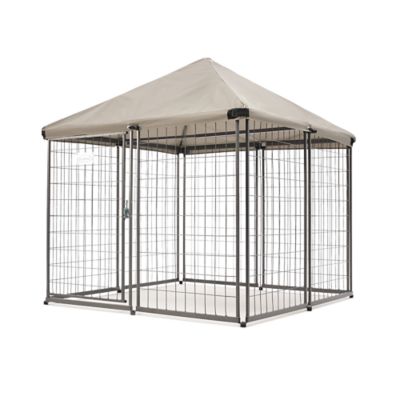
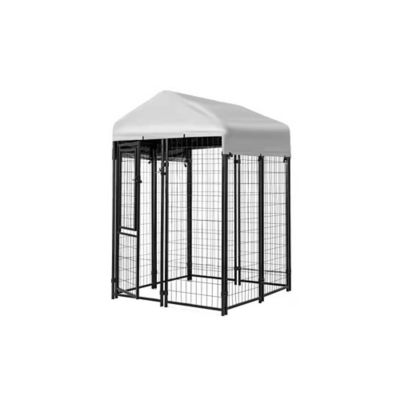
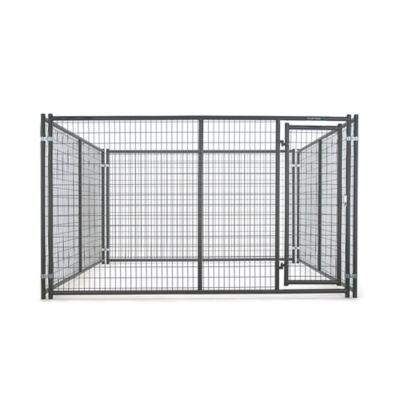
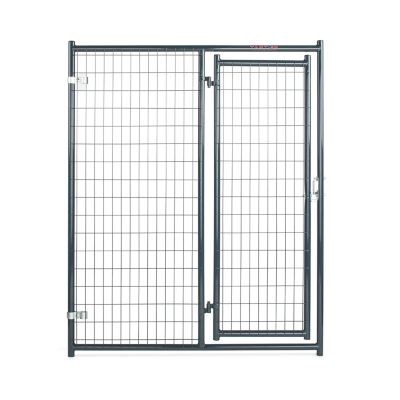
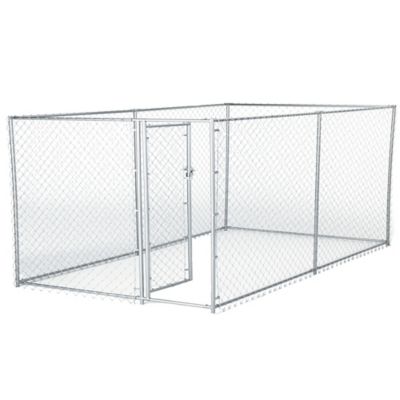
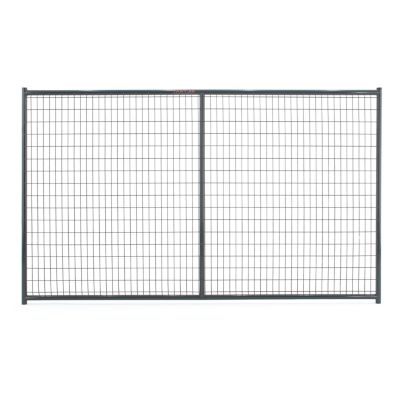
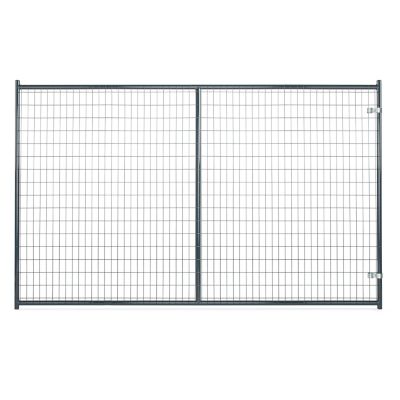
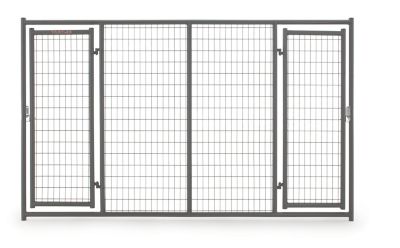
Construction has a big hand in how an outdoor dog kennel handles everyday life. Chain-link panels provide open visibility and airflow, while welded-wire panels have fixed intersections that help the mesh hold its shape. Steel frames support the enclosure, and galvanized steel has a zinc coating that helps resist rust. Powder-coated finishes add another protective layer, although scratches, worn spots and exposed connections still need attention. Frame thickness, wire gauge, panel spacing and the way corners connect all contribute to overall strength; no single material label tells the whole story. A calm dog that rests near the gate places different demands on a kennel than one that leans hard against panels or mouths the wire. Smooth edges, secure fasteners and close-fitting connections help reduce places where paws, noses or collars could catch. Modular panels can allow different layouts when the system supports them, but compatible connectors and the approved arrangement matter more than simply adding another section. Roof frames and canopy tops also need to match the enclosure’s dimensions and attachment points. A cover can provide shade, but it does not turn an open kennel into a complete shelter or replace an appropriate indoor resting place. Gate details deserve just as much attention as the main panels. A latch should close firmly and sit where the dog cannot easily work it with a nose or paw. An opening wide enough for a person carrying a water bowl, bedding or cleaning supplies makes everyday chores easier, and the gate needs enough clearance to swing without catching on the ground. Anchoring depends on both the kennel design and its placement. Some systems accept ground stakes, while others support attachment to a suitable hard surface with the specified hardware. Neither arrangement should be assumed to fit every enclosure. On a working property, placement away from livestock traffic, parked machinery and busy vehicle routes helps keep the kennel’s job straightforward: providing a contained space for the dog, not serving as a barrier for larger animals.
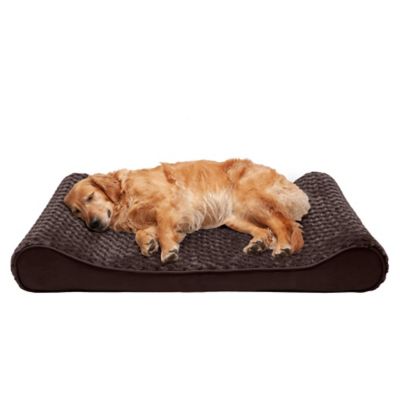
The surface beneath an outdoor kennel affects comfort, cleanliness and escape prevention as much as the panels around it. Level footing helps the frame sit square and the gate close properly, while good drainage keeps wash water from collecting beneath bedding or bowls. Concrete offers a firm surface that can be rinsed, but a dog still needs a comfortable resting area rather than only a hard floor. Bare ground gives a different feel underfoot, although digging along the fence line can create an opening surprisingly fast. Gravel varies in size and texture, so the footing should suit the dog’s paws and avoid sharp pieces or material a pet is likely to swallow. Where a kennel system includes flooring, close-fitting sections, secure edges and a surface that supports steady footing are worth considering. Any digging barrier needs to work with the enclosure and leave no exposed points that could injure the dog. Inside the kennel, a stable water bowl, a sheltered resting spot and room to move between them make the space more comfortable without crowding it. Raised or mounted bowls can help limit tipping when their placement suits the dog’s reach, but fresh water still needs regular checks. Food bowls, bedding and resting surfaces should be easy to reach for cleaning, with uneaten food removed rather than left to attract other animals. Routine care also includes checking latches, hinges, panel connections and anchors for looseness, along with looking for bent wire, rough edges or damaged finishes. Cleaning methods should follow the enclosure manufacturer’s directions, with residue rinsed away and resting areas allowed to dry before bedding goes back in. A location visible from the house or a regular chore route makes supervision easier, but visibility alone does not replace checking on the dog. Dogs that panic, repeatedly climb or chew at the enclosure need a different arrangement and help addressing that behavior. A well-fitted kennel supports ordinary outdoor breaks and easier pet care while leaving plenty of room in the day for companionship, exercise and a safe place indoors.