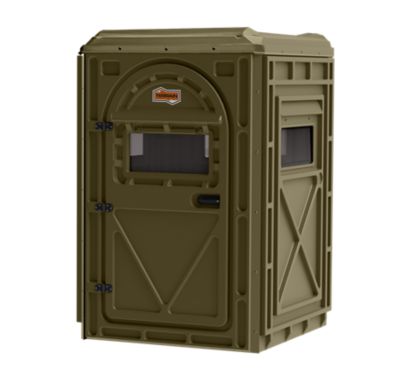
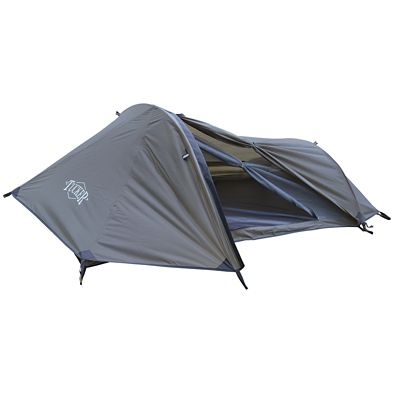
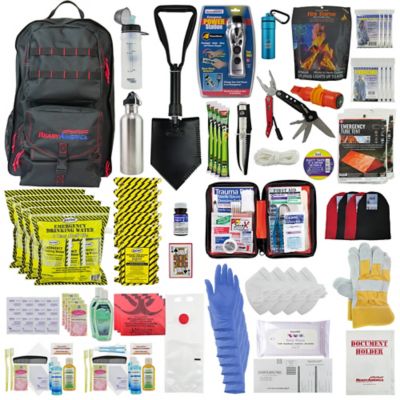
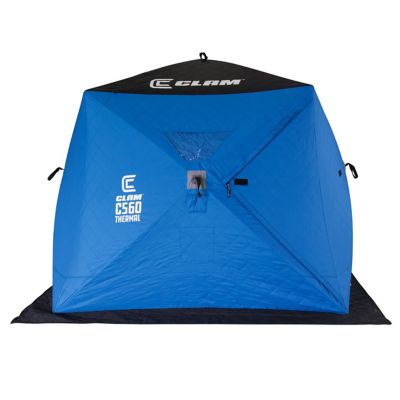
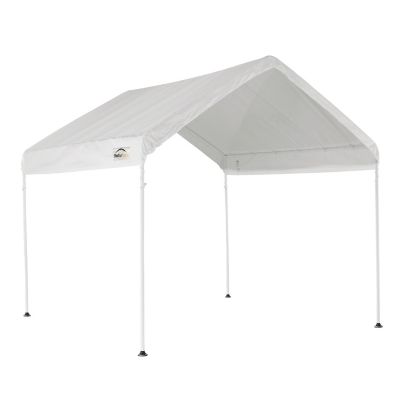
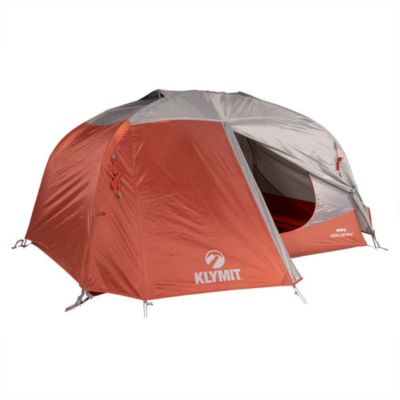
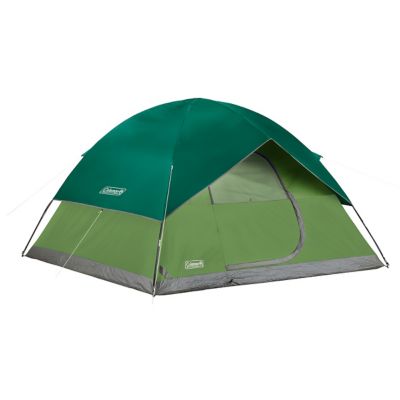
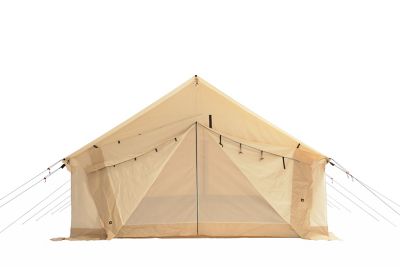
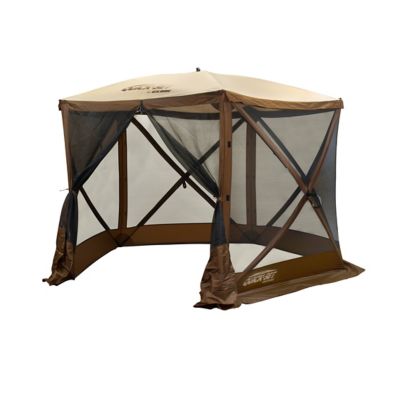
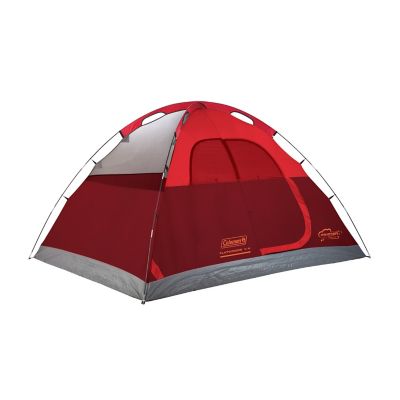
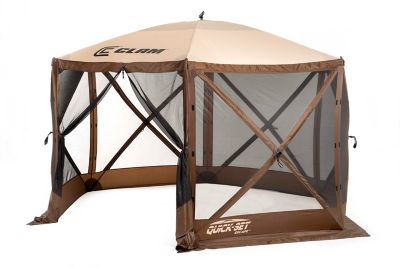
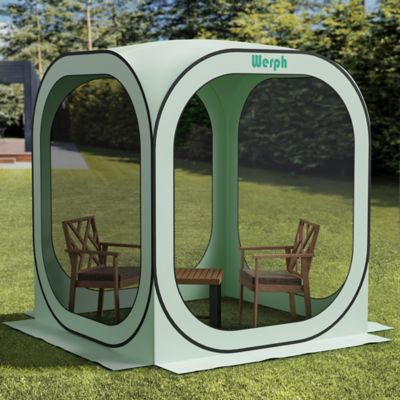
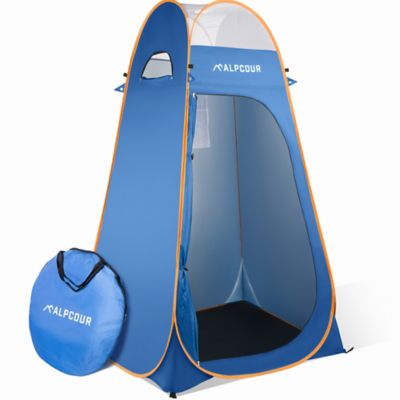
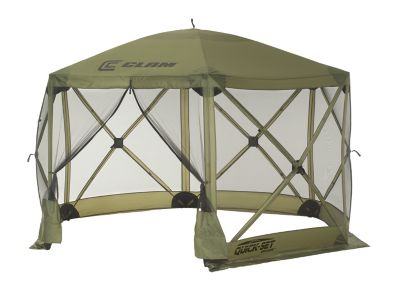
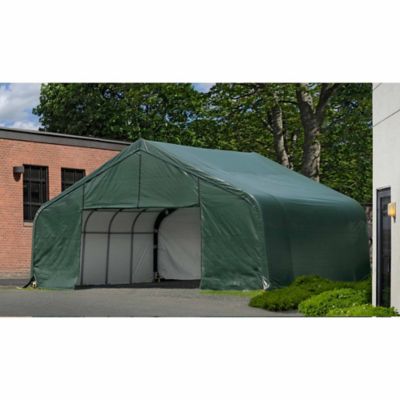
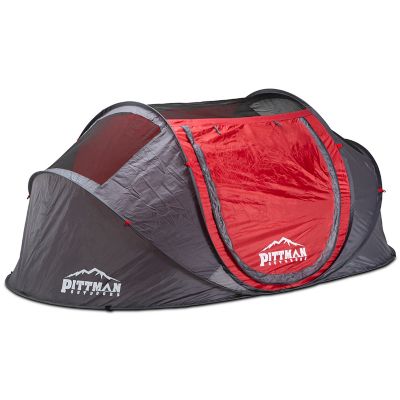
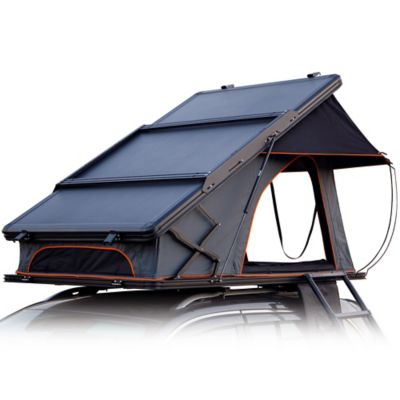
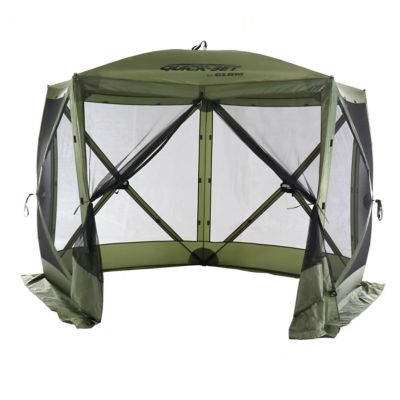
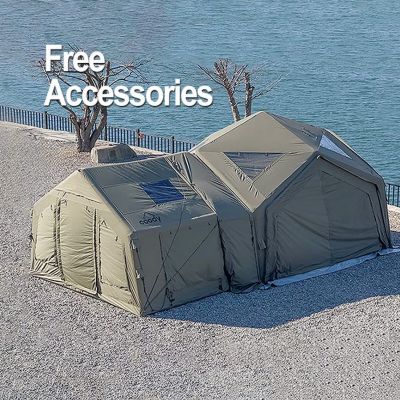
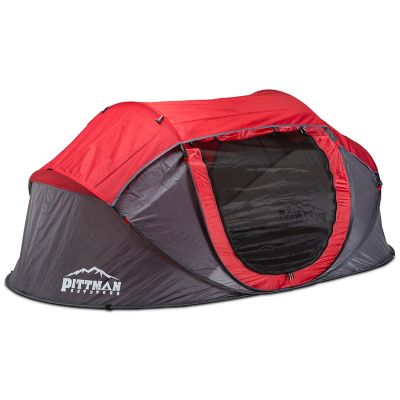
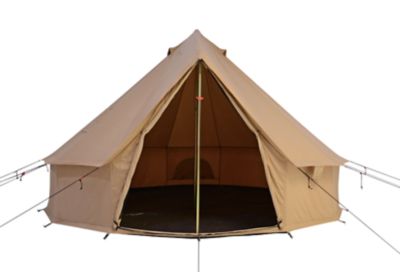
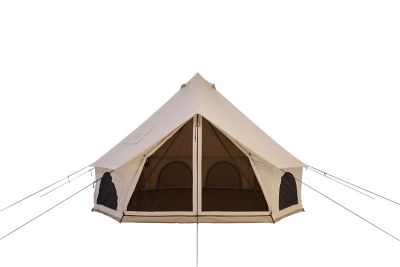
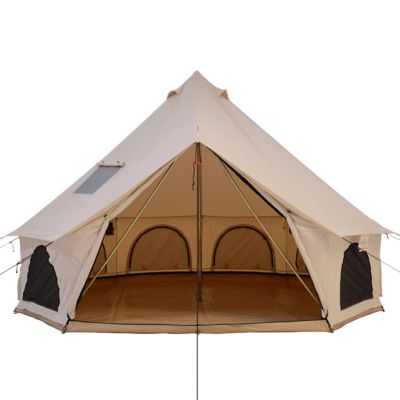
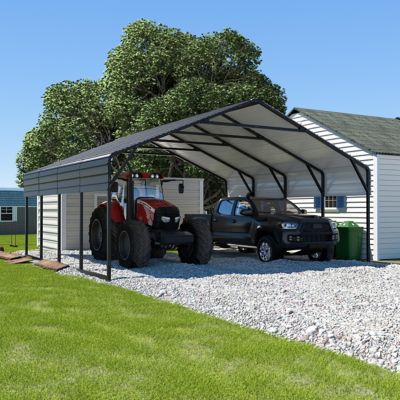
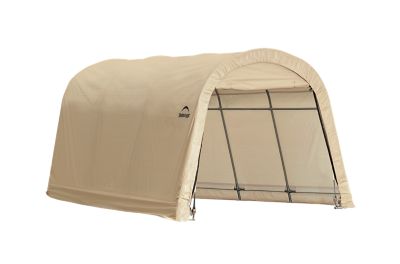
Wilderness survival shelters are made for people who spend time beyond the reach of a cabin, campground restroom, or paved road and want a dependable way to add protection from the elements. Hunters, hikers, campers, anglers, homesteaders, trail riders, and outdoor work crews may all keep shelter supplies close at hand, whether they are planning a backcountry trip or putting together a practical emergency kit for the truck. A good shelter can help block wind, rain, cold ground, and strong sun while giving you a dry place to rest, warm up, sort gear, or wait out a rough patch of weather. These supplies also make thoughtful gifts for someone who enjoys camping, bushcraft, land stewardship, or learning useful outdoor skills. When choosing items from a wilderness survival shelter collection, think about the kind of country where they will be used, how much weight a person is willing to carry, and whether the setup needs to be quick and simple or sturdy enough for a longer stay. A compact shelter system may suit a day hike or emergency pack, while a larger, tougher setup can be useful around a hunting camp, remote property, or roadside gear box. Look for materials that can stand up to repeated handling, secure tie points, reinforced edges, dependable fasteners, and a size that gives enough coverage without becoming a burden to haul. It also helps to consider color, visibility, packability, and whether the shelter can be used alone or alongside sleeping gear, blankets, cordage, ground covers, and other basic outdoor equipment.
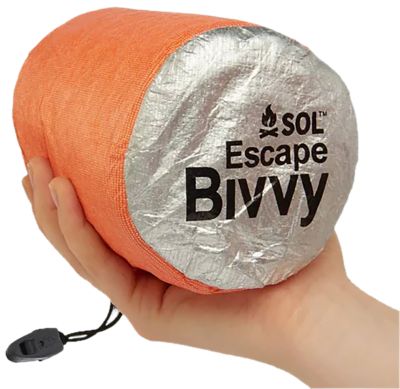
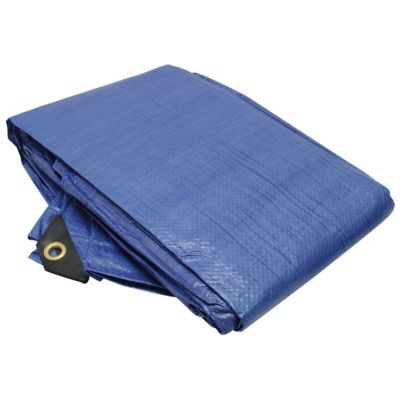
Different shelter styles serve different needs. A tarp shelter is often valued for fast setup and flexibility; it can be pitched in several shapes to shed rain, create shade, or open one side toward a fire-safe work area. A-frame shelters offer a familiar sloped design that can help move rain away from the sleeping space, while low-profile configurations are useful when reducing exposure to wind or keeping a camp less noticeable. A bivy-style cover or compact emergency shelter can be a practical choice when every ounce matters and the main goal is to create a barrier between a person and damp ground, blowing weather, or overnight chill. In colder conditions, a debris shelter relies on a small frame covered with a deep layer of natural insulation such as leaves, pine needles, and other dry plant material. That style takes more time and suitable surroundings, but it shows why access to shelter-building supplies, cordage, cutting tools, and ground insulation can make a real difference. Whatever type fits the trip, the location matters just as much as the material. Set up on firm, reasonably level ground that is high and dry, away from creek beds, drainage channels, low hollows, and places where water may collect. Check overhead for dead limbs, leaning trees, loose rocks, and other hazards before settling in. A sheltered spot can reduce wind, but avoid areas beneath damaged branches or near trees that could fall. Keep a safe distance from flames and heat sources, and allow enough ventilation to prevent moisture buildup or unsafe fumes. In wet country, a ground cover and a well-tensioned roof can help keep clothing and bedding from soaking through; in hot country, shade and airflow may be the priority. During the cooler months, a snug design with room for insulation underneath can help conserve body heat, while a more open pitch may be welcome as the weather warms.
The best wilderness survival shelter supplies are the ones a person can understand, carry, and use with confidence before heading out. Practice setting up the chosen shelter in the yard, at a campsite, or on familiar rural ground so knots, stakes, tie-outs, and adjustments feel natural when daylight is fading or rain is moving in. Check the packed size against the rest of the load, and consider keeping a small shelter kit in more than one place: a hiking pack, hunting bag, farm vehicle, or emergency storage tote. Extra cordage, sturdy stakes, repair material, and a way to protect the shelter from sharp sticks or rough soil can be useful additions, especially when a trip takes place far from a store. Natural materials may help with insulation or anchoring, but they should be gathered responsibly and only where local rules allow; do not cut live trees or damage protected areas. Shelter supplies can also serve around a rural property when a person needs temporary cover while checking fence lines, working in a remote pasture, or caring for animals during changing weather. For information about a different kind of outdoor protection, see
Outdoor Animal Shelter. Whether the goal is a planned camp, a backup for an unexpected delay, or a practical gift for an outdoors-minded friend, choosing shelter gear with weather, terrain, comfort, and safety in mind helps turn a pile of supplies into a dependable place to get out of the elements.