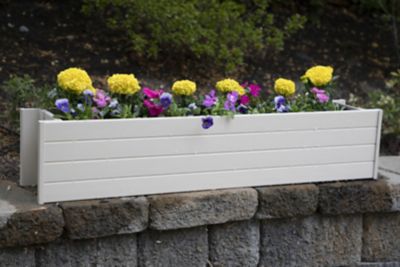
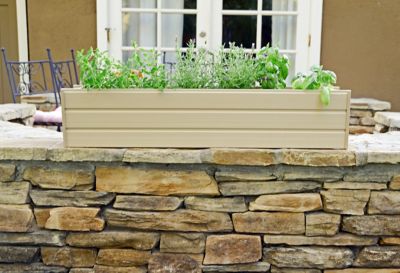
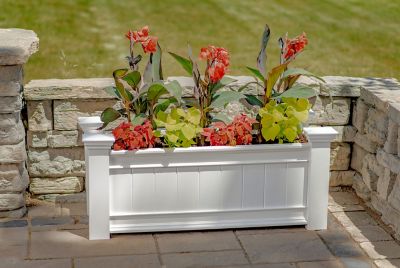
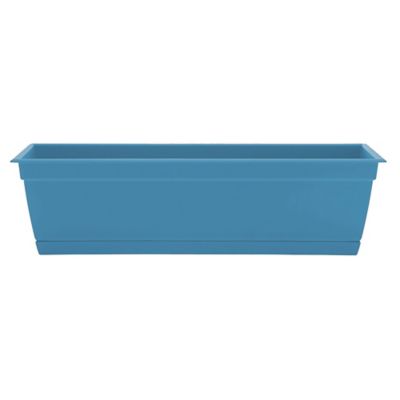
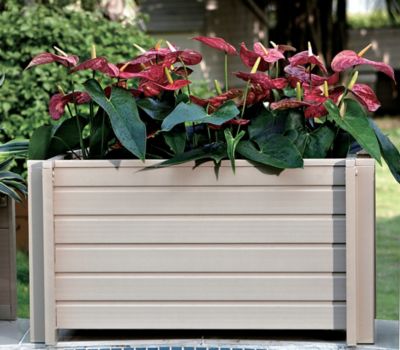
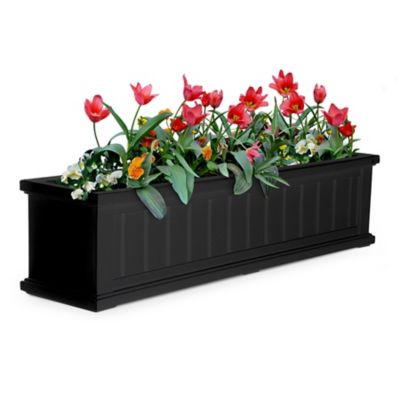
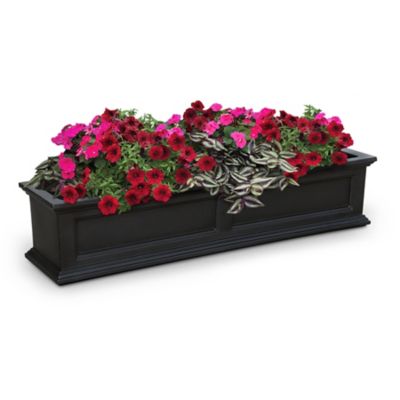
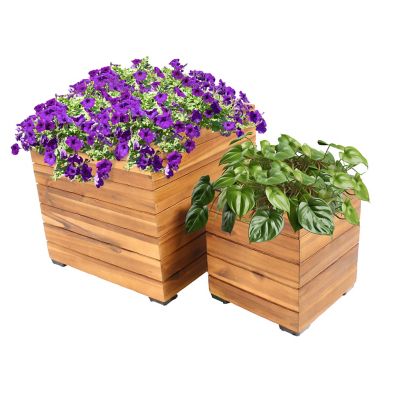
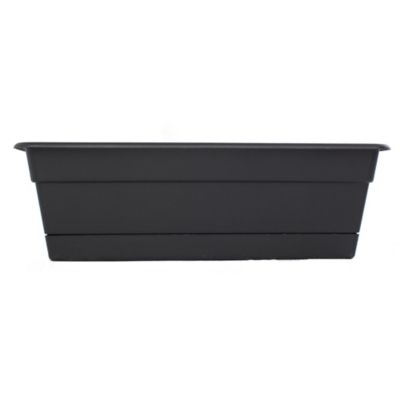
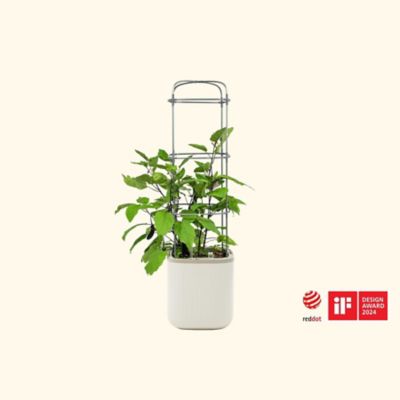
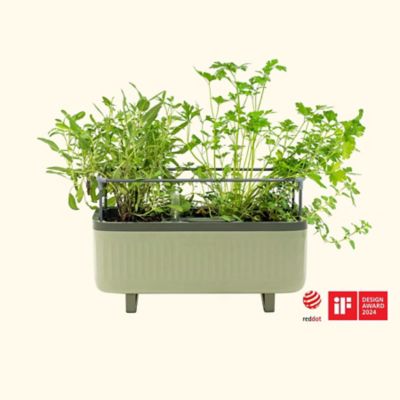
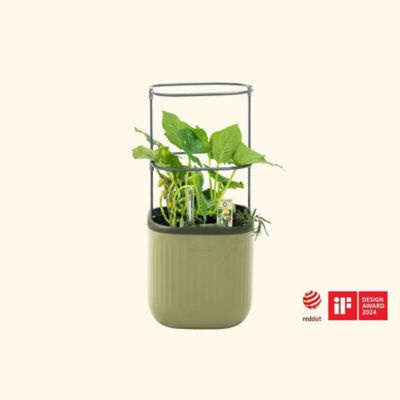
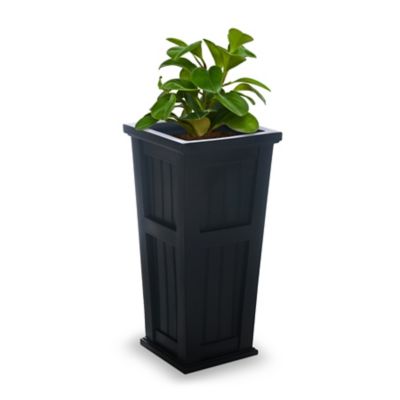
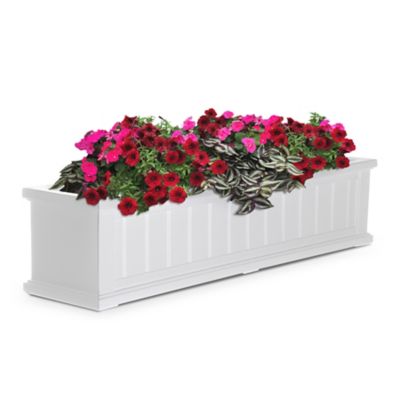
Outdoor window planter boxes bring a little garden life up where it can be enjoyed from the kitchen, porch, or driveway. They’re a handy choice for homeowners who want to dress up bare windows, add color to a plain exterior, or grow a few useful plants without giving up much yard space. A well-placed box can frame a window with trailing flowers, fresh herbs, compact greens, or seasonal foliage, making even a small home, rental, shed, barn office, balcony, or townhouse feel more welcoming. They also work nicely for gardeners who have limited ground space, older folks who prefer plants at an easier working height, and anyone who likes to keep a close eye on flowers and herbs near the house. Window boxes can make thoughtful gifts for new homeowners, gardeners, porch decorators, or friends who enjoy adding a bit of country charm to their outdoor spaces. When choosing among outdoor window planter boxes, start with the window itself. Measure the width of the area where the box will sit or hang, then consider how much room should be left at each side for a balanced look. A box that is close to the width of the window often creates a neat, finished appearance, while a smaller box may suit a narrow window, porch wall, railing, or grouped display. Keep the depth and height in proportion to the siding, trim, shutters, and other details around the window so the planter adds character without looking bulky. Style matters, too. Natural wood tones fit comfortably with farmhouse, rustic, and cottage exteriors, while clean-lined finishes pair well with modern homes. Traditional shapes can highlight older architecture, and a simple neutral finish can blend with nearly any siding color. White planters are especially easy to coordinate with trim and bright exterior details; browsing
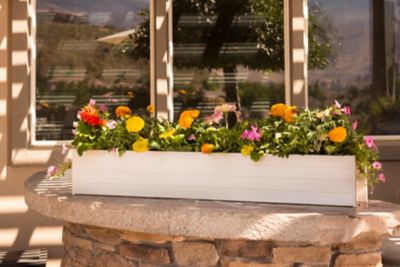
White Window Box Planters can help narrow down options for a crisp, classic look.
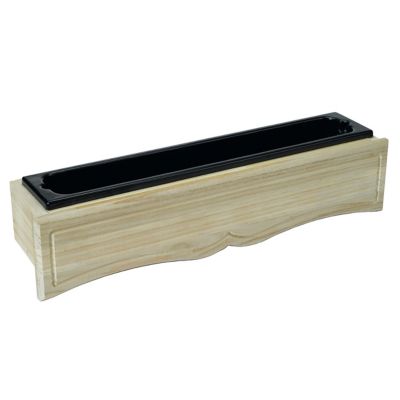
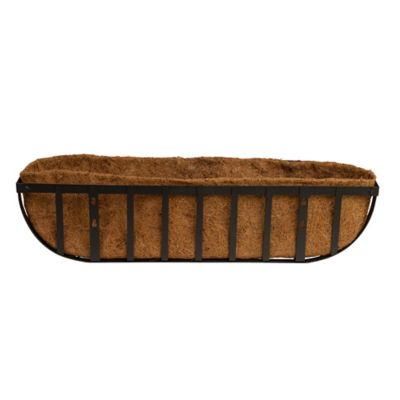
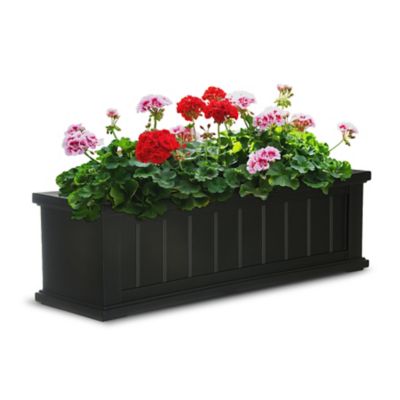
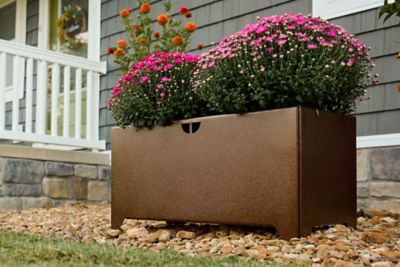
Material is another important part of choosing an outdoor window planter box, especially when it will stay exposed to sun, rain, wind, and changing temperatures. Cedar and other naturally weather-resistant woods offer warm grain and a familiar farmhouse feel, though wood may need occasional care to keep its finish looking fresh. Metal boxes, including styles with a classic iron look, can provide a sturdy, decorative touch and hold up well when properly finished against rust. PVC and other durable synthetic materials are often lightweight, low maintenance, and easy to coordinate with painted trim. Look for a construction that feels solid without being unnecessarily heavy, since the weight of the planter, soil, water, and mature plants all add up. Drainage is essential for healthy roots. Excess water needs a way to escape so soil does not stay soggy after a storm or a thorough watering, and drainage holes should be paired with a setup that protects the siding, sill, porch, or railing underneath. Removable liners can make planting and seasonal cleanup simpler, while self-watering reservoirs may help stretch the time between waterings during warm, dry spells. Mounting hardware deserves just as much attention as the box itself. Brackets should be rated for the loaded weight and suited to the mounting surface, whether that is wood, masonry, vinyl siding, a porch rail, or another sturdy structure. Adjustable, heavy-duty brackets can make installation easier, but they still need to be secured into sound material and positioned so the planter stays level. On a railing or balcony, confirm that the box and hardware fit securely without rubbing or scratching the surface. A properly supported box should not wobble when filled, and it should leave enough clearance for watering, plant growth, and routine cleaning. If the planter will be mounted high above a walkway or door, dependable support is especially important for household safety.
Plant selection gives each window planter box its own personality. Pay attention to how much direct sun the window receives, whether the spot is shaded by an overhang or nearby tree, and how exposed it is to wind. Plants that enjoy bright light may flourish on a sunny south- or west-facing wall, while shade-tolerant flowers and foliage are better suited to a cooler, covered location. A simple “thriller, filler, spiller” arrangement can bring a full, layered look: choose one taller plant for height, several middle-growing plants to fill the center, and trailing plants to soften the edges. Compact flowers, trailing vines, parsley, thyme, chives, lettuce, and other small herbs can all work well when their light and moisture needs match. During the cooler months, hardy foliage, ornamental grasses, evergreen accents, and weather-tough seasonal plants can keep a box from looking empty after summer blooms fade. In areas where freezing weather is common, choose materials made for outdoor use and avoid fragile containers that may crack during repeated freezing and thawing. Check the soil from time to time, water when the top layer begins to dry, and feed plants according to their needs rather than on a one-size-fits-all schedule. Removing faded blooms helps many flowering plants produce more color, while trimming overgrown stems keeps the display tidy and prevents plants from crowding the window. A little care goes a long way: a box filled with healthy plants can soften hard siding, brighten a porch on a gray day, and give a home that lived-in welcome from the road to the front door.