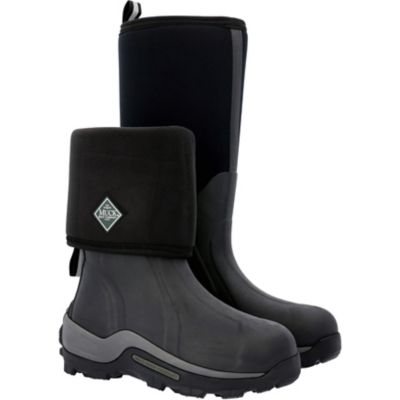
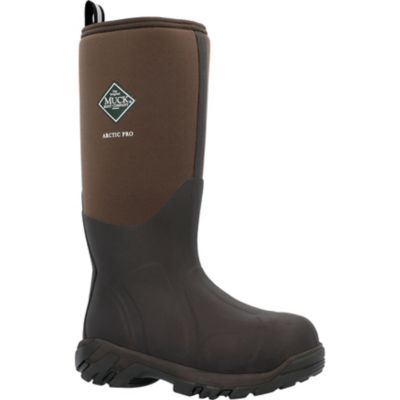
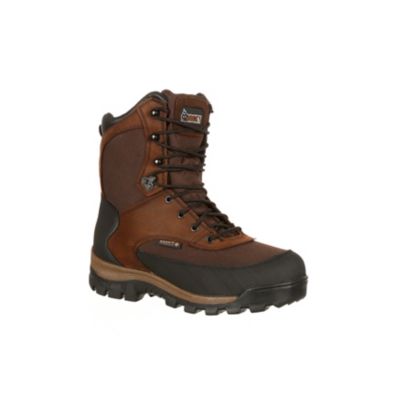
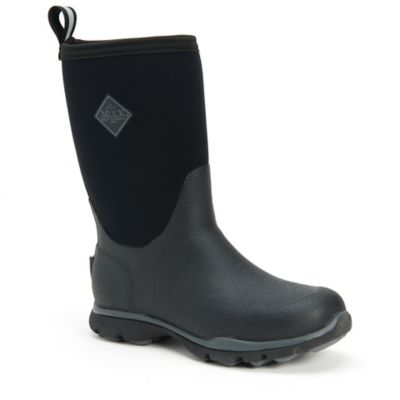
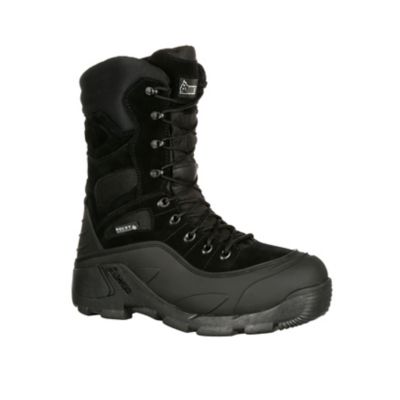
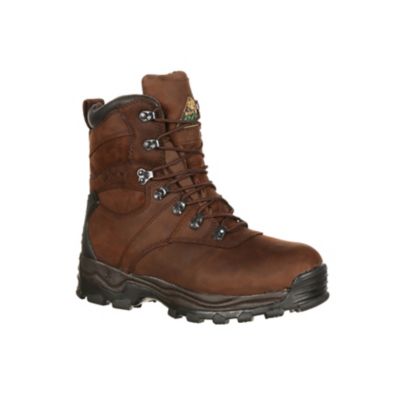
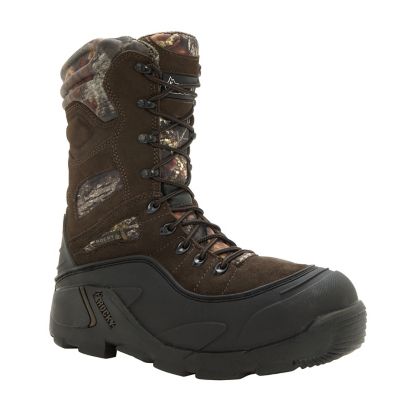
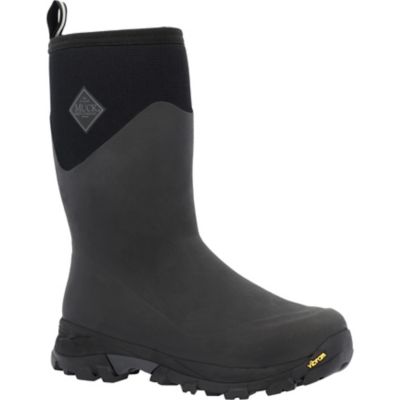
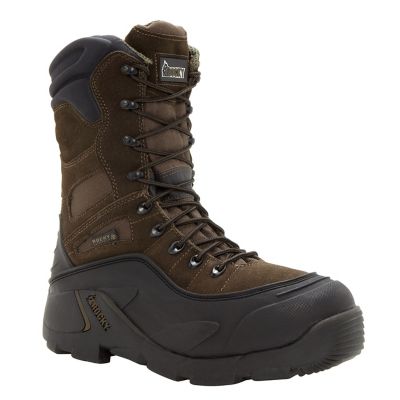
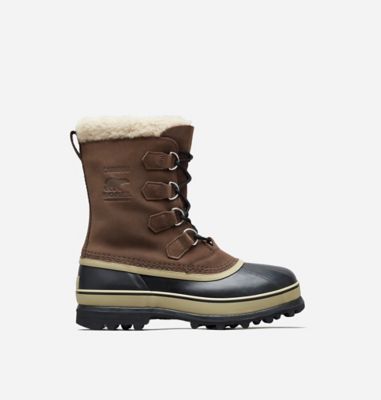
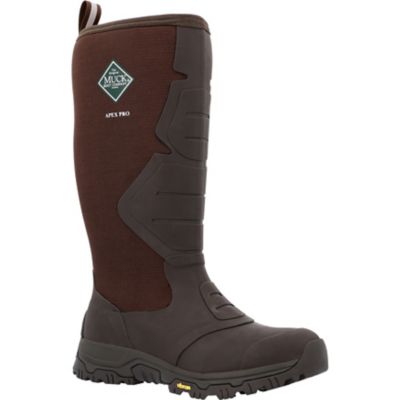
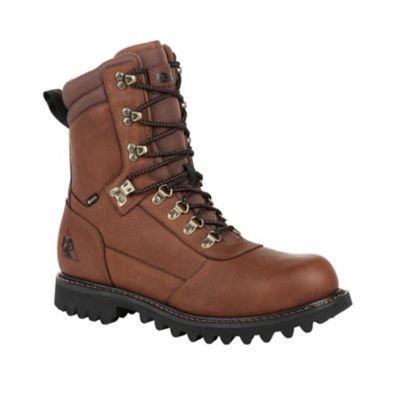
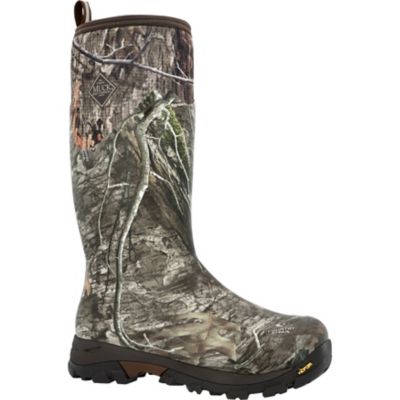
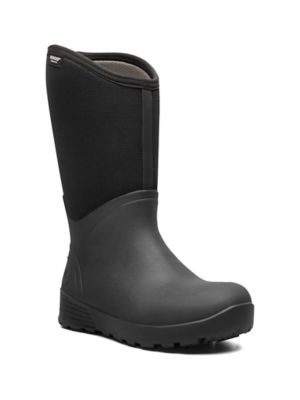
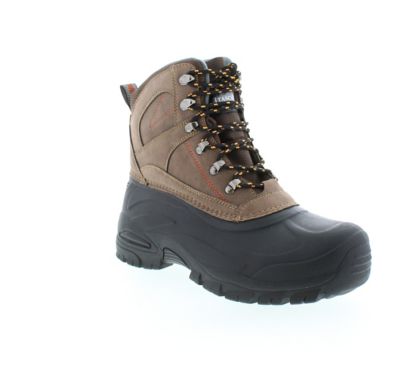
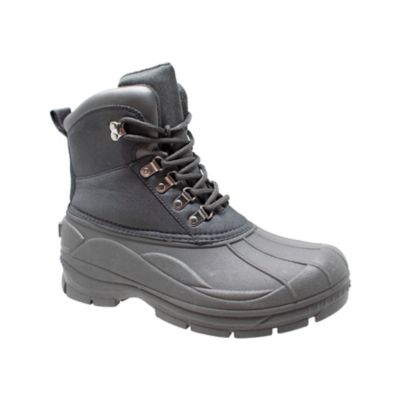
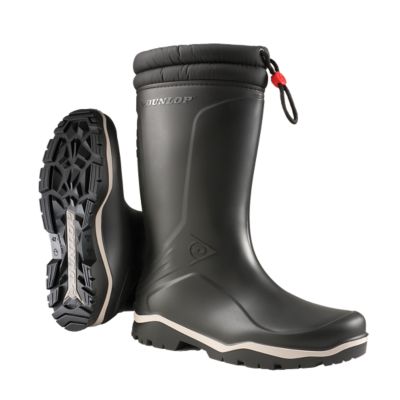
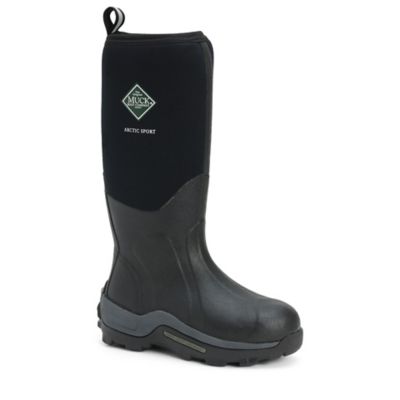
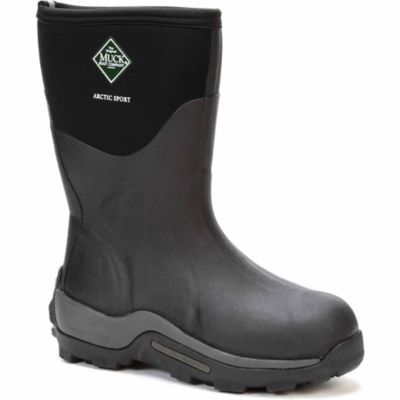
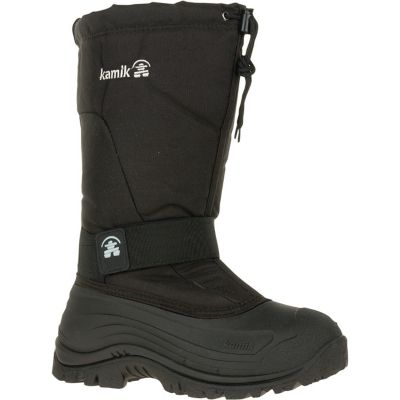
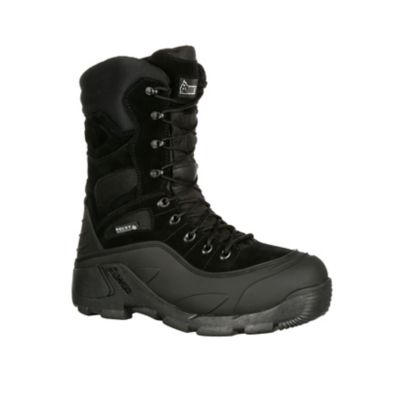
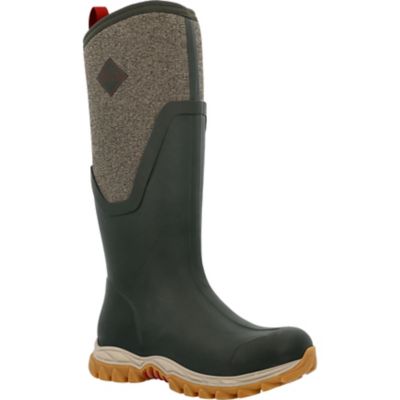
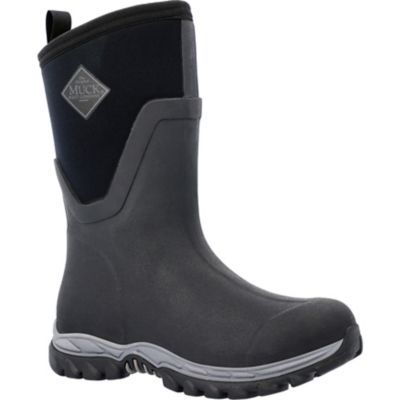
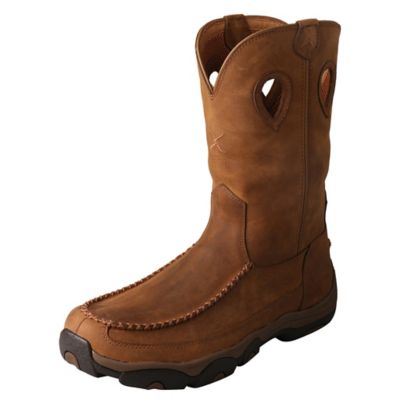
Men's winter walking boots bring together warmth, weather protection, and underfoot comfort for getting around when paths turn cold, wet, or snowy. Waterproof construction, insulation suited to the activity, and rubber outsoles with well-spaced tread are useful features for walks along a gravel lane, trips across the property, and outings on packed trails. The right balance depends on how far the walk goes and what the ground looks like along the way. A short stretch from the house to the barn puts different demands on footwear than several miles through slush and shallow snow. Leather uppers offer structure and can hold up well against everyday scuffs with proper care, while textile panels can reduce weight and let the boot flex more easily. Rubber coverage around the lower foot helps shield against wet ground and splashes, though the height of that coverage matters when stepping into deeper puddles. Waterproof membranes and sealed seams help keep outside moisture from reaching the foot; water-resistant materials generally provide less protection against prolonged wet conditions. A gusseted tongue can help limit entry points for snow and debris, while a higher shaft adds coverage around the ankle. None of those features replaces keeping water below the boot opening. Insulation helps retain body heat, but more insulation is not automatically better for every walk. Someone moving steadily up a long incline may need less warmth than someone taking slow laps around the yard with frequent stops. Breathable construction and socks that move moisture away from the skin help manage dampness inside the boot. That matters because sweaty socks can leave feet feeling chilled once the pace slows. For everyday winter walking, the most practical combination is enough protection for the conditions without so much weight or stiffness that each step feels like extra work.
Comfort starts with fit, especially when a walk includes uneven ground, a few hills, or a long stretch of hard-packed driveway. Men's winter walking boots should hold the heel securely while leaving room for the toes to move without pressing against the front or sides. Thick socks take up space, so the socks worn for winter outings belong in the fit check. Simply sizing up can leave the heel sliding and the foot shifting on slopes; the shape and width of the boot matter as much as the number on the box. A roomy toe box can accommodate warmer socks, but an overly tight fit can restrict circulation and work against warmth. Laces that adjust through the forefoot and ankle help fine-tune the hold, while padded collars can ease pressure where the boot meets the lower leg. Shoppers comparing
Comfortable Walking Winter Boots can consider cushioning, arch support, flexibility, and weight together rather than judging comfort by a soft lining alone. A cushioned midsole takes some of the sting out of repeated steps on firm ground, and a supportive footbed helps keep the foot settled during longer outings. Removable footbeds can make room for compatible inserts, provided the change does not crowd the toes or lift the heel too high. Some flex at the forefoot helps the boot move with a walking stride, while a stable heel and broad sole can feel more planted on uneven paths. Traction deserves the same attention as cushioning. Deep, open tread can bite into loose snow and shed some mud, while the rubber compound affects how the sole behaves in cold conditions. Tread alone does not make a boot slip-proof on smooth ice, and shaded patches near gates, steps, and water troughs still call for caution. Compatible traction aids may add grip where the walking surface allows, but their fit and intended surfaces matter. Winter walking footwear also does not take the place of work boots with the safety features a particular job requires.
The way boots are worn and cared for has a lot to do with how well they hold up over repeated outings. Reinforced toes and heels help protect areas that catch rocks, brush, and the occasional scrape against a porch step. Strong stitching, secure sole attachment, and lacing hardware that feels firmly anchored are worth a close look, particularly for footwear that will cover a lot of ground. Leather, textile, and rubber each need care suited to the material, and the manufacturer's directions are the best starting point for cleaning and treatment. Brushing away loose dirt and wiping off road salt before it sits can help keep buildup from working into seams and surface creases. Smooth leather may benefit from an appropriate conditioner, while waterproof treatments should match the upper material and any membrane inside. A treatment intended for one finish may change the look or performance of another. After a wet walk, opening the laces and taking out removable insoles gives trapped moisture a better chance to escape. Drying at room temperature, away from a woodstove, radiator, or other direct heat, helps protect leather, adhesives, and other components. A second pair can give damp boots more drying time between outings, especially when daily walks cross slushy ground. Regular checks for worn tread, separating seams, and cracked material can catch changes that affect comfort or footing before a long walk. These boots suit men who spend time outside beyond the truck cab, whether that means walking a fence line, heading down a snowy lane with the dog, or taking a quiet trail loop. They can also make a thoughtful gift for someone who enjoys being outdoors in winter, with fit, usual walking distance, and typical terrain doing more to guide the choice than looks alone. A pair that feels right through the heel, gives the toes breathing room, and matches the day's footing is easier to reach for when there is ground to cover.