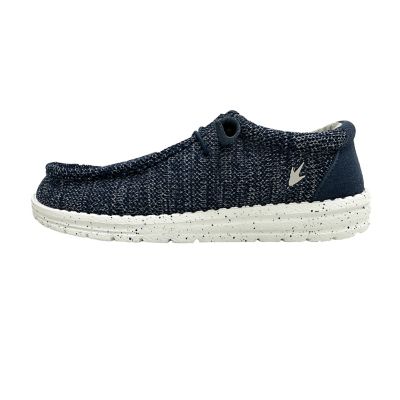
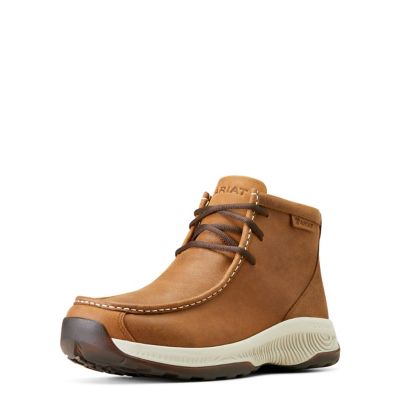
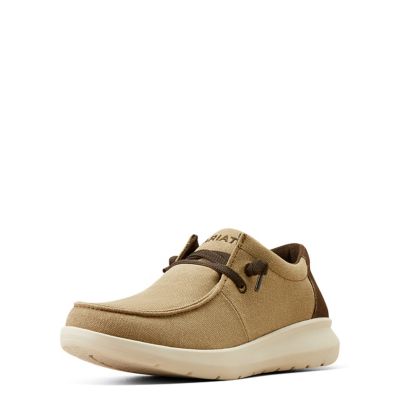
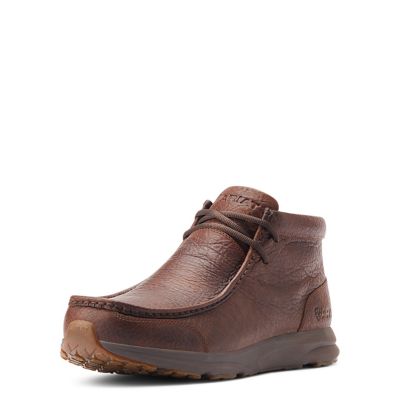
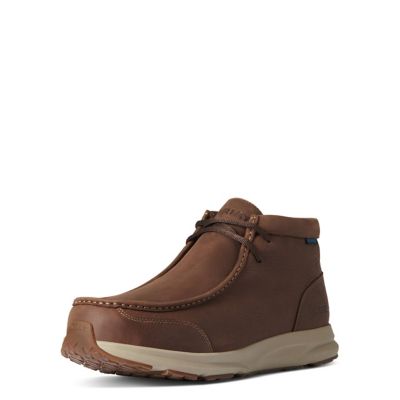
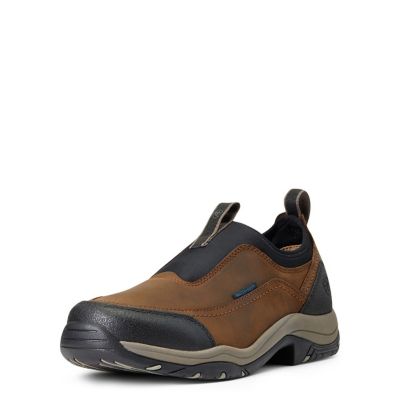
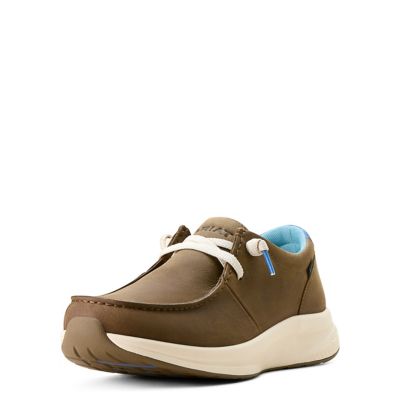
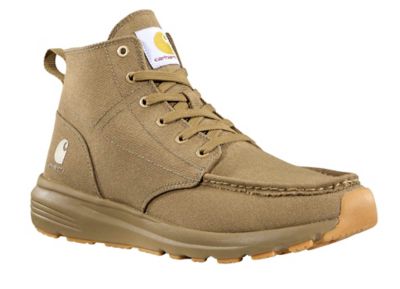
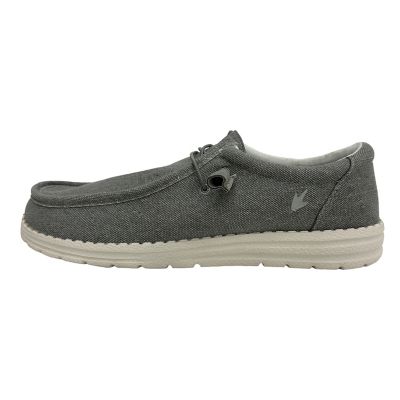
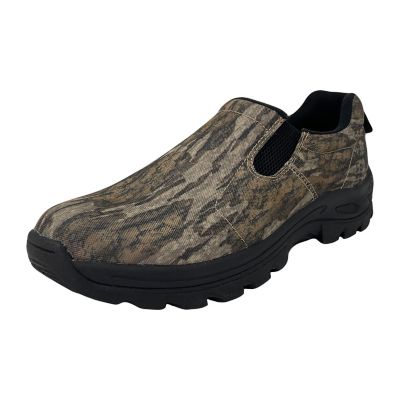
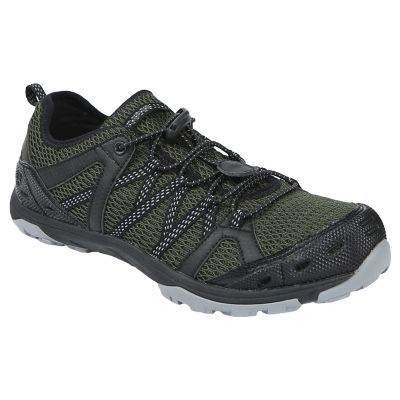
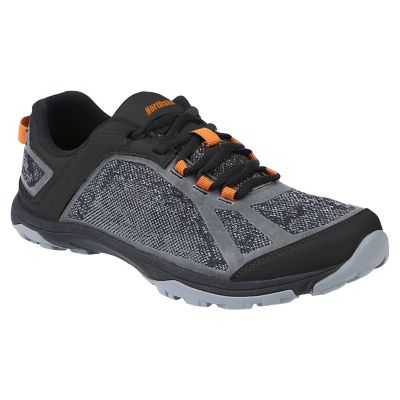
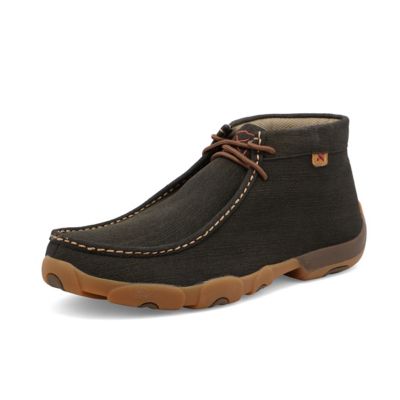
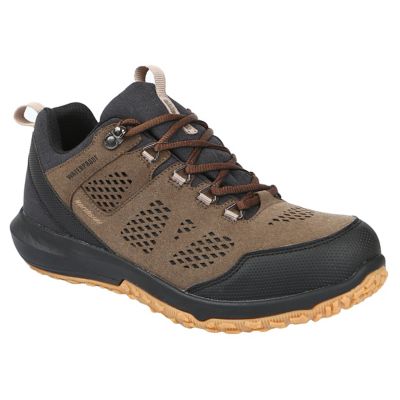
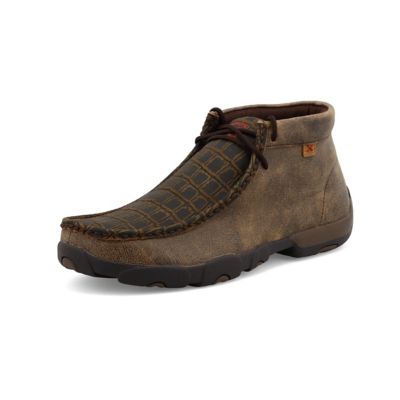
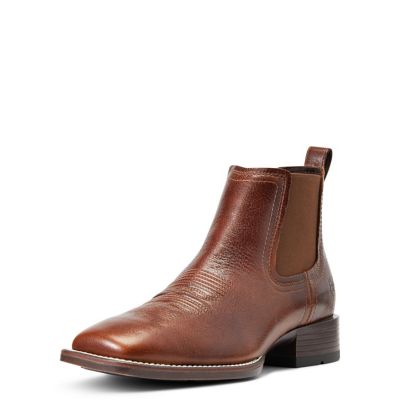
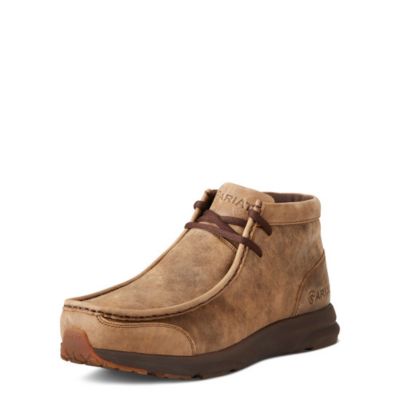
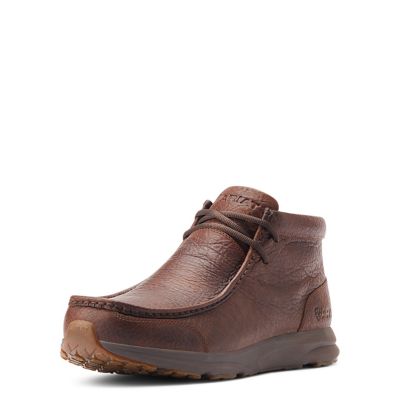
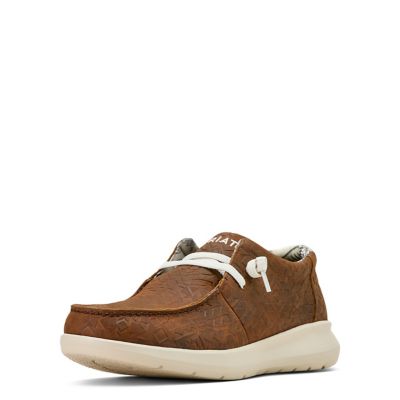
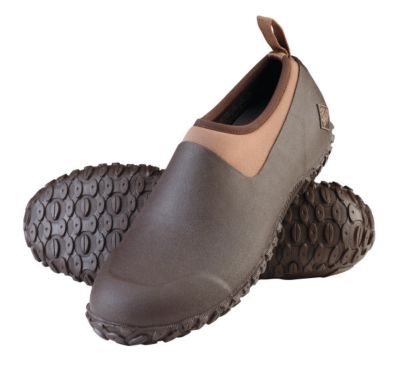
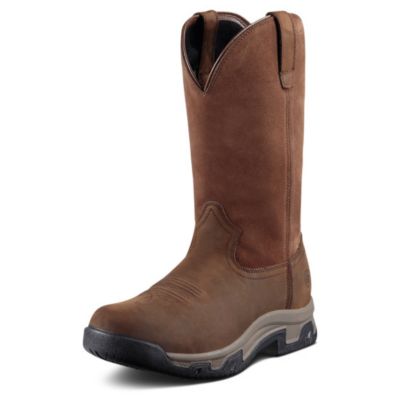
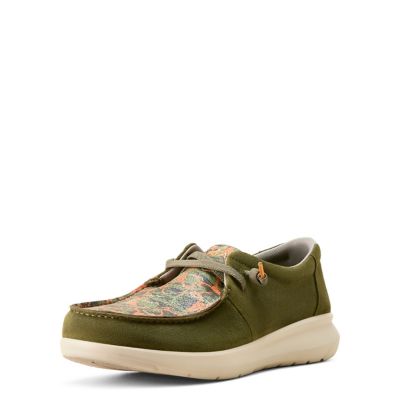
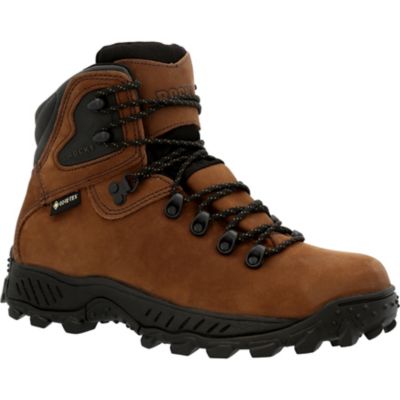
Men’s casual outdoor shoes combine the easy feel of everyday footwear with features that help on gravel lanes, packed trails, grassy yards, and the walk from the parking lot into town. They suit days that move between indoor floors and outdoor ground without calling for a heavy boot or a technical hiking shoe. The main considerations are upper material, fit, underfoot support, outsole traction, and how much coverage the day requires. Leather uppers bring a substantial feel and can soften with wear, while suede and nubuck have a textured surface that calls for a little more attention when cleaning. Mesh and woven fabric can reduce weight and allow airflow, making them practical for extended walking and busy days on foot. Combinations of these materials may place firmer panels around the heel and toe while keeping other areas flexible. Lace-up styles allow adjustment across the instep, which helps when feet need a closer hold for uneven ground. Slip-on styles make getting out the door simpler, but their convenience still depends on a snug heel and enough room through the forefoot. Elastic panels should allow entry without leaving the shoe loose once walking begins. Low-cut designs give the ankle freedom to move and pair easily with jeans or everyday work pants. A padded collar can soften contact around the ankle, while a smooth lining helps reduce rubbing. Water-resistant materials and waterproof construction are not interchangeable: membranes, seams, and the opening around the ankle all affect moisture protection. Even a waterproof low-cut shoe can let water enter over its collar. For walks down a dirt road, trips between the house and a garden shed, or an afternoon at a campground, the right balance is usually a shoe that feels manageable on the foot while offering more grip and coverage than a basic indoor slip-on. Casual outdoor footwear serves that middle ground, with comfort for ordinary errands and construction suited to everyday paths beyond the pavement.
Fit matters as much as the materials, especially when a short trip turns into several hours of walking. The heel should stay seated without pinching, the toes should have room to spread, and the widest part of the foot should line up with the widest part of the shoe. A little space in front of the longest toe helps prevent contact when walking downhill or stopping suddenly. Shoes that feel tight across the ball of the foot should not depend on stretching to become comfortable. Trying footwear with the socks normally worn for walks or chores gives a better sense of the fit, and checking both feet accounts for differences in size. A few steps across a flat floor reveal heel movement, but bending, turning, and walking on an incline can expose pressure points that standing still misses. Cushioning should soften each step without making the foot feel unsteady. Foam midsoles often provide a lighter, cushioned feel, while firmer structures can help the shoe hold its shape underfoot. Removable footbeds may leave room for compatible inserts, though extra thickness can reduce space above the toes or lift the heel too high in the collar. Outsole design deserves a close look, too. Defined tread can help on loose dirt, and spacing between tread sections gives small stones and debris room to release. Broad contact areas may feel steadier on hard surfaces, while deeper tread can make more sense for paths with loose material. Traction varies with the surface and the shoe’s design; an aggressive-looking sole is not proof of tested slip resistance. For someone walking a property line, heading to a fishing spot, or standing around a livestock show, secure footing and comfortable support matter more than a rugged appearance alone. Casual outdoor shoes are not a replacement for safety footwear when a task calls for a protective toe, electrical hazard protection, or other rated features. Matching the shoe to the activity keeps an easygoing style from being asked to do a work boot’s job.
Regular care helps men’s casual outdoor shoes stay comfortable and presentable through repeated wear. Brushing away loose dirt before it settles into seams is a good starting point, and checking the tread keeps lodged gravel from following along onto household floors. Smooth leather generally calls for a soft cloth and a cleaner suited to its finish; a compatible conditioner can help keep the material from becoming stiff. Suede and nubuck need products made for their textured surfaces, since ordinary leather treatments can flatten the nap or change the appearance. Fabric and mesh often respond to gentle spot cleaning, but soaking or machine washing should depend on the maker’s care directions rather than guesswork. Let footwear dry naturally with good airflow, away from direct heat that can affect adhesives, leather, and foam. Removing a removable footbed can help the inside dry more thoroughly. Loosening the laces before taking shoes off reduces strain on the heel, and slipping them on with the heel folded down can eventually change their fit. Periodic checks of the lining, seams, tread, and cushioning help identify wear that affects comfort or footing. A sole worn smooth in key areas, a collapsed heel lining, or a midsole that feels uneven deserves attention even when the upper still looks presentable. These shoes can make a thoughtful gift for a dad, husband, brother, or friend who spends plenty of time between the house, yard, and town. Knowing his usual size is helpful, but width, instep shape, preferred closure, and the socks he wears matter just as much. Someone who values quick changes may favor a slip-on, while a walker who likes to fine-tune the fit may appreciate laces. For easygoing outings where open-toe footwear fits the activity,
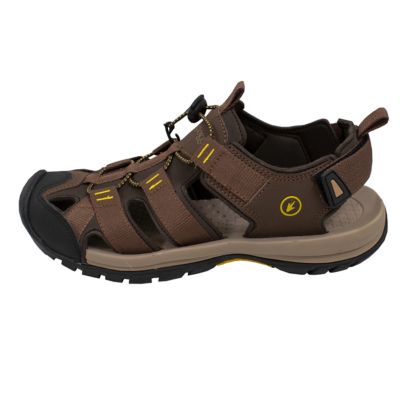
Men's Outdoor Sandals offer another option, while enclosed shoes keep more grit and brush away from the feet. The best match comes down to familiar daily routines: where the walking happens, how long the shoes stay on, and which fit feels comfortable from the first step to the last.