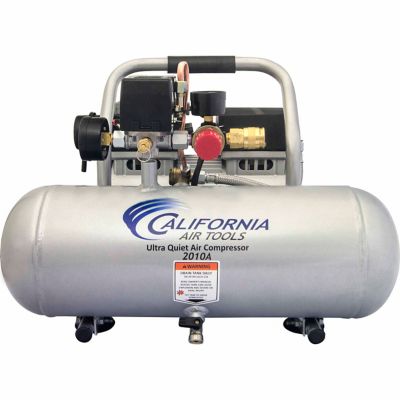
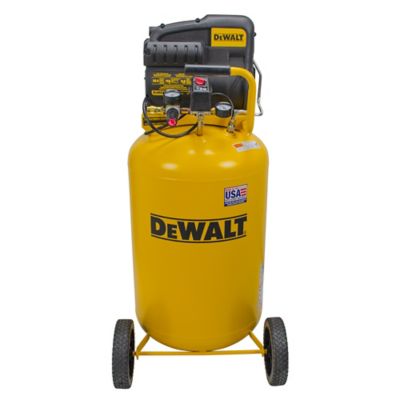
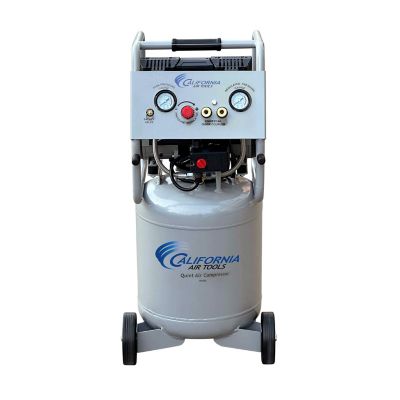
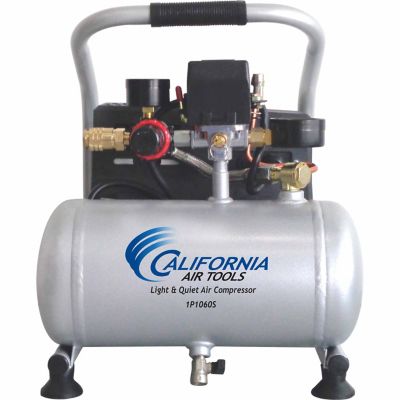
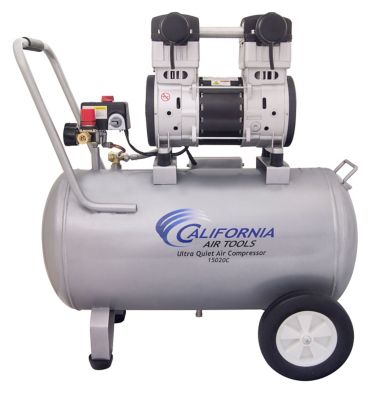
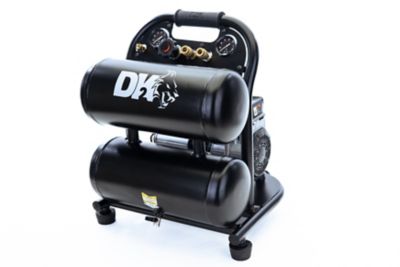
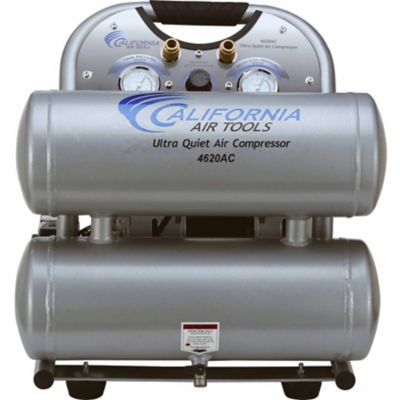
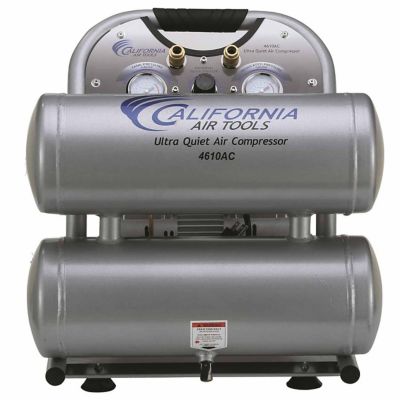
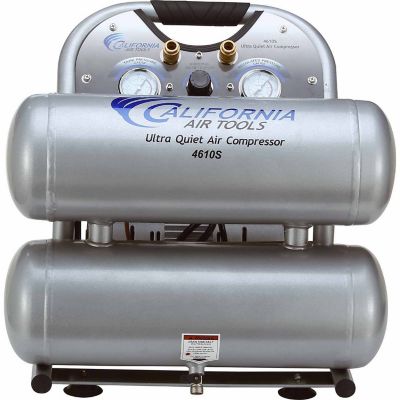
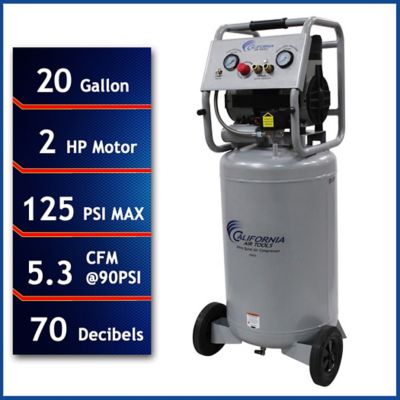
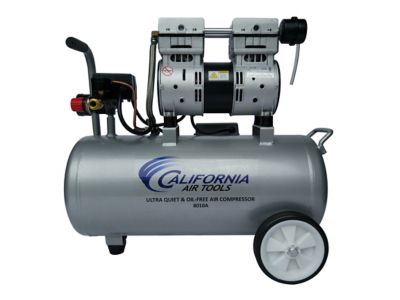
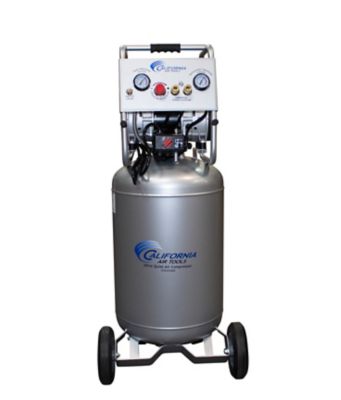
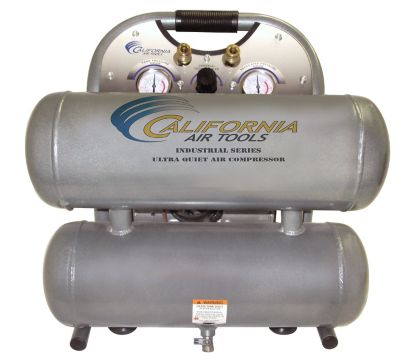
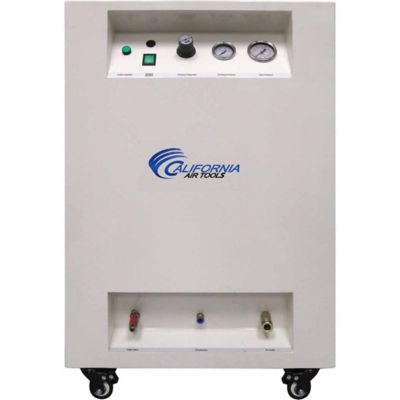
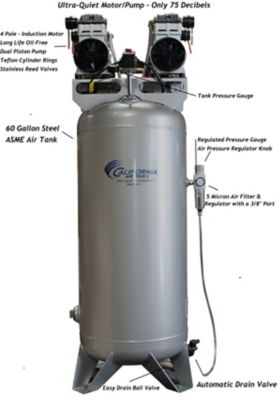
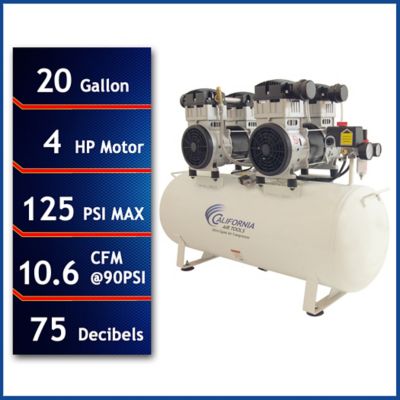
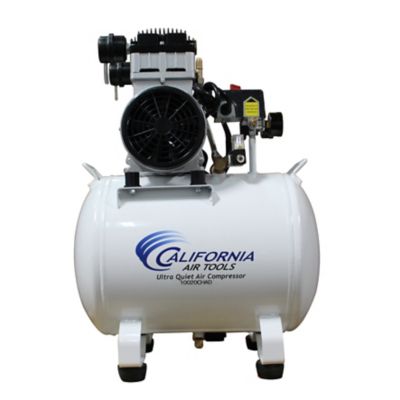
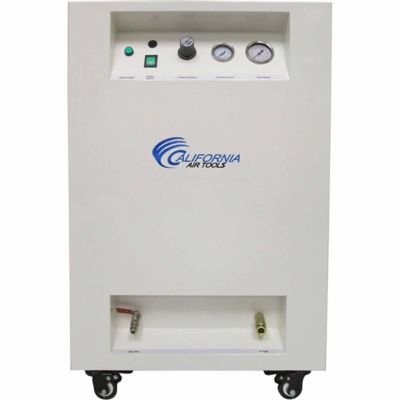
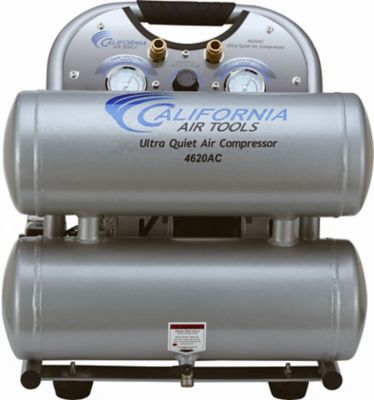
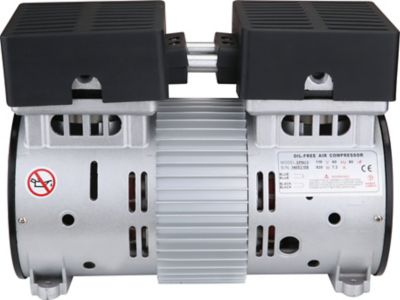
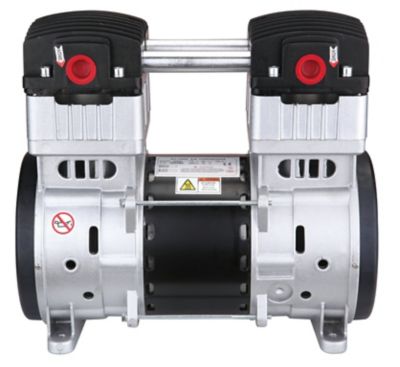
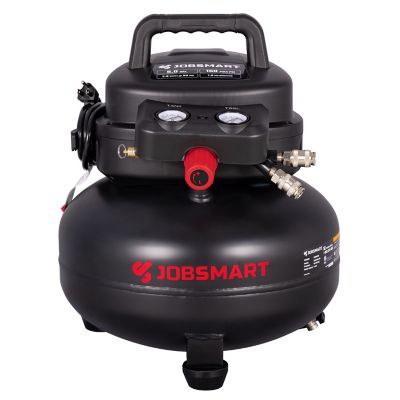
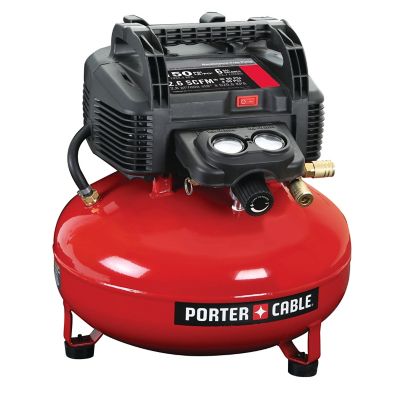
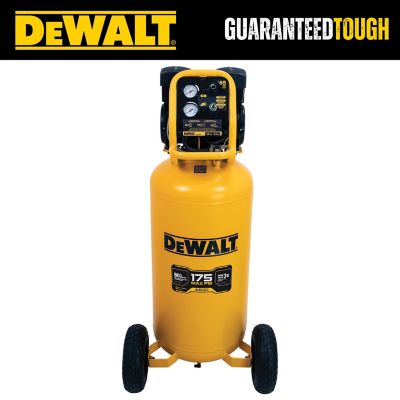
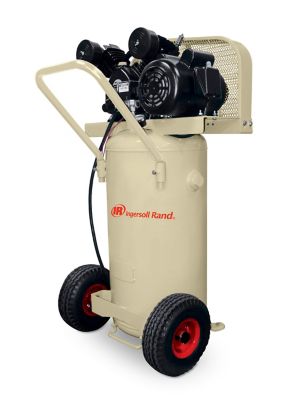
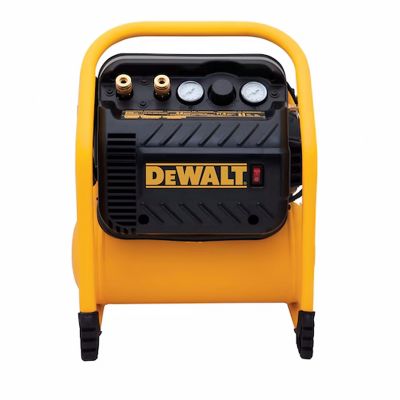
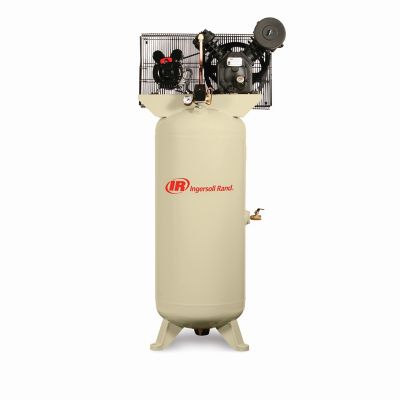
Oil-free air compressors supply compressed air without liquid oil lubricating the pump’s compression chamber. Many designs rely on low-friction materials, coated components, or permanently lubricated bearings, so the pump doesn’t need routine oil checks or oil changes. That makes an oil-free compressor a practical fit for a garage, farm shop, woodworking space, or home workbench where there’s already plenty to keep up with. These compressors can handle jobs such as inflating tires, driving finish nails, and powering compatible pneumatic tools, with performance depending on the machine’s air delivery and the tool’s requirements. A small compressor might serve well for fastening trim around a doorway or topping off a wheelbarrow tire, while longer stretches of work may call for greater airflow and more stored air. Oil-free construction also removes one potential source of oil carryover into the air line, a useful benefit for certain finishing tasks. It doesn’t, however, make the air completely free of moisture, dust, or other contaminants. Painting and other applications with strict air requirements may still need filtration and drying equipment, and an ordinary shop compressor is not a source of breathing air. The appeal for everyday work is simpler pump upkeep, less mess from lubricant handling, and a range of sizes suited to different spaces. Homeowners, woodworkers, property owners, and tradespeople can all find a place for this type of equipment when the compressor’s output matches the job. For someone fastening cabinet trim one day and checking trailer tires the next, the right setup brings several chores back to one air source. Pump construction is only part of the picture, though. Tank size, motor design, controls, sound ratings, and the way the unit carries or rolls all affect how comfortably it fits into a working shop. Those details matter more in daily use than a large pressure number by itself.
Matching an oil-free air compressor to its tools starts with airflow at the required operating pressure. Standard cubic feet per minute, commonly shown as SCFM, describes air delivery under specified conditions, while pounds per square inch, or PSI, describes pressure. A tool needs enough of both to operate as intended. Comparing compressor and tool ratings at the same pressure gives a clearer picture than comparing maximum PSI alone. A finish nailer draws air in short bursts, leaving time between shots for the tank to recover; a sander, grinder, or spray gun can demand a much steadier supply. Impact wrenches also vary widely in their air needs, so a compressor that fills tires comfortably may not keep pace with repeated fastener removal. A larger tank stores more compressed air and can extend the interval before the pump cycles, but it cannot make up indefinitely for insufficient pump output. Recovery time and the manufacturer’s duty-cycle rating help show how a compressor fits repeated work rather than an occasional quick task. For tire inflation, the tire’s volume matters along with its specified pressure: a large implement tire can take considerably longer to fill than a small cart tire. Physical fit deserves the same attention as performance. Pancake tanks often provide a broad, low stance, while narrow horizontal tanks and upright wheeled designs offer other ways to arrange equipment around benches, shelves, and parked machinery. Shoppers working with limited floor space can also compare
Compact Air Compressors, keeping airflow requirements in view alongside size. Carry handles, overall weight, wheel size, and balance influence the trip from the shop to the driveway. Hose length, inside diameter, and coupler compatibility matter, too, since restrictive fittings or a long, undersized hose can reduce pressure at the tool. A well-matched setup keeps the compressor, hose, and attachment working together instead of leaving the tool waiting for air.
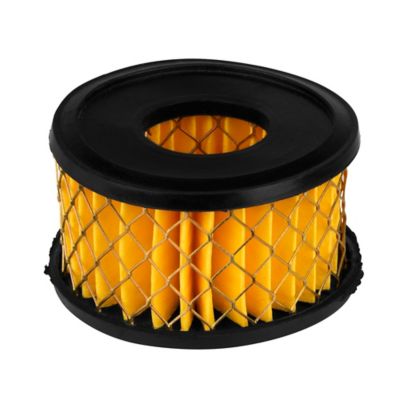
Materials and everyday handling help determine how an oil-free air compressor stands up to regular work. Steel tanks are common, and some designs feature aluminum components that help reduce carrying weight. Protective frames, recessed gauges, sturdy handles, and well-supported wheels can make a difference around a busy bench or when equipment needs frequent moving. Accessible pressure controls and readable gauges make it easier to set tool pressure without reaching around the tank, while a convenient drain location makes routine care less of a chore. Oil-free does not mean maintenance-free: moisture collects inside the tank as compressed air cools, and draining that moisture according to the manufacturer’s directions helps limit internal corrosion. Intake filters may need cleaning or replacement, hoses and fittings need checks for damage or leaks, and pump wear parts can eventually need service. Keeping ventilation openings clear also matters, especially in a shop where sawdust collects around equipment. Before maintenance, disconnect power and release pressure as directed in the manual; a compressor can restart automatically while connected. The tank should never be drilled, welded, or patched to address damage. Electrical fit is another practical consideration, including the required voltage, circuit capacity, and any extension-cord restrictions. Where permitted by the manufacturer, a suitable air hose can provide working reach without stretching the power connection. Sound levels deserve a look in shared garages and enclosed workspaces, but oil-free construction alone does not guarantee quiet operation. Published sound ratings are most useful when measured under comparable conditions, and hearing protection may still be appropriate. Some pneumatic tools need their own lubrication even when the compressor pump does not; a separate hose or properly arranged air line can help keep tool oil away from painting equipment. For a gift, knowing the recipient’s tools, workspace, and power setup matters more than choosing by tank size alone. A compressor that fits those everyday details earns its place beside the workbench, ready for the fastening, inflation, and shop tasks its ratings support.