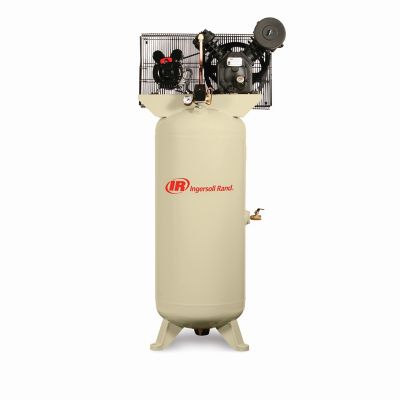
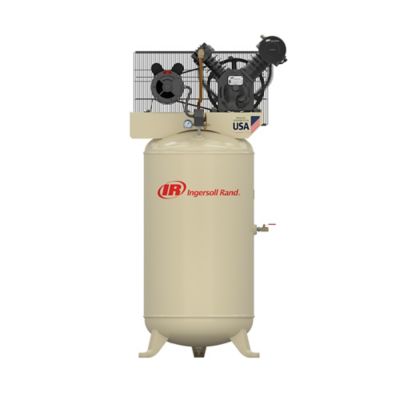
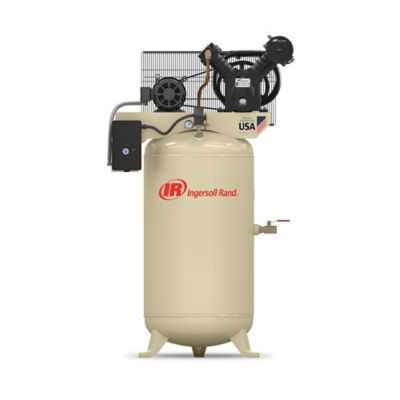
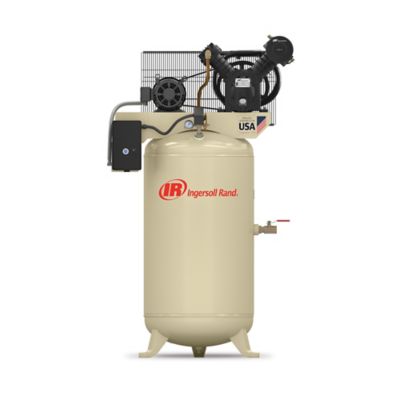
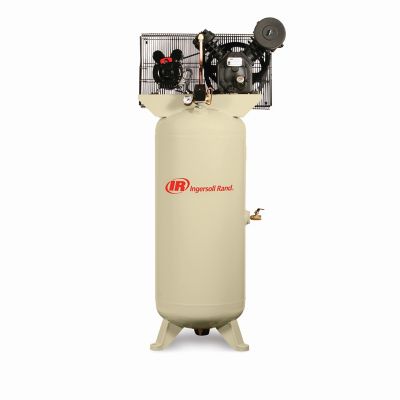
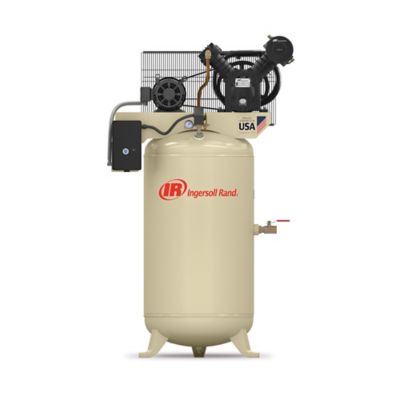
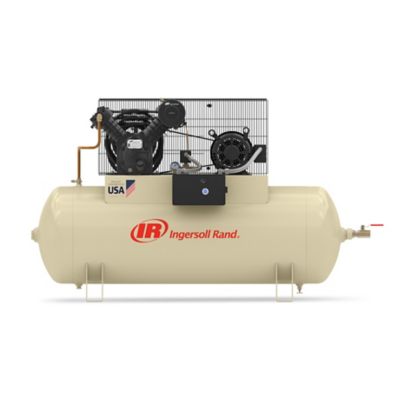
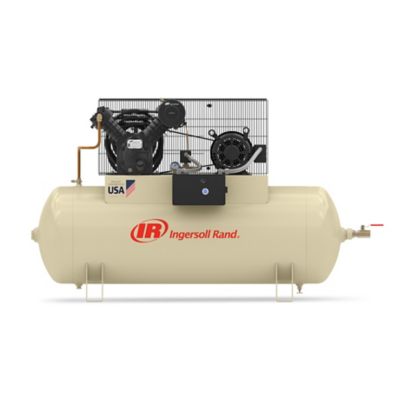
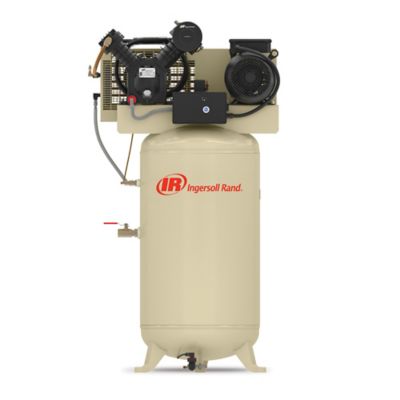
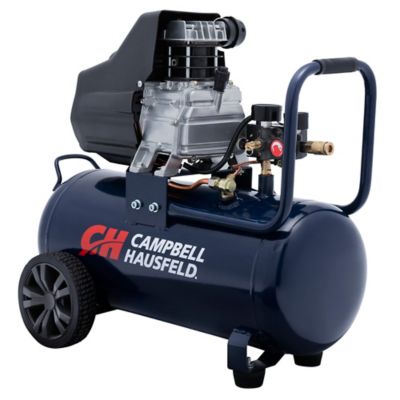
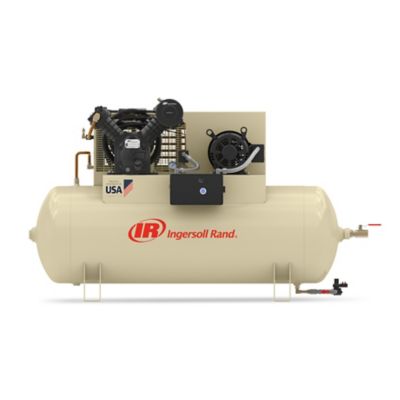
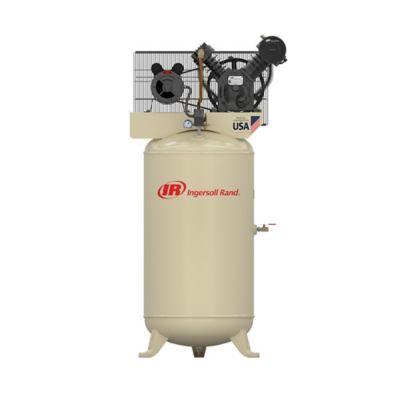
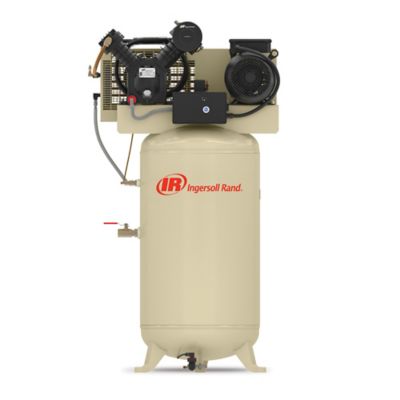
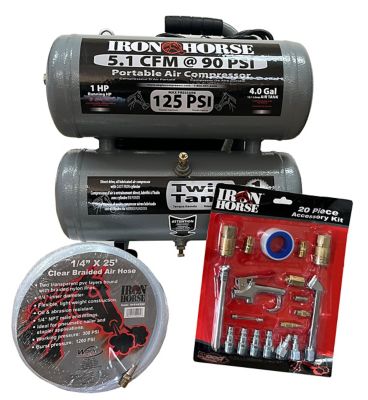
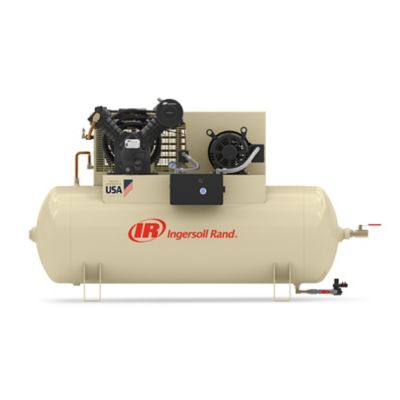
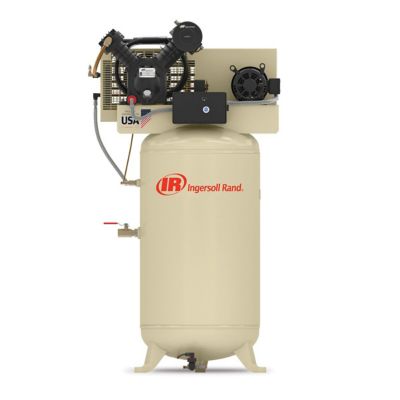
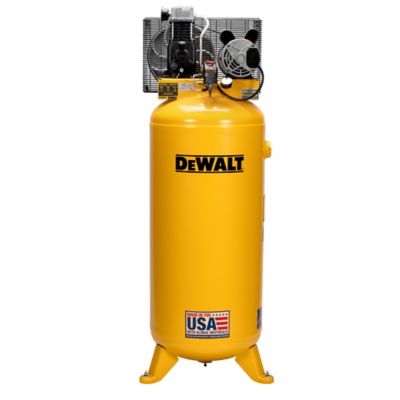
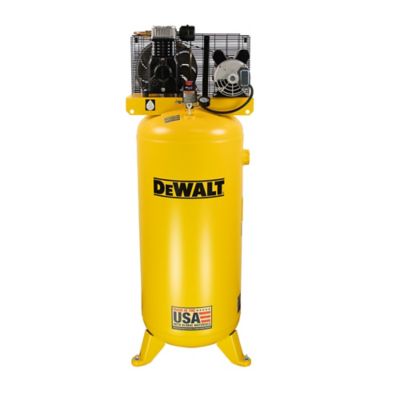
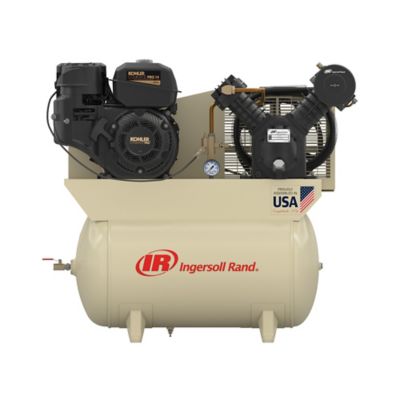
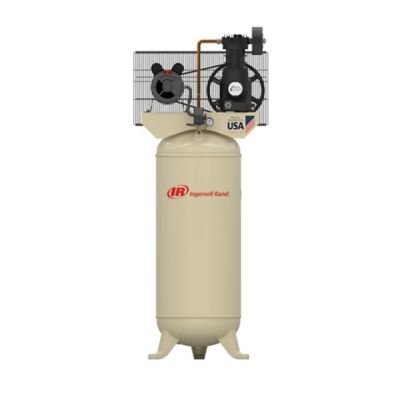
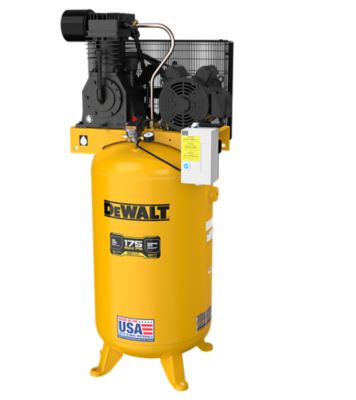
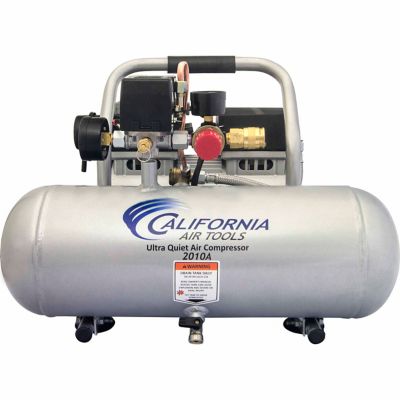
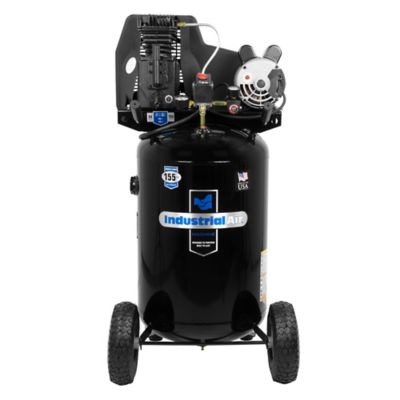
Oil-lubricated air compressors supply compressed air for tire inflation, pneumatic tools, equipment upkeep, and shop work, with oil protecting moving parts inside the compressor pump. In common reciprocating designs, that oil reduces friction between internal components and helps carry heat away as the pump builds pressure. That makes these compressors worth considering for farm shops, automotive workspaces, home garages, and other places where air-powered tools earn their keep. Picture a pickup backed into the shop, a tractor waiting for service, and an air hose reaching across the concrete floor: the right compressor supports those everyday jobs without making every task a stop-and-start affair. Oil lubrication can support a long working life with proper maintenance, and some slower-running, belt-driven designs operate with less noise than faster-running alternatives. Still, lubrication alone does not determine sound level, air output, or how long a compressor can run without a rest. Those details depend on the pump design, motor, cooling system, and stated duty cycle. Compared with an oil-free compressor, an oil-lubricated model adds oil checks and scheduled oil changes to the upkeep routine. In return, it offers a pump design well suited to many demanding shop applications when properly sized for the workload. It is not automatically a continuous-duty machine, and a bigger tank does not change that rating. For shoppers who regularly switch between an impact wrench, an air ratchet, and an inflation chuck, matching the compressor to the work matters more than choosing by tank size alone. During the cooler months, when more maintenance moves indoors, a well-planned air setup can make the garage or equipment shed a more practical place to work. These compressors also make a substantial gift for someone building out a serious home shop, although power availability, floor space, and tool requirements are worth confirming before choosing one. This is equipment that should fit the recipient’s daily work, not just look impressive parked beside the workbench.
The most useful starting point when comparing oil-lubricated air compressors is delivered airflow, typically listed in cubic feet per minute, or CFM, at a stated pressure. Pounds per square inch, or PSI, tells you the air pressure; CFM tells you how much air the compressor can deliver. Both matter, but high maximum pressure cannot make up for too little airflow. Compare the compressor’s delivered CFM at the tool’s required operating pressure with the tool manufacturer’s air requirements, and leave room for the actual working pattern. An impact wrench delivers short bursts, while sanding, grinding, or spraying can draw air for much longer stretches. Tool specifications may list average consumption based on intermittent operation, so frequent trigger time calls for a closer look. If two people will work from the same air supply, account for tools that may run together. Tank capacity provides stored air to help cover brief periods of heavier demand and affects how often the pump cycles, but it does not increase the pump’s sustained output. Duty cycle is another important comparison: it describes permitted running time under the manufacturer’s stated conditions, rather than promising nonstop operation. For example, a 50 percent duty cycle generally calls for equal running and resting time within the specified interval. Single-stage and two-stage pump configurations offer another distinction. A two-stage pump compresses air in successive steps and commonly supports higher operating pressures, though neither configuration should be chosen without checking airflow and workload requirements. Power needs deserve the same attention. Some electric compressors operate on a suitable 120-volt circuit, while larger setups may require 240-volt service and professional installation. Check amperage, starting requirements, and the manufacturer’s circuit recommendations before buying. For work beyond an electrical outlet, engine-driven options offer another approach, but combustion engines belong outdoors, well away from doors, windows, and vents because of carbon monoxide hazards.
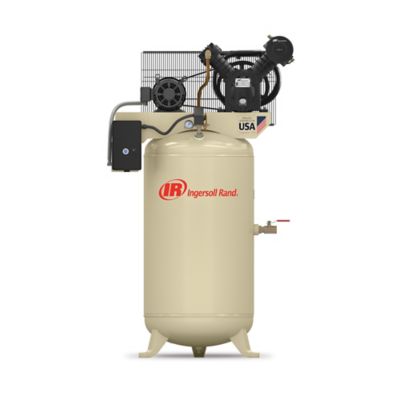
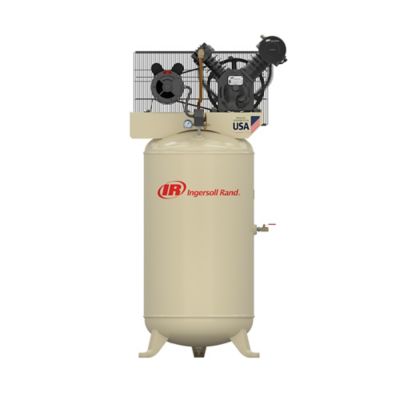
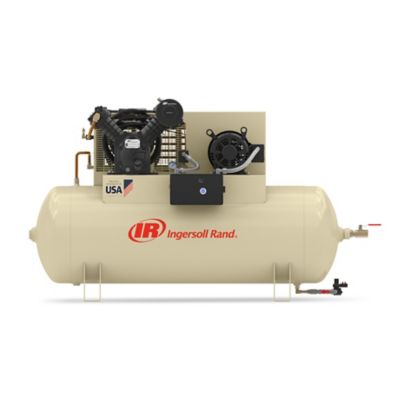
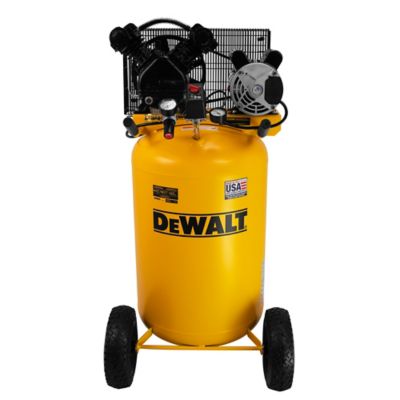
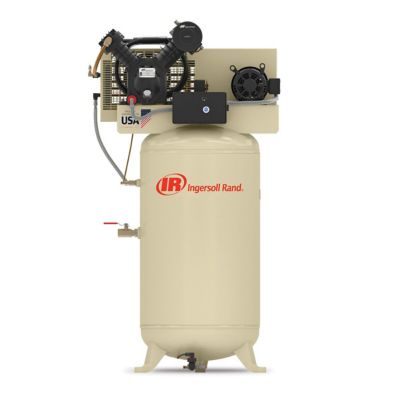
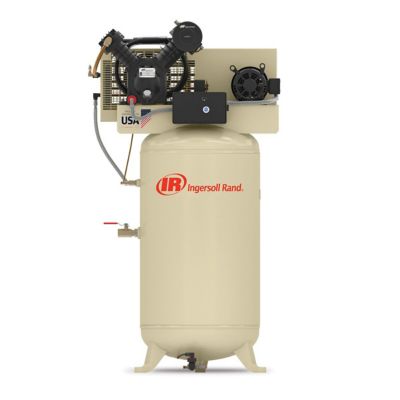
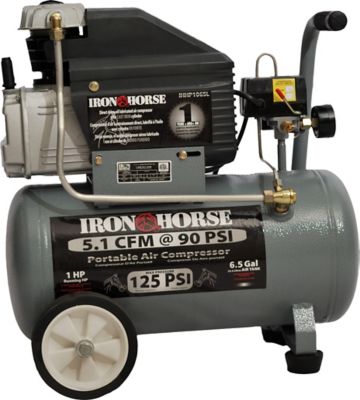
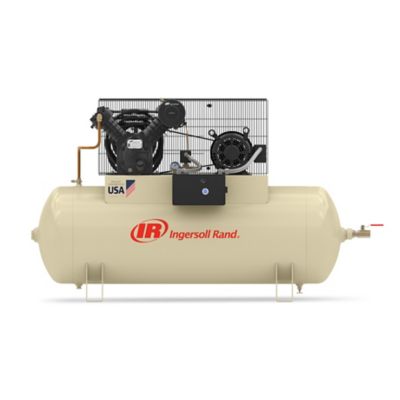
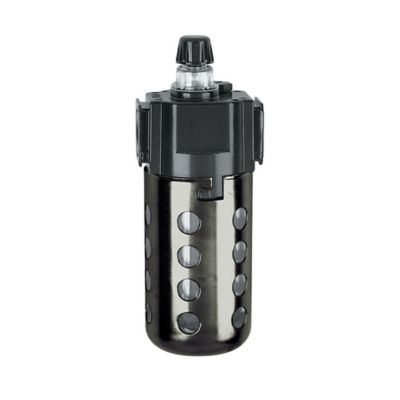
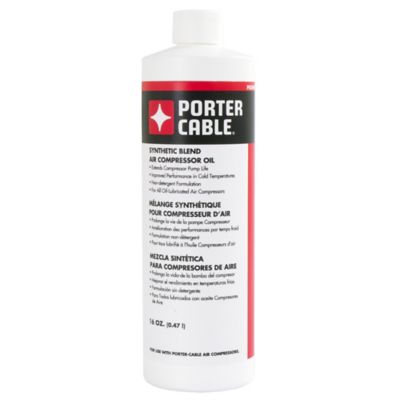
How an oil-lubricated air compressor fits the workspace can matter just as much as its performance on paper. A wheeled unit may suit someone who shifts between garage bays, while a stationary compressor can serve a dedicated shop air system. Wheels help on a firm, level floor, but a tall, heavy machine is another matter on gravel, across thresholds, or in the bed of a truck. Compare weight, handle placement, overall dimensions, and transport instructions rather than assuming every portable model is easy to move alone. Vertical tanks can save floor space; horizontal layouts may fit other storage or mounting arrangements better. Either way, allow the clearances specified for cooling and maintenance, and keep the intake away from excessive dust. Sound ratings are worth comparing when available under similar test conditions, especially in a metal-sided building where pump noise can carry. Easy access to the oil fill, sight glass or dipstick, intake filter, and tank drain makes routine care less of a chore. Compressor oil must meet the pump manufacturer’s specifications, including viscosity recommendations for the surrounding temperature; cold conditions can affect starting and lubrication. Moisture also collects in the receiver as compressed air cools, so tank draining belongs in the regular maintenance routine according to the manual. For spraying or other work sensitive to contamination, remember that compressed air from an oil-lubricated pump may carry small amounts of oil along with moisture. Match separators, filters, and dryers to the application rather than assuming tank air is ready for every task. Pump lubrication is separate from air-tool lubrication: oil inside the compressor does not replace the measured lubrication some pneumatic tools require. Where a tool manufacturer calls for oil delivered through the air line,
Compressed Air Lubricators can be part of a properly arranged setup, with oil-sensitive applications kept on a separate, appropriately treated line. Hose diameter, hose length, couplers, and regulators also affect pressure at the tool. A compressor matched to those details gives a busy shop room to work, whether the next job is servicing equipment before storage or tackling a repair that cannot wait for warmer weather.