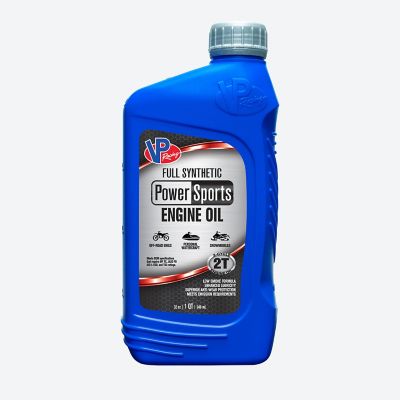
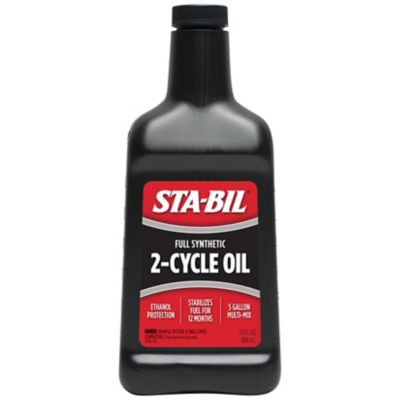
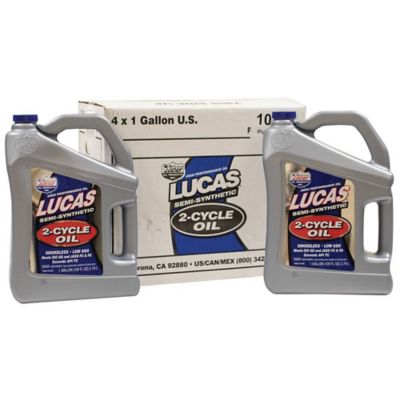
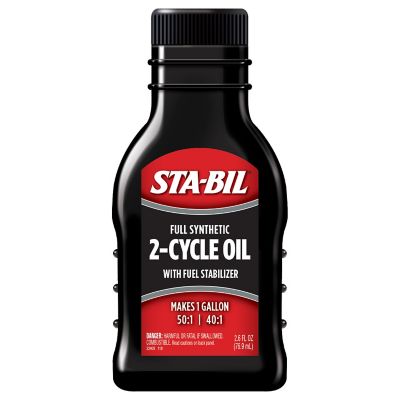
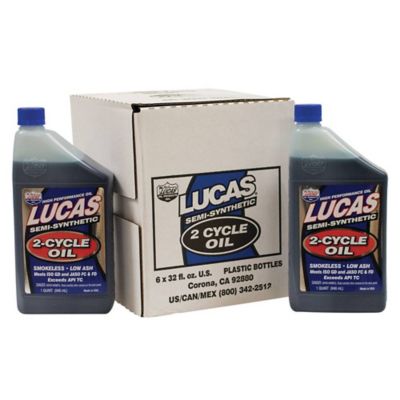
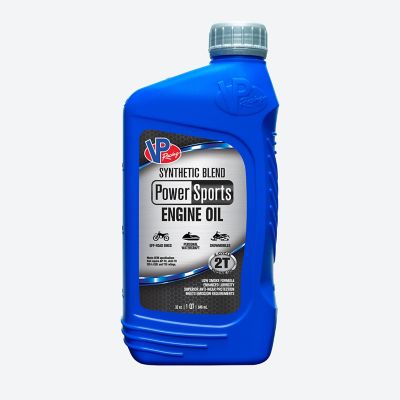
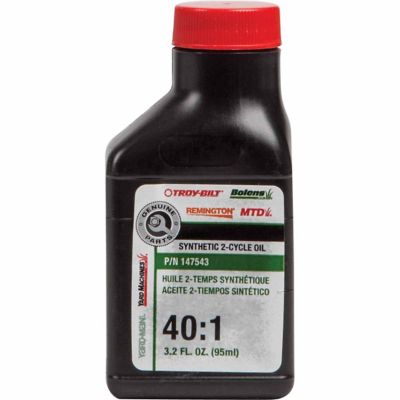
Oil for snowmobiles should match the engine type, the manufacturer’s lubricant specifications and the temperatures the sled is expected to face. Two-stroke engines need oil formulated for their lubrication system, while four-stroke engines need crankcase oil with the specified viscosity and performance ratings. Those two oil types are not interchangeable. That distinction matters whether a sled spends its time on groomed trails, carries ice-fishing gear or helps get chores done across snow-covered acreage. In a two-stroke engine, oil travels through the engine with the fuel charge and is consumed during operation. Depending on the machine, it enters through an oil-injection system or is mixed with gasoline at the ratio specified by the manufacturer. Snowmobile two-stroke oil needs to provide lubrication while also meeting requirements for combustion cleanliness and cold-temperature operation. For engines equipped with exhaust power valves, the correct formulation helps manage deposits that can interfere with valve movement. Full synthetic and synthetic blend formulations are among the categories associated with these applications, but the label’s engine compatibility and required specifications matter more than the formulation name alone. An oil described simply as two-stroke oil is not automatically a match for every sled. Marine engines, handheld power equipment and snowmobiles can have different operating demands, so a shared engine cycle does not establish compatibility. Injection-system suitability is another important distinction, especially when a sled sits outside before a morning start and the oil must move through the system in low temperatures. For premix applications, the oil must support that method, and the engine’s specified mixing ratio still applies. Package directions, the owner’s manual and any required performance standards provide a firmer basis for comparison than oil color, scent or broad claims about reduced smoke. A suitable two-stroke oil supports the engine’s lubrication needs without asking riders to guess whether a general-purpose bottle belongs in the tank.
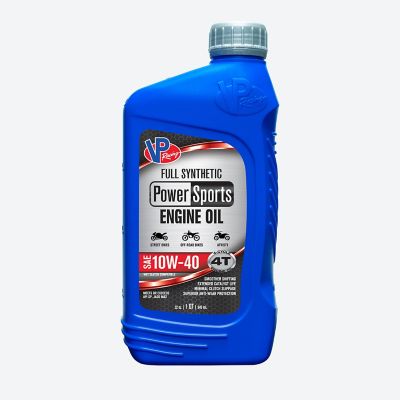
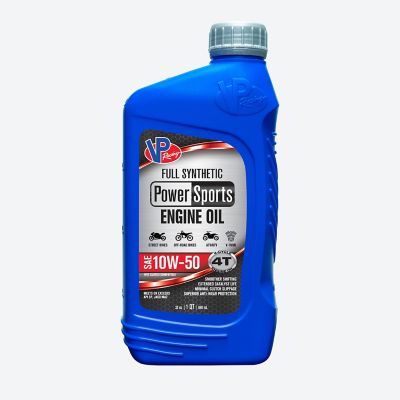
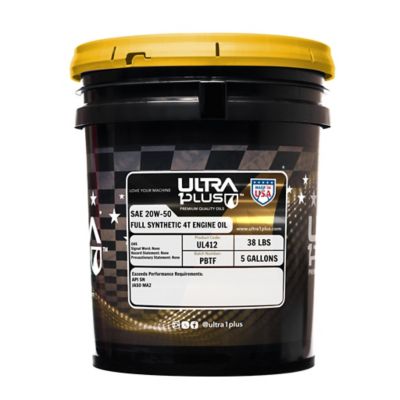
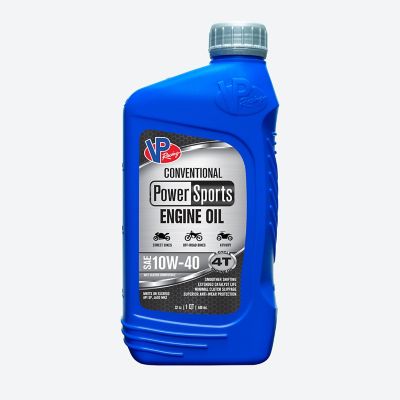
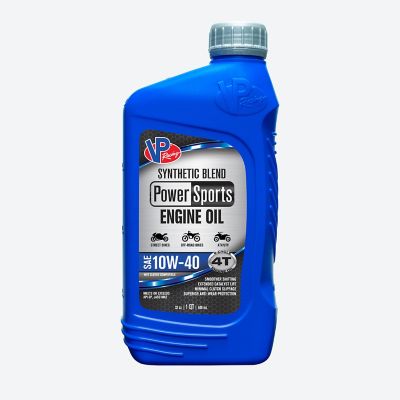
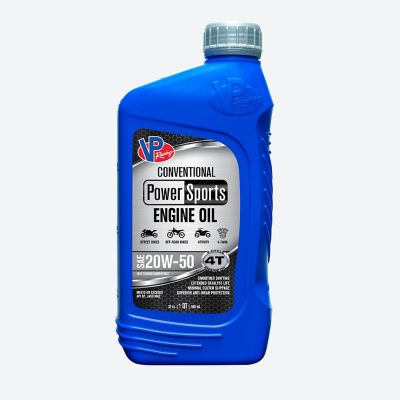
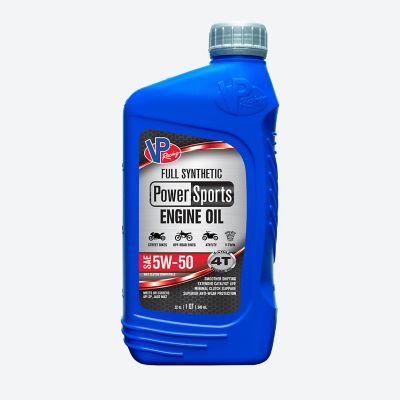
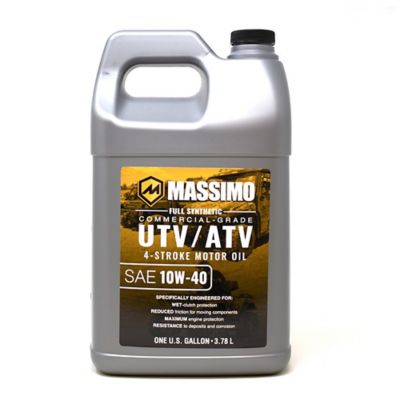
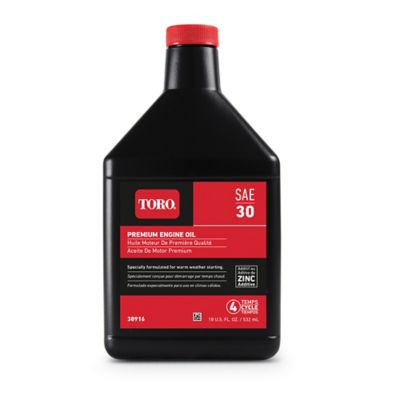
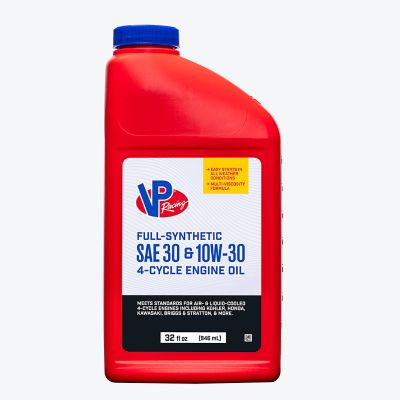
Four-stroke snowmobile oil works differently: it circulates through the engine, lubricating moving parts before returning to the crankcase. Its job includes helping manage heat, wear and deposits through repeated operation, from a cold start near the shed to sustained riding farther down the trail. Viscosity is a central part of fit for these engines. A multigrade designation such as 0W-40 describes an oil’s cold-temperature classification and its viscosity grade at operating temperature; it is an example of an oil grade, not a recommendation for every four-stroke sled. A lower winter rating does not, by itself, make an oil the correct choice. The complete grade, the manufacturer’s temperature chart and any required approvals all need to line up with the engine. This is especially important when comparing oils that look similar on the shelf but carry different performance ratings. Synthetic formulations can offer useful low-temperature flow and resistance to breakdown, although the word synthetic does not replace an engine-specific requirement. Additive systems also matter. Depending on the formulation, they help control oxidation, suspend contaminants, reduce foaming and protect internal surfaces against wear or corrosion. These functions support engine life, but they do not remove the need for scheduled oil changes or regular level checks. Short rides around a property and longer trail outings can place different demands on a machine, and the maintenance schedule may account for operating conditions as well as mileage or hours. Oil capacity, filter requirements where a filter is fitted, and the manufacturer’s level-checking procedure help determine what belongs in a four-stroke maintenance supply. Some engines require a particular sequence for checking the level, making the manual more useful than a quick glance at a dipstick after shutdown. Engine oil also should not be confused with chaincase lubricant or other fluids elsewhere on the sled. Each serves a separate mechanical system, even when the containers share similar wording.
Beyond engine compatibility, practical details help snowmobile oil fit the way a machine gets maintained. Container size matters when measuring a premix batch, topping off an injection reservoir or planning a four-stroke oil change. A bottle that is easy to grip and pour can make a difference beside a trailer or in a shed, especially when the fill opening is tucked behind a panel. Clear volume markings and readable labeling make it easier to keep track of the correct lubricant without relying on memory. Households maintaining more than one sled benefit from keeping each machine’s oil requirements straight, since two machines parked side by side may have different engines, lubrication systems and service needs. The same care applies when other equipment shares that space:
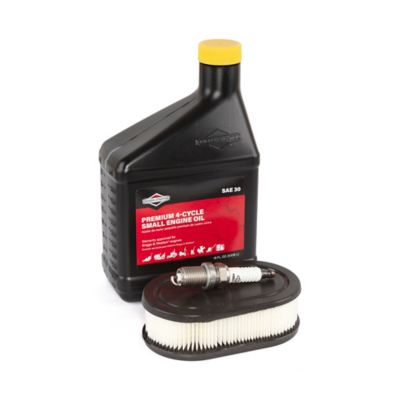
Oil for Briggs And Stratton Lawn Mower is a separate equipment application, not a reason to assume one lubricant fits everything in the shed. Storage and handling matter, too. Oil belongs in its original, tightly closed container, protected from dirt and moisture and kept away from children and animals. A clean funnel or pouring spout helps keep grit out of a reservoir or crankcase, while a securely closed cap helps prevent contamination between maintenance jobs. Follow the label’s storage directions and any stated shelf-life guidance rather than judging the contents by appearance alone. For sleds that spend stretches parked between outings, engine-specific storage recommendations remain important; fresh oil where required is only one part of preparing a machine for downtime. Drain oil and empty containers also need disposal that follows local requirements, with collected engine oil taken to an appropriate recycling location. From a short run across the property to a full day on marked trails, the most useful oil choice is the one that fits the engine and supports its service routine. Matching specifications first, then considering formulation, package size and handling needs, keeps the focus on what the sled actually requires.