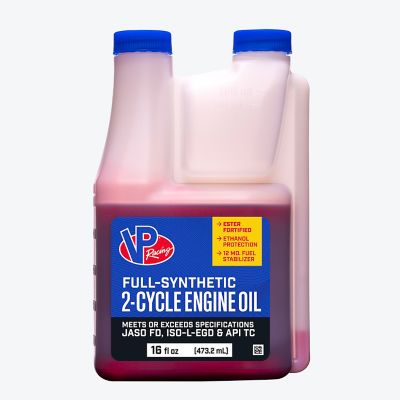
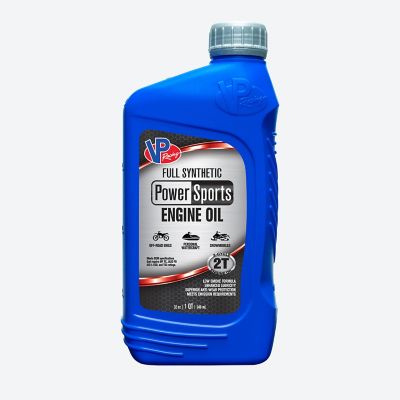
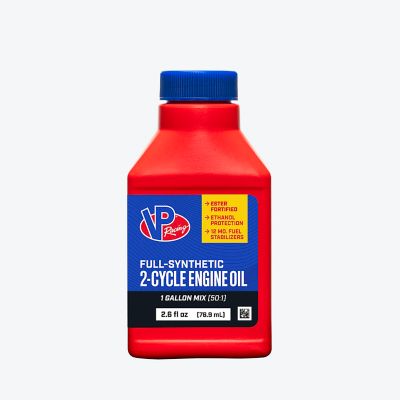
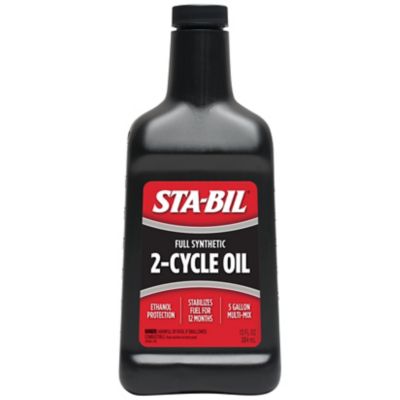
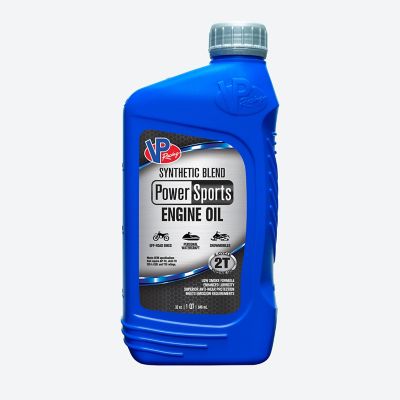
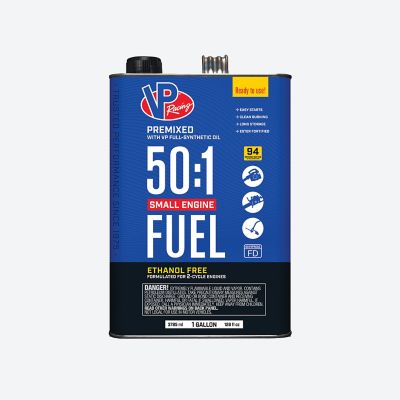
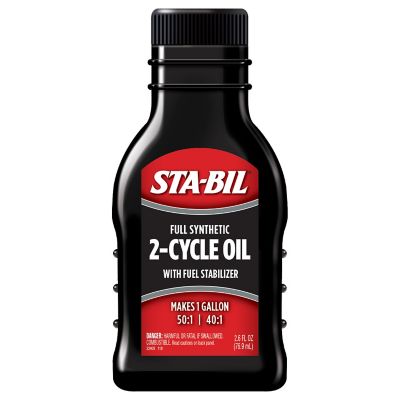
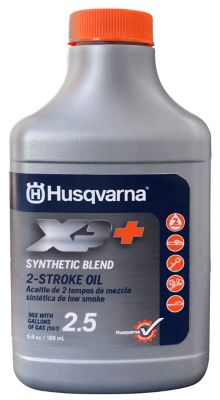
Choosing the right dirt bike oil starts with knowing how the engine is built. Two-stroke and four-stroke motorcycles use oil in different ways, so the bottle on the shelf needs to match the bike’s engine type. A two-stroke engine may use oil mixed directly with gasoline or delivered through a separate oil-injection system. Use oil labeled for 2-cycle or two-stroke engines, and follow the motorcycle manufacturer’s instructions for the correct mix ratio or injection system. Ratios can vary by engine design, model, riding conditions, and the type of oil being used, so the owner’s manual is the best place to start. A little extra measuring care goes a long way at the fuel can: use a clean container, measure accurately, and mix thoroughly before filling the tank. Riders who want a closer look at oil made for these engines can explore
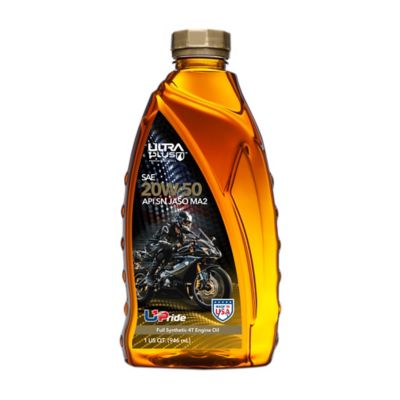
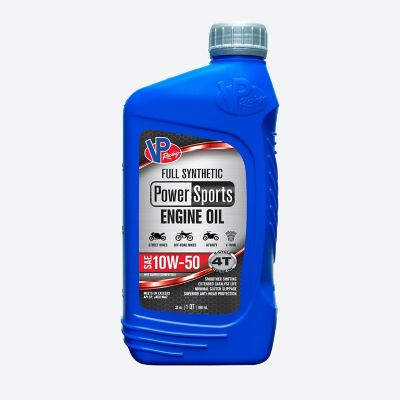
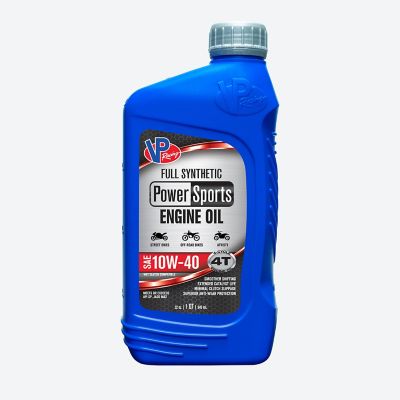
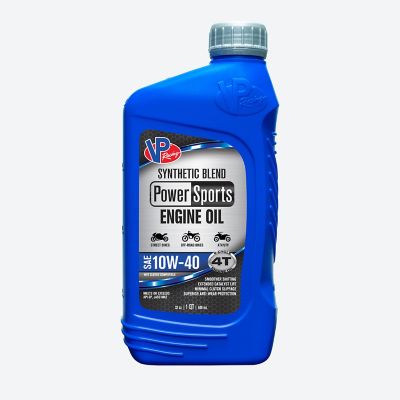
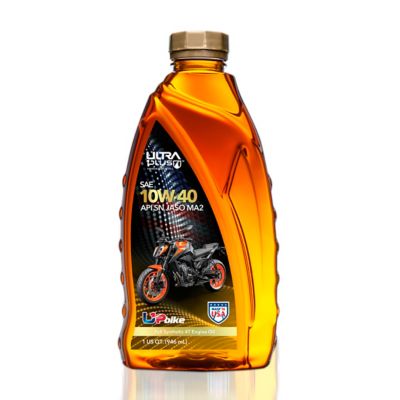
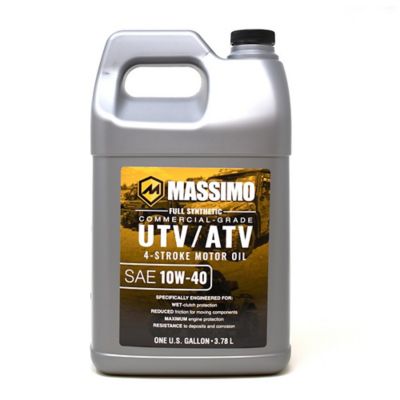
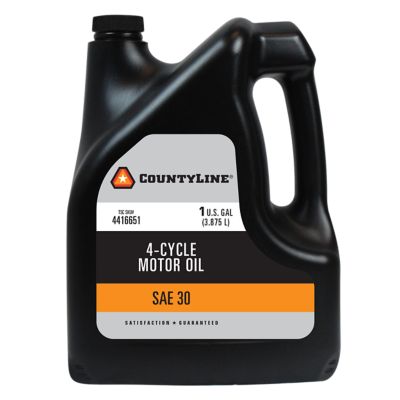
2 Cycle Engine Oil. Never substitute four-stroke crankcase oil for two-stroke premix or injection oil, since the wrong formula may not provide the lubrication the piston, cylinder, bearings, and other moving parts need. Four-stroke dirt bikes generally use dedicated motorcycle engine oil that also lubricates the transmission and, on many models, a wet clutch. Look for the viscosity listed in the manual, such as 10W-40 or 10W-50, along with a motorcycle rating such as JASO MA or MA2 when specified. These ratings are important because automotive oils with certain friction modifiers can interfere with wet-clutch engagement and lead to slipping or inconsistent shifting. Whether the bike spends its days winding through wooded trails, crossing a pasture, or turning laps at a practice track, the correct oil helps support smooth operation under changing loads, engine speeds, dust, heat, and repeated starts.
Dirt bike oil is useful for more than race-day maintenance. Trail riders, motocross families, farm hands, recreational riders, and motorcycle enthusiasts all keep the proper oil on hand for routine service and top-offs. A four-stroke oil change typically includes draining the old oil, replacing the oil filter when called for, checking the drain-plug washer or sealing surface, and filling to the level recommended by the manufacturer. Check the level with the bike positioned as directed in the owner’s manual, since some models are measured upright while others have a particular inspection procedure. Avoid overfilling, and take a moment to look for leaks around the drain plug, filter cover, and oil filler cap before heading out. On a two-stroke, fresh premix or a properly working injection system helps protect the engine during hard acceleration and long climbs, while clean fuel and a correctly serviced air filter are just as important in dusty riding areas. Oil alone cannot make up for a neglected filter, low coolant, worn chain, or missed maintenance interval. During the warmer part of the riding season, high temperatures, deep sand, heavy mud, and extended throttle use can put extra demand on the engine and transmission. During cooler months, the right viscosity and careful warm-up matter more, especially when a bike is started after sitting in an unheated shed or garage. Keep an eye on the service schedule even when the bike has not been ridden much; time, storage conditions, fuel quality, and moisture can still affect maintenance needs. Used oil should be drained into a suitable container and taken to an approved recycling or collection location rather than poured on the ground, into a drain, or in the trash.
Buying dirt bike oil is easier when the bike’s details are close at hand. Check the engine type, make, model, year, owner’s manual, and any service information before choosing a formula. Confirm whether the bike uses premix, oil injection, or a separate crankcase reservoir, and match the oil’s viscosity and performance rating to the manufacturer’s recommendation. Riders who alternate between trail riding and track practice may want to keep enough oil for the more demanding service schedule, while families with several bikes should label fuel cans and containers clearly so two-stroke and four-stroke oils do not get mixed up. Packaging size also matters: a smaller container can be convenient for a tool box or riding bag, while a larger supply may make sense for a household that services multiple machines. Store oil upright in a dry place away from direct sunlight, extreme heat, open flames, feed, and areas where children or animals can reach it. Dirt bike oil can make a practical gift for a new rider, a teenager learning to maintain a first motorcycle, or the friend who always spends Saturday morning tuning bikes before the trail opens. Pairing the oil with a clean measuring cup, funnel, shop towels, or a maintenance log can make service days less messy and help keep important details organized. With the correct oil on the shelf and the bike’s maintenance instructions nearby, riders can spend less time sorting through mismatched fluids and more time enjoying the familiar sounds of a well-kept engine—whether that means a dusty trail, a muddy field, or a quiet ride during the cooler months.