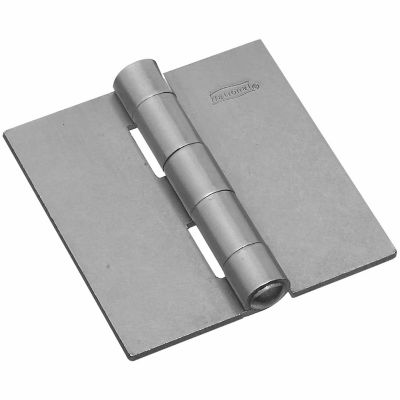
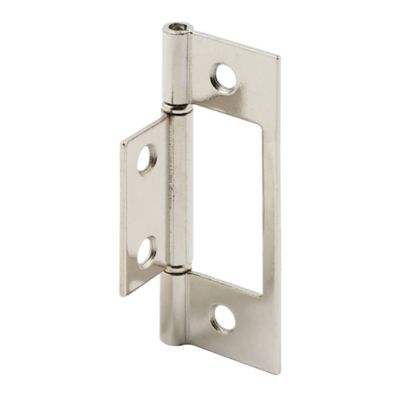
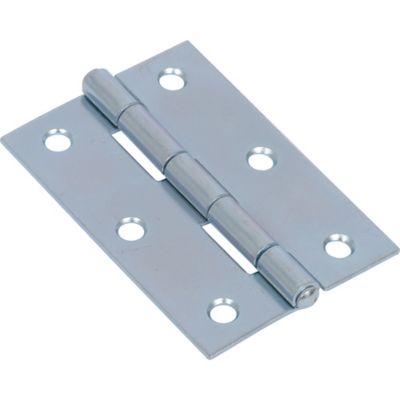
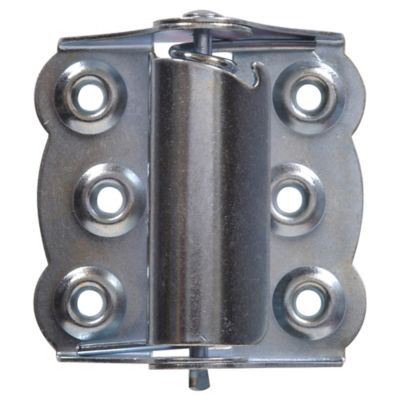
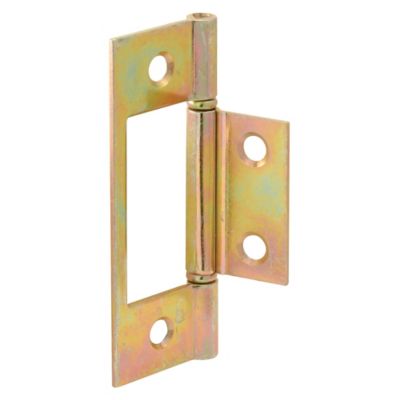
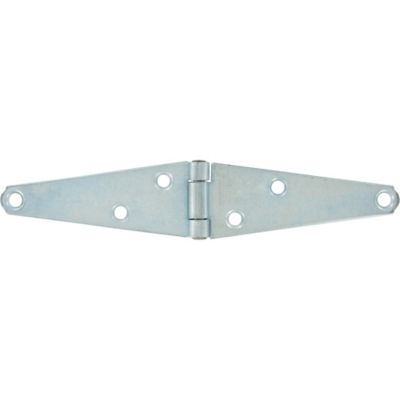
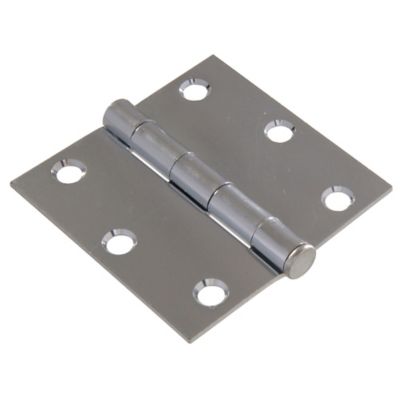
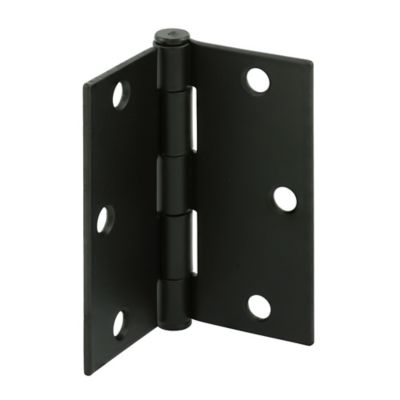
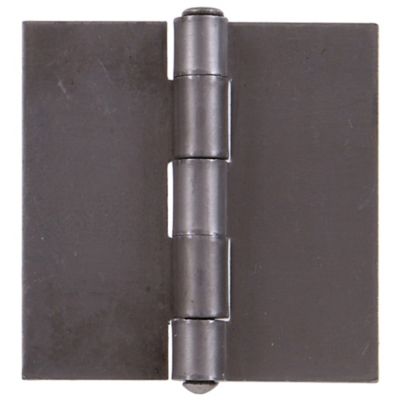
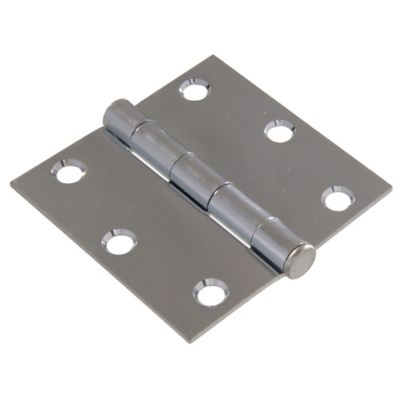
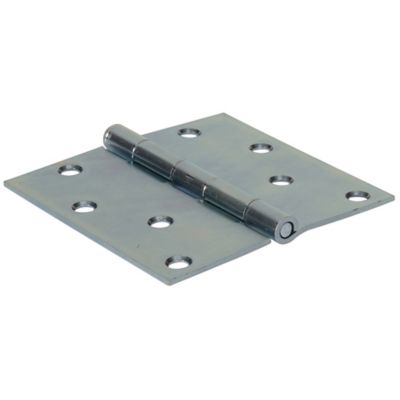
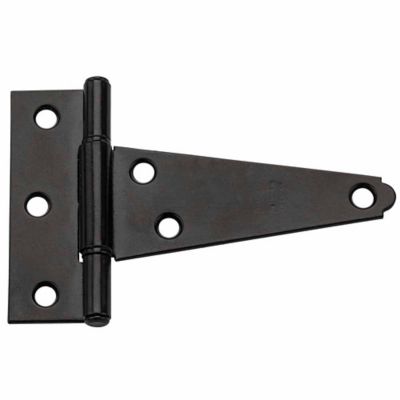
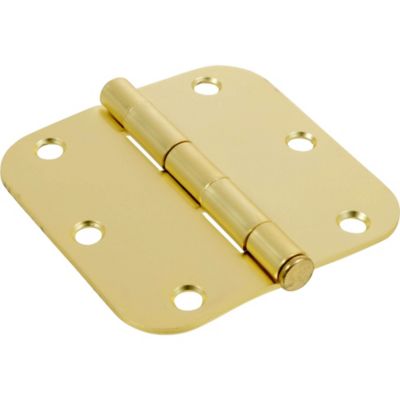
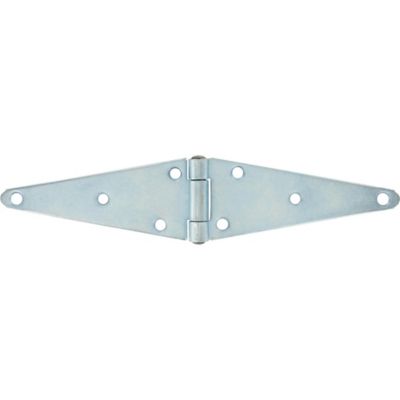
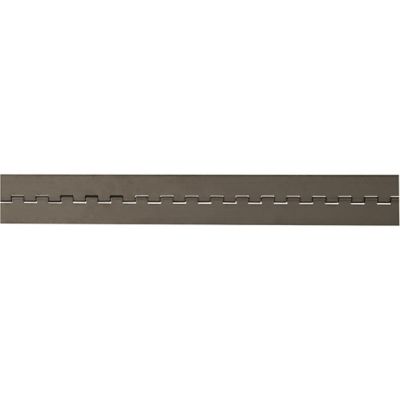
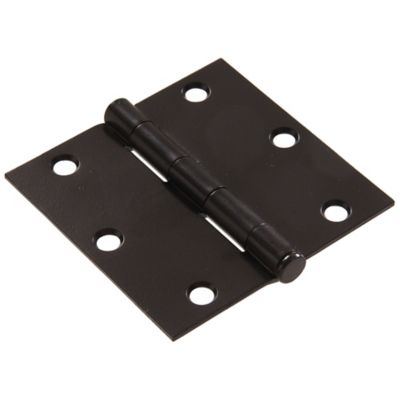
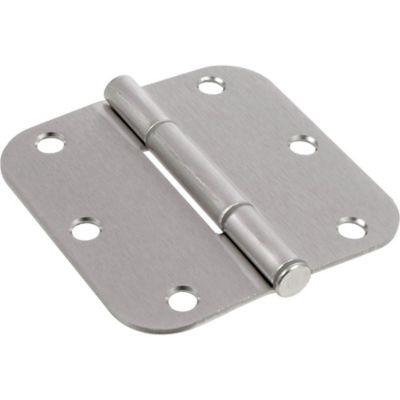
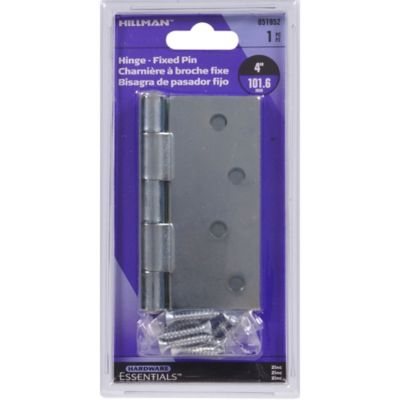
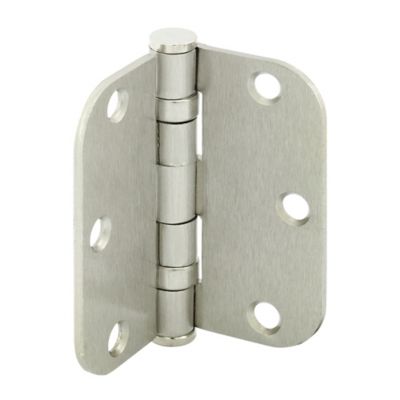
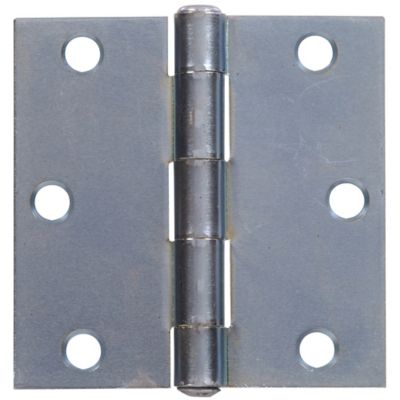
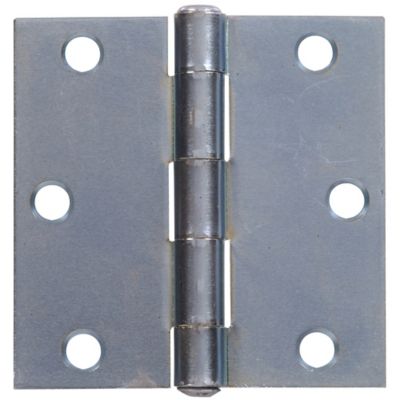
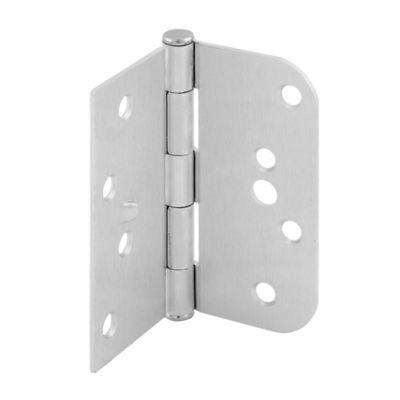
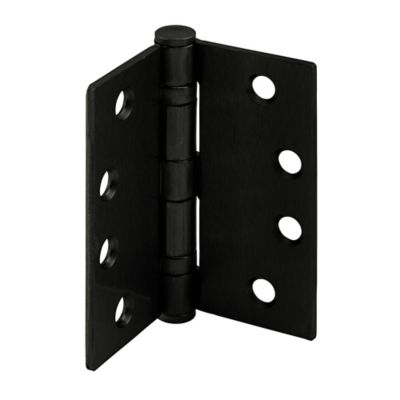
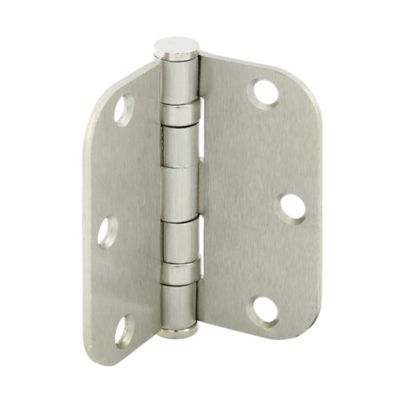
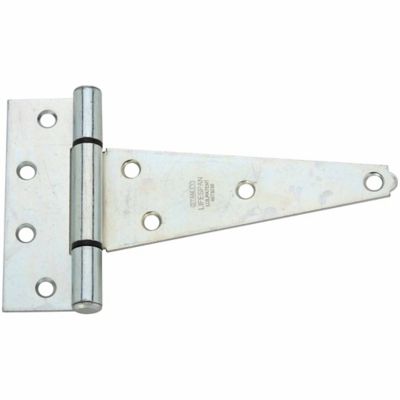
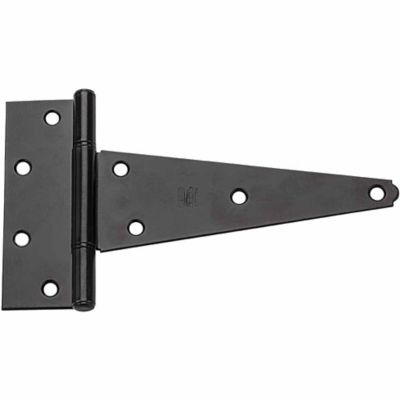
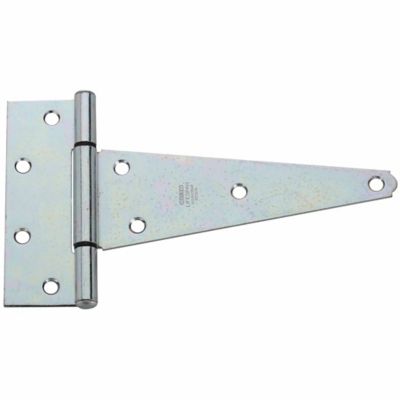
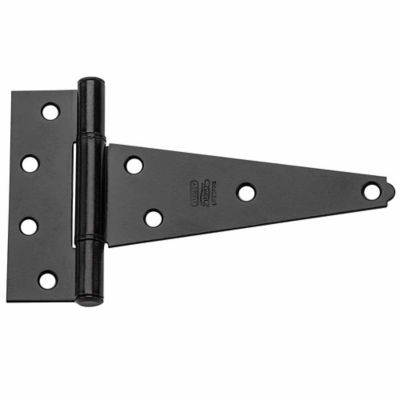
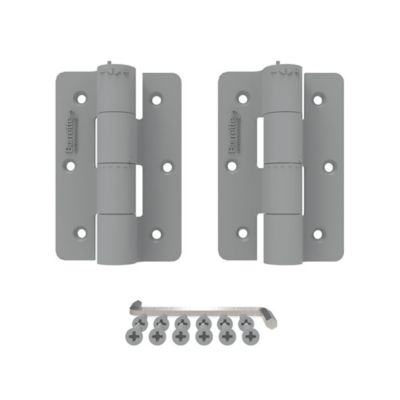
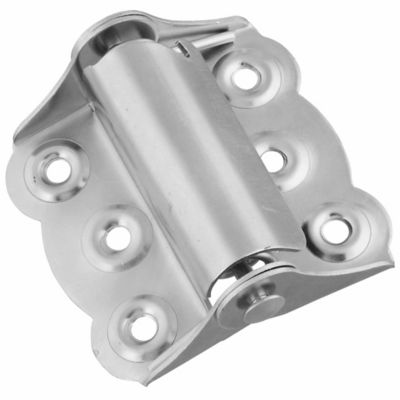
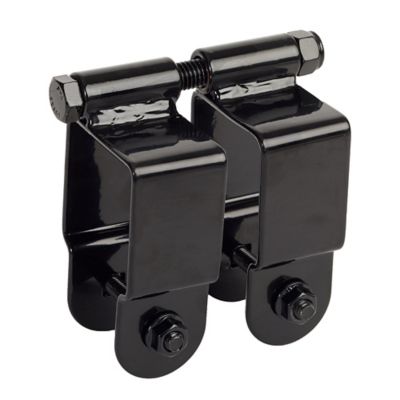
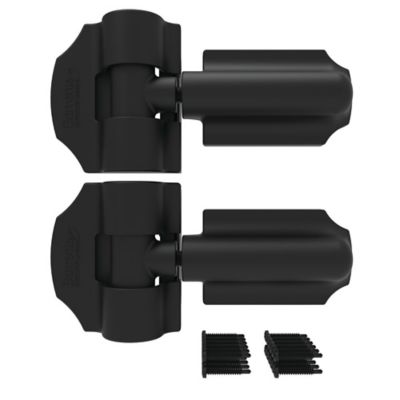
Narrow door hinges are made for jobs where a standard hinge is too wide, too deep, or simply too bulky for the space available. They are commonly used on lightweight cabinet doors, utility doors, small storage compartments, thin interior panels, compact enclosures, and narrow frames where every bit of clearance matters. Depending on the style, “narrow” may refer to the width of the hinge leaf, the thickness of the door it fits, or the shallow mounting depth needed inside a thin panel. That difference is worth sorting out before you buy. A slim surface-mounted or mortise hinge may be the right choice for a small wood door with a narrow stile, while a thin-door concealed hinge is designed for panels that may be only about 5/16 to 9/16 inch thick. These thinner panels can include compact laminate, MDF, glass-backed doors, and other materials that do not have enough substance for a standard deep hinge cup. For cabinet and furniture work, concealed hinges made for thin doors often use a shallow bore, sometimes around 6 to 8 millimeters deep, along with expanding dowels, prongs, or specialized screw-on mounts. Those mounting systems help hold the hinge securely without drilling all the way through the face of the door. A narrow utility hinge, on the other hand, usually has a slim leaf roughly 3/4 to 1-3/8 inches wide and may be surface mounted or set into a shallow mortise. This style works well for lightweight access doors, small wooden boxes, feed-room storage, tack-room cabinets, and other handy projects around the home, barn, shed, or workshop. Before choosing, measure the door thickness, frame width, hinge-side clearance, and available mounting depth. Check whether the door swings left or right, whether it needs to open flat or only to a limited angle, and whether the hinge will be exposed or hidden when the door is closed. A quick measurement with a tape measure and a straightedge can prevent a frustrating return, especially when a narrow rail or stile leaves little room for error.
The door’s weight and construction matter just as much as its dimensions. Narrow hinges are often intended for lightweight doors, but a small hinge can still be plenty strong when it is matched to the right panel and installed with solid fasteners. Count the number of hinges required, look at the manufacturer’s load guidance, and allow some room for everyday use, seasonal movement, and the occasional hard pull when a latch sticks. A tall or frequently used door may need three hinges instead of two, while a small cabinet door may only need a pair. Thin materials require extra care because over-tightening screws can strip MDF, split wood, or distort a laminate panel. When a hinge uses expanding sleeves or dowels, drill to the specified diameter and depth, clear away dust, and tighten the hardware evenly so the sleeve grips inside the panel without crushing it. Surface-mounted hinges are often a practical option when the door or frame is too thin for a mortise, though the hinge leaf must sit flat and the screws need enough material to bite into. For wood doors that lack the thickness needed for a standard concealed hinge, some builders add a neatly fitted wood blocking piece to the inside face of the door. The block builds up the mounting area while keeping the hinge hidden, but it should be securely bonded and mechanically fastened where appropriate, and it should not interfere with the door’s swing or shelves behind it. This kind of workaround is especially useful during a cabinet repair or a custom-built project when replacing the whole door would be wasteful. Keep an eye on the hinge knuckle and pin as well. A removable pin makes future repairs easier, while a fixed-pin design can offer a clean, tamper-resistant fit. Steel is a dependable choice for many utility applications, and corrosion-resistant finishes are helpful in damp areas, unheated outbuildings, laundry spaces, and entryways exposed to muddy boots or wet coats. For exterior openings, match the hinge to the door’s weather exposure and construction, and consider related hardware such as
Storm Door Hinges when repairing or replacing an entry door system.
Narrow door hinges are useful for do-it-yourself repairs, cabinetmakers, maintenance crews, landlords, woodworkers, and anyone building practical storage in a tight spot. They can help refresh an old cupboard in the mudroom, replace a bent hinge on a chicken-coop access panel, or give a handmade keepsake box a cleaner, smoother swing. They also make a thoughtful addition to a housewarming, workshop, or homesteading gift basket when paired with a tape measure, driver bits, screws, and other small hardware. For a gift, choose a versatile finish and a common narrow size only when the recipient is likely to have a project in mind; hinges are fit-specific, so a gift card or a small assortment can be more useful than guessing at measurements. When installing, support the door in its final position with shims, check the reveal along the latch side, and mark each screw hole before drilling. A door that looks square on the bench can shift once it is hanging, particularly if the frame has settled or the panel has absorbed moisture during warm, humid weather. Start screws by hand or with a low driver setting, then test the swing before fully tightening everything. The door should move without rubbing, sagging, or springing away from the frame. If the hinge binds, look for a crooked mortise, a screw seated at an angle, or a hinge leaf that is not flush. A small adjustment early is much easier than repairing a stripped hole later. During the cooler months, a well-fitted narrow hinge can keep storage doors, cabinet fronts, and utility panels working smoothly as indoor heating dries wood and outdoor buildings experience temperature swings. Whether the project calls for a slim exposed hinge, a shallow concealed fitting, or an ultra-thin pivot that keeps the outside lines clean, the best choice is the one that matches the door thickness, frame space, load, environment, and mounting method. Taking those details seriously helps create a door that opens cleanly, closes squarely, and holds up to the everyday work of a busy home, farm, shop, or outbuilding.