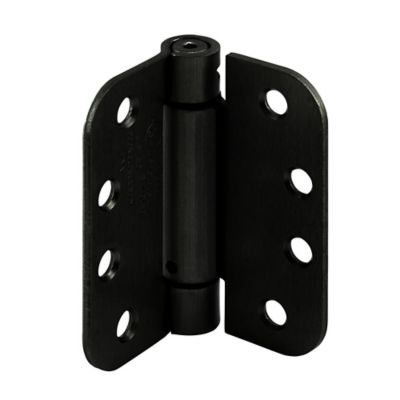
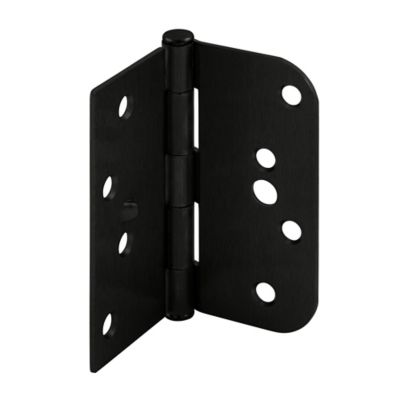
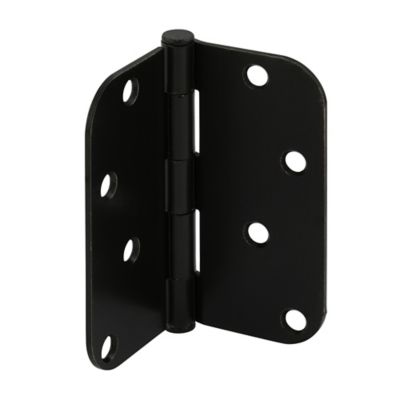
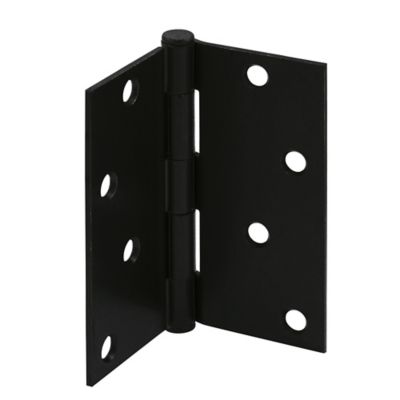
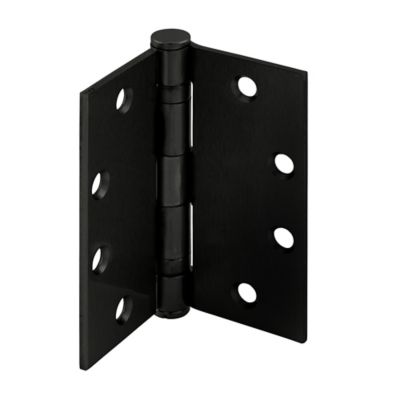
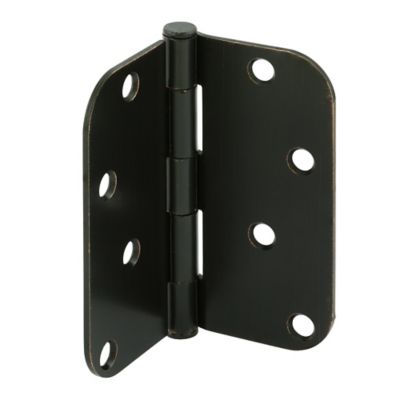
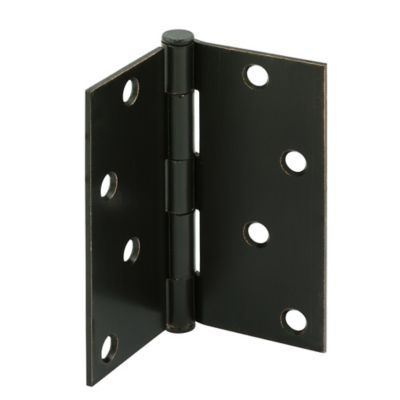
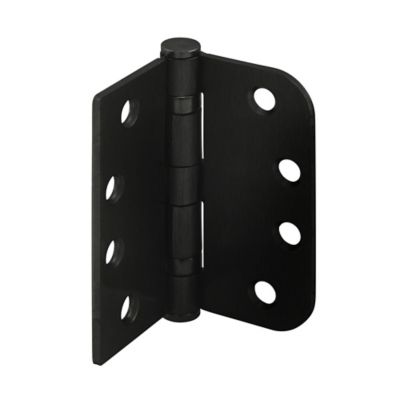
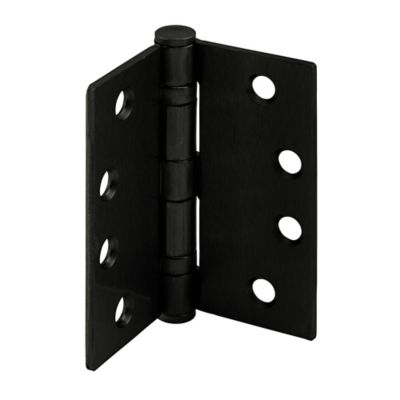
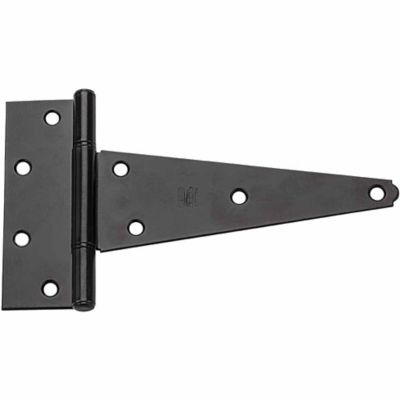
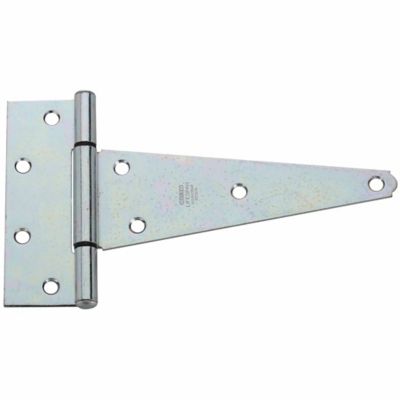
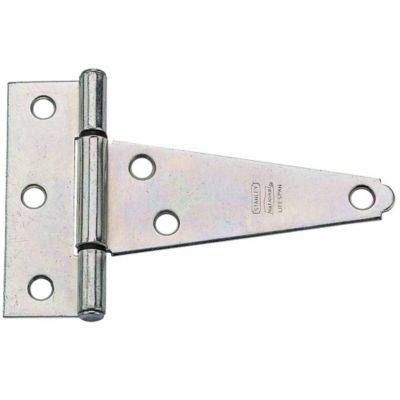
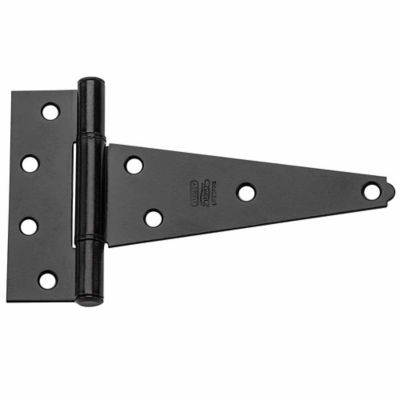
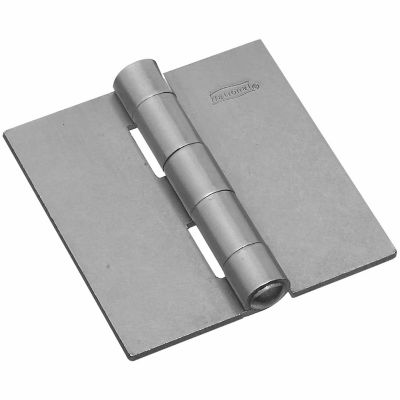
Four-inch black door hinges are a practical way to give a door a clean, finished look while supporting everyday use around the house, shop, barn, cabin, or outbuilding. A 4-inch hinge generally measures about 4 inches by 4 inches when open, making it a common choice for standard residential doors, including many doors that are about 1-3/4 inches thick. The black finish works well with farmhouse, country, traditional, industrial, and modern styles, especially when paired with black knobs, latches, pulls, or other dark hardware. These hinges are often used on bedroom, bathroom, pantry, laundry room, mudroom, basement, and entry doors, as well as on utility rooms and workspaces where a dependable hinge matters more than fancy decoration. Before ordering, measure the existing hinge and the door edge rather than relying on appearance alone. Check the hinge height and width, the thickness of the leaves, the screw-hole pattern, and the corner style. Square-corner hinges have crisp, straight corners and require square mortises, while radius-corner hinges have rounded corners that may match an existing door frame more closely. Common radius options include 5/8-inch and 1/4-inch corners. Matching the old hinge shape can save time during a replacement, especially when the mortises are already cut and you would rather avoid chiseling or filling wood. If you are hanging a new door, the hinge style gives you more flexibility, but the hinge locations still need to line up carefully on both the door and jamb so the door swings freely and closes evenly.
Material and construction are also worth a close look. Plated steel is a dependable choice for many indoor doors and general household repairs, while cast iron can bring a heavier, more traditional feel to rustic doors, gates, and utility spaces. Stainless steel is a useful option where humidity, damp air, or occasional exposure to moisture may be a concern, such as a mudroom, workshop, laundry area, porch entry, or nearby outbuilding. A black coating adds a sharp appearance, but no finish should be treated as completely weatherproof unless the hinge is specifically made for exterior conditions. For a door that sees rain, snow, mud, or wide temperature swings, look for hardware designed to resist corrosion and use care when installing the screws so the finish is not scratched. Bearing type affects how the door moves. Plain-bearing hinges are often suitable for lighter interior doors and straightforward repairs. Ball-bearing hinges are built for smoother operation and can be a smart pick for heavier doors, solid-core doors, exterior entries, or doors that are opened and closed many times a day. The hinge pin matters, too. Removable pins make it easier to lift a door into place or take it down later for painting, flooring work, or moving large equipment through an opening. Non-removable or security-style pins can add peace of mind on an exterior door because the hinge cannot be easily separated from the outside. Many hinge sets include mounting screws, but confirm that the screws are long enough and appropriate for the door and frame material. On a heavy door, longer screws that reach solid framing can provide better support than short screws seated only in the surface trim. As a general rule, use the same number of hinges the door originally had, and consider the door’s weight, height, and traffic before changing the layout. A careful installation starts with a level door, properly aligned leaves, and screws tightened firmly without stripping the heads or crushing the wood.
Four-inch black hinges can be especially handy for homeowners tackling a weekend repair, landlords refreshing rental properties, contractors finishing a remodel, and anyone building or restoring a country home. They also make a thoughtful, useful gift for a new homeowner, a friend fixing up an old farmhouse, or the handy person who always has another shed, tack room, or workshop project underway. A small box of matching hardware can turn a sagging pantry door or squeaky back entry into a much smoother part of the daily routine. During the warmer season, they may be used as part of porch repairs, shed maintenance, garage projects, or a larger exterior refresh; during the cooler months, they are just as useful for indoor renovation work, mudroom updates, and getting household doors ready for busy family traffic. When replacing more than one hinge, keeping the finish, size, corner shape, and screw style consistent helps the whole doorway look intentional instead of pieced together. Black hardware also hides small marks and blends naturally with dark door colors, stained wood, white trim, and painted siding, though it is still best to wipe away grit and moisture from time to time. A drop of suitable hinge lubricant can help quiet ordinary squeaks, but avoid over-oiling a hinge where the residue could collect dust. If the door rubs, drifts open, or leaves uneven gaps after installation, the issue may be a loose screw, a shifted jamb, or a hinge that does not match the original size. Taking a few minutes to compare the old hardware, door weight, location, and exposure to weather can help you choose a set that fits properly and holds up to regular use. For lighter doors or projects where a smaller hinge is the better match, browse
2.5 Inch Hinges as another option.