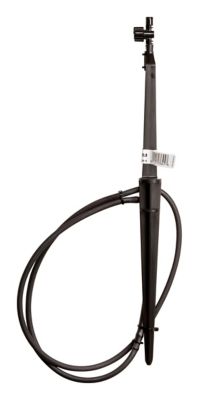
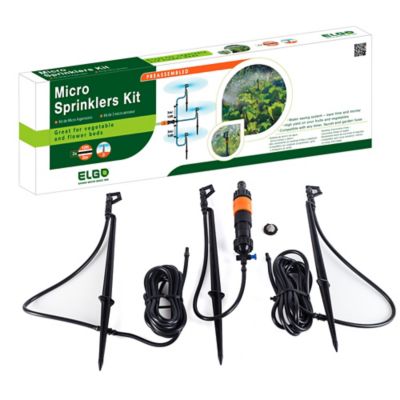
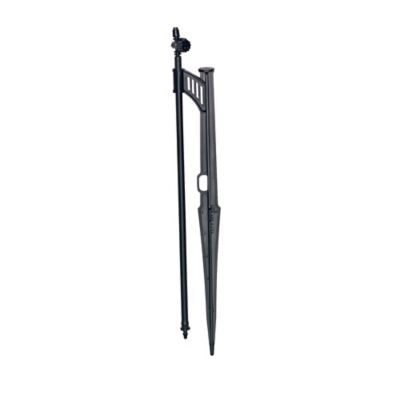
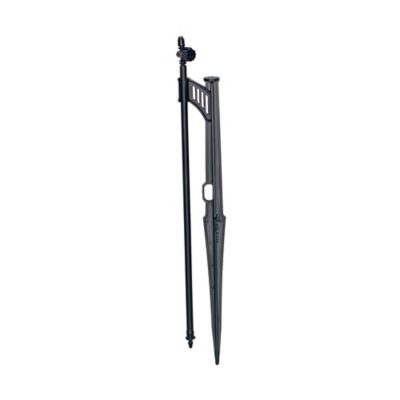
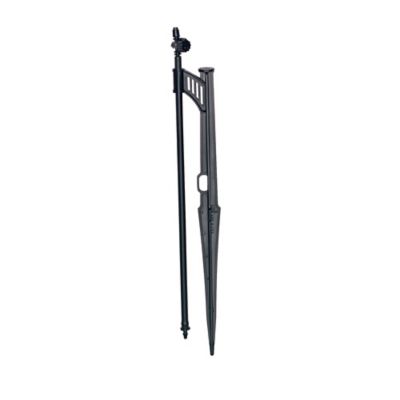
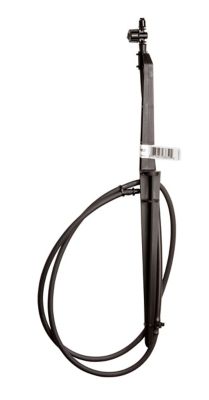
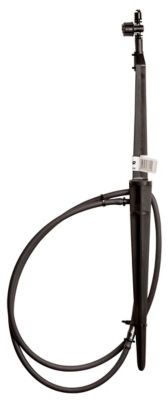
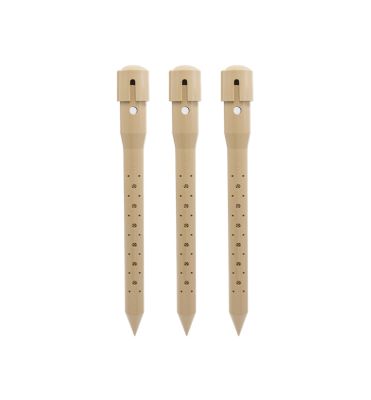
Micro sprinklers are a handy way to water garden beds, shrubs, flower borders, raised beds and other planted areas without soaking the whole yard. These low-volume irrigation devices spray a fine pattern over a smaller area, usually covering a radius of about 4 to 10 feet, and they work at relatively low water pressure, commonly around 15 to 40 PSI. Compared with a standard lawn sprinkler, a micro sprinkler uses much less water, often in the range of 10 to 31 gallons per hour, depending on the spray pattern, pressure and adjustment. That gentle coverage makes them useful for dense plantings where one drip emitter may not reach every root, but a full-size sprinkler would waste water on walkways, driveways or open ground. They can be set up for vegetable patches, rows of flowers, ground cover, berries, young trees and shrubs, or tucked between plants in a landscape bed. Many styles offer full-circle, half-circle, quarter-circle or narrow strip patterns, helping you match the spray to the shape of the space. A quarter-circle head can water the corner of a bed while keeping the nearby path dry, and a half-circle pattern works well along a fence or foundation. Adjustable tops may let you change the spray distance, height or volume, which is useful when plants grow or a bed layout changes. For taller shrubs and broad plantings, micro sprinklers can be mounted on stakes or risers so the spray clears leaves and reaches the soil below. If you are comparing irrigation options, take a look at
Adjustable Sprinklers for additional ways to fine-tune water coverage around your property.
Choosing the right micro sprinkler starts with the space you want to water and the plants growing there. Measure the bed before shopping, including its length, width and any odd corners, then consider whether water needs to reach one plant, a small cluster or an entire row. A full-circle pattern may suit an open island bed, while half- and quarter-circle patterns help limit overspray along buildings, sidewalks and property lines. Strip patterns are useful for narrow garden rows, and interchangeable or adjustable heads can make it easier to adapt one irrigation setup as your planting plan changes. Soil type also matters. Sandy soil lets water move down and away quickly, so broader, slower coverage can help moisten the root zone evenly. Loam generally offers a good balance of drainage and water holding, while heavy clay may need shorter watering cycles to prevent puddling and runoff. Watch how the soil responds during the first few watering sessions instead of relying only on a timer setting. Water should soak in around the roots without running into the aisle or collecting in low spots. Check your available water pressure as well, since too much pressure can create a harsh spray or uneven coverage, while too little pressure may leave the far end of a line dry. A filter can help keep small openings from clogging, and a pressure regulator may be useful when the supply runs stronger than the irrigation parts are designed to handle. Lay out tubing along the bed, secure it with stakes, and position each sprinkler so nearby heads overlap slightly without creating unnecessary overspray. During the cooler months, plants may need less water, but evergreen shrubs, winter vegetables and containers can still dry out, especially in exposed areas or under cover. Before freezing weather arrives, drain the lines and bring removable parts indoors if your setup is vulnerable to cold damage.
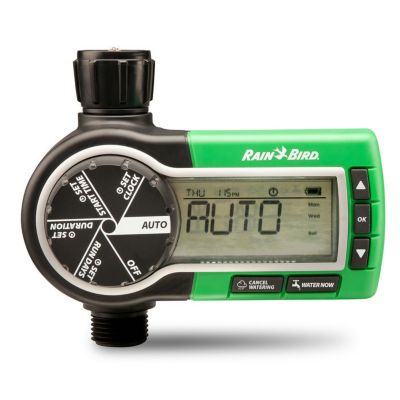
Micro sprinklers are a practical fit for homeowners, gardeners, small-scale growers, landscapers and anyone caring for a patch of plants that needs more even coverage than hand watering can provide. They are especially helpful for people who tend several beds after work, manage a homestead garden, or spend part of the year away from home and want a more consistent watering routine. A simple timer paired with properly spaced micro sprinklers can take some of the daily guesswork out of irrigation, though the system should still be checked from time to time for blocked heads, shifted stakes, leaks and plants that need special attention. These sprinklers can also make a thoughtful gift for a gardener who is expanding a raised-bed area, improving a pollinator border or getting a new greenhouse or patio growing space ready. They are small, useful additions to a gardening basket alongside tubing, connectors, stakes, filters or a timer, and they suit both new gardeners and folks who have been tending the same soil for years. Installation is usually straightforward: connect the supply tubing, attach the sprinkler fittings, place each head at the proper height and run the system while watching the spray. Adjust the direction and distance until water lands where the plants need it, then mark any dry areas for another head or a different pattern. Keep foliage and mulch from covering the spray openings, and flush the line occasionally if sediment is present in your water supply. As the weather warms, increase watering gradually rather than making a sharp jump, since roots and soil may still hold moisture from cooler conditions. With the right pattern, spacing and schedule, micro sprinklers can deliver a soft, efficient shower that keeps garden beds looking cared for while making good use of your water supply.