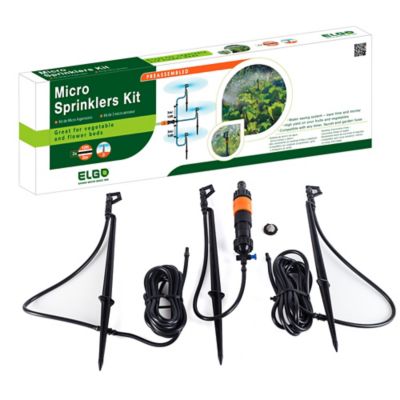
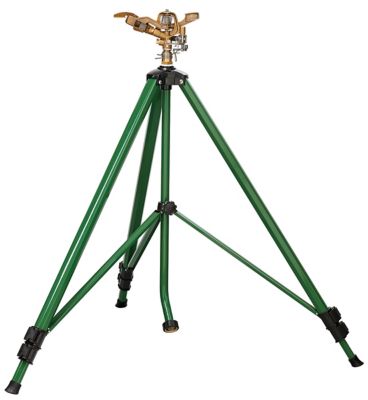
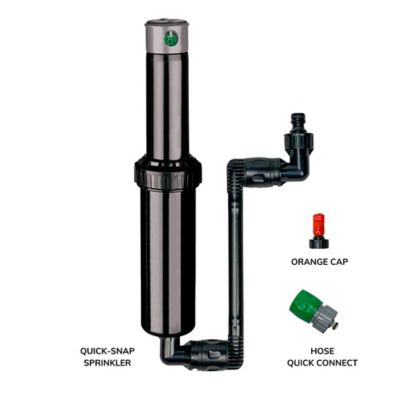
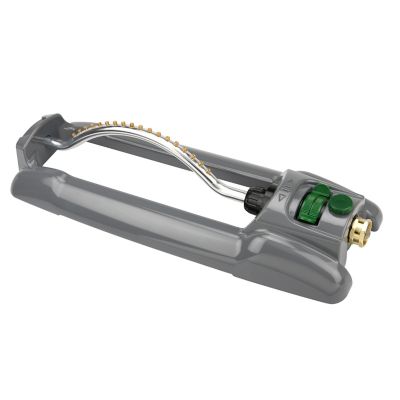
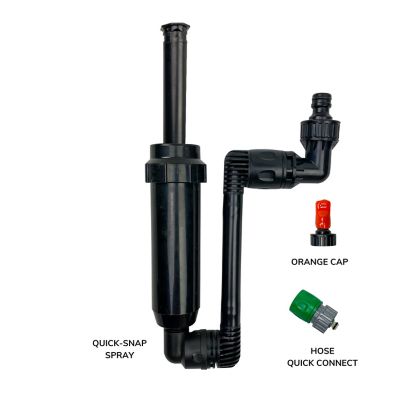
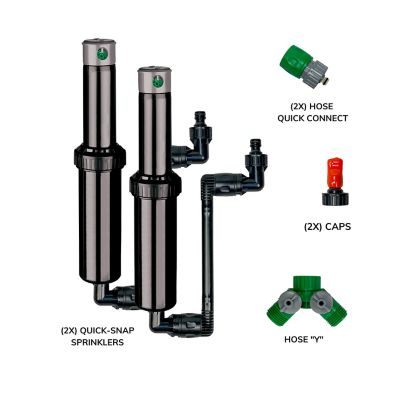
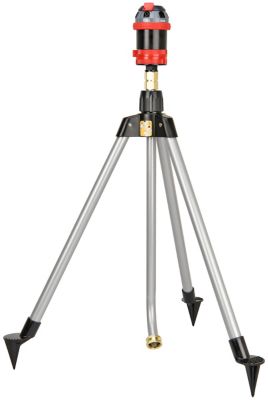
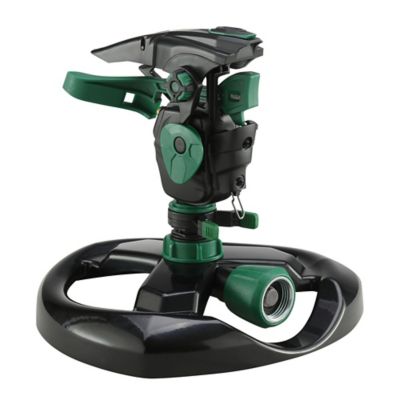
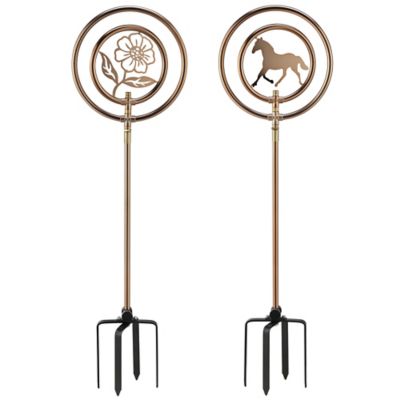
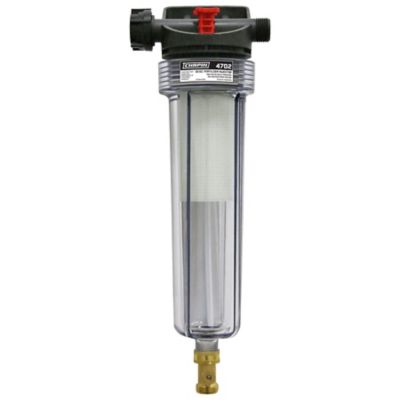
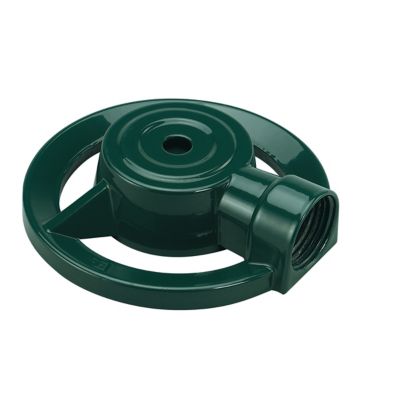
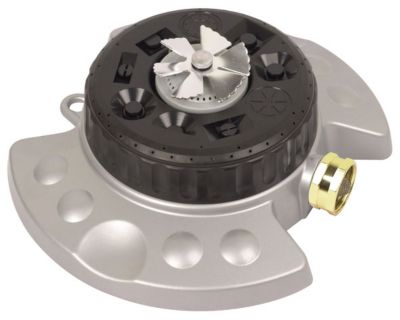
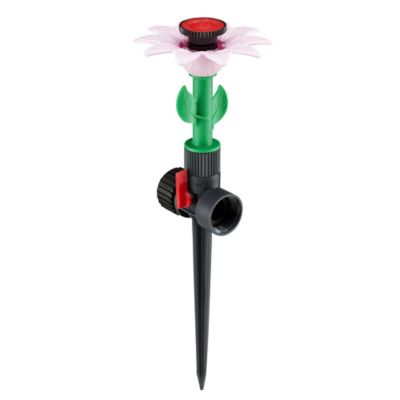
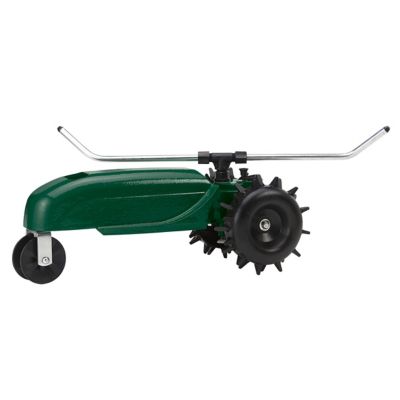
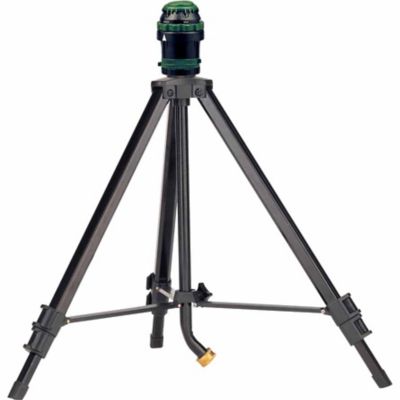
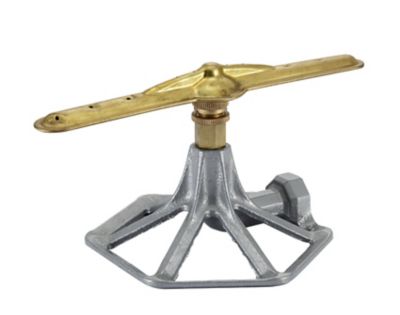
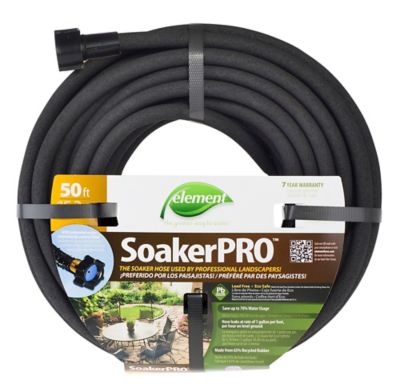
Water sprinkler systems help keep lawns, gardens, flower beds and landscape plantings watered with less handwork and more consistent coverage. A typical system moves water from a hose faucet or other water source through supply lines, valves and sprinkler heads, sending water where plants need it. Some setups sit above ground and connect with garden hoses, while in-ground systems use buried pipes and pop-up heads for a cleaner look and more permanent installation. Depending on the layout, a system may cover a small garden, a side yard or several separate areas of a larger property. Sprinkler heads are available in different patterns, including fixed sprays for compact beds and rotating or gear-driven rotors for broader lawn areas. Choosing the right pattern helps reduce dry spots, overspray on sidewalks and wasted water. Look at the size and shape of the area, the number of planting zones, the available water pressure and the distance from the faucet before selecting parts or a complete system. A narrow strip along a fence may need a different setup than an open patch of grass, and sunny areas often dry out faster than shaded ground. For rural homes, acreage, outbuildings and garden rows, a well-planned system can make regular watering easier to manage when the nearest faucet is a good walk from the plants.
The main parts of water sprinkler systems each have an important job. A controller or timer serves as the scheduling center, allowing watering to run at selected times and for set lengths instead of relying on someone to turn a faucet on and off by hand. Timers with multiple programs or zones are useful when a lawn, vegetable garden and flower bed have different watering needs. Valves control the flow to each section, so one area can be watered without flooding another. Pipes and flexible tubing carry water from the source to lateral lines, while fittings, connectors and shutoff pieces help shape the layout and simplify maintenance. A backflow preventer is an important component because it helps keep irrigation water from moving backward into the household drinking-water supply. Sprinkler heads should be spaced so their spray reaches nearby heads or overlaps appropriately, creating more even coverage across the ground. Check the manufacturer’s flow and pressure requirements, since too many heads on one zone can weaken the spray and leave parts of the yard thirsty. Soil type matters, too: sandy ground drains quickly, while clay soil can become saturated if water is applied too fast. During the cooler months, watering needs may change as grass and plants slow their growth, but newly planted trees, shrubs and fall-seeded lawns can still need steady moisture. Before freezing weather arrives, drain exposed lines, disconnect hoses where appropriate and protect components according to the system’s care instructions. Keeping a few replacement nozzles, connectors and seals on hand can make small repairs easier when a head gets bumped by a mower or a fitting develops a leak.
Water sprinkler systems can suit homeowners, gardeners, landlords, small growers and anyone caring for a landscape that needs regular, dependable watering. They can be especially helpful for people who travel, work long hours or manage several planting areas around a property. A simple hose-end arrangement may be a practical choice for a rental home, seasonal garden or newly established bed, while a zoned in-ground layout can provide a more permanent solution for a larger lawn. These systems also make useful gifts for new homeowners, gardeners, families settling into a rural property or anyone preparing a yard for new seed and plantings. Pairing a timer with the right hose, fittings or sprinkler heads can help a recipient get started without taking on a complicated installation all at once. For patios, porches, kennels and outdoor gathering areas where cooling is more important than lawn irrigation,
Misting Systems offer a different way to distribute fine droplets through the air. For irrigation, match every component to the water source and intended coverage, and consider whether the system will be moved, stored or left in place between seasons. A little planning around zones, pressure, spray distance and drainage helps protect plants while making everyday yard care feel less like a chore. As the weather warms again, a properly arranged system is ready to support green grass, productive garden rows and healthy landscape plants with steady coverage right where it is needed.