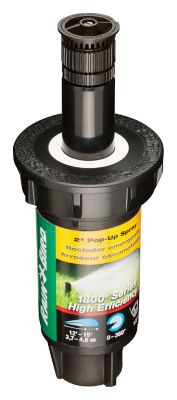
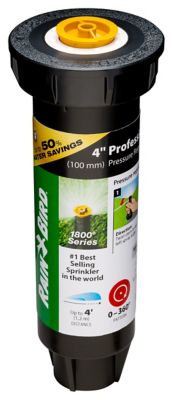
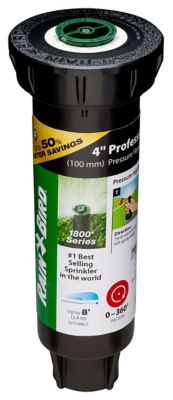
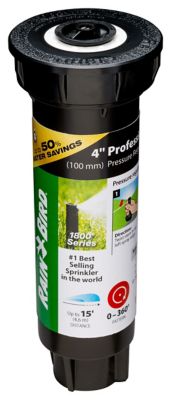
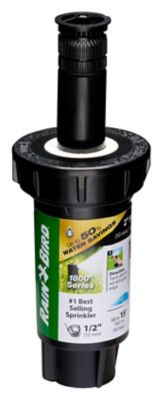
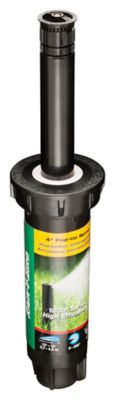
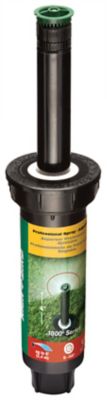
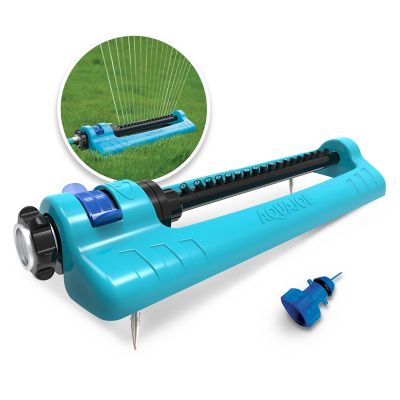
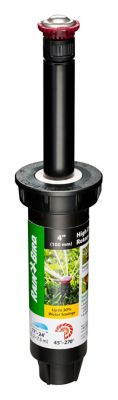
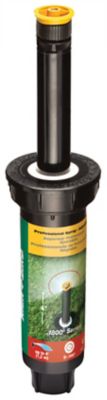
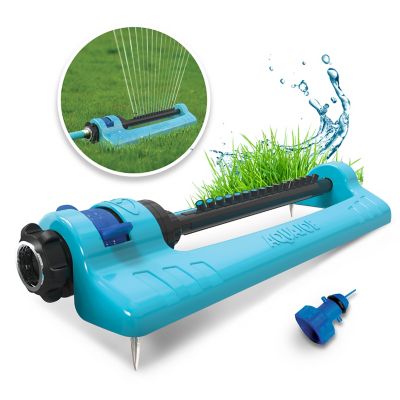
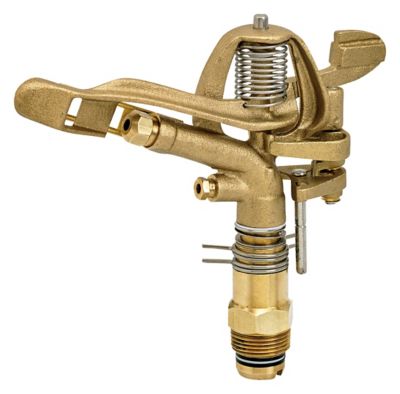
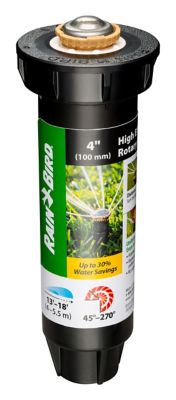
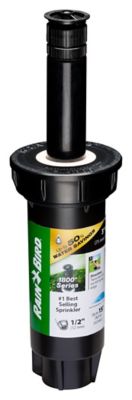
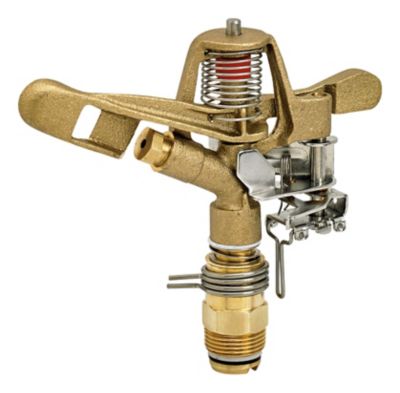
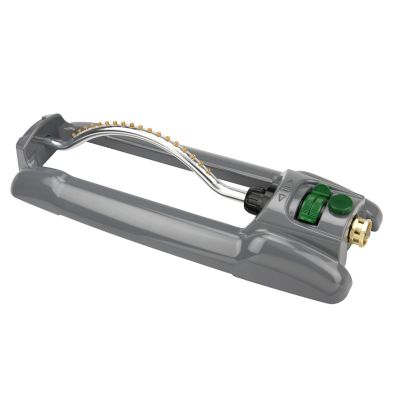
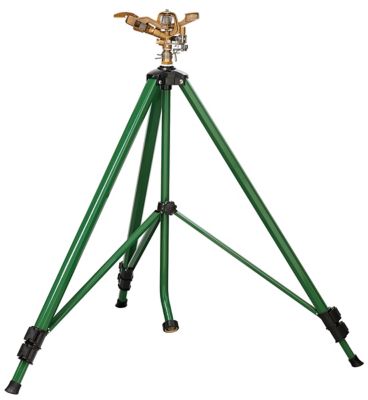
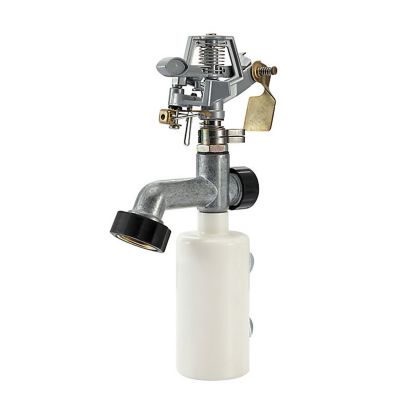
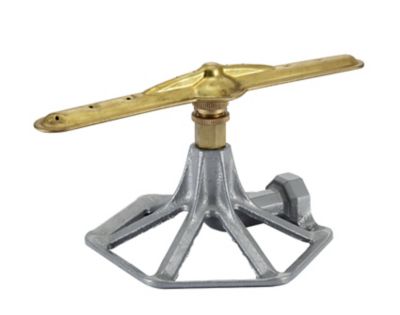
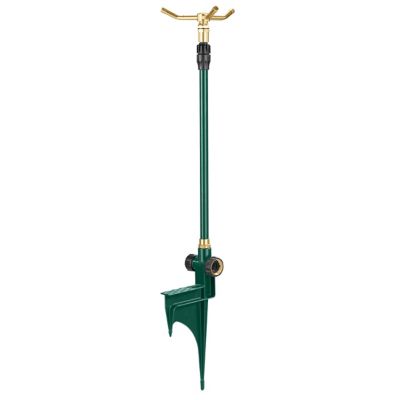
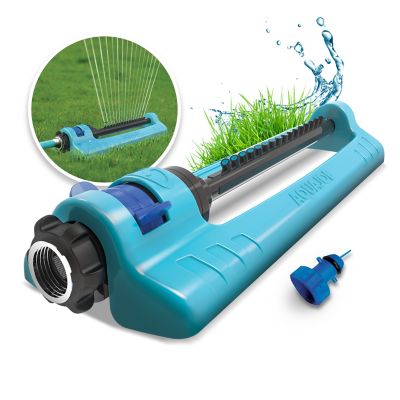
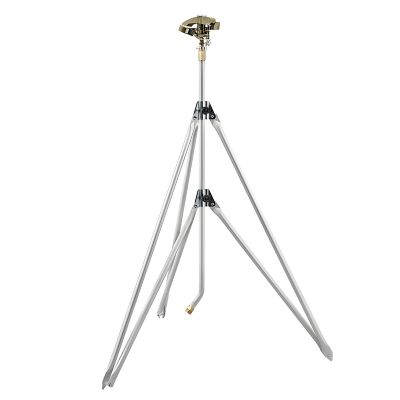
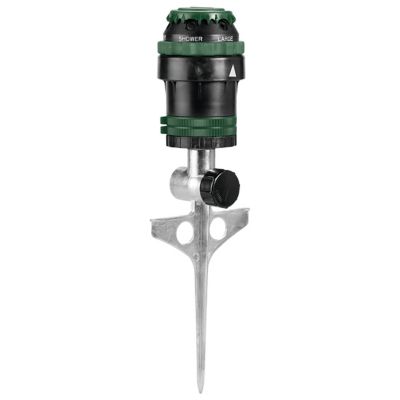
Adjustable sprinklers let you change where water lands by controlling the spray pattern, watering distance, or coverage width, depending on the design. That flexibility helps match the water to the ground that needs it, whether that means a narrow strip beside a driveway, a vegetable patch behind the barn, or a broad stretch of lawn. The main types include hose-end sprinklers that connect to a garden hose and in-ground sprinkler heads that connect to an installed irrigation system. Hose-end designs work well for watering spots around a property without permanent piping, while in-ground heads serve designated areas within a planned watering layout. Oscillating sprinklers sweep water back and forth across a generally rectangular area, with some designs offering separate adjustments for width and length. Impact sprinklers send out a rotating stream and often allow part-circle or full-circle watering. Rotating sprinklers distribute water through moving arms or nozzles, while adjustable spray heads shape coverage within the limits of their nozzle design. For open ground that needs water in every direction,
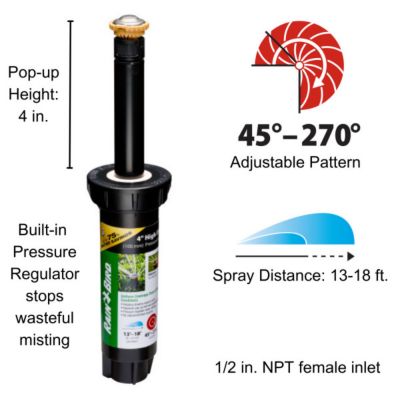
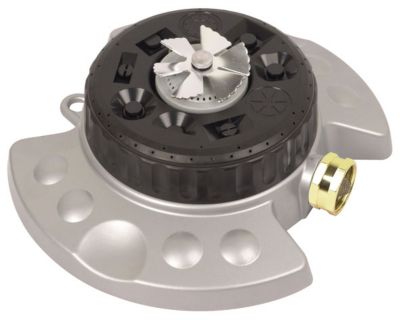
360 Degree Sprinklers provide full-circle coverage from a central position. Part-circle settings make more sense along property edges, where a full rotation would send water onto a gravel lane, porch, or neighboring ground. A quarter-circle pattern can suit a corner, while a half-circle pattern can fit along a straight lawn edge. Pattern adjustment controls the angle of coverage; radius adjustment controls how far water travels from the head. On oscillating styles, width and range controls serve a similar purpose for rectangular spaces. Those differences matter because an adjustable sprinkler does not necessarily offer independent control over every setting. Some change only the watering pattern, while others also adjust distance, flow, or individual spray outlets. Matching those controls to the shape of the planting area helps keep water around roots instead of soaking walkways and fence posts. It also makes a sprinkler easier to place when a yard includes several separate patches rather than one open rectangle.
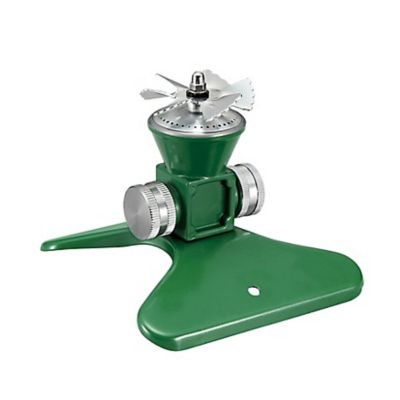
Coverage depends on more than the size printed on a sprinkler’s packaging. Water pressure, available flow, hose length, hose diameter, and changes in elevation all affect how a sprinkler performs at home. A long hose running uphill to a garden may deliver less pressure at the sprinkler than a short hose connected near the spigot. Running several sprinklers from one connection can also reduce the reach of each one when the water supply cannot support their combined flow needs. Coverage ratings generally reflect specified operating conditions, so the listed square footage is a reference point rather than a promise for every setup. Radius and diameter deserve a close look, too: radius measures from the sprinkler to the outer edge of its throw, while diameter measures across the entire watered circle. A circular coverage figure does not translate directly to a long, narrow bed or an L-shaped lawn. For an in-ground system, the connection size, inlet style, recommended operating pressure, nozzle compatibility, and pop-up height all need to suit the existing installation. A pop-up stem should clear nearby grass or low plant growth without leaving the spray blocked. Spray heads and rotating heads can apply water at different rates, so irrigation zones need compatible watering characteristics rather than a mix chosen only by reach. For hose-end watering, connection fit and a sound hose washer help prevent leaks at the coupling. Stable placement matters just as much as the connection. A spike holds a sprinkler in soil, a sled base sits on the surface for easy repositioning, and a wheeled base can help with moving between watering spots. The best fit depends on the ground and how often the sprinkler needs to move. Near newly seeded patches, a gentler spray helps limit soil disturbance; across an established lawn, even distribution matters more than simply reaching the farthest corner. Soil that takes in water slowly may benefit from shorter watering periods with time between them, rather than one long run that leaves puddles beside the garden.
Materials and construction make a difference when a sprinkler gets moved across a yard, carried between garden rows, or stored alongside other watering equipment. Molded plastic bodies keep weight down and can be easy to carry, while metal components such as brass, zinc alloy, or stainless steel appear in connections, impact mechanisms, stakes, and bases. The material alone does not tell the whole story: a steady base, secure coupling, protected adjustment controls, and well-supported moving parts all affect everyday handling. Metal parts can resist knocks but may need attention to corrosion, depending on the metal and its finish. Plastic parts avoid rust, though resistance to sunlight and cracking varies with the material and construction. Broad adjustment tabs and clearly marked controls are helpful when hands are damp or garden gloves are on. A sprinkler that holds its setting during operation saves the bother of repeatedly correcting a stream that wanders toward the sidewalk. Routine care is mostly about keeping the water path clear and avoiding strain on small parts. Sediment can collect in inlet screens and nozzle openings, changing the spray pattern or shortening the throw. Removable screens and accessible nozzles make inspection and cleaning easier, with the manufacturer’s directions providing the right method for each design. Forcing a wire through a small nozzle can enlarge the opening and change its performance, so clearing debris should not mean reshaping the outlet. Hose connections benefit from intact washers and snug fittings without excessive tightening. Moving a sprinkler by its base rather than dragging it by the hose helps protect the coupling and keeps dirt from packing into the working parts. Draining and cleaning equipment before storage also helps keep passages clear for the next watering job. For gardeners tending beans and tomatoes, homeowners caring for lawn edges, or property owners watering several separate areas, adjustable sprinklers offer practical control over an ordinary chore. The right combination of pattern, reach, connection, and base style brings that control where it counts: onto the planted ground, with less water landing where it has no job to do.