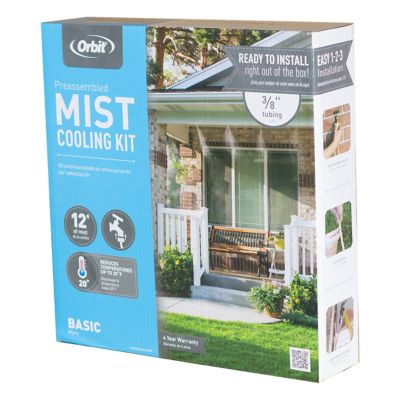
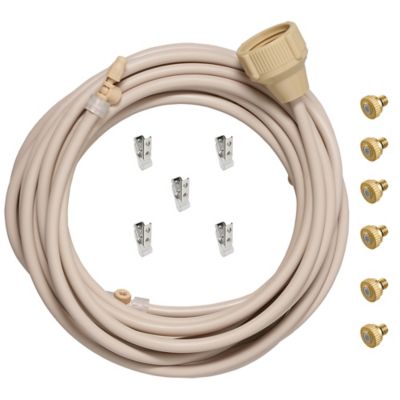
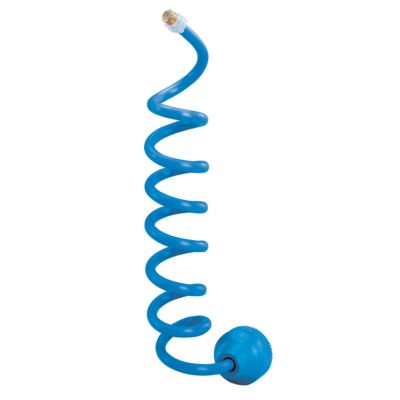
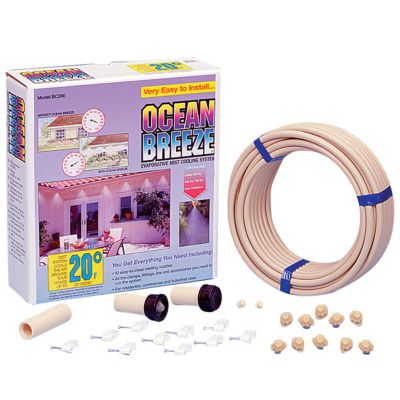
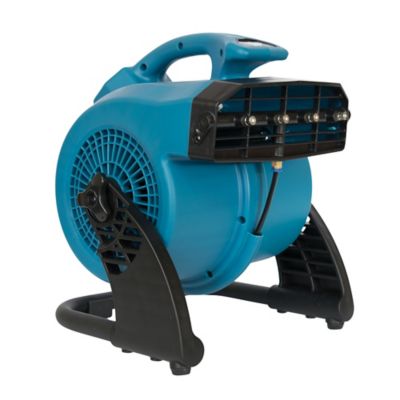
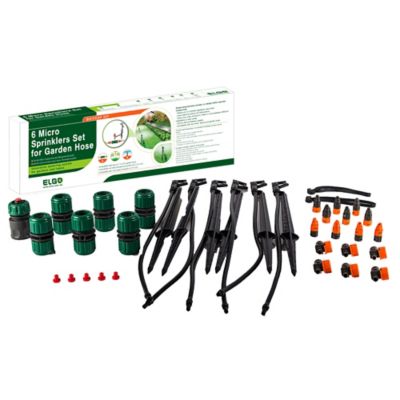
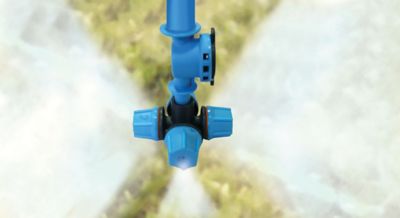
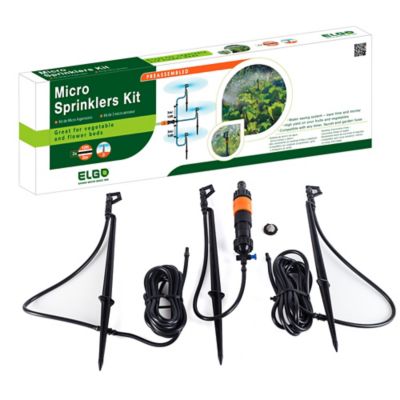
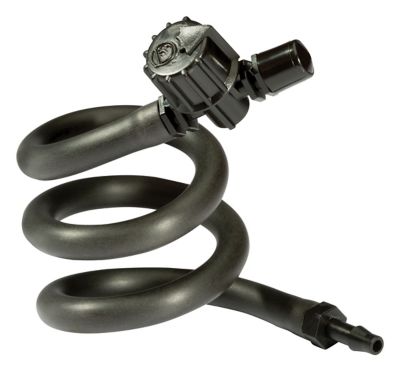
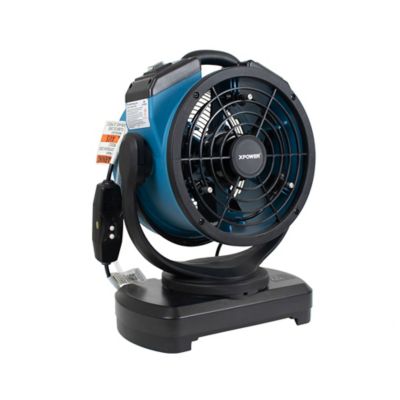
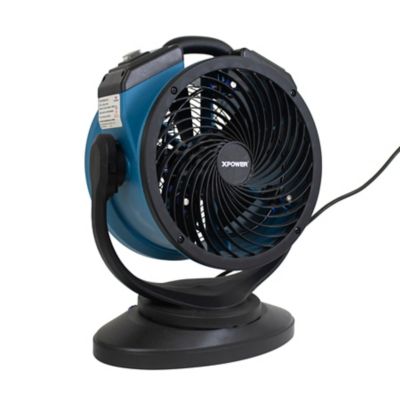
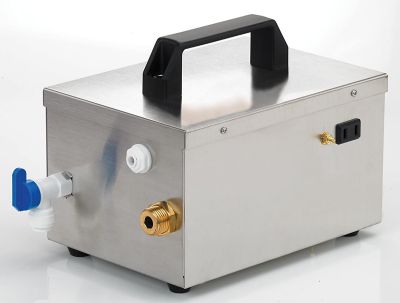
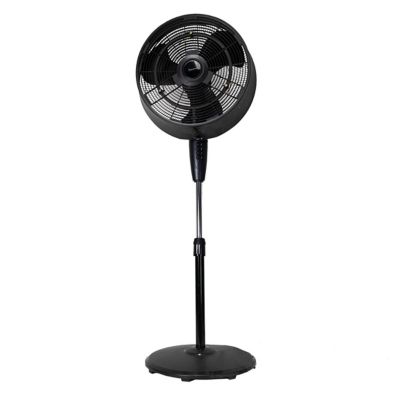
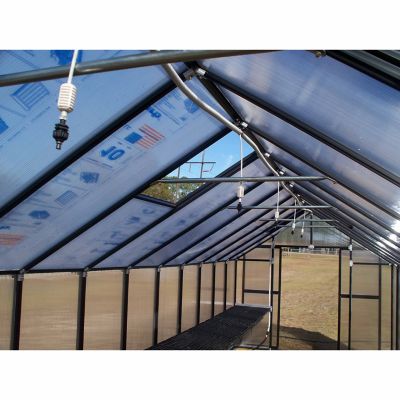
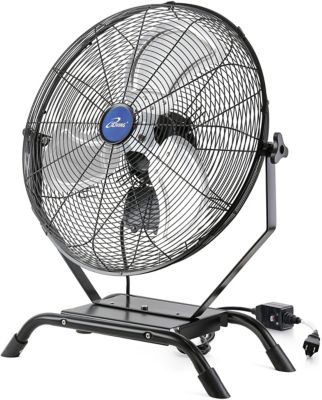
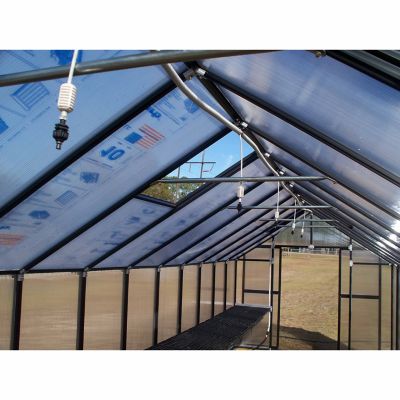
Misting systems make it easier to take the edge off warm weather around patios, porches, barns, kennels, greenhouses and other outdoor gathering spots. These systems connect to a standard garden hose or a pump and send water through small nozzles, creating a fine spray that can evaporate and cool the surrounding air. They are especially useful in dry climates, where evaporation happens quickly, but they can also bring welcome relief on muggy days when placed in a breezy, open area. A simple low-pressure setup runs on regular household or garden-hose water pressure, often around 40 to 60 PSI, and can be a practical choice for a backyard seating area, pool deck, dog run or outdoor work space. Mid-pressure systems use a small pump to create a finer mist and help cover larger areas, while high-pressure systems are designed for more demanding applications and produce an exceptionally fine vapor that is less likely to leave people, cushions or equipment feeling wet. When comparing misting systems, start with the size and layout of the space you want to cool. Measure the length of fence, pergola, shade structure or overhang where the tubing will go, then consider the number and spacing of nozzles needed for even coverage. A short line can work well along a porch railing, while a longer arrangement may suit a pavilion, livestock shelter or outdoor event area. Look for tubing that is easy to cut and secure, connectors that fit tightly, and mounting clips that hold the line steady without pinching it. A shutoff valve gives you better control over water use, and an adjustable nozzle or pump setting can help fine-tune the spray for changing conditions. If you prefer a little extra airflow along with evaporative cooling, explore
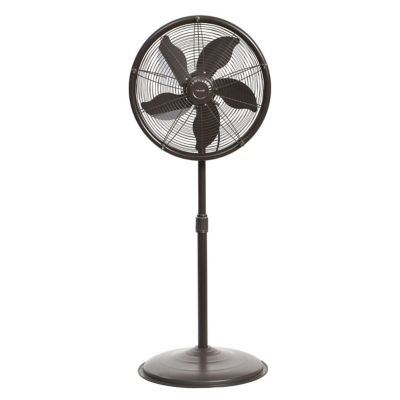
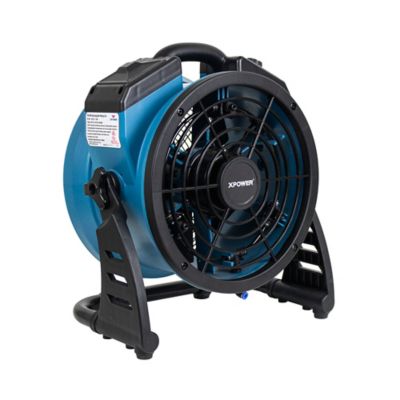
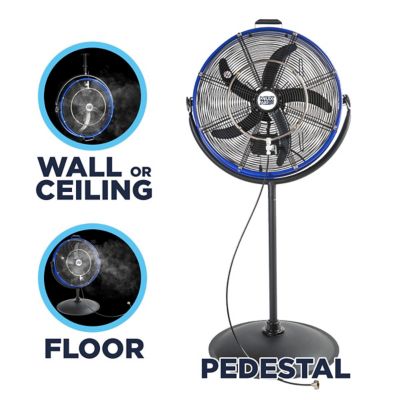
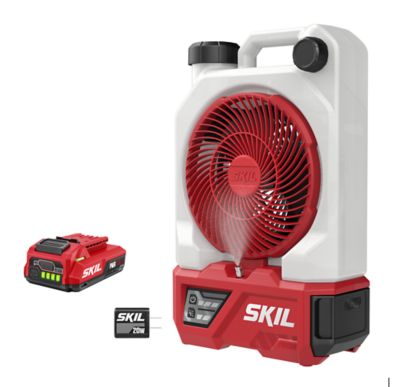
Outdoor Misting Fans For Patios for another way to make outdoor spaces more comfortable.
Choosing the right misting system also means thinking about water quality, electrical access and how the space is used day to day. Hard water, sediment and well-water minerals can collect inside tiny nozzles, so a compatible inline filter is a smart addition for many installations. Filters help catch grit before it reaches the misting line and may reduce clogging, though they still need to be checked and replaced as recommended. In areas with mineral-heavy water, brass or stainless components may offer useful durability, while UV-resistant tubing is worth considering when the system will stay outdoors through repeated sun exposure. Low-pressure hose systems are generally approachable for do-it-yourself installation and may be all that is needed for a small seating area. Pump systems can provide a finer mist and more consistent coverage, but they require a suitable power source and a level, protected location for the pump. Keep electrical connections away from standing water, use outdoor-rated equipment and follow the installation instructions for grounding and weather protection. Before mounting the line permanently, lay out the tubing and test the spray pattern. This simple step can reveal dead spots, overspray or a nozzle aimed toward a doorway, grill, feed area or walkway. Plastic tubing is easier to work with after it has warmed in the sun, but avoid overheating it or leaving loose sections where people, pets or equipment can catch on them. Install the nozzles so the mist moves into the open air rather than directly onto furniture, walls or animal bedding. A system along the edge of a shaded pergola may cool a sitting area without soaking the table, while a line mounted near a kennel or covered run can help dogs stay more comfortable when the air is hot. Misting systems can also be useful around garden work areas, outdoor markets, farm stands, riding arenas and repair spaces where shade alone does not always cut the heat.
Good care helps a misting system work reliably when warm weather returns and makes seasonal storage less of a chore. After use, shut off the water supply and release pressure from the line before disconnecting fittings or removing nozzles. Drain as much water as possible, especially when the system will sit unused during cooler weather, because trapped water can encourage buildup, unpleasant odors or biological growth inside the tubing. In regions that experience freezing temperatures, bring removable components indoors or store them in a protected, dry place; water left inside the line can expand as it freezes and damage fittings, filters or pumps. Rinse the filter housing and inspect each nozzle for mineral deposits, cracks or uneven spray. A soft brush, approved cleaning method or replacement nozzle is usually better than forcing a pin or sharp wire into a tiny opening, which can damage the spray tip and change the pattern. Keep spare washers, connectors and nozzles with the system so small repairs do not turn into a long search when the next hot spell arrives. Misting systems can make thoughtful gifts for homeowners, gardeners, campers, animal caretakers and anyone who enjoys cooking, relaxing or working outdoors. They are particularly handy for families with a shaded porch, hobby farm or backyard entertaining area, and they can be shared by people and pets when installed with sensible spacing and water control. As the weather shifts between warm afternoons and cooler evenings, use the system only when conditions call for it, and shut it down when the air is already comfortable or the surrounding area begins to feel damp. With the right pressure, layout and upkeep, a misting system can turn a plain patio, barn-side work area or shaded gathering spot into a more pleasant place to spend time.