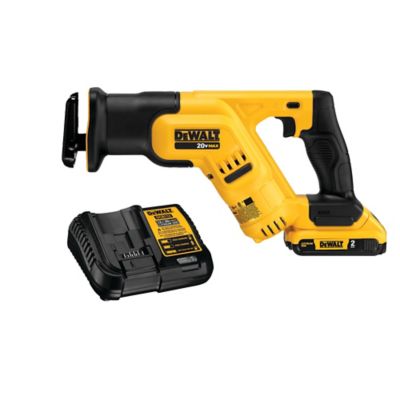
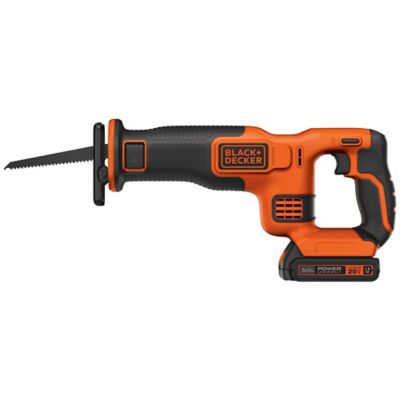
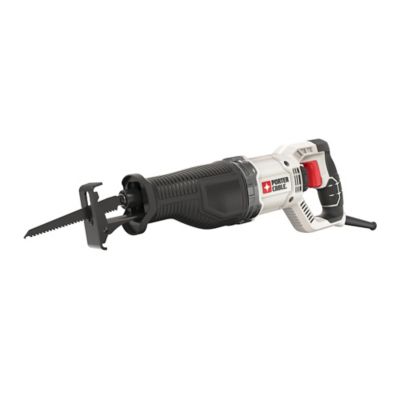
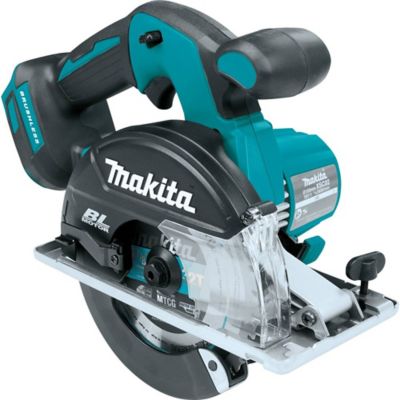
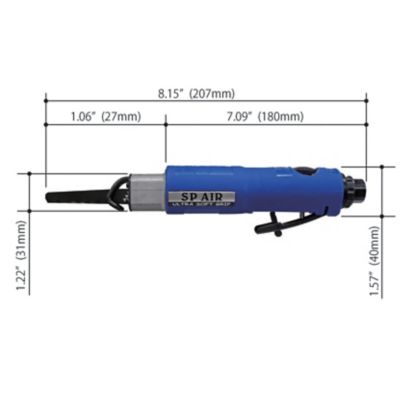
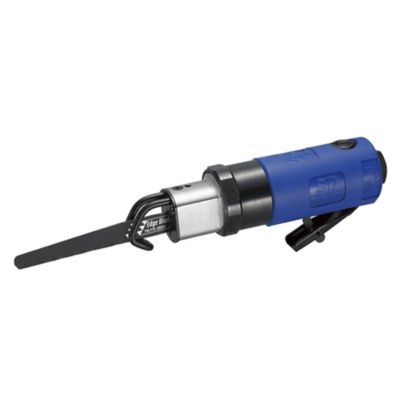
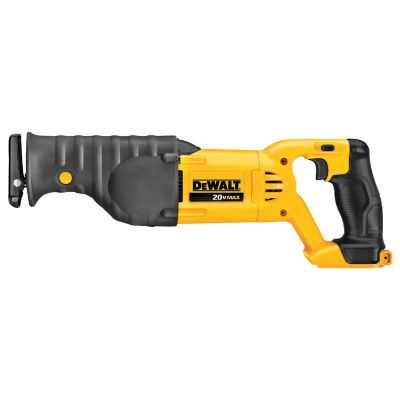
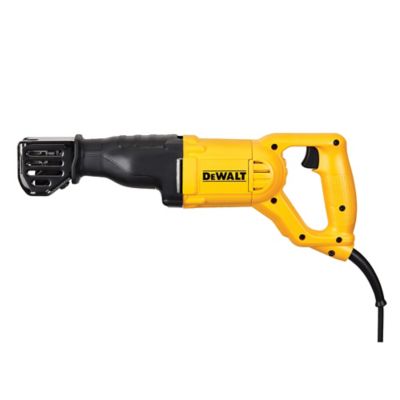
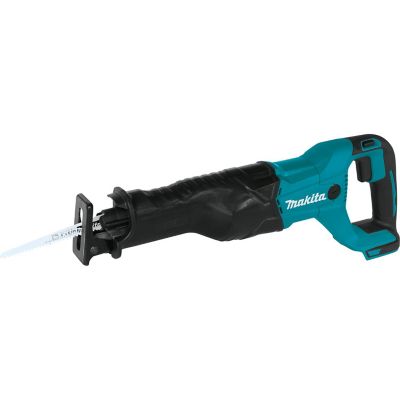
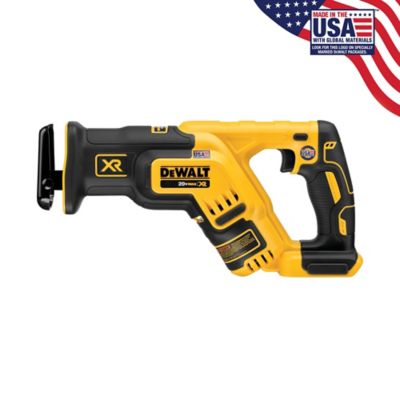
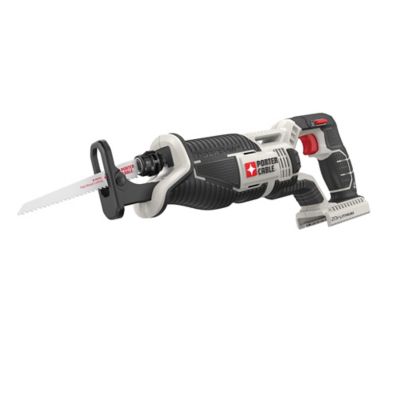
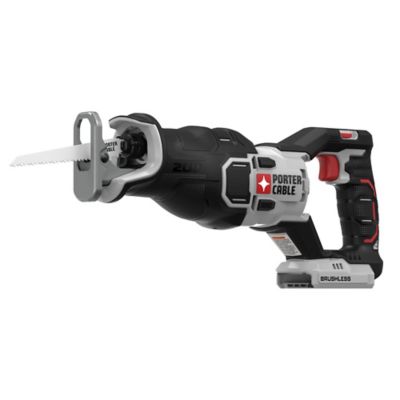
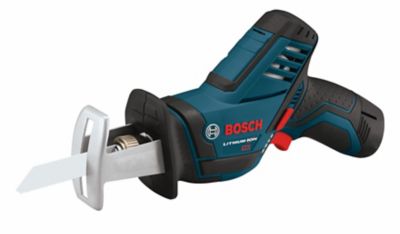
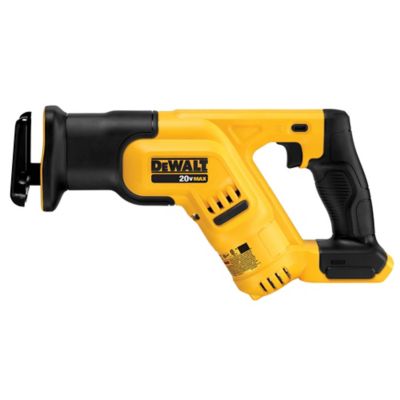
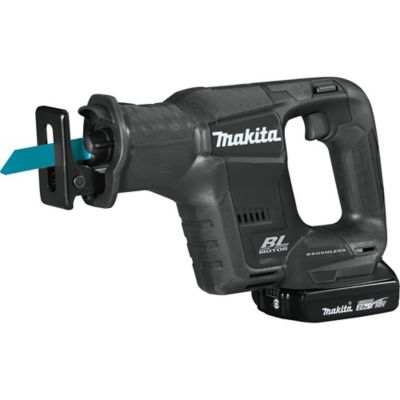
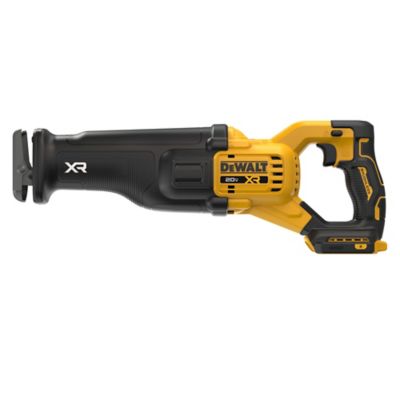
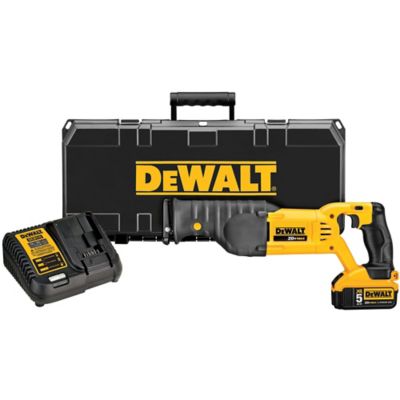
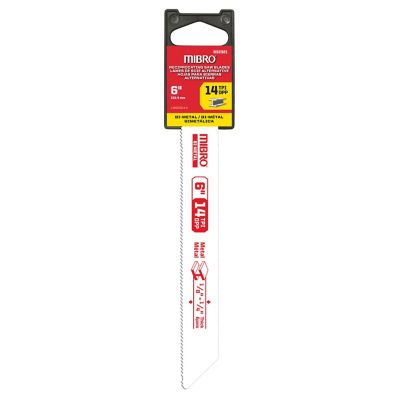
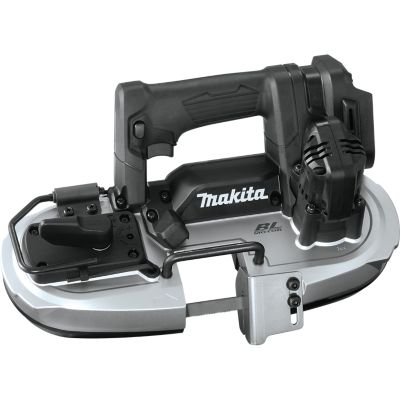
When it comes to tackling tough metal jobs around the farm, workshop, or job site, a reciprocating saw built for metal cutting is a real workhorse. Folks who spend their days maintaining fences, repairing old machinery, or putting up new outbuildings know that steel pipes, rebar, bolts, and angle iron don’t cut themselves. That’s where a sturdy reciprocating saw comes in handy, making quick work of demolition or custom cuts. Whether you’re a seasoned welder, a DIY enthusiast fixing up an old barn, or just someone who likes to be prepared for whatever projects pop up, having the right saw — and especially the right blade — can make all the difference. These tools are also a thoughtful gift for anyone in your life who’s always tinkering in the shop or working their land, especially as the weather warms up and folks get to all those summer and fall repairs and improvements. Reciprocating saws are a favorite among mechanics, metal fabricators, and even homeowners who want to be ready for anything from plumbing repairs to creative metal art projects.
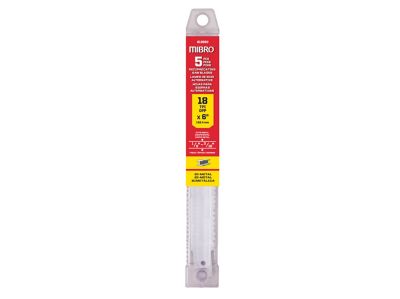
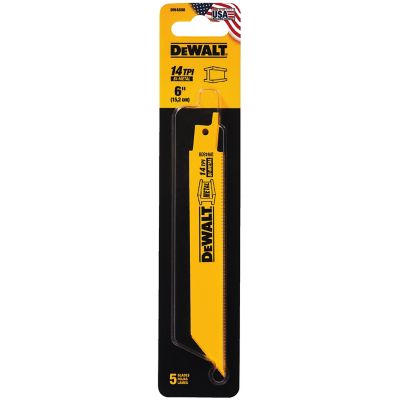
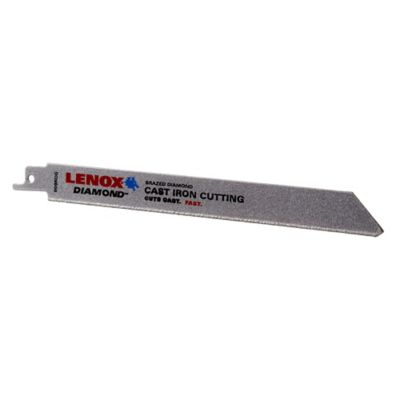
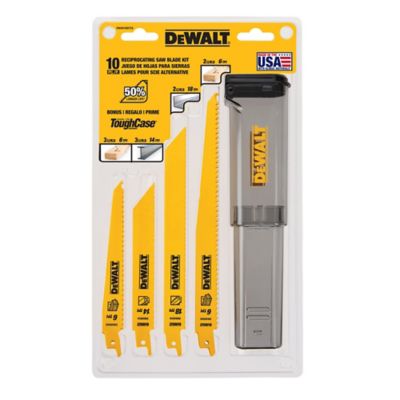
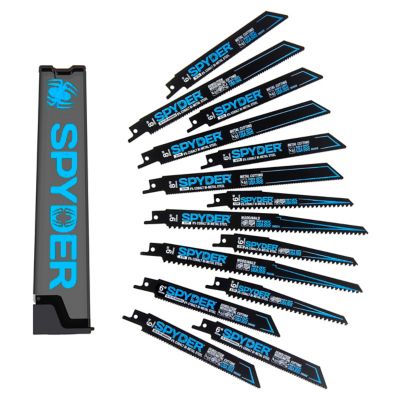
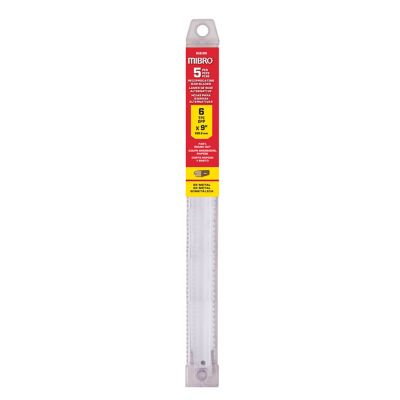
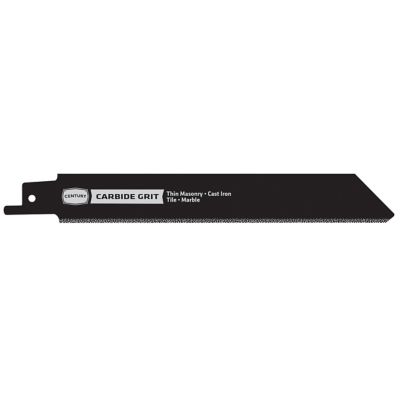
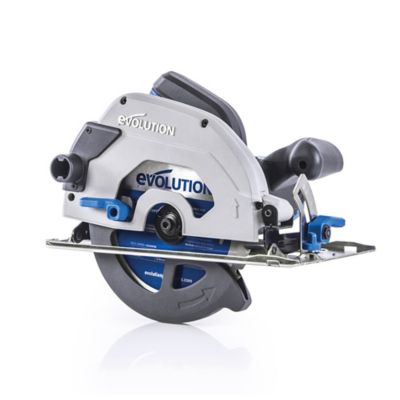
Choosing the best reciprocating saw for metal cutting takes a bit of know-how. First off, the blade is just as important as the saw itself. For metal work, you’ll want to use high-quality bi-metal or carbide-tipped blades — wood blades just won’t hold up. Pay attention to the teeth per inch (TPI): higher TPI blades (18 to 24) are great for thin metals like sheet metal or conduit, while thicker pipes and angle iron are better tackled with a 14 to 18 TPI blade. A variable-speed trigger is a real asset, letting you slow things down so you don’t overheat the blade or melt your way through a piece of steel. Always clamp your workpiece down tight — trying to hold metal by hand is a good way to ruin a blade or get a nasty kickback. Pressing the shoe of your saw firmly against the material helps keep vibrations down and protects your blade from snapping. Cordless models offer freedom to roam, which is handy if you’re working out in the field or moving between projects, while corded saws deliver steady power for those longer, heavy-duty jobs. As the days get cooler and you’re buttoning up projects before winter, a solid reciprocating saw will help you power through those last-minute fixes and upgrades.
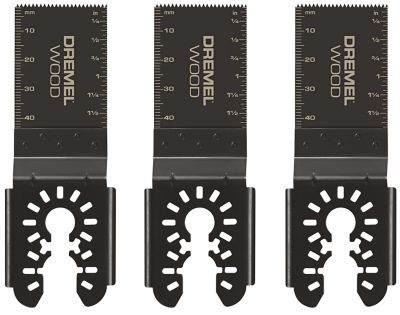
No matter your experience level, having the right tools for the job keeps things running smoother and safer. If you’re already set up with a saw for metal, don’t forget that there are also specialty blades for other materials — if you’re switching over to woodwork or demolition, check out our selection of
Wood Cutting Reciprocating Saw Blades to make sure you’re always using the right blade for the task. A good reciprocating saw is the kind of tool that earns its keep season after season, whether you’re cutting through stubborn bolts to fix a gate, trimming pipe for a new water line, or helping a neighbor with a quick fix before the first frost. With the right setup, you’ll be ready to handle whatever the land — or the weather — throws your way.