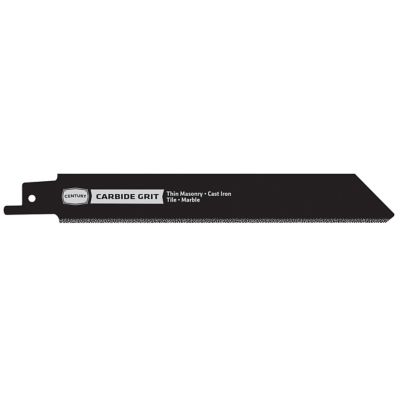
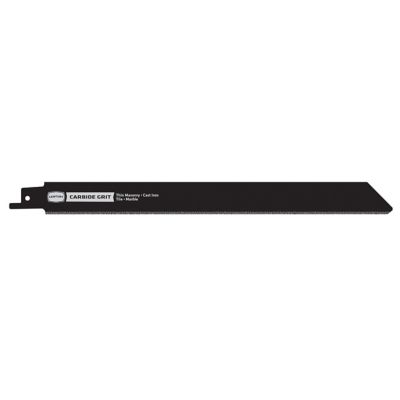
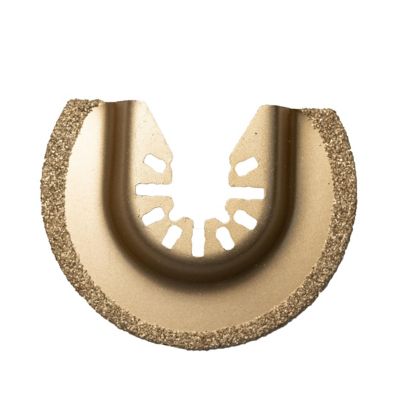
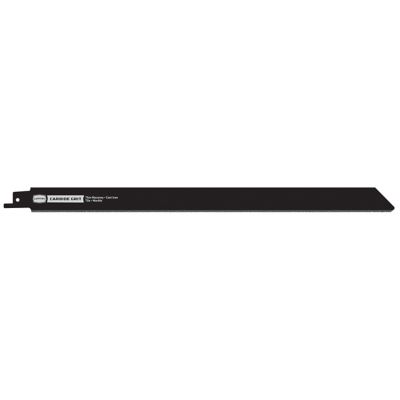
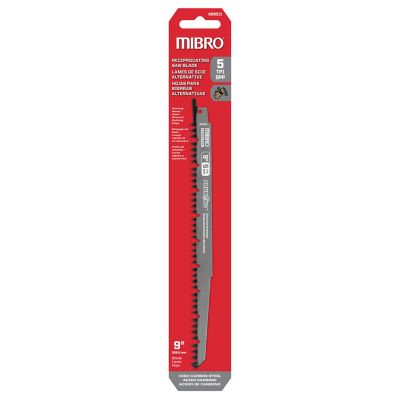
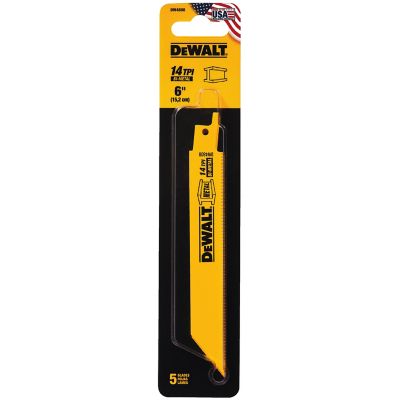
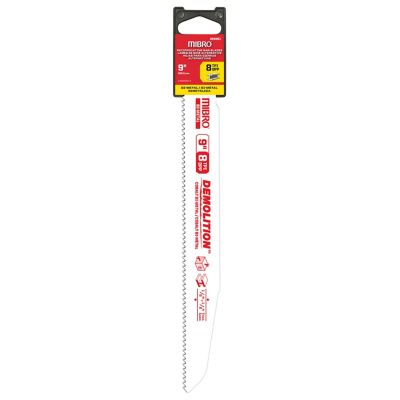
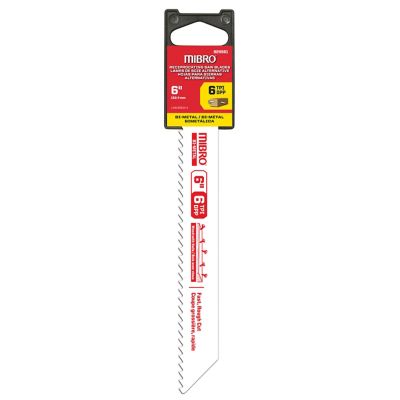
Carbide reciprocating saw blades bring wear-resistant cutting edges to demanding jobs around the farm, shop and jobsite. Depending on their material rating, these blades can tackle nail-embedded lumber, thick steel, cast iron and other materials that can wear down ordinary cutting teeth in a hurry. Carbide retains its hardness under cutting heat and resists abrasion, helping a properly matched blade keep working through tough material. On carbide-tipped designs, a steel body supports individual carbide teeth. Carbide-grit blades take a different approach, cutting with abrasive particles instead of a row of teeth; certain designs are suited to cast iron or particular masonry materials. The distinction matters because carbide is a cutting material, not a promise that every blade will cut everything. A blade intended for demolition lumber has different demands than one made for heavy steel pipe. Tooth shape, spacing, blade thickness and the way the cutting edge meets the work all affect performance. Pulling apart an old livestock shelter might mean cutting through framing with hidden nails, while a shop repair might call for a controlled cut through a section of steel tubing. Those jobs belong to the same broad category, but they do not necessarily call for the same blade. Farmers, ranchers, maintenance crews, contractors and homeowners working on outbuildings can benefit from choosing around the actual task rather than simply reaching for the longest blade in the toolbox. Carbide edges can provide longer cutting life than conventional bi-metal teeth in suitable applications, but there is no single service-life multiplier that applies to every cut. Material hardness, embedded fasteners, operating speed and cutting technique all influence how long an edge lasts. Even within metal cutting, thin sheet, solid bar and cast pipe place different loads on the teeth. Matching the blade’s stated applications to the material gives a clearer picture of its purpose than carbide construction alone.
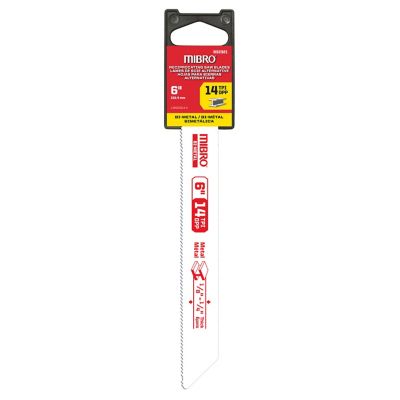
Blade dimensions and tooth configuration help narrow the fit for both the saw and the work. Many reciprocating saw blades have a standard 1/2-inch shank that fits a wide range of reciprocating saws, though the saw’s blade-clamp requirements remain the deciding factor. Overall length needs to account for the workpiece thickness, the saw’s stroke and any space between the shoe and the cut. Enough blade must extend beyond the far side of the material throughout the stroke so the tip does not strike it head-on. Extra length can provide reach around a crowded repair, but an unnecessarily long blade may flex and become harder to control. Wider, thicker bodies generally offer more support for straight demolition cuts, while narrower profiles can provide access in tighter spaces. Neither shape takes the place of proper clearance behind the workpiece. Teeth per inch, often shortened to TPI, describes tooth spacing. Lower tooth counts generally leave larger spaces for clearing wood chips and other cutting debris, while finer spacing can help maintain tooth contact in thinner sections. Carbide tooth designs vary, however, so TPI should be considered alongside the blade’s material rating rather than treated as the whole answer. A coarse carbide blade engineered for thick metal may not follow the same tooth-count expectations as a conventional metal-cutting blade. For a fence repair involving lumber, the presence of nails or screws also changes the selection. A wood-only cutting edge is not interchangeable with one specifically rated for embedded metal. When the work centers on clean boards, framing lumber or other suitable wood applications,
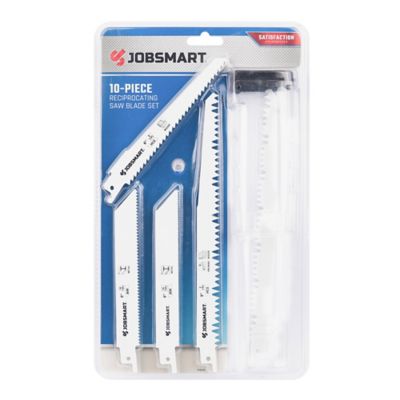
Wood Cutting Reciprocating Saw Blades offers a related category to consider. For mixed-material teardown work, application labels help separate wood-and-nail capability from ratings for steel, stainless steel or cast iron. The right match balances access, support and cutting clearance without asking one blade to cover every repair on the property.
Care and operating habits have a lot to do with getting steady service from a carbide reciprocating saw blade. Carbide resists wear, but its cutting edges can chip when the blade twists, the teeth slam into the work or a closing cut traps the blade. A pipe that rolls on the bench or a loose board that shakes with every stroke makes the job harder on both the edge and the operator. Firm workpiece support and steady contact between the saw shoe and the material help reduce that movement. Feed pressure should let the teeth make progress without forcing the saw, and operating speed should follow the recommendations for the blade and material. Faster is not always better, especially in hard metals where excess heat can shorten cutting life. For metal applications that permit lubrication, a compatible cutting lubricant can reduce friction and help carry heat away from the cut. Lubrication is not appropriate for every material or setup, so the blade, saw and lubricant directions all matter. Hidden wiring, plumbing and fasteners deserve attention before a demolition cut, along with clearance for the moving blade on the far side. Eye protection helps guard against chips, and hearing protection may be appropriate for the saw and task. Disconnecting power or removing the battery before changing blades keeps routine handling separate from powered operation. After cutting, allow the blade to cool before handling, clear away debris and check for cracked bodies, missing teeth or damaged shanks. A blade showing structural damage belongs out of service rather than back in the saw. Dry storage with the cutting edges protected helps prevent corrosion and keeps loose blades from knocking against other tools. For anyone who spends time repairing gates, opening up framing or cutting out worn metal parts, a well-matched carbide blade is a practical part of a working tool kit: selected for the material, fitted to the saw and cared for between jobs.