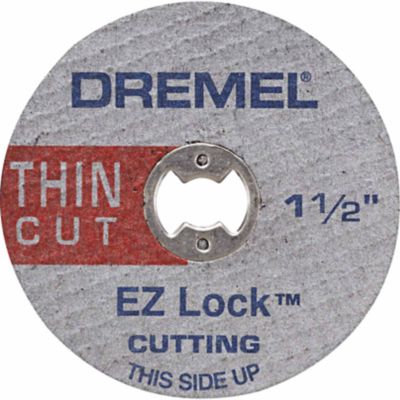
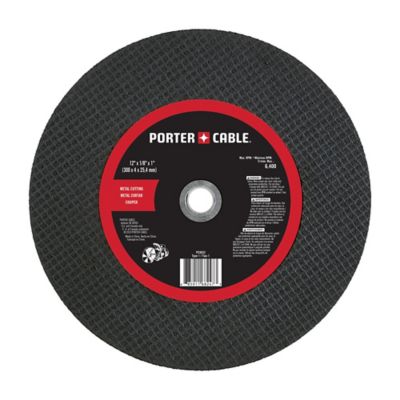
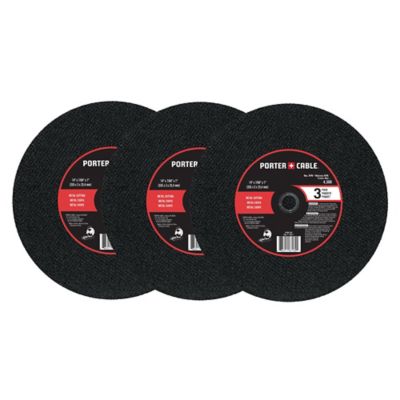
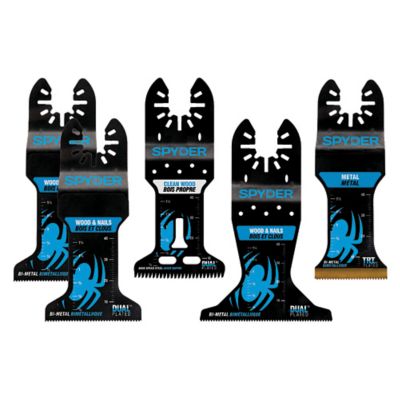
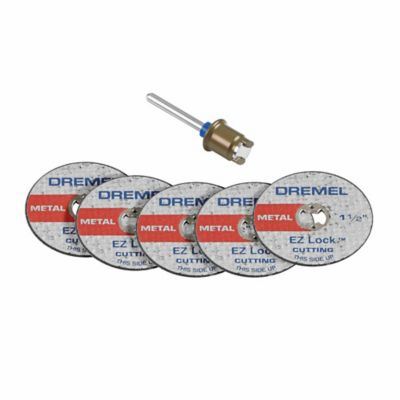
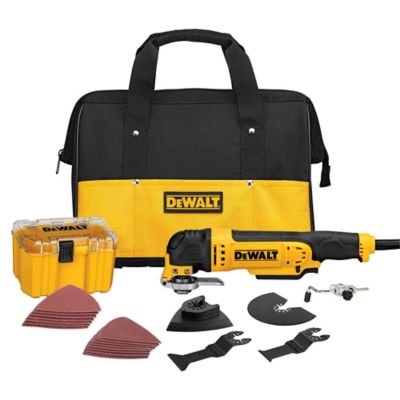
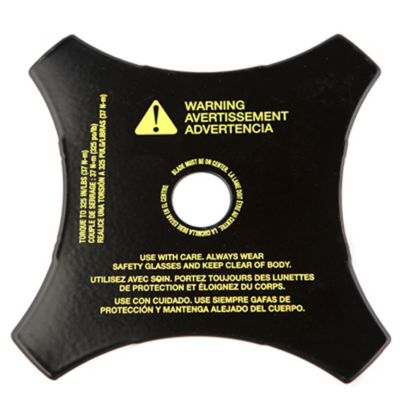
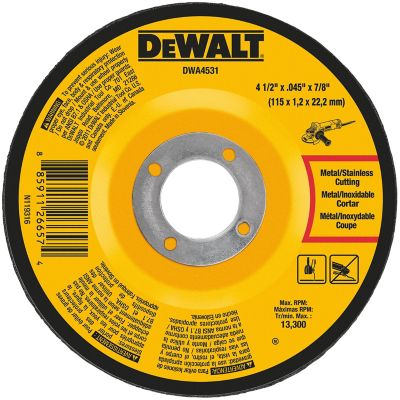
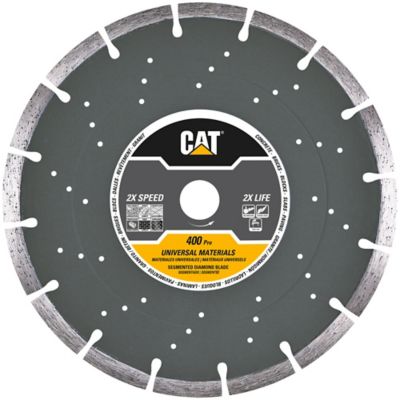
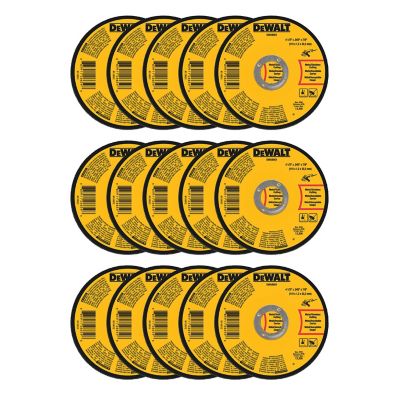
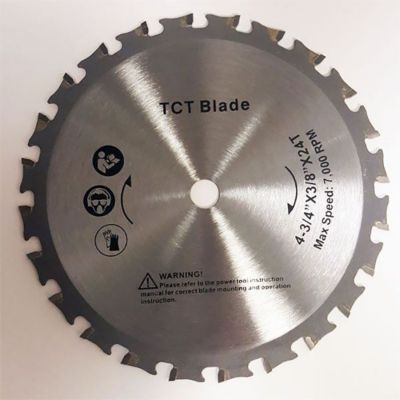
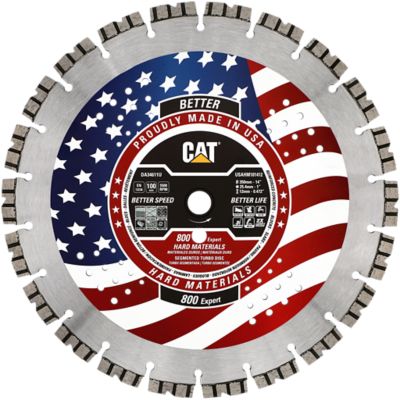
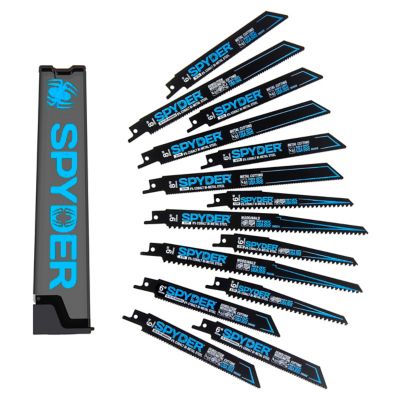
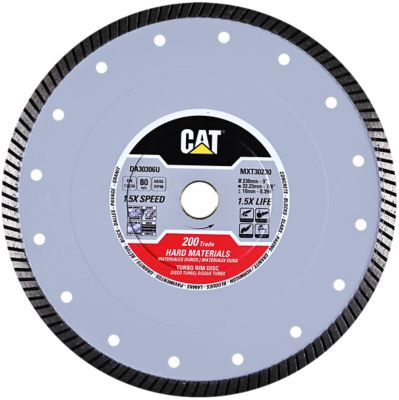
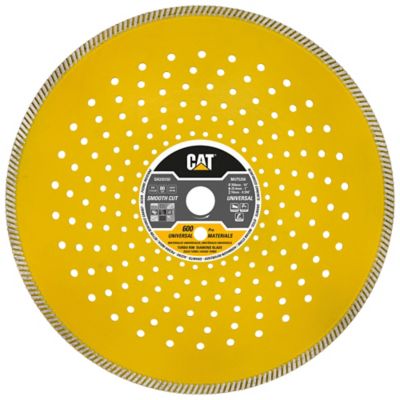
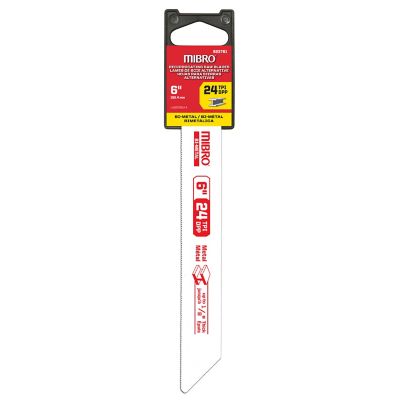
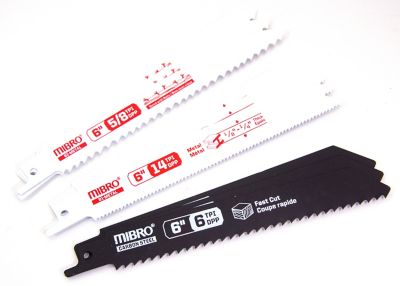
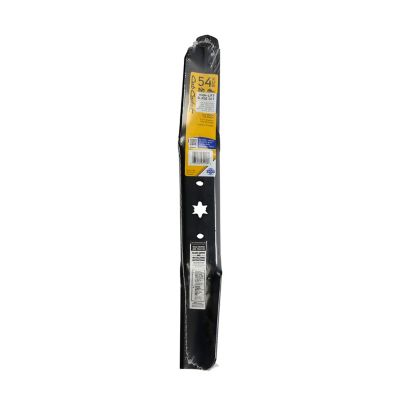
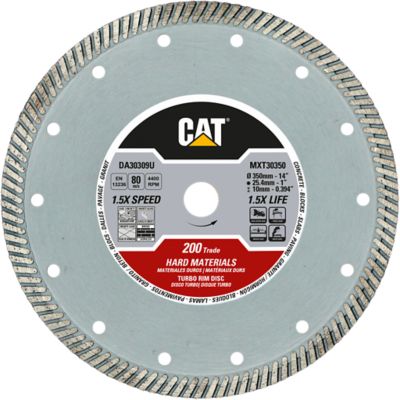
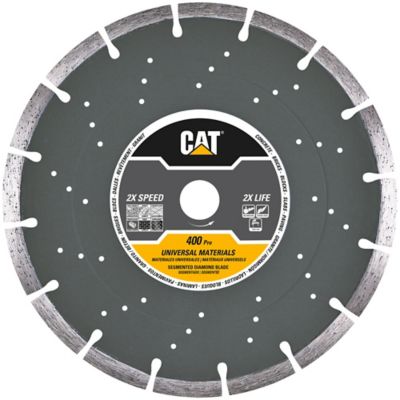
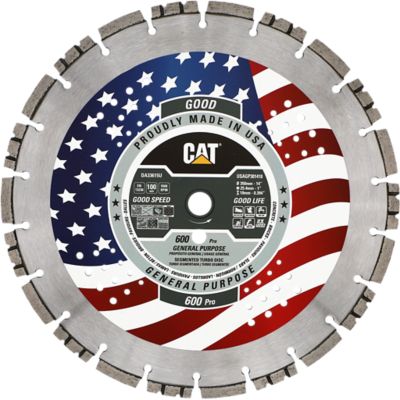
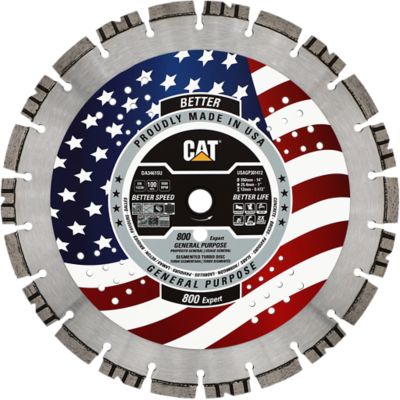
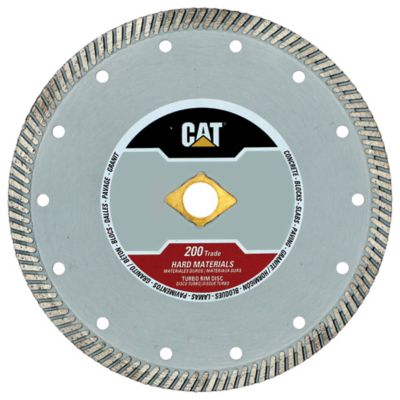
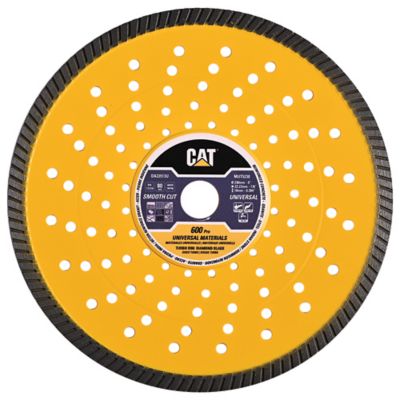
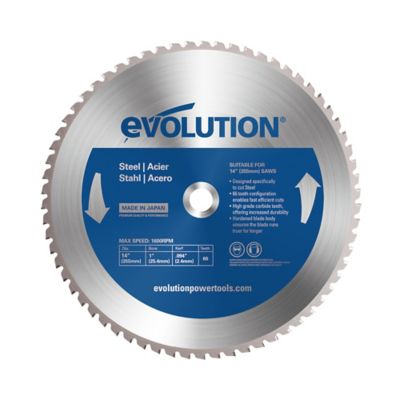
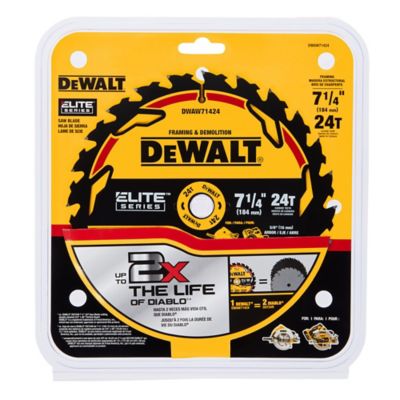
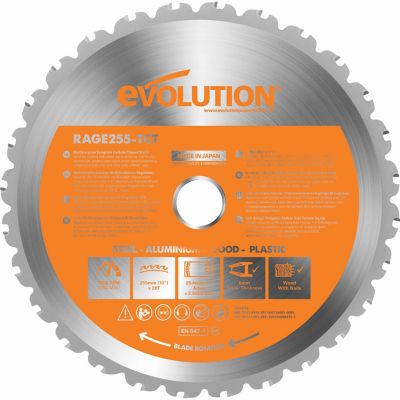
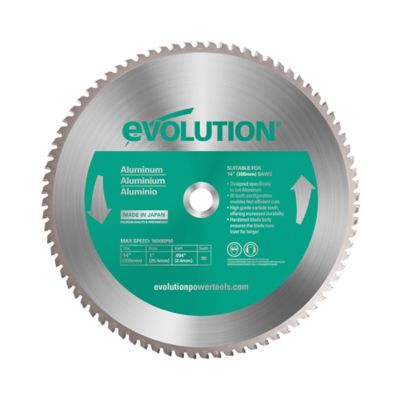
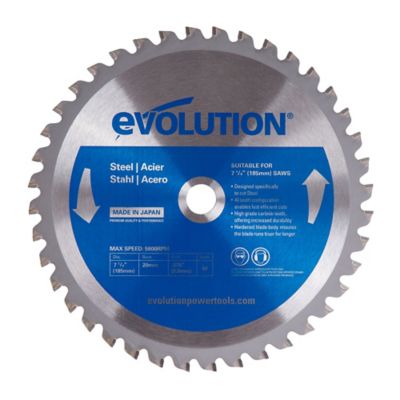
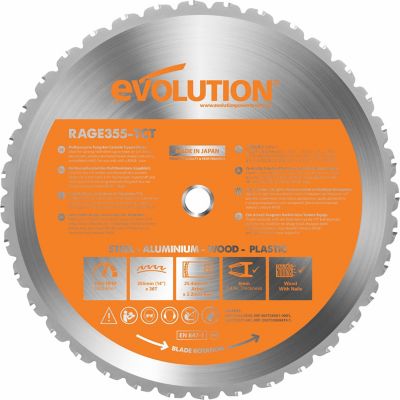
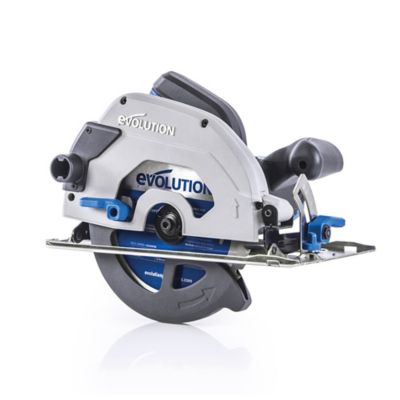
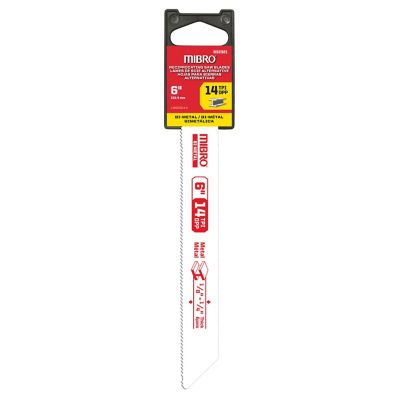
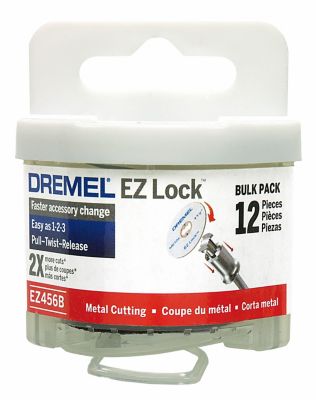
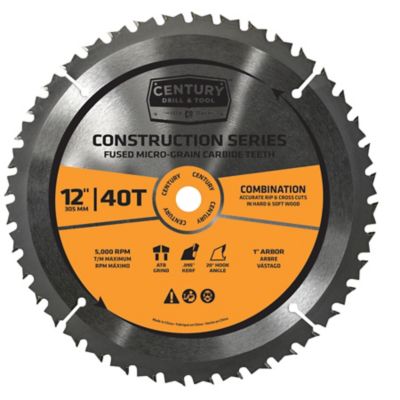
Metal cutting blades help turn tough, time-consuming work into a cleaner, more manageable job, whether you’re repairing a stock trailer, trimming steel pipe, replacing a section of fence, or working on equipment in the shop. The right blade is made for the material and the tool doing the work, so start by identifying both before making a purchase. Mild steel, stainless steel, cast iron, aluminum, sheet metal, rebar, and structural steel can all behave differently under a blade. A blade made for thin aluminum may not hold up against thick steel, while a heavy demolition blade can be more than you need for light fabrication. Abrasive cut-off wheels are a common choice for angle grinders and chop saws because they are affordable and can handle many everyday metal-cutting tasks. They remove material through friction, which means they create heat, sparks, and a noticeable stream of metal dust as they wear down. Carbide-tipped metal-cutting saw blades are designed to make faster, cooler cuts with less sparking in compatible saws, making them useful for repeated cuts through steel tubing, angle iron, and similar stock. Carbide reciprocating saw blades are handy when access is tight or when a job involves demolition, such as cutting through old pipe, rebar, bolts, brackets, or metal framing. Diamond blades use an exceptionally hard cutting edge and may be suited to demanding applications where long service life and consistent performance matter. For projects that call for a circular or miter saw, you can also browse
Metal Cutting Saws to find equipment designed around this kind of work. A blade’s diameter, arbor size, tooth count, thickness, and intended material all affect the cut, so compare those details with your saw’s specifications rather than choosing by appearance alone.
The best metal cutting blade depends just as much on the job setup as on the metal itself. Check the maximum RPM printed on the blade and never use it on a tool that spins faster than the blade’s rating. Confirm that the arbor or mounting size fits securely, and make sure the blade is approved for the saw, grinder, or reciprocating tool you plan to use. A blade that fits physically may still be the wrong choice if the tool is not designed for that style of cutting. Tooth count can affect the balance between speed and finish: blades with fewer teeth often remove material quickly, while a finer tooth pattern may provide a smoother cut in thinner stock when the blade is rated for that material. For abrasive wheels, look at the wheel’s diameter and thickness, as well as whether it is made for ferrous metal, stainless steel, or another application. Avoid forcing the blade through the work. Let the cutting edge do the work at a steady pace, and replace a blade or wheel when it becomes dull, damaged, excessively worn, or begins to cut unevenly. Secure the material with clamps or a vise so it cannot shift, twist, or pinch the blade. A long piece of pipe can roll unexpectedly, and a loose section of angle iron can catch the blade with enough force to pull the tool off line. Keep the cut area clear of fuel, dry grass, sawdust, cardboard, and other flammable material, especially when using an abrasive wheel that throws sparks. If sparks are unavoidable, direct them away from people, animals, vehicles, finished surfaces, and anything that could catch fire. Work in a well-ventilated area, particularly when cutting painted, coated, galvanized, or otherwise treated metal, since fumes and dust may be hazardous.
Metal cutting blades are useful for experienced fabricators, farmers, ranchers, maintenance crews, welders, mechanics, contractors, and handy homeowners who like to keep a dependable tool setup close by. They can help with practical jobs such as cutting chain, hardware, conduit, bolts, welded joints, gate components, shelving, brackets, and tubing. Around a farm or acreage, a sturdy blade may see service on everything from a broken hinge on a livestock gate to a length of pipe being fitted for a water line or a trailer repair. In a home workshop, the same type of tool can help with making a workbench, modifying a rack, repairing a mower attachment, or preparing metal for welding. Blades can also make a thoughtful addition to a gift for someone who spends weekends in a garage, barn, or fabrication space, especially when matched to a tool they already own. For a useful gift, check the recipient’s saw or grinder model, blade diameter, arbor size, and the kinds of metal they usually handle before choosing. Safety gear belongs alongside every cutting setup: wear properly rated eye protection or a face shield, hearing protection, sturdy gloves suited to the work, long sleeves, substantial footwear, and respiratory protection when the material or cutting process creates dust or fumes. Keep hands outside the blade path, inspect the blade before each use, and unplug or remove the battery before changing it. During the cooler months, a well-organized shop makes these precautions easier to follow; good lighting, a stable work surface, and a clear floor are especially important when outdoor repairs move inside. With the correct blade, a compatible tool, and a careful setup, metal cutting becomes a reliable part of routine maintenance and workshop projects.