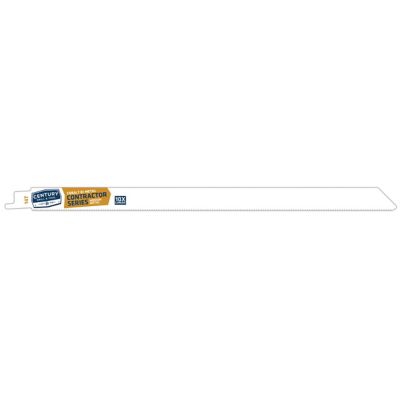
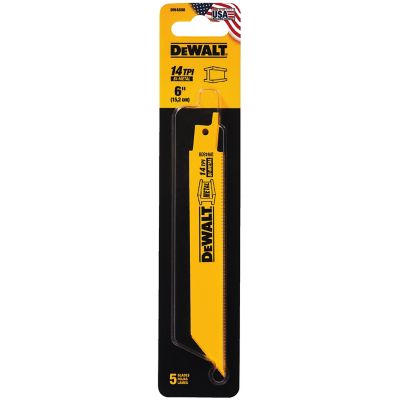
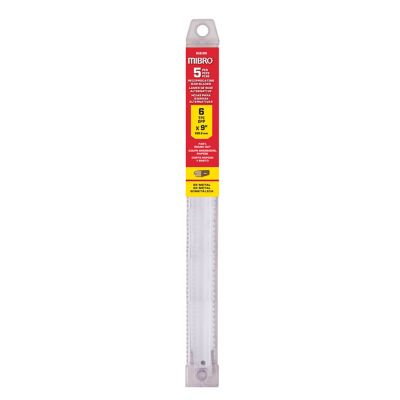
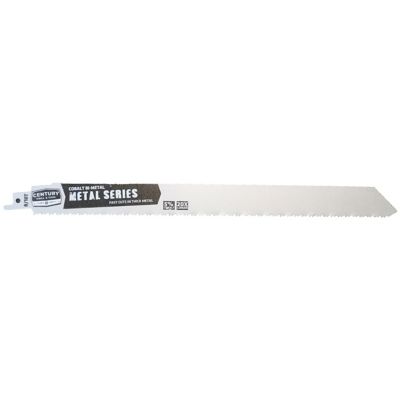
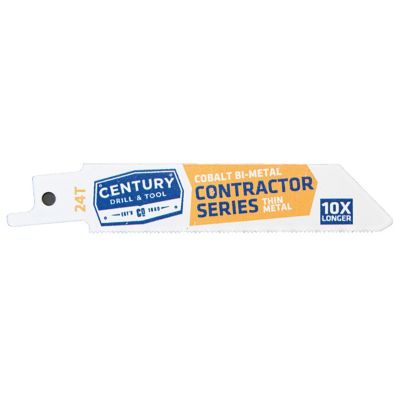
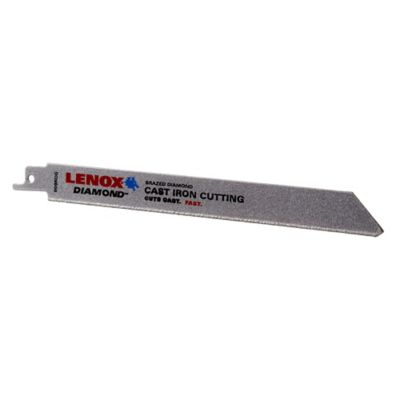
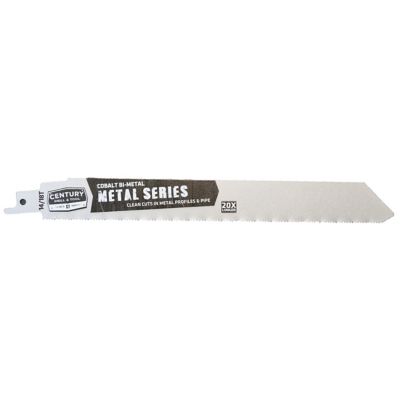
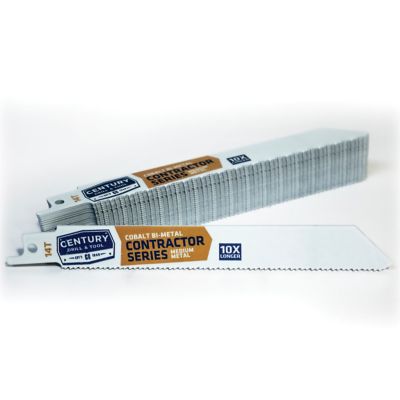
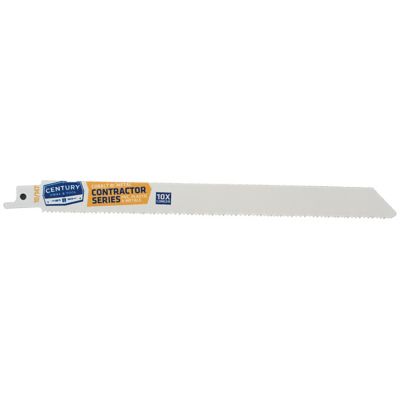
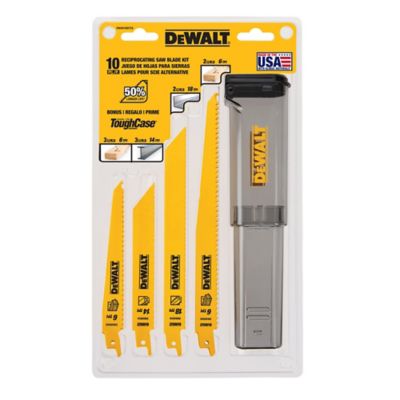
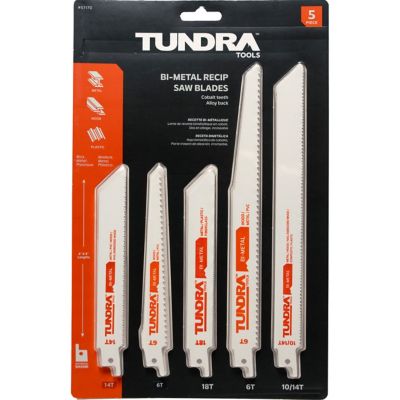
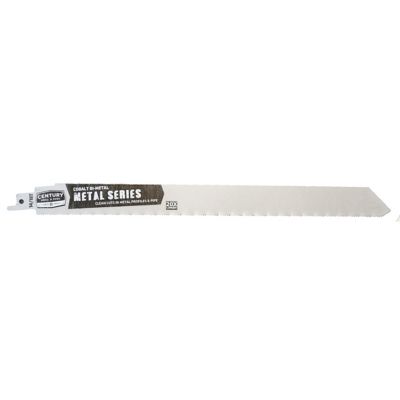
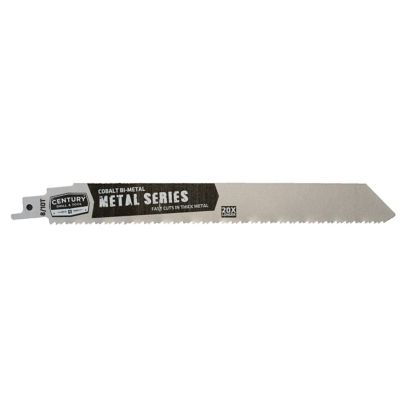
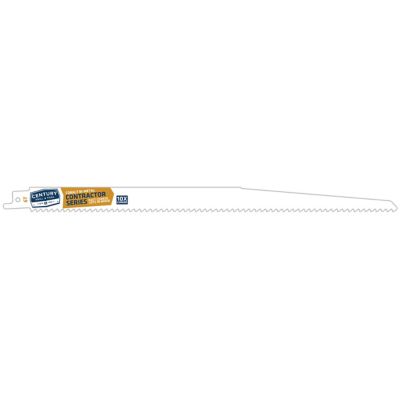
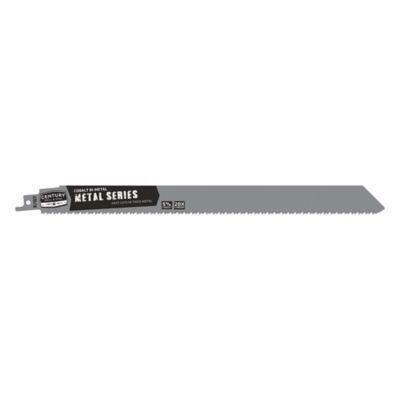
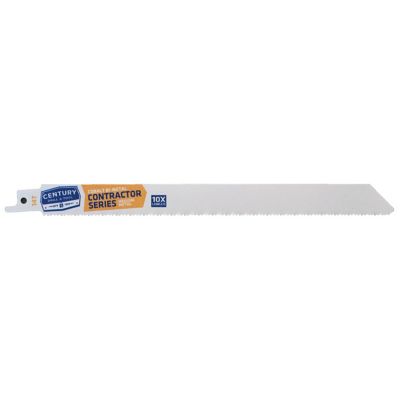
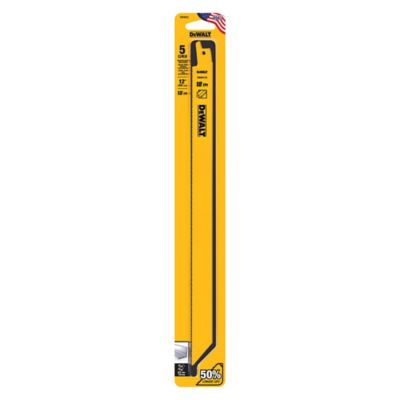
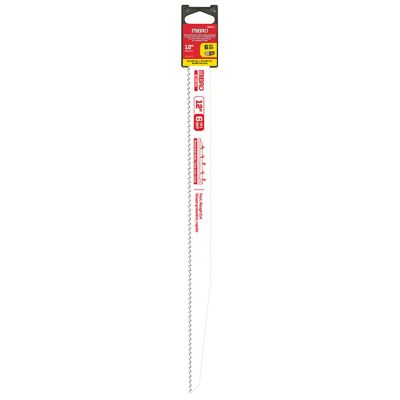
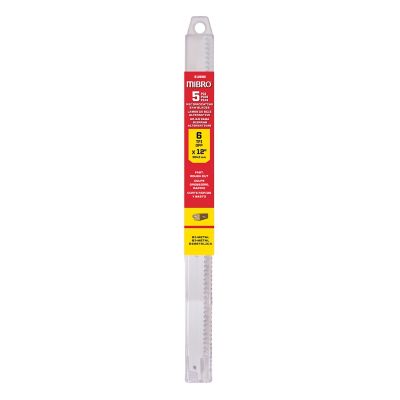
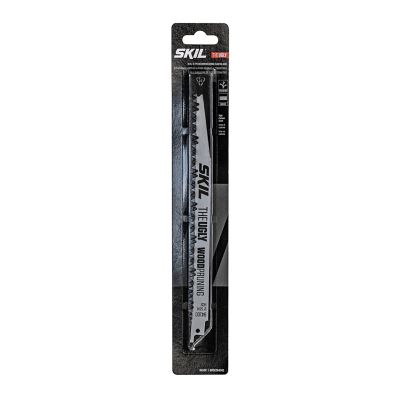
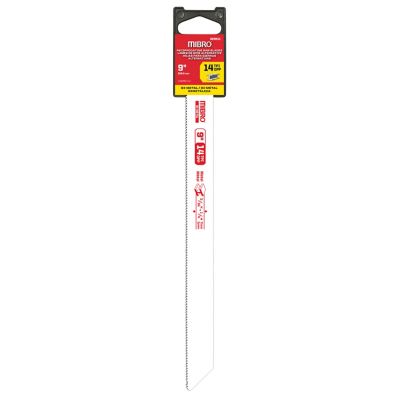
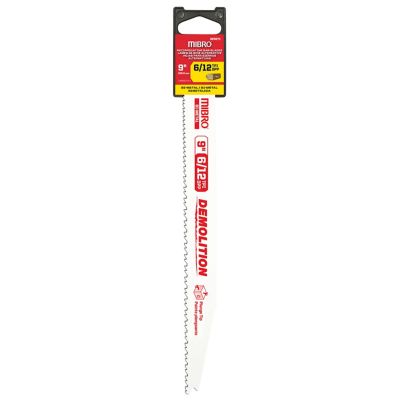
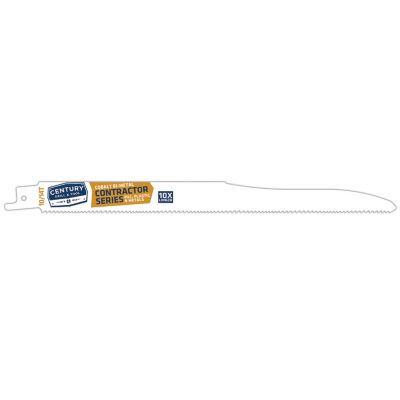
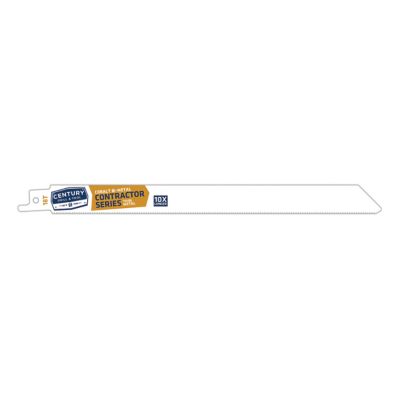
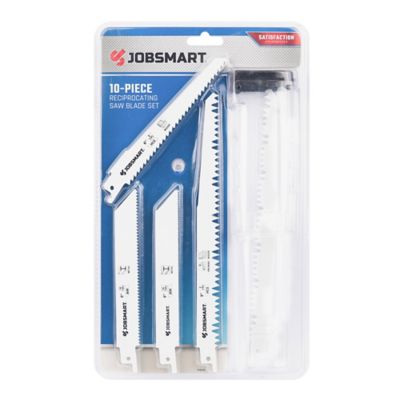
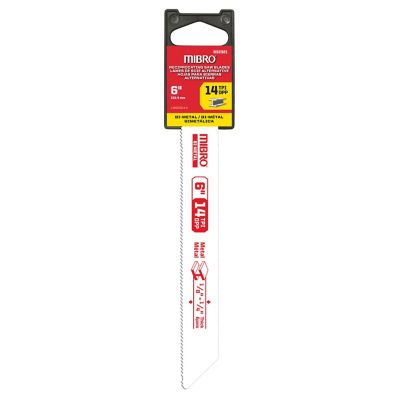
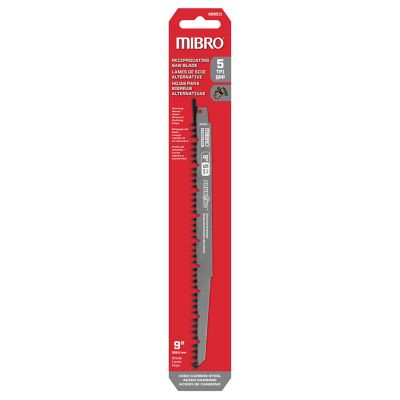
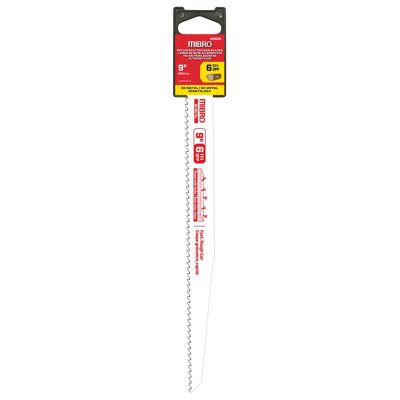
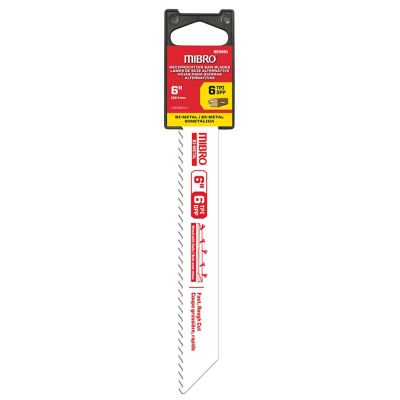
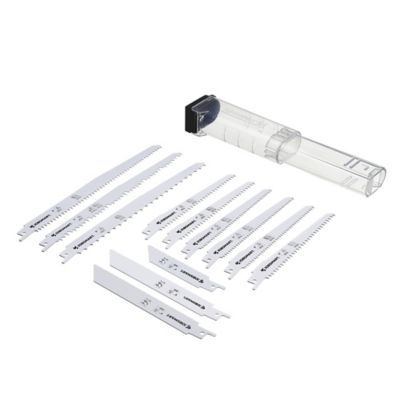
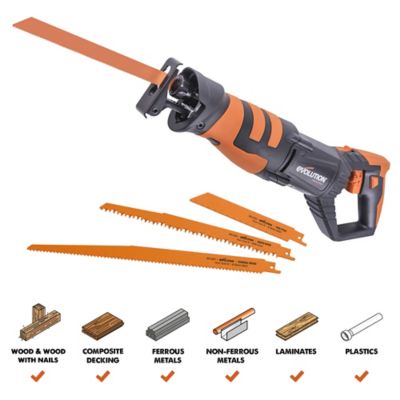
Long reciprocating saw blades give you the extra reach and cutting depth needed for jobs that can make a standard blade feel undersized. Most long blades measure 9 to 12 inches, with extra-long specialty options reaching about 15 inches. That added length is handy when you’re cutting through thick dimensional lumber, large branches, heavy roots, wall framing, plastic pipe or other material that is too deep for a shorter blade. A 9-inch blade is a solid all-around choice for demolition, construction repairs and medium-sized branches. A 12-inch blade reaches farther into deep cuts, large logs, thick roots and oversized pipe, while a 15-inch blade is made for especially demanding pruning and heavy yard work. Keep in mind that the listed blade length is not always the same as the actual cutting depth; the saw’s shoe, blade design and the way the blade flexes all affect how much material you can cut in one pass. Look for a blade that gives you enough reach without being so long that it wanders or bends during the cut. A longer blade is especially useful when you’re working around awkward framing, reaching between boards or trimming a limb from the ground instead of climbing higher. It can also help when cutting through a thick piece of lumber in a single pass, leaving less chance of an uneven step in the cut.
To match the blade to the job, start with the material and then consider the teeth per inch, or TPI. Blades with about 3 to 5 TPI have large gullets that clear chips quickly, making them a good fit for fast cuts in green wood, fresh branches, large roots and logs. They remove material aggressively and work well for clearing storm-damaged limbs or cutting firewood-sized pieces, though the rougher tooth pattern may leave a less finished edge. Blades in the 6 to 8 TPI range offer a useful balance of speed and control for general demolition, nail-embedded wood, thicker lumber and some heavier metal-cutting work. A finer tooth pattern usually produces a smoother cut and can be easier to control, but it may cut more slowly and can load up when used in soft, wet wood. For metal, select a blade specifically rated for the type and thickness of metal you’re cutting, and remember that thin sheet metal generally calls for more teeth per inch than thick tubing or heavy stock. Bi-metal blades are a dependable choice for many farm, shop and home projects because they combine flexibility with a hardened cutting edge and are often a practical value for routine use. Carbide-tipped blades cost more in many cases, but they are built for demanding cuts and can offer longer service life, particularly when cutting dirty wood, roots, abrasive materials or thick metal. Dirt and grit hiding in a root ball can wear down an ordinary blade quickly, so a tougher carbide option may make sense for repeated landscaping or land-clearing work. If your projects regularly involve tough materials, compare the blade’s construction, tooth pattern and intended use before choosing by length alone. For more cutting options suited to demanding work, browse
Heavy Duty Reciprocating Saw Blades.
Long reciprocating saw blades are useful around the farm, ranch, homestead, workshop and jobsite. A homeowner may keep one on hand for cutting out old fence posts, trimming a stubborn root, opening up a damaged wall or breaking down bulky lumber before loading it into a trailer. A landowner clearing a fence line can use a long pruning blade to reach through thick limbs, while a plumber or maintenance worker may rely on the extra reach for cutting large plastic pipe in a cramped space. They also make a practical gift for someone who enjoys fixing up an older house, maintaining acreage or tackling weekend projects, especially when paired with a compatible reciprocating saw and a small case for keeping blades organized. Before buying, check the saw’s shank style and manufacturer recommendations, since most modern reciprocating saws use a universal-style shank but compatibility should still be confirmed. Choose a blade long enough for the material, yet avoid forcing the full length through a cut that only needs a few inches of reach. Let the saw do the work, use a steady grip and keep the shoe pressed against the workpiece when possible to reduce vibration and blade flex. Wear eye protection, hearing protection and work gloves, and use extra care around hidden nails, wiring, plumbing and buried lines. When cutting branches, watch for spring-back and support the limb so it does not pinch the blade as the cut closes. A dull or bent blade can wander, heat up and place extra strain on the saw, so replace it when cutting becomes slow or rough. During the warmer part of the year and into the cooler months, these blades can earn their keep on everything from pruning and storm cleanup to repairs, remodeling and firewood preparation. Having the right length and tooth pattern ready in the toolbox helps turn a tough, awkward cut into a cleaner, more manageable job.