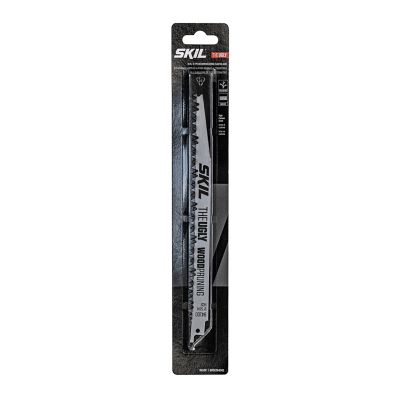
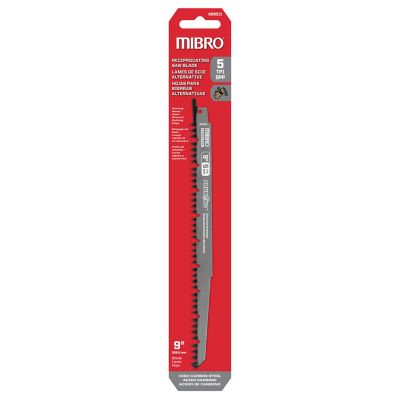
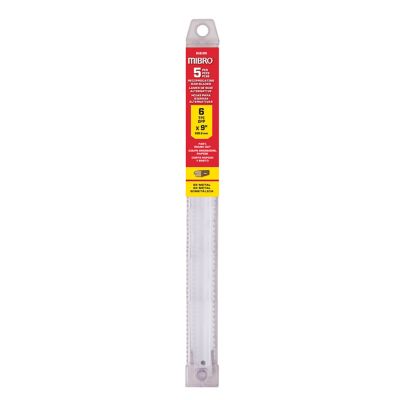
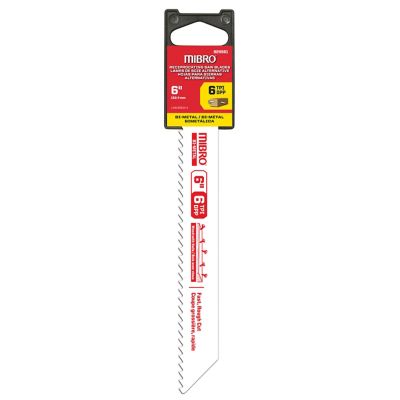
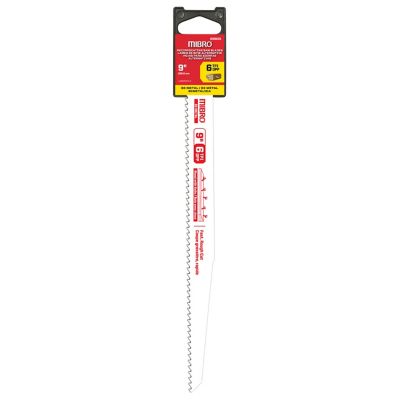
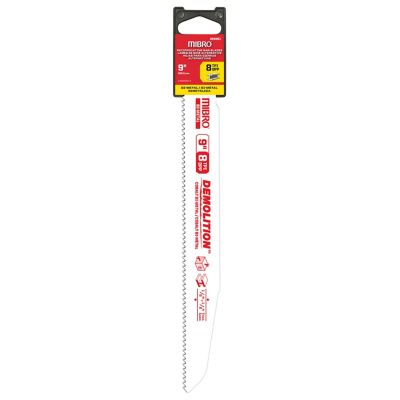
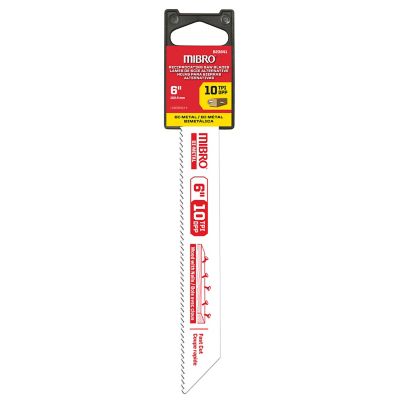
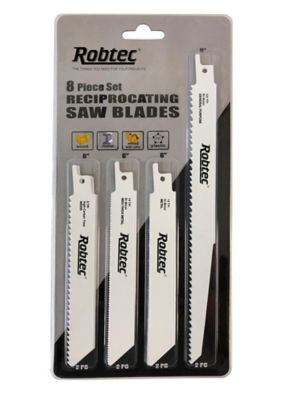
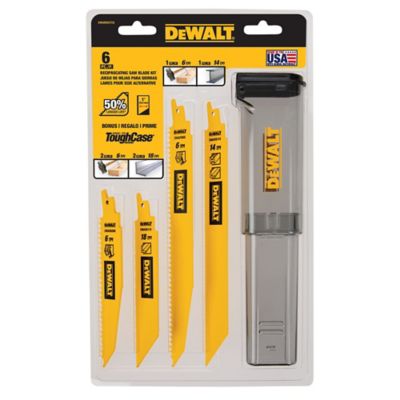
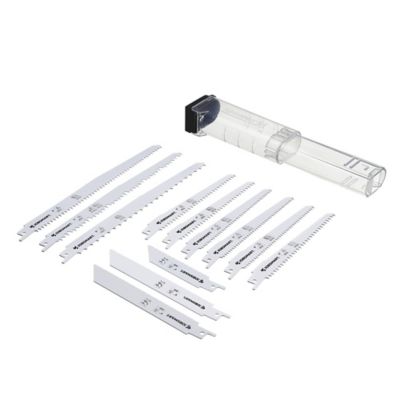
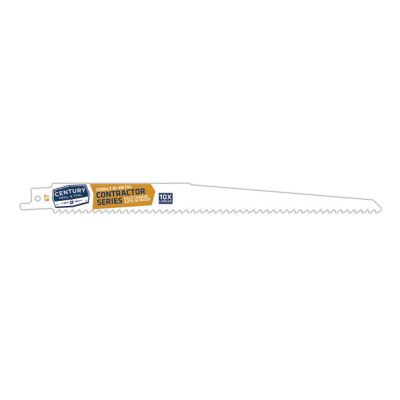
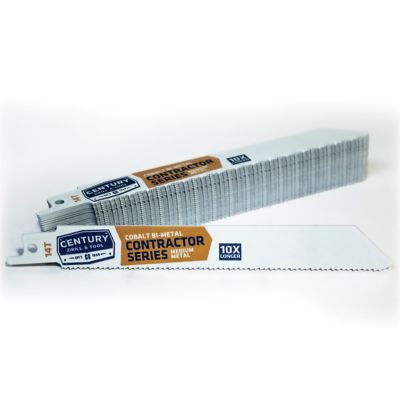
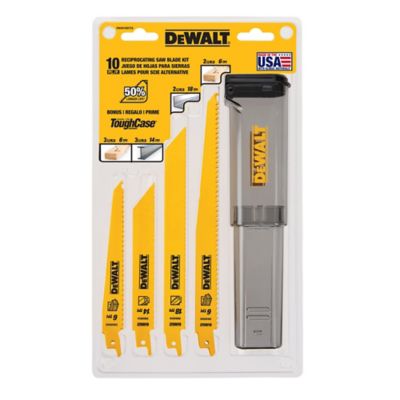
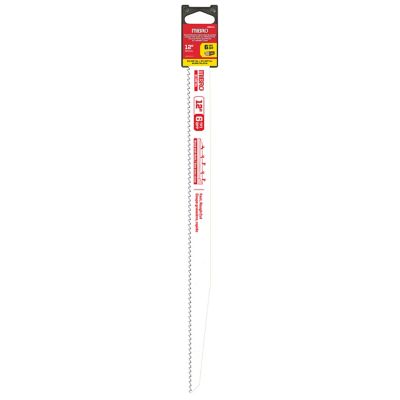
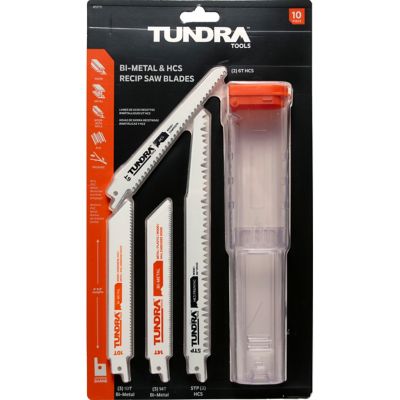
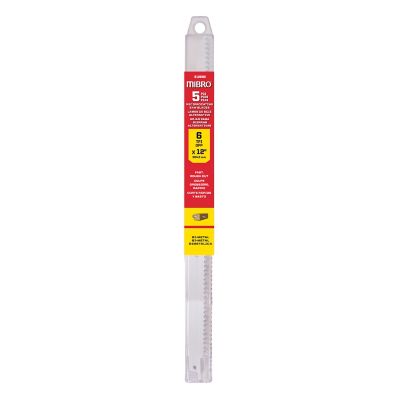
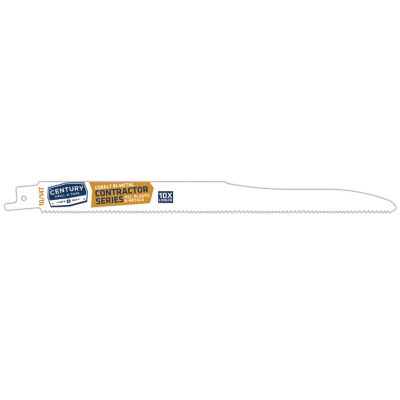
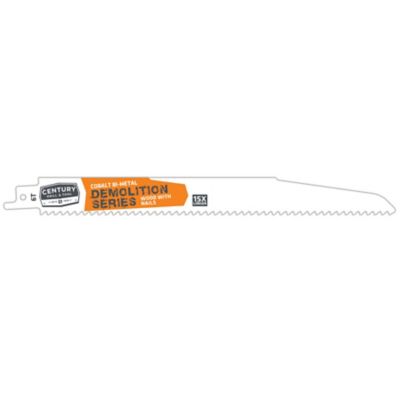
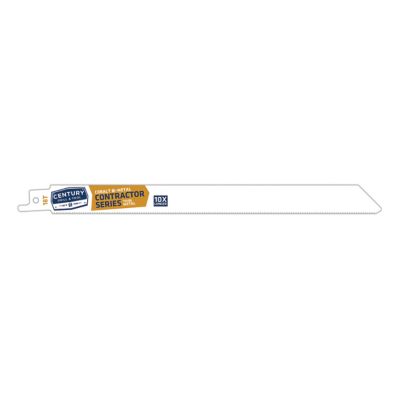
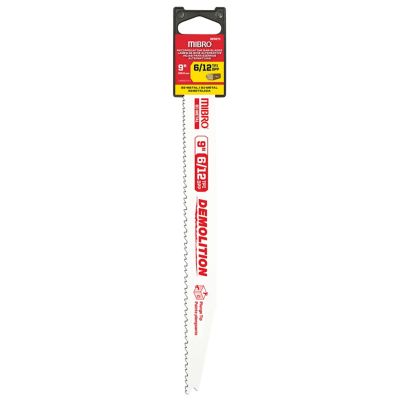
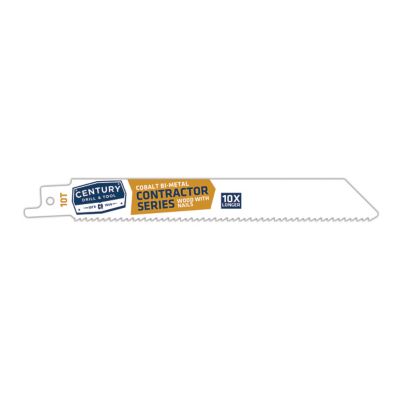
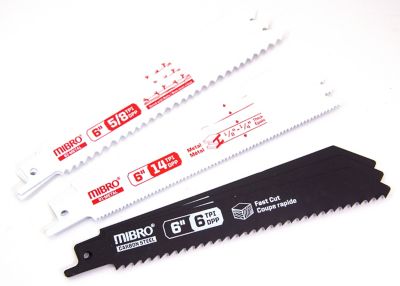
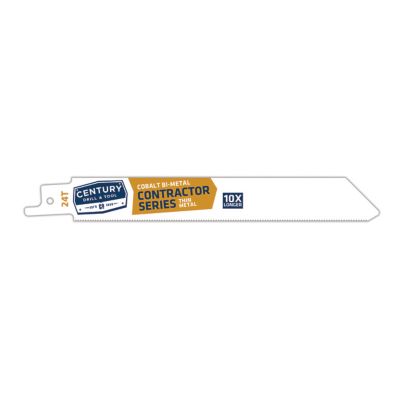
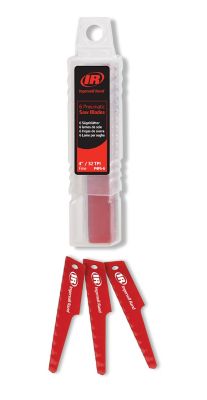
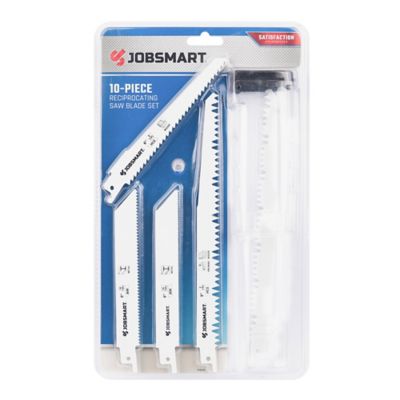
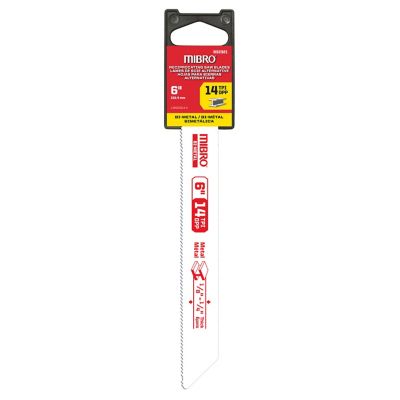
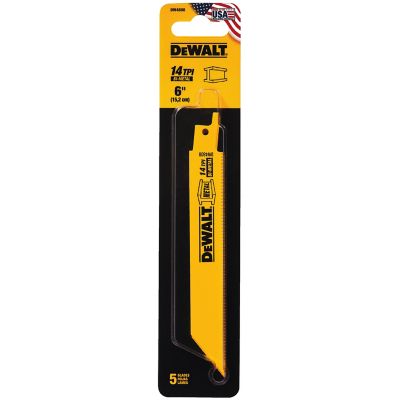
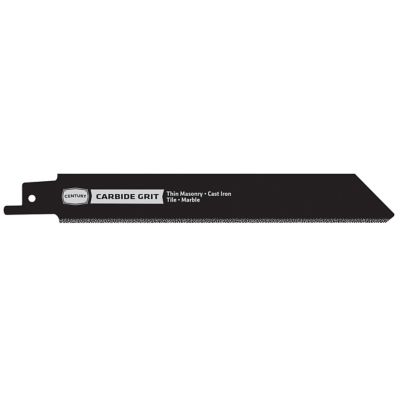
Wood cutting reciprocating saw blades earn their place in the toolbox when a damaged fence rail needs removing, rough lumber needs trimming or a branch is too thick for a hand pruner. Their back-and-forth cutting action works well for jobs where access matters more than a cabinet-ready edge, including taking apart wooden structures, shortening exposed board ends and cutting through lumber that cannot easily move to a workbench. Matching
Reciprocating Saw Blades for Wood to the task comes down to the material, its thickness and the room around the cut. Tooth count is one of the clearest differences between blade styles. Teeth per inch, often shortened to TPI, describes how closely the cutting teeth sit along the blade. Blades with roughly 3 to 5 TPI generally favor fast, rough cuts in wood, with wide spaces between teeth that help carry sawdust and chips out of the kerf. Around 6 TPI can provide a balance of cutting speed and a somewhat smoother edge in suitable lumber, though tooth shape, blade condition and saw speed also matter. A higher tooth count may leave a finer edge, but more teeth do not automatically mean a better blade for every wooden workpiece. Thick timber and green branches need room for chips to clear rather than pack between the teeth. Pruning blade designs address that kind of cutting with tooth patterns intended for living or freshly cut wood. Clean construction lumber calls for a different approach than an old gate with buried fasteners. For a farm shop, repair crew or property owner, those distinctions matter more than choosing a blade simply because it looks aggressive. A rough cut through a discarded board and a controlled cut near a sound fence post put different demands on the same saw.
Blade material plays a big part in wear resistance, flexibility and the kind of wood a blade can tackle. High-carbon steel blades are a common fit for clean wood and some pruning applications, offering flexibility when a cut puts bending stress on the blade. Bi-metal construction combines a flexible backing with harder cutting teeth and is often suited to more demanding work. For nail-embedded lumber, the important detail is an explicit rating for wood with nails; a general wood-cutting label does not mean the teeth can handle hidden metal. Carbide-tipped blades can offer longer cutting life in demanding applications, but their intended materials still need to match the job. An old stall divider or section of framing may contain nails, screws, straps or other hardware, and one blade rating does not cover every fastener. Blade length matters just as much as tooth material. Six-inch blades often suit thinner boards and confined work areas, while 9-inch and 12-inch lengths can provide additional reach through thicker lumber or deeper assemblies. Those lengths are not fixed cutting-capacity ratings, since the saw’s shoe position and stroke length also affect clearance. The blade needs enough length to extend beyond the far side of the material throughout the stroke, without its tip striking something behind the cut. Extra length also adds flex, so the longest blade is not always the easiest to control. A wider, thicker blade generally resists bending better during straight, demanding cuts, while a narrower profile can offer better access in restricted spaces. Fit starts at the saw’s blade holder. Many reciprocating saws accept a common half-inch shank, but the tool manufacturer’s compatibility requirements remain the deciding factor. A secure fit, suitable blade thickness and the right length help keep a simple repair from turning into a fight with chatter or a wandering cut.
The work around a barn, workshop or acreage can shift from sound lumber to questionable scrap in a hurry, which makes clear blade identification worth having. Keeping clean-wood, pruning and nail-embedded-wood blades separated helps prevent a sharp pruning blade from meeting a hidden fence staple. Blade care is straightforward: clearing away sawdust and resin buildup according to the manufacturer’s directions, drying blades before storage and protecting the teeth from loose hardware can help extend service life. A sleeve, case or divided tool tray also keeps sharp edges from knocking against other tools. Bent blades, cracked bodies and missing or badly worn teeth are signs that a blade needs replacement rather than more pressure from the operator. A blade that starts cutting slowly or leaving scorched wood may be dull, clogged or poorly matched to the material. Forcing it harder can add heat and make control more difficult. During conventional cutting, keeping the saw’s shoe against the workpiece helps limit vibration, while securely supported lumber is less likely to shift or pinch the blade. Hidden wiring, plumbing and hardware deserve attention before cutting into any assembly, and load-bearing members need proper assessment and support before removal. Eye and hearing protection belong with the job, and blade changes call for disconnecting power or removing the battery as directed by the saw manufacturer. These blades suit carpenters, maintenance workers, ranch hands and homeowners who handle repairs themselves, especially where the work is awkward to reach or too rough for finish-cutting tools. They can also make a practical addition to a tool-focused gift when the recipient’s saw compatibility and usual projects are known. The right match is less about having the most aggressive teeth and more about having a blade that fits the saw, clears the wood chips and handles the material in front of it. From trimming a replacement rail to breaking down a worn wooden fixture, that match supports steadier cutting and fewer interruptions at the worksite.