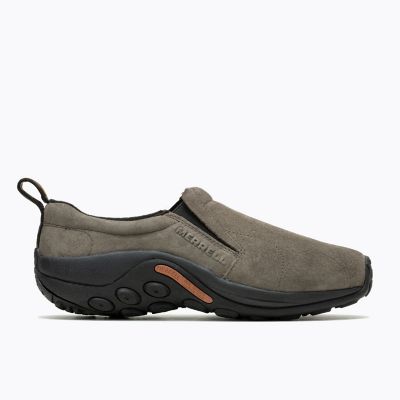
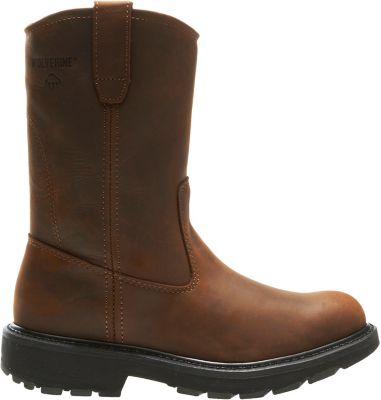
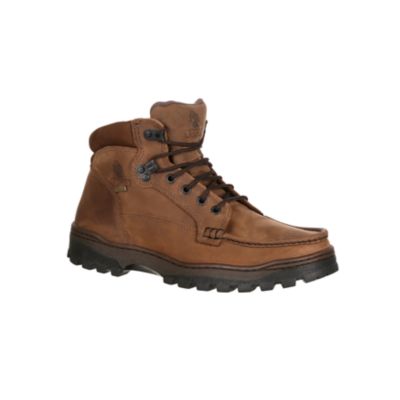
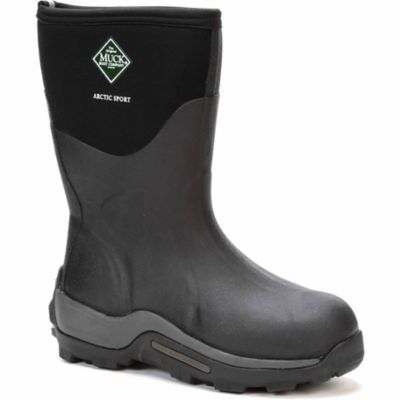
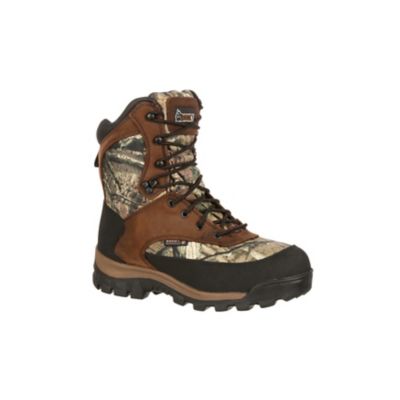
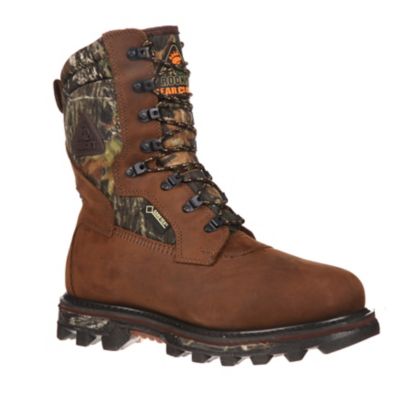
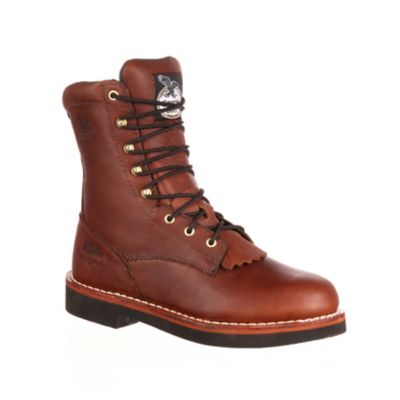
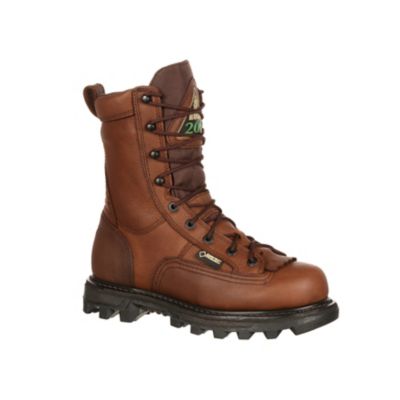
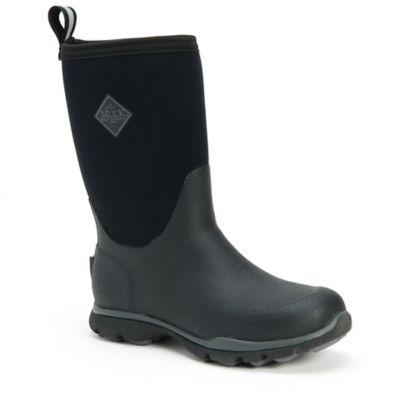
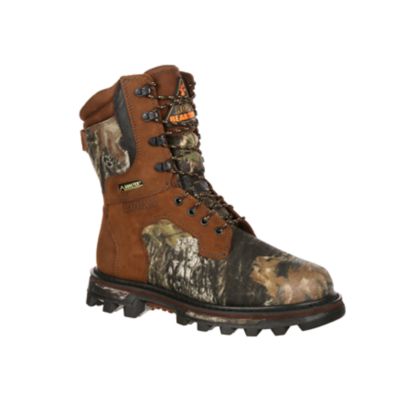
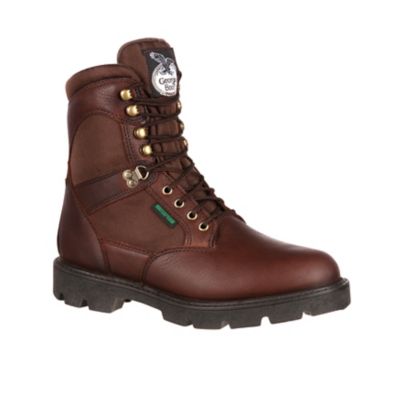
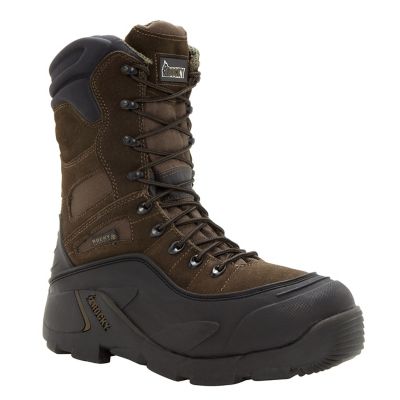
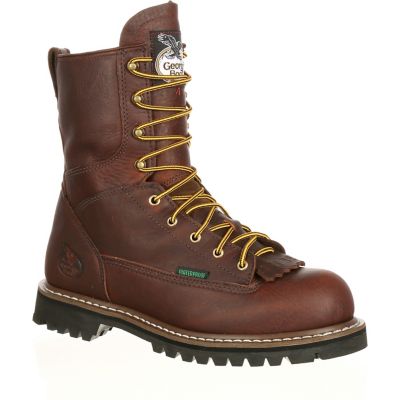
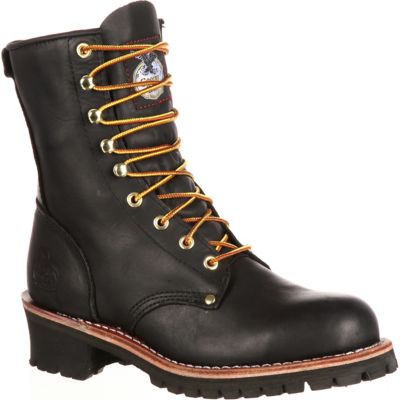
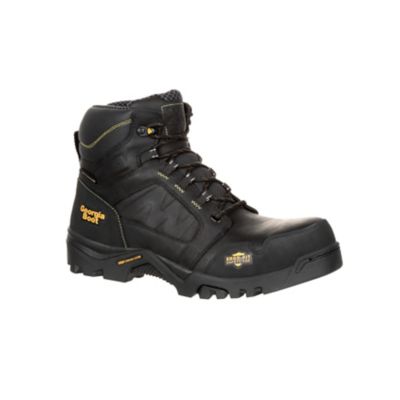
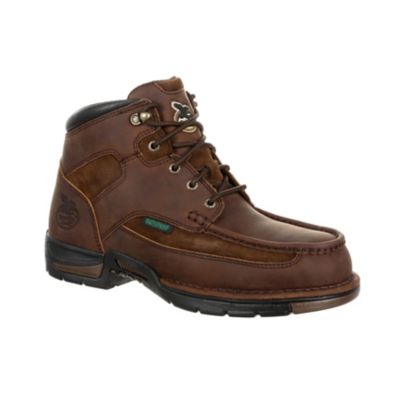
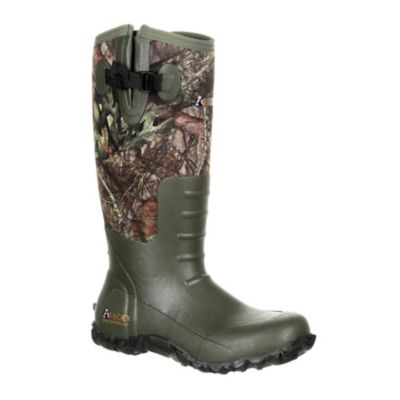
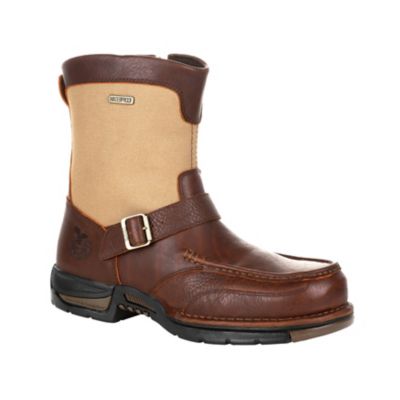
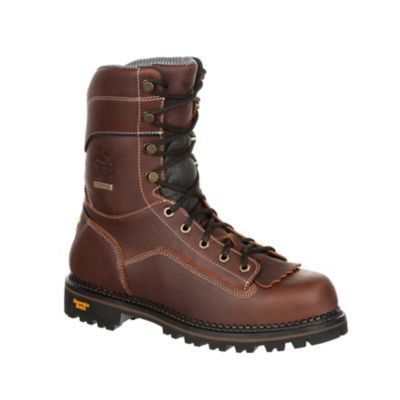
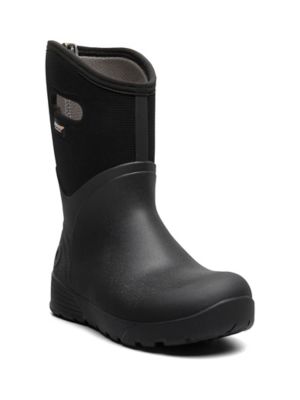
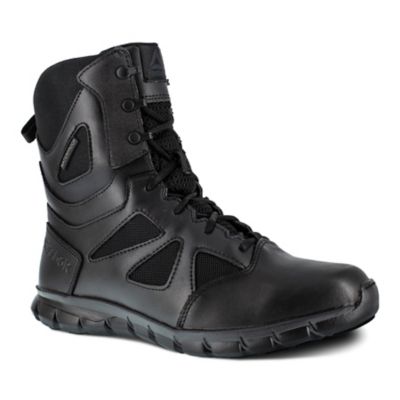
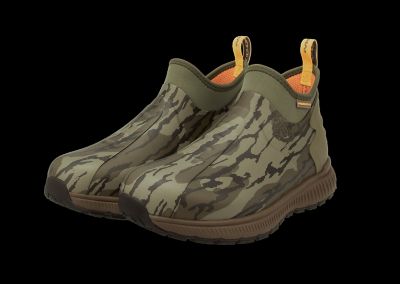
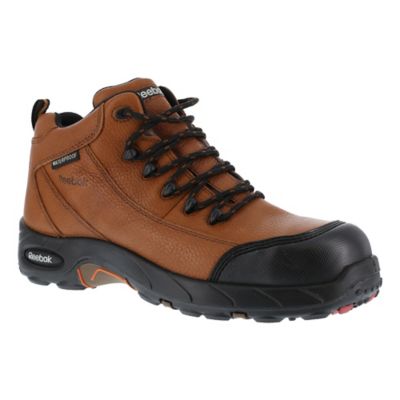
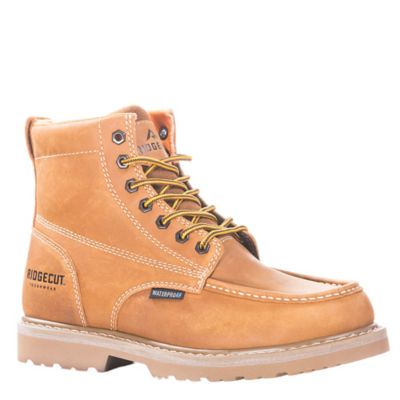
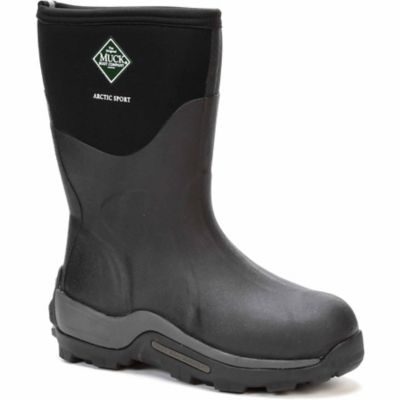
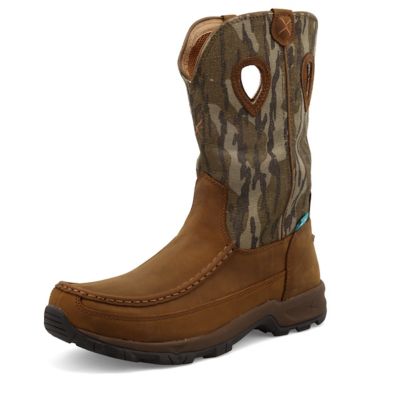
Men’s size 13 hiking boots bring trail-focused traction, cushioning, and foot coverage to days spent beyond the pavement, from a walk along the creek to a long climb up a rocky ridge. The right match depends on more than the number on the tongue: width, heel hold, toe room, boot weight, and the ground underfoot all shape how a pair feels after several miles. Leather hiking boots offer a substantial feel and protection against brush and scraping rocks, while combinations of leather, synthetic panels, and mesh can reduce weight and let heat escape more readily. Full-grain leather generally takes more time to soften than flexible fabric-heavy construction, though break-in varies with the boot. Waterproof membranes and sealed construction help keep outside moisture from reaching socks when the route crosses dew-soaked grass, shallow puddles, or muddy stretches. Water can still enter over the collar, and waterproof construction may feel warmer than a more breathable design during hard uphill walking. For cooler-weather outings, insulation is a separate feature from waterproofing; a waterproof boot is not necessarily an insulated boot. A lightly insulated pair may suit slow walks and frequent stops in the cold, while an uninsulated boot with suitable socks may feel better during steady movement in milder conditions. Mid-height and taller hiking boots provide more coverage around the ankle and help keep loose trail grit out, but collar height alone does not determine stability. A secure fit, a supportive platform, and enough sole firmness for the terrain matter, too. These distinctions make size 13 hiking footwear relevant to weekend hikers, campers, outdoor photographers, and folks who spend their free time checking fence lines or exploring back roads on foot. A boot that feels easygoing on a packed dirt path may not have the underfoot structure wanted for sharp rocks and a loaded pack, so intended use matters as much as appearance.
Fit deserves particular attention with men’s size 13 hiking boots because length and width are separate measurements. Wearing size 13 does not automatically mean needing a wide boot, and a wide size is not simply extra space at the toes. The forefoot should have room to spread naturally without sliding around, while the heel should stay reasonably settled as the foot rolls forward. Toes need clearance at the front, especially on descents, when feet tend to move toward the toe box. A long downhill stretch with a daypack can reveal crowding that never showed up during a quick walk across a flat floor. Trying boots with the socks intended for hiking gives a better sense of fit than wearing thin everyday socks, and an afternoon fitting can account for some of the swelling that comes with hours on foot. Wool-blend or synthetic hiking socks help manage moisture, but extra-thick socks should not be expected to fix a boot that is too roomy. Likewise, leather may soften with wear, but a boot that pinches across the toes should not be expected to stretch into the right size. Lacing systems with separate forefoot and ankle adjustment can help fine-tune the feel without squeezing the whole foot. Removable footbeds can be helpful for people who wear orthotics, provided there is enough interior space once the insert is in place. Underfoot, foam midsoles cushion repeated steps, while firmer components can limit excessive flex over uneven ground. Softer cushioning may feel pleasant on a short loop, but longer outings often call for a balance of cushioning and support rather than softness alone. Boot weight also becomes noticeable over distance: lighter construction can make an easy afternoon ramble feel less tiring, while more substantial uppers and soles may be worth the added weight on rougher trails. For a gift recipient, knowing their usual size is a starting point, but knowing their width, sock preferences, and favorite kind of outing makes the choice much more personal and practical.
Outsole design helps separate hiking boots from footwear meant mainly for smooth surfaces or time in the saddle. Pronounced rubber lugs can bite into loose dirt, and spacing between those lugs can help shed mud rather than letting it pack into a flat layer. Traction still depends on the rubber compound, tread condition, and surface; deep tread alone does not promise a sure footing on wet roots, slick rock, or ice. A defined heel can help with braking on a descent, while a firmer sole can make pointed stones less noticeable beneath the foot. Reinforced toe areas and heel sections take some of the scraping that comes from stepping through rock piles, fallen limbs, and narrow trails. Hiking boots can also be handy for light outdoor chores, but they should not stand in for job-specific footwear when safety toes, electrical hazard protection, or other workplace requirements apply. For days centered on Western styling rather than trail tread,
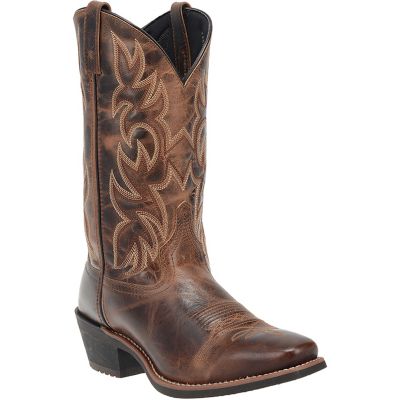
Men's Size 13 Western Boots offer a different footwear category to consider. Keeping hiking boots ready for the next outing starts with getting dirt off before it settles into seams and creases. A soft brush and a damp cloth handle ordinary trail dust and mud; cleaning products and leather treatments should match the upper material and the maker’s care directions. Suede, smooth leather, and synthetic fabrics do not all respond to the same treatment. After a wet walk, loosening the laces and removing removable footbeds helps air circulate inside. Gentle air-drying away from direct heat is easier on leather, adhesives, and waterproof components than setting boots beside a heater or close to a fire. Periodic checks of laces, stitching, tread, and sole edges can catch wear before the next long trek. With a comfortable fit and construction suited to the route, men’s size 13 hiking boots can earn their place by the door for wooded trails, gravel lanes, and a full day of fresh air.