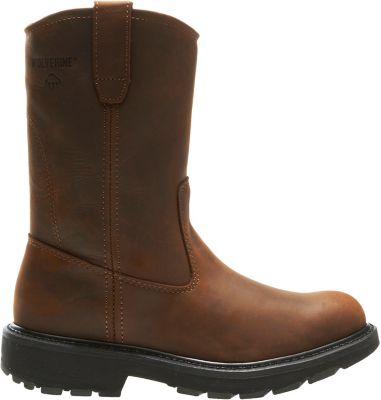
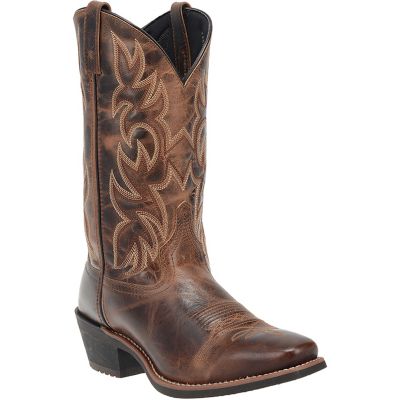
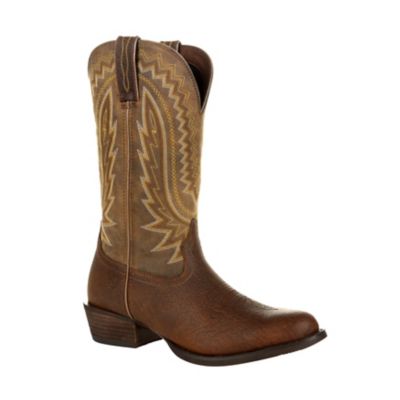
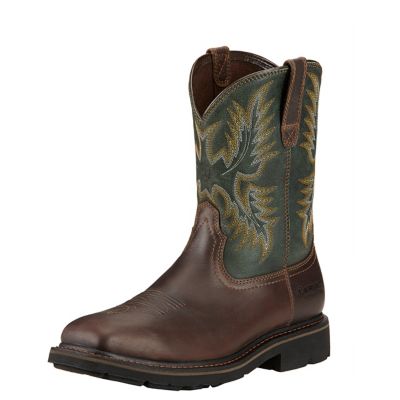
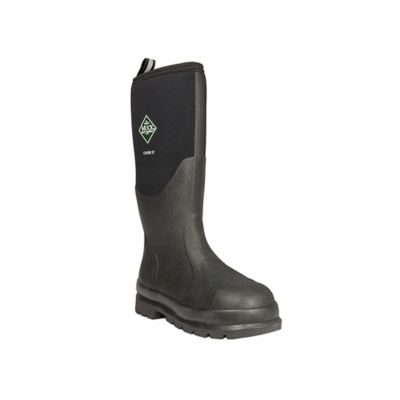
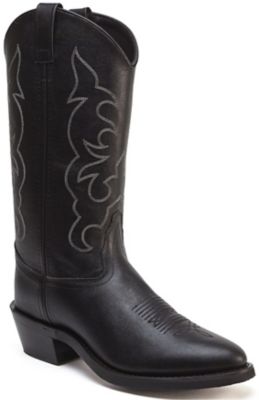
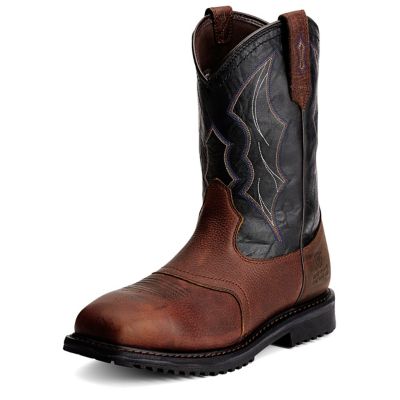
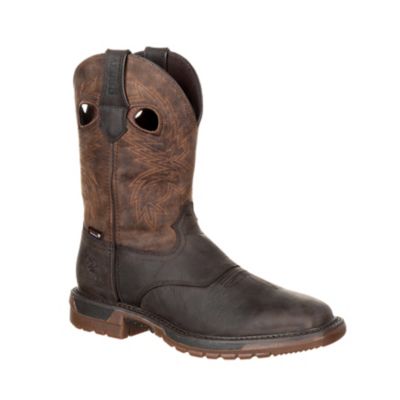
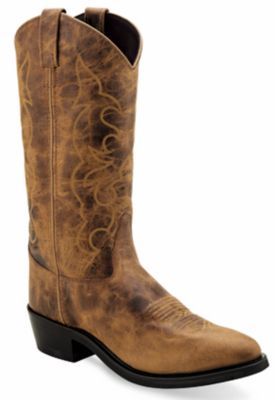
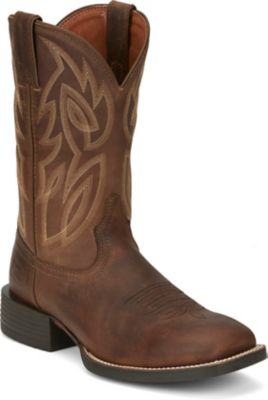
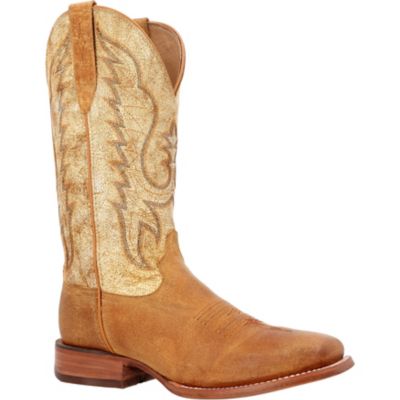
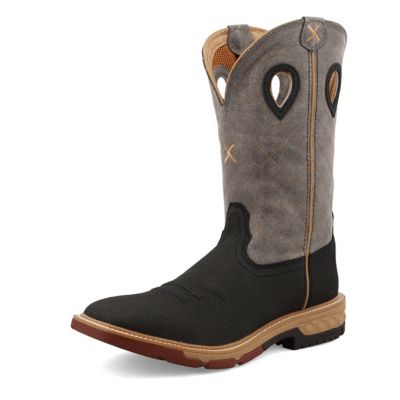
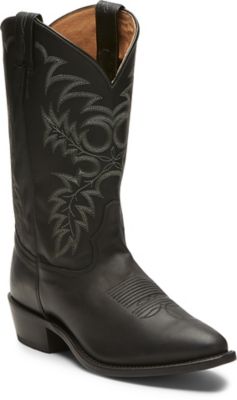
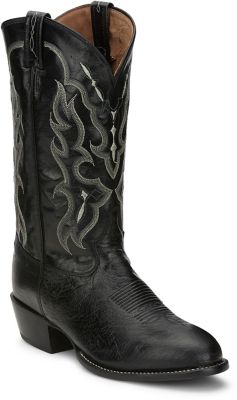
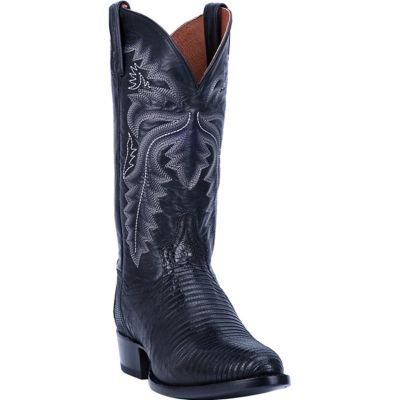
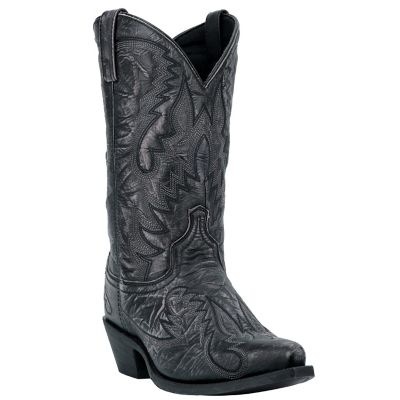
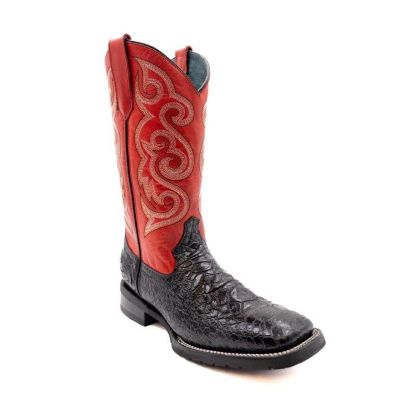
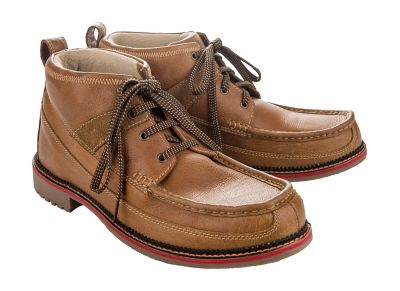
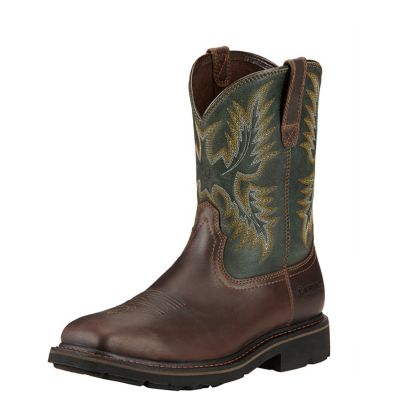
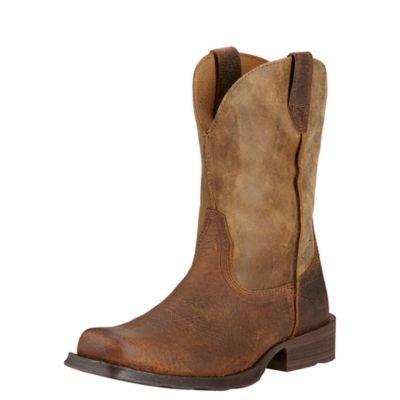
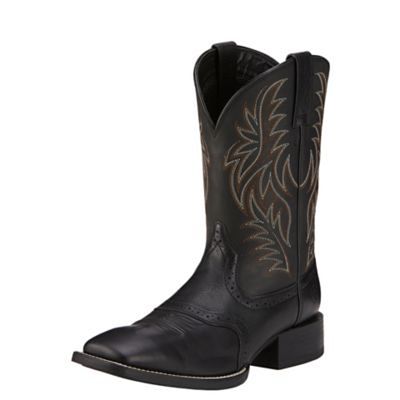
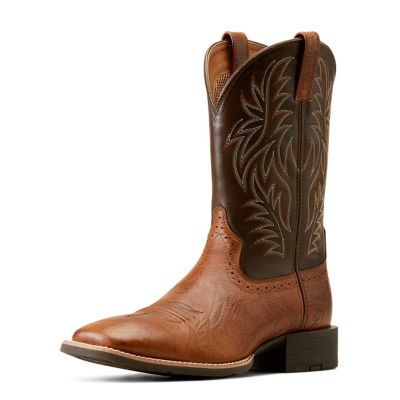
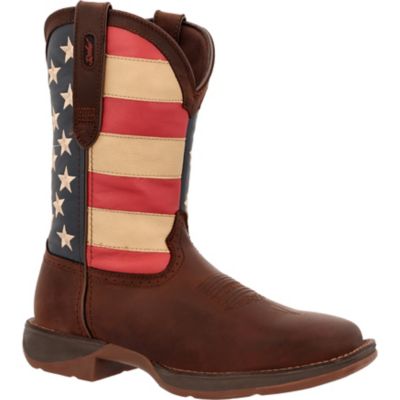
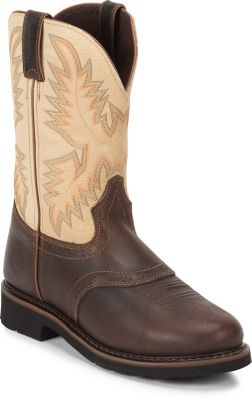
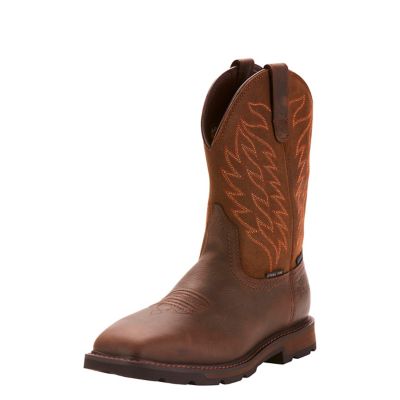
Men’s size 13 Western boots bring a familiar cowboy silhouette to days spent around the barn, evenings at the dance hall, and plenty of ground in between. A pull-on shaft, shaped heel, and stitched upper give these boots their Western character, while differences in leather, toe shape, cushioning, and outsole construction help determine where a pair feels most at home. For a man who moves from checking fence lines to meeting friends in town, the right balance is often a straightforward leather boot with comfortable underfoot support and a sole suited to the surfaces he walks. Someone who spends more time in the saddle may put greater emphasis on a defined riding heel and a shape that works with his stirrups. Full-grain leather is a common material for Western uppers, valued for its substantial feel and ability to develop a broken-in appearance with regular wear and care. Other leather finishes range from smooth and polished to textured or deliberately worn-looking, giving the same basic boot shape a different personality. Synthetic uppers bring another option, though their feel, flexibility, and care requirements differ from leather. Stitching along the shaft can be subtle enough to disappear beneath a straight-leg jean or bold enough to stand out when the occasion calls for it. Brown, tan, and black are familiar colors that pair easily with denim, work pants, and a tucked-in shirt. Shaft height matters, too: taller shafts provide more coverage around the lower leg, while shorter profiles can feel less restrictive during everyday wear. Pull tabs or pull holes help with getting boots on, especially when the leather is still firm. Whether the goal is a working pair or something for a county fair or country wedding, Western styling covers a wide range of needs without requiring every boot to serve the same purpose.
Fit makes the biggest difference in how men’s size 13 cowboy boots feel after the first few steps and after several hours on your feet. Size 13 identifies length, but width, instep volume, toe shape, and the form the boot is built around all affect the fit. In many men’s Western boot sizing systems, D indicates a standard width and EE indicates a wide fit, although the exact measurements vary by maker. A broader forefoot may need that extra width rather than additional length; going up in size just to escape pressure across the ball of the foot can leave too much room elsewhere. A well-fitting pull-on boot generally feels comfortably snug across the instep without squeezing, with room for the toes to rest naturally. The ball of the foot should sit near the widest part of the boot, where the sole bends during a step. A little heel movement can be normal in a new Western boot and may lessen as the sole becomes more flexible, but pronounced lifting, rubbing, or a foot that slides forward points to a fit worth reconsidering. Leather can soften and give somewhat across pressure points, but a painful fit is not something to count on breaking in. Wide square toes often offer a roomier-feeling toe box, while round and narrower toe profiles create a different outline; toe shape alone does not establish the actual width. Pointed styles typically extend beyond the toes, so empty space at the tip is not, by itself, a sign that the boot is too long. The socks worn with the boots also matter, especially for someone alternating between thin dress socks and thicker work socks. Removable footbeds can make room for an appropriate replacement insole, but added cushioning should not crowd the instep. For a size 13 foot, getting these details right helps keep a substantial boot from feeling cumbersome during a long walk across the fairgrounds or an afternoon on the shop floor.
What sits beneath a Western boot is just as important as the leather above it. Rubber outsoles can provide practical traction and cushioning for everyday walking and chores, while leather outsoles offer a traditional feel often associated with dressier cowboy boots. Tread pattern, sole flexibility, and the surface underfoot all influence grip; a deep tread that makes sense around loose dirt can feel different on a smooth dance floor. A broad, lower heel often suits walking, while a riding heel serves a different purpose and should be considered alongside stirrup fit and riding needs. Western appearance does not automatically mean a boot is appropriate for every job. Work that calls for toe protection, electrical hazard protection, or slip resistance requires the corresponding features and ratings, rather than assumptions based on a rugged-looking exterior. Construction also affects service life. Some welted boots can be resoled by a boot repair shop, depending on their condition and design, while other constructions have different repair limits. Reinforced stitching, sound heel attachment, and an outsole matched to the job all contribute to how well a pair holds up. Routine care starts with removing grit from the leather and seams before it has time to grind into the surface. A soft brush or cloth handles everyday dust, and leather conditioner appropriate to the finish helps keep smooth leather supple. Suede and nubuck need their own cleaning tools and treatments rather than the same products meant for polished leather. Boots that become damp should dry naturally away from direct heat, and upright storage helps the shafts keep their shape. Giving a pair time to air out between wears also helps manage moisture inside. For gifting, a confirmed size, preferred width, and familiar toe shape are more helpful than choosing by looks alone, especially for someone particular about how his boots feel in the saddle or around the ranch. Shoppers comparing Western silhouettes with other footwear styles can explore
men’s size 13 boots for a broader look at the category. The best match brings together a comfortable fit, sensible construction, and a look that feels right with the wearer’s everyday clothes.