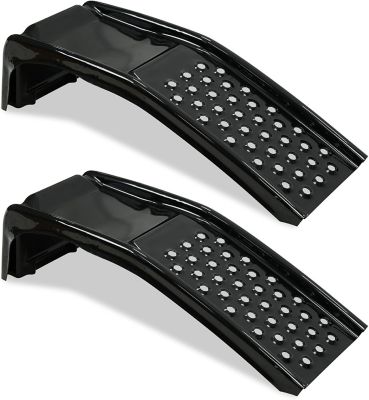
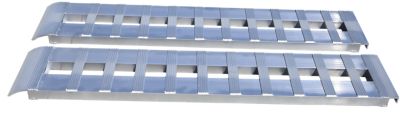
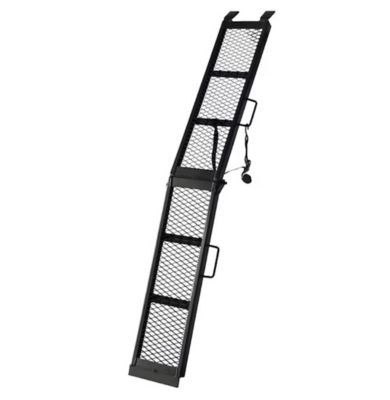
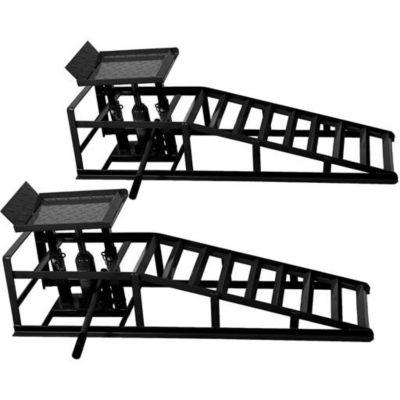
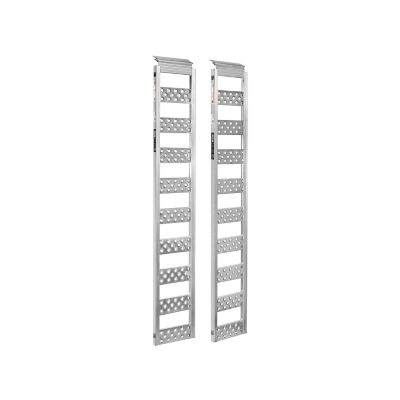
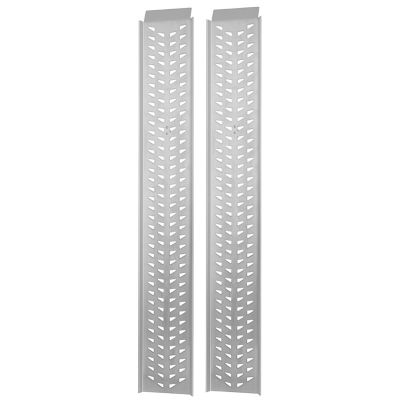
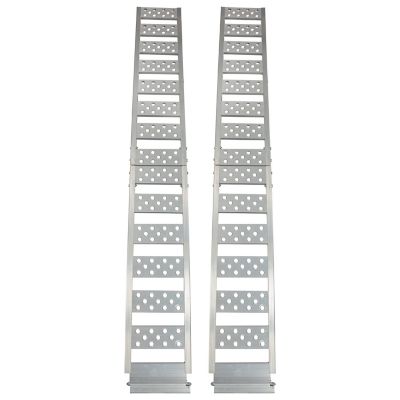
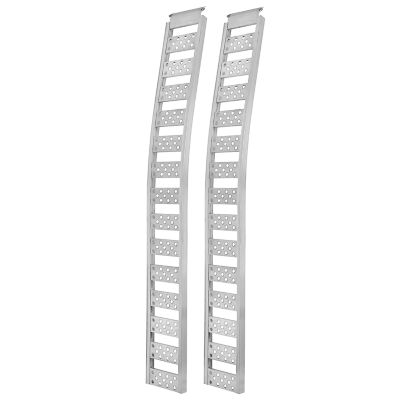
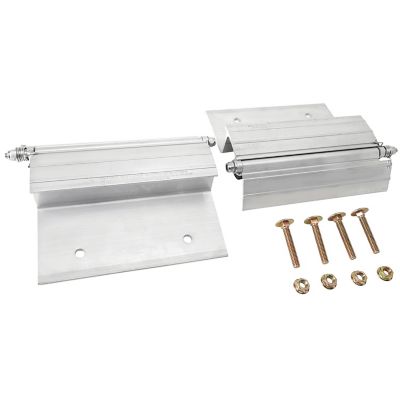
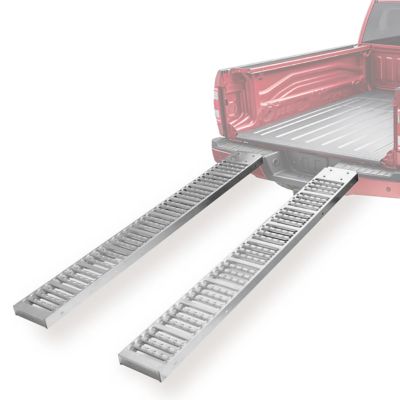
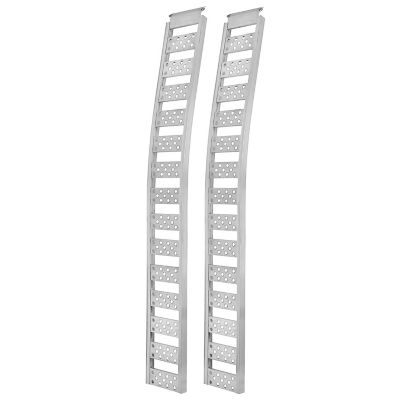
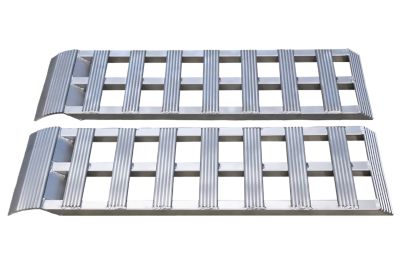
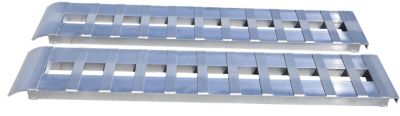
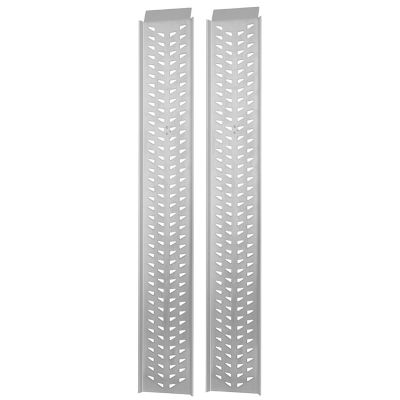
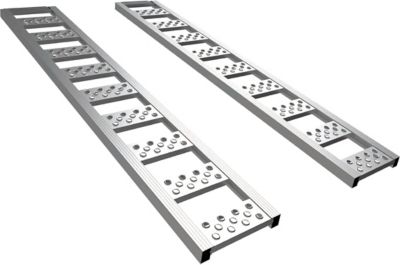
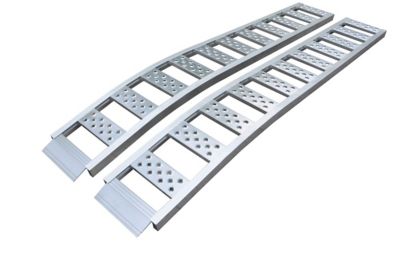
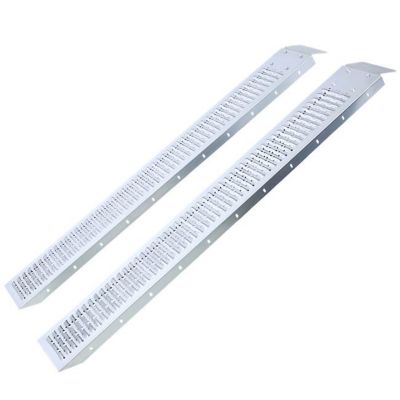
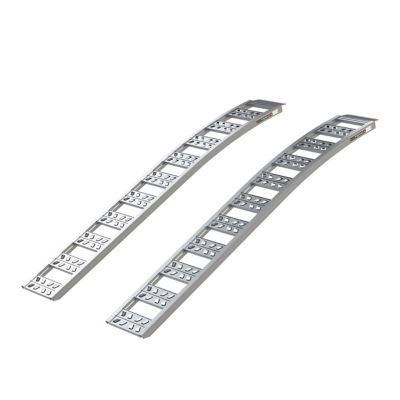
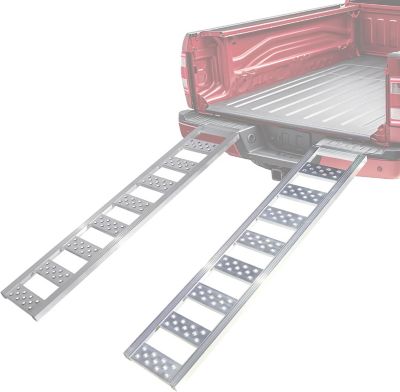
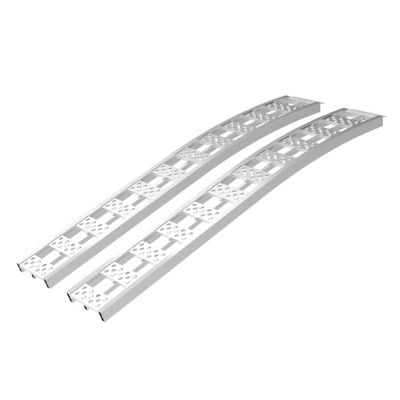
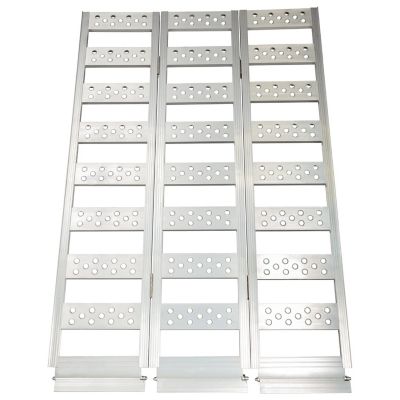
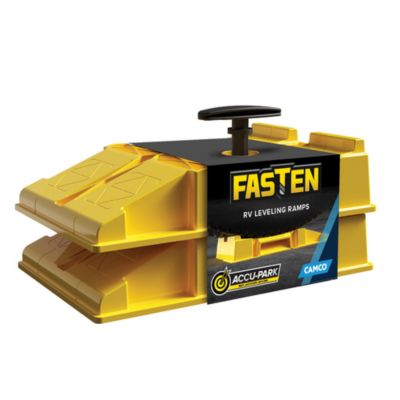
Mechanic ramps bring everyday vehicle care a little closer to home, whether the job takes place in a farm shop, a garage beside the house, or a dedicated service bay. By raising a vehicle’s tires onto an elevated platform, they can create extra clearance for certain maintenance tasks without taking the wheels off the ground supports. That added room can make a difference when checking for a fluid leak, inspecting accessible underbody components, or reaching an oil drain plug that sits just beyond comfortable reach. For folks who keep a pickup ready for feed runs or handle routine upkeep on the family car, a well-matched set of ramps can earn its place alongside the rest of the shop equipment. These are vehicle-support tools, though, not loading ramps for putting equipment onto a trailer, and that distinction matters when comparing designs. Mechanic ramps are meant for stationary service within their stated limits, with the tires resting on platforms built for that purpose. Their usefulness depends as much on the vehicle and the workspace as it does on the ramp itself. A tall pickup, a low-slung passenger car, and a work van can have very different clearance, tire-width, and weight requirements. Even two vehicles that look similar may call for different ramp dimensions or capacities. For a closer look at this type of shop equipment,
Vehicle Repair Ramps offers another way to explore the category. The right fit supports the maintenance a vehicle actually needs, rather than simply providing the greatest possible lift. Someone changing engine oil may value a manageable approach and enough room to reach the service area, while a mechanic checking an exhaust connection may need to think more carefully about where the elevated tires place the rest of the vehicle. Ramps also leave the wheels loaded, so they are not a substitute for properly rated lifting and support equipment when a repair requires wheel removal or suspension movement.
Materials and construction shape how mechanic ramps handle both the load above them and the daily routine around them. Steel designs can bring substantial weight and a solid feel to the shop floor, with finishes that help protect exposed surfaces from moisture and corrosion. Their weight also deserves consideration if the ramps will move often between a storage corner and a service space. Molded polymer or composite designs may be easier to carry, and their ribbing, wall structure, and platform shape contribute to how they support a vehicle. Material alone does not establish capacity; the manufacturer’s rating and stated application remain the deciding factors. Capacity labels deserve a careful read because a rating may apply to an individual ramp, a pair, or a specified vehicle-weight limit. Those figures are not interchangeable, and a truck carrying tools, supplies, or other cargo needs an assessment based on its working weight, not an assumption drawn from its size. Tire fit matters just as much. The tread needs to sit within the platform as the manufacturer specifies, rather than hanging over an edge, and wide tires or dual-wheel arrangements require explicit compatibility. Approach angle is another practical difference that becomes clear when a low front bumper nears the incline. A longer, gentler slope may offer better clearance for some vehicles, while a shorter ramp takes less floor space but may not suit the same front-end shape. Platform height determines the added working room, yet more height is not automatically a better match. The approach, wheelbase, overhangs, and location of the work all affect the outcome. Raised edges, wheel stops, traction surfaces, and bases designed to resist sliding are worth considering as parts of the overall design, not as replacements for correct positioning. Handles and nesting shapes can also matter in a busy shop, especially when floor space is shared with a workbench, mower, and the everyday gear that tends to gather near the garage door.
A good match also accounts for the surface beneath the ramps and the way they will be cared for between jobs. A hard, level surface that meets the manufacturer’s requirements is essential; gravel beside the barn, soft ground, and uneven pavement are not suitable stand-ins for a proper service area. Oil, mud, loose grit, and moisture can interfere with footing and traction, making a clean workspace part of the equipment’s intended use rather than just a matter of tidiness. During the cooler months, road salt and wet slush can follow a vehicle into the shop, so cleanup after service helps protect both the ramps and the surrounding floor. Care requirements vary by material, but routine inspection should include load-bearing surfaces, joints where present, traction areas, and any signs of cracking, bending, corrosion, or other damage. Ramps with damage that could affect support should stay out of service, and repairs or alterations should never be improvised. Storage away from weather, excess heat, and incompatible chemicals helps keep the equipment in suitable condition, with the manufacturer’s care directions setting the limits. Safe vehicle placement calls for those same directions, including the specified ramp arrangement, parking brake, transmission position, and wheel chocks where required. A wheel stop is a positioning feature, not a brake, and nobody should be beneath a vehicle while it is moving onto or off the ramps. Once positioned, the vehicle needs to be secure before any underbody work begins. That practical attention to fit and setup makes mechanic ramps relevant to experienced home mechanics, farm operators maintaining road vehicles, and drivers who take on suitable routine service themselves. They can also make a thoughtful gift for a mechanically inclined family member, provided the vehicle requirements and workspace are known beforehand. In a shop where equipment has to justify the room it takes, the most useful ramps balance suitable capacity, workable clearance, manageable handling, and straightforward care. Those are the details that matter when the truck needs attention before the next chore run and the job calls for steady support rather than a makeshift solution.