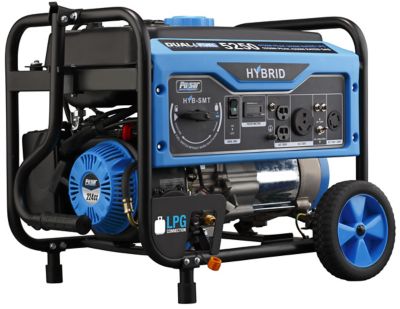
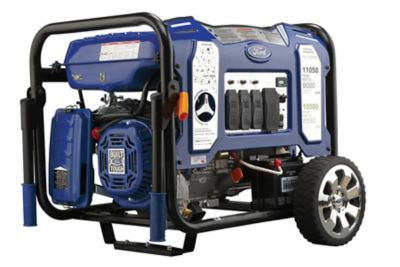
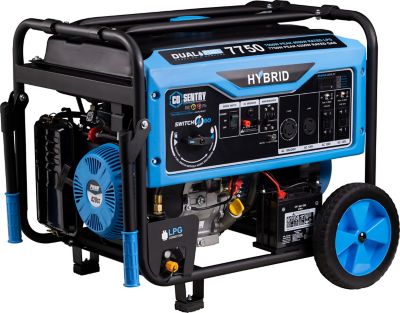
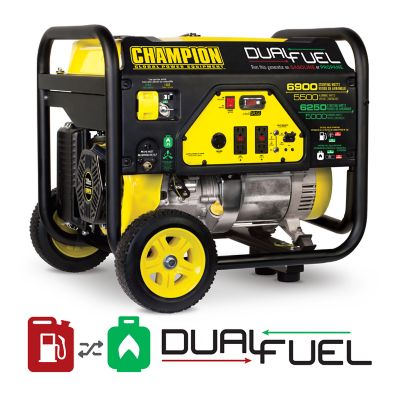
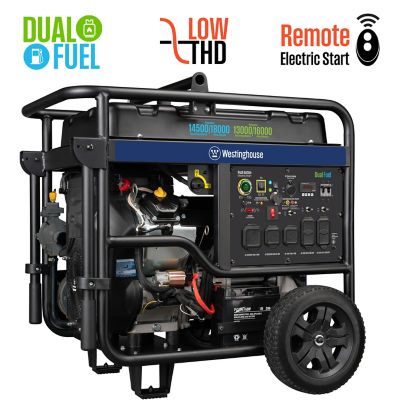
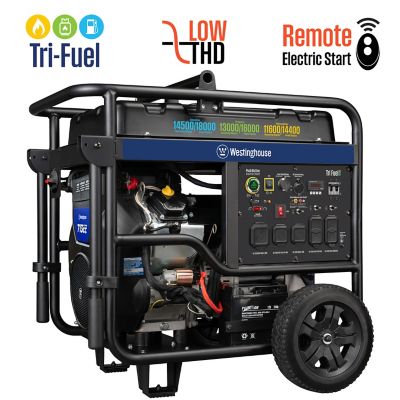
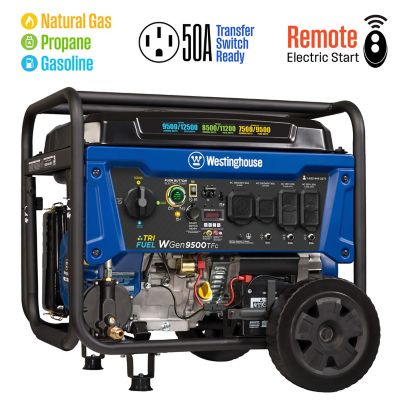
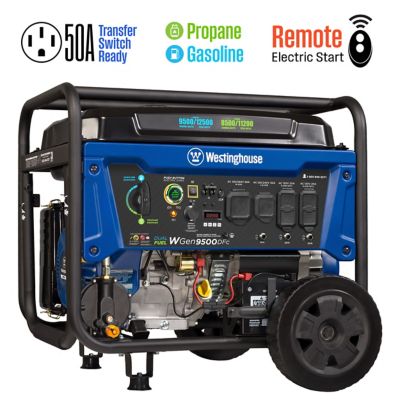
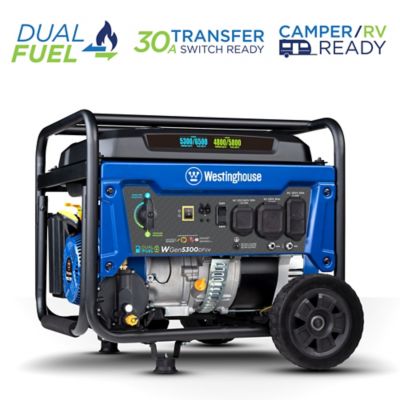
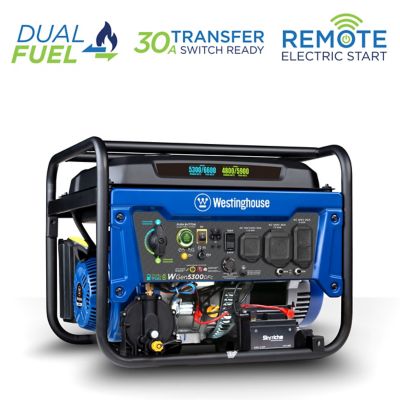
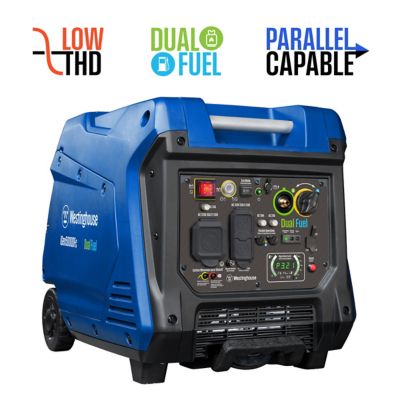
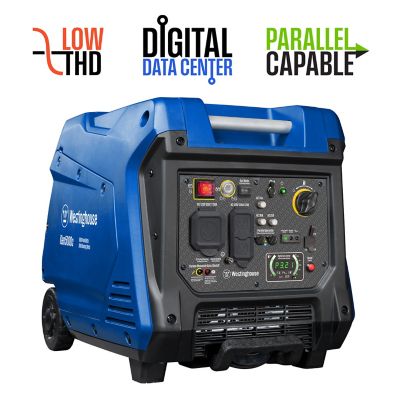
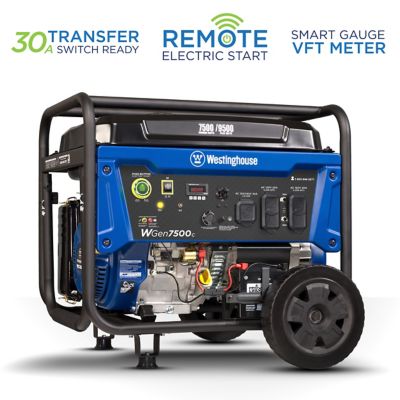
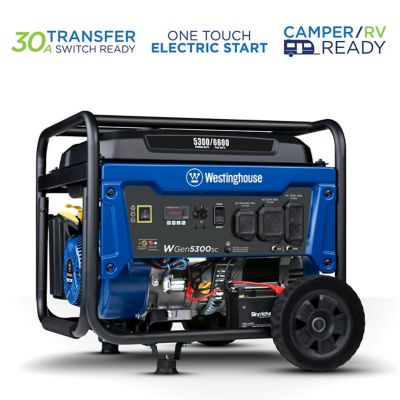
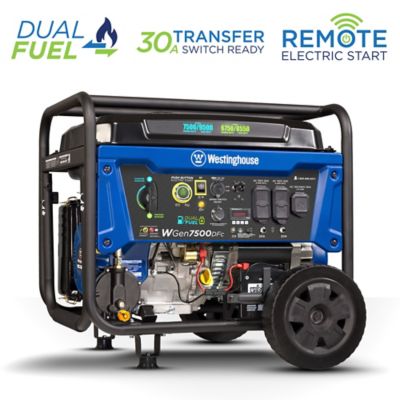
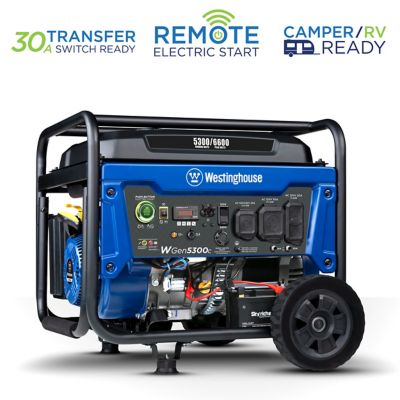
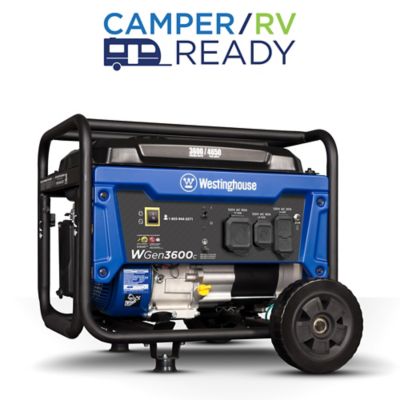
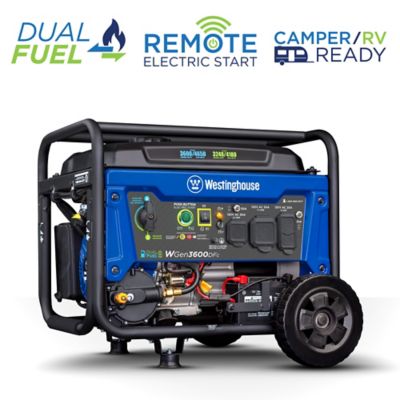
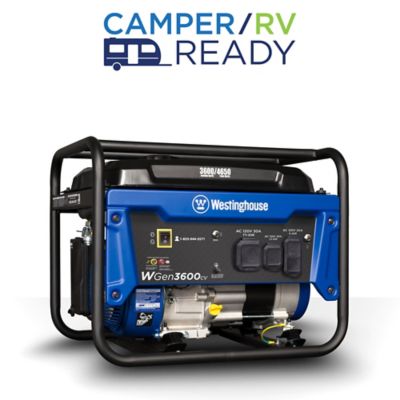
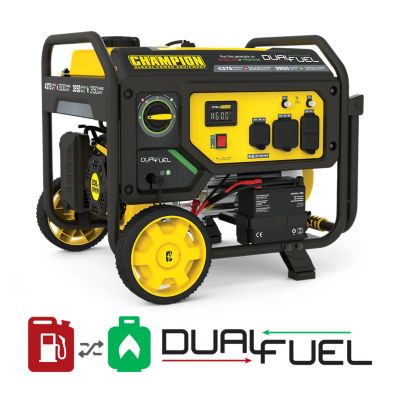
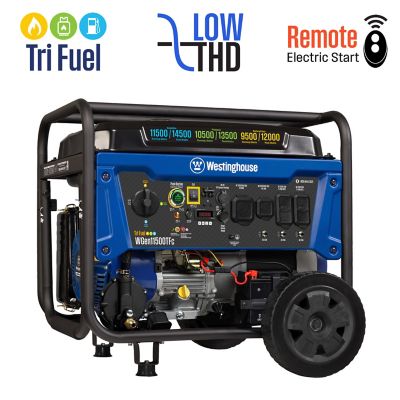
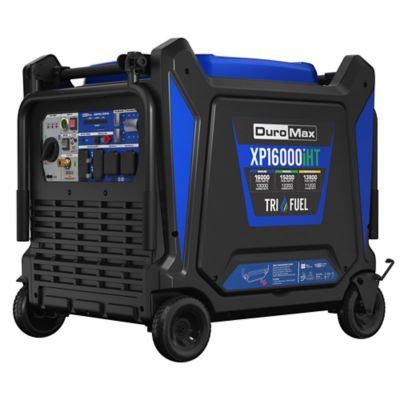
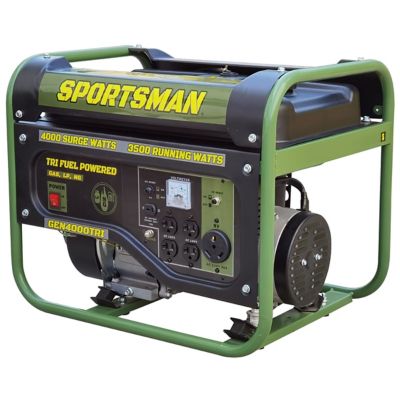
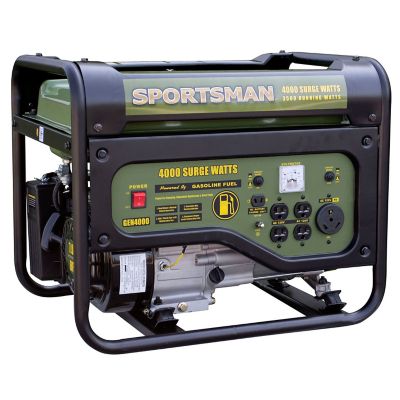
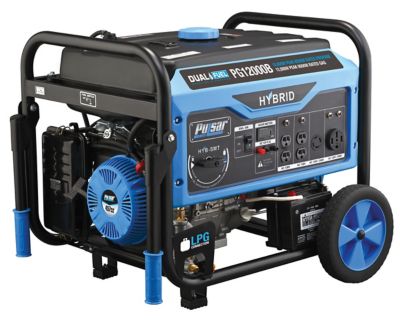
LPG generators use liquid propane gas, commonly called LP or propane, to produce electricity for homes, farms, workshops, campsites, job sites and other places where dependable power matters. They can be a handy part of a backup plan when storms, wind, ice or equipment trouble interrupt utility service, and portable models can also travel along for tailgating, hunting camp, outdoor work or a remote cabin. Propane is popular because it stores well and does not go stale in the same way gasoline can. A properly filled tank kept in a safe, approved location can sit ready for extended periods, making an LPG generator a practical choice for a rural property that may go weeks or months between uses. Propane also burns with less odor and generally leaves less gummy fuel residue in the carburetor than untreated gasoline, which can simplify storage and seasonal maintenance. Some generators are designed to run on propane alone, while dual-fuel models can use either propane or gasoline, giving you another option when one fuel is harder to find. That flexibility can be useful during a widespread outage, when local fuel supplies may be limited or travel is difficult. Before choosing a generator, make a list of the equipment you want to run and check each item’s starting and running wattage. A refrigerator, freezer, well pump, furnace blower, sump pump, lights, charger or small appliance may have a modest running demand but require a larger starting surge when its motor kicks on. Add the running watts of the equipment that may operate at the same time, then allow room for startup loads and future needs. A unit with too little capacity may trip its breaker or struggle under load, while a much larger generator can cost more to buy, move and fuel. For comparison, you can also browse
Gasoline Power Generators if gasoline operation better matches your equipment, fuel storage plans or expected runtime.
When comparing LPG generators, pay close attention to the wattage ratings listed for propane rather than relying only on the gasoline rating of a dual-fuel unit. Propane typically produces about 10% less running power than gasoline in the same engine, so a generator may have a lower output when connected to an LPG tank. That difference is easy to overlook on a specification chart and matters when you are trying to start a well pump, air compressor or other motor-driven load. Also consider how much propane the generator uses under the load you expect to place on it. A standard 20-pound cylinder, like the kind used with a gas grill, is convenient for short jobs and occasional backup, but it can empty quickly when a generator is working hard. Larger cylinders or a stationary propane tank may be a better fit for extended outages, frequent farm use or a whole-home standby setup. Fuel consumption varies by engine, load, tank size and weather, so check the manufacturer’s runtime information and keep more than one approved, filled container available when practical. Portable units are useful when you need power in different places, but they require a level outdoor operating area, safe lifting or wheel placement and a suitable location away from doors, windows, crawl spaces and animal shelters. Standby systems connect to a larger fuel supply and are installed in a fixed location, often with an automatic transfer switch that can move selected circuits to generator power. Any connection to a home’s wiring should be handled by a qualified electrician; never plug a generator into a wall outlet or attempt to backfeed a house. A properly installed transfer switch helps protect utility workers and keeps power flowing to the circuits your household depends on. For either style, look for features that match the way you work, such as electric start, recoil backup, a fuel gauge, low-oil shutdown, overload protection, GFCI-protected outlets, weather-resistant controls, wheel and handle kits or covered receptacles. Electric start can be especially welcome when the power is out on a cold, dark morning, though the battery still needs periodic charging and care.
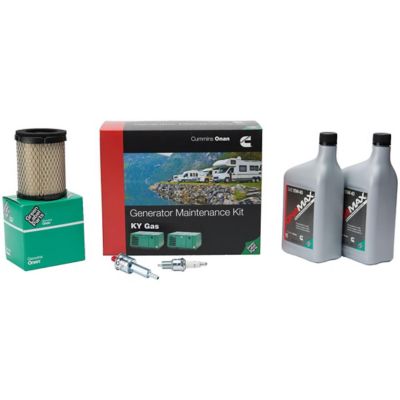
An LPG generator can make a thoughtful, practical gift for a new homeowner, small-acreage landowner, camper, contractor or family member who spends time beyond the reach of reliable utility power. It is the kind of equipment that may stay quiet in a shed until a freezer needs to keep running, a well pump must operate or a storm leaves the road covered with limbs, but having it ready can take a lot of worry out of an already difficult day. Set up a simple operating plan before an emergency arrives. Store the owner’s manual with the generator, mark the fuel shutoff and circuit breaker locations, and keep approved propane hoses, connectors, extension cords rated for the expected load and basic maintenance supplies together in one dry, accessible spot. Run the generator outdoors only, with the exhaust pointed away from the building, and keep it at least 20 feet from windows, doors and other openings unless the manufacturer’s instructions require more distance. Carbon monoxide is an odorless, dangerous gas, so install battery-powered or hardwired carbon monoxide alarms inside the home and near sleeping areas; never run an LPG generator in a garage, barn, shed, porch, basement or other enclosed or partly enclosed space. Keep the unit dry while it operates, protect it from standing water, let the engine cool before refueling or inspecting it, and give it regular exercise and maintenance according to the manual. Check oil, air filter, spark plug, battery and hoses, and inspect propane connections for damage before use. During warmer weather, portable generators can support outdoor projects, fencing work and remote tools; as the weather turns cooler, they can provide reassurance for heating equipment, refrigeration and essential household circuits during an outage. With the right wattage, a dependable fuel plan and safe installation, an LPG generator can be a hardworking addition to a farm, homestead, workshop or emergency kit.