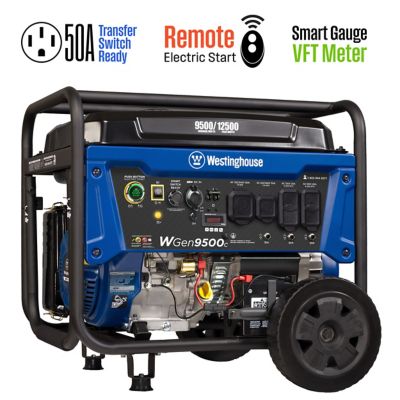
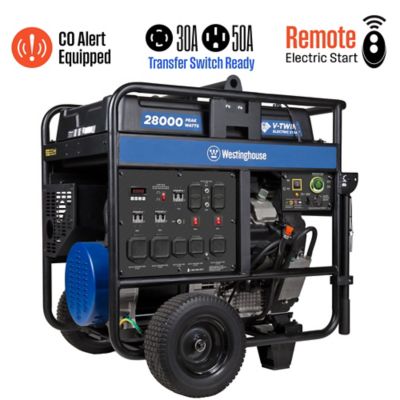
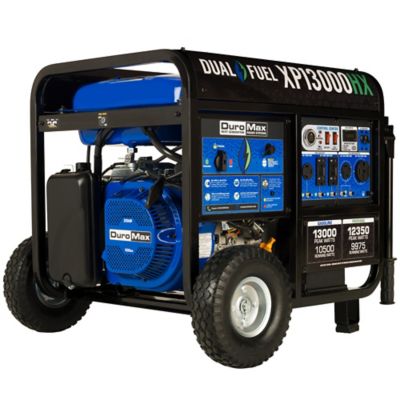
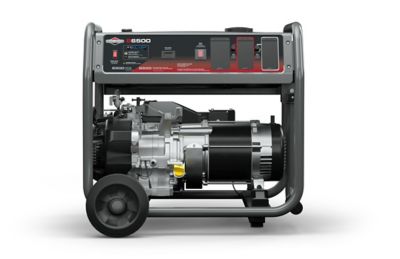
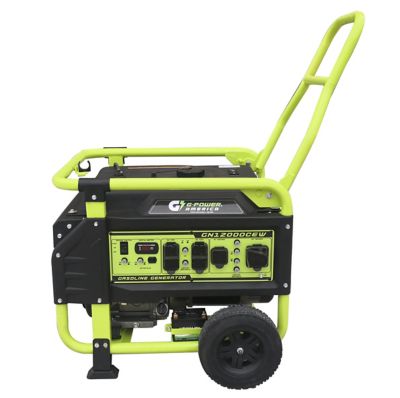
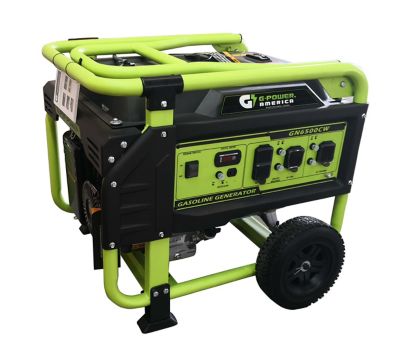
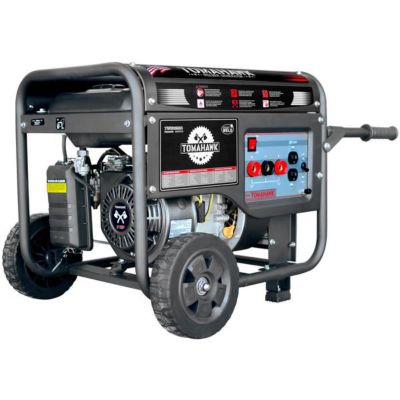
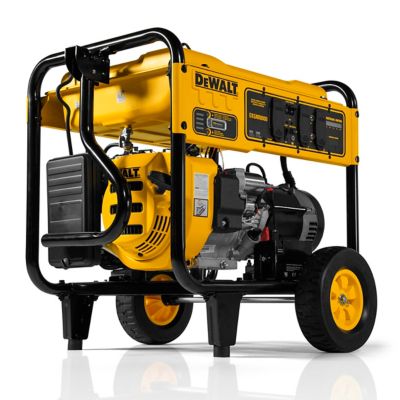
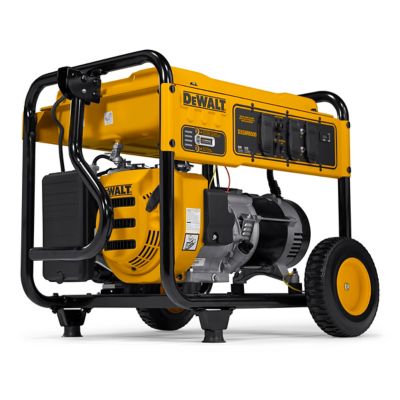
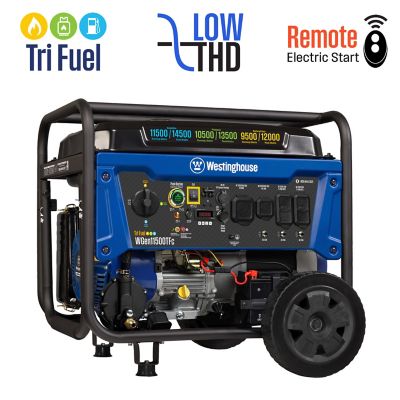
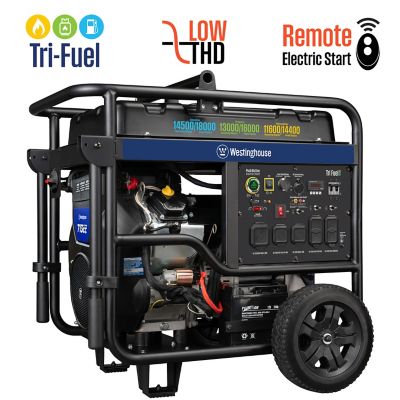
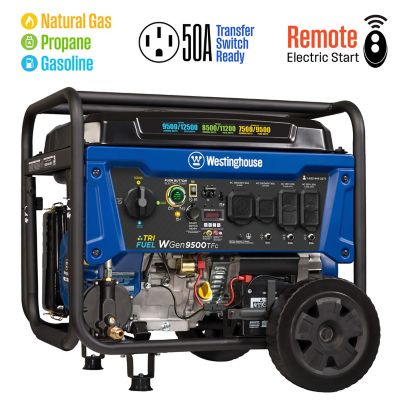
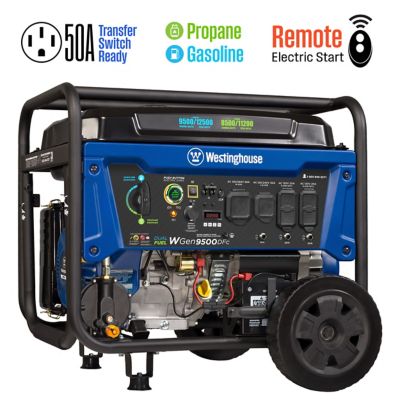
Heavy-duty generators bring substantial electrical power to places where an outlet is out of reach or utility service has gone down. For a rural household, that can mean keeping a freezer full of meat cold, powering a compatible well pump, and maintaining essential heating controls through an outage. On a farm or jobsite, it can mean running tools, lighting work areas, or supporting equipment far from the nearest service panel. Many larger generators deliver 10,000 watts or more, but “heavy duty” is not a standardized output rating. The right fit depends on running wattage, starting wattage, voltage, and the demands of the equipment you plan to connect. Running watts describe the power a generator can supply continuously under its rated conditions; starting or surge watts cover the brief extra demand that some motors need when they kick on. That distinction matters when a refrigerator compressor, sump pump, or air compressor starts while other equipment is already drawing power. Picture the well pump cycling on while the freezer and furnace blower are running: those overlapping loads deserve a place in your calculations. Before choosing a generator, list the essentials that need power at the same time, check their electrical ratings, and account for motor-starting requirements. Large pumps and shop equipment may need 240-volt service, while commercial machinery may have phase requirements that a typical residential generator cannot meet. Leaving reasonable capacity above the calculated load helps accommodate starting demand without operating at the limit. A large wattage number alone does not guarantee whole-home coverage, especially with electric resistance heat, central air conditioning, or several major appliances running together. Homeowners, livestock owners, contractors, and shop operators often have different priorities, even when their power totals look similar. A household may value overnight runtime and straightforward starting, while a work crew may care more about outlet capacity, transport, and access for daily maintenance. Matching those needs is more useful than simply choosing the biggest generator available.
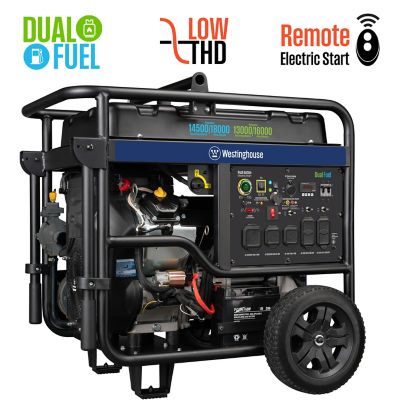
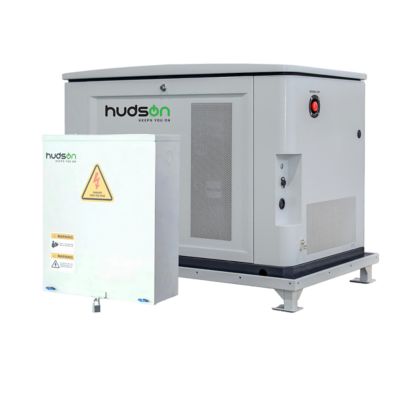
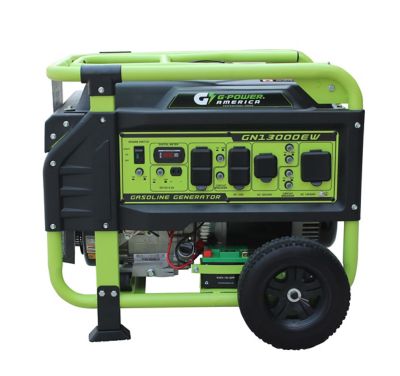
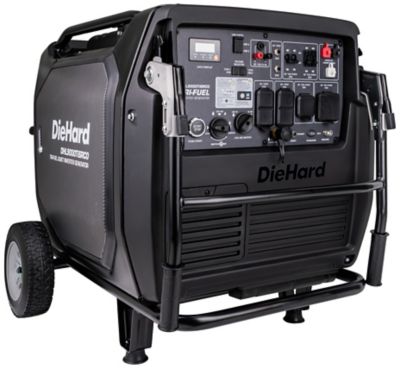
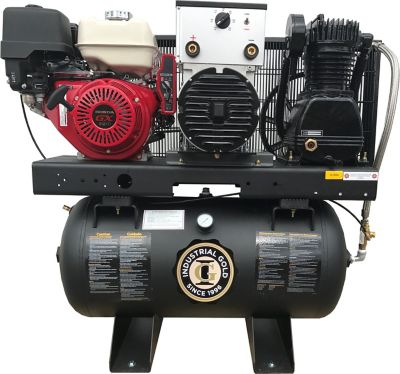
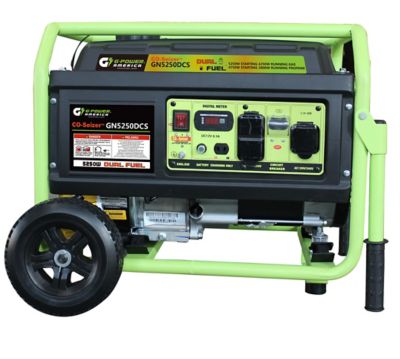
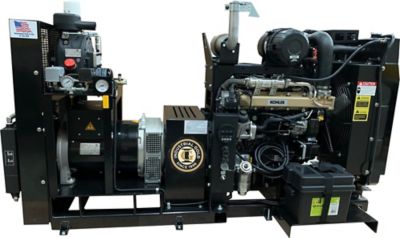
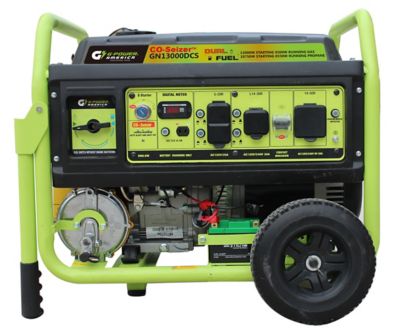
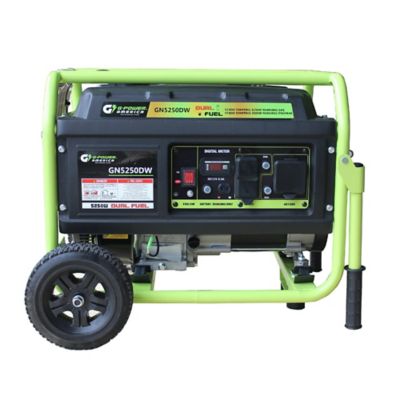
Heavy-duty portable generators, permanent standby generators, and larger mobile power systems serve different roles. A portable generator offers flexibility for backup power and work away from buildings, though high-output equipment can be heavy enough that wheel design, handles, lifting provisions, and loading arrangements become important purchase considerations. Moving a generator across a smooth shop floor is a different chore from getting it over gravel beside a barn. A standby generator stays in place and, with the appropriate automatic transfer equipment, can restore power to selected circuits or a properly sized whole-home system after utility service fails. Installation involves electrical planning, fuel supply, required clearances, permits where applicable, and a suitable location. Larger mobile or commercial systems may suit extended work schedules and substantial equipment loads, but their output ratings deserve close attention: standby, prime, and continuous-power ratings describe different operating duties. Fuel choice also affects everyday practicality. Gasoline is familiar and widely available, though stored fuel needs management according to the engine manufacturer’s directions. Propane offers another storage option, but tank size, fuel consumption, and vaporization capacity matter, particularly during colder weather. Natural gas can eliminate repeated tank refills when service remains available, provided the supply and piping meet the generator’s requirements. Diesel is common in larger commercial equipment and may make sense where an operation already maintains an appropriate fuel supply. Dual-fuel and tri-fuel capability can provide flexibility, but available wattage often changes with the fuel, and switching procedures vary by model. Follow the specified procedure rather than assuming fuel sources can change while the engine runs. Compare runtime at the same stated load level, too; a long runtime at one-quarter load does not describe performance under a much heavier draw. During the cooler months, electric starting, battery upkeep, manufacturer-approved cold-weather provisions, and ready access to fuel can make an outage less disruptive. For a place with livestock to tend before daylight, those practical details matter well beyond the numbers on the carton.
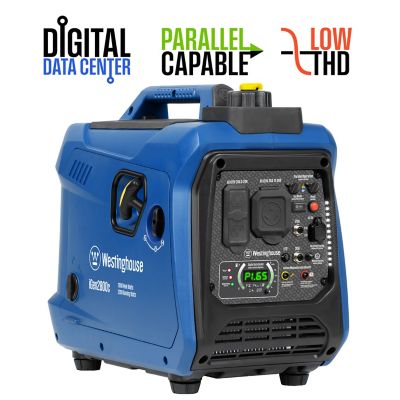
The best heavy-duty generator for your property should fit the electrical connections, working conditions, and upkeep you can realistically manage. Look at individual receptacle ratings as well as total generator output, since one outlet cannot necessarily deliver the machine’s full capacity. A home connection requires properly rated transfer equipment installed by a qualified electrician in accordance with local requirements; a particular outlet shape does not make a generator safe to connect directly to a breaker panel. Never backfeed power through a household wall outlet. For equipment connected by cord, choose outdoor-rated cords with the correct conductor size, length, grounding, and current rating, and follow the equipment instructions. Sensitive electronics and electronically controlled appliances may also have power requirements that make voltage regulation and total harmonic distortion worth comparing. Sound ratings deserve a careful look when the generator will operate near a house or neighboring property, but compare measurements taken at similar distances and loads. Accessible oil drains, readable controls, fuel gauges, service schedules, and available maintenance parts can make ownership easier after the first few starts. Carbon monoxide shutoff and low-oil shutdown are helpful safeguards, not substitutes for safe placement or routine checks. Operate portable generators outdoors only, at least 20 feet from homes and other occupied buildings, with exhaust directed away from windows, doors, and vents. Never run one in a house, garage, barn, or other enclosed or partly enclosed space, even with doors open, and maintain working carbon monoxide alarms inside the home. Keep equipment dry using only weather protection approved for operation, without restricting ventilation, and shut down and let the engine cool before refueling. Permanent standby installations have their own manufacturer-specified placement requirements. If your needs are limited to a few modest loads rather than pumps, major appliances, or demanding tools,
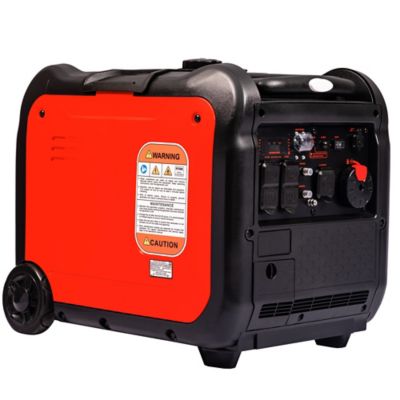
1800w Generators offer a smaller power category to compare. For heavier demands, focus on sufficient running output, suitable starting capacity, manageable fuel needs, and safe connections. Those are the details that help turn a generator into practical support for the house, the chores, and the work that still needs doing when the lights go out.