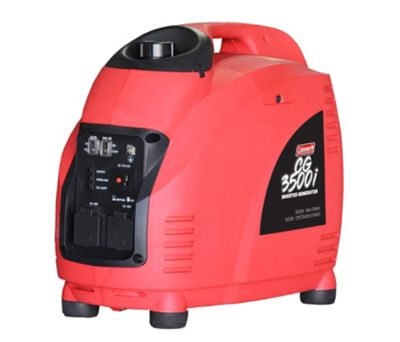
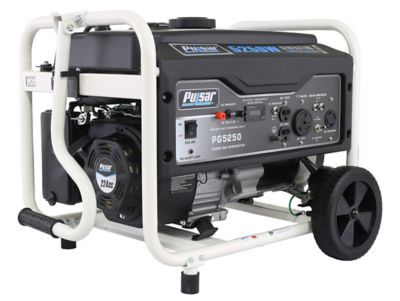
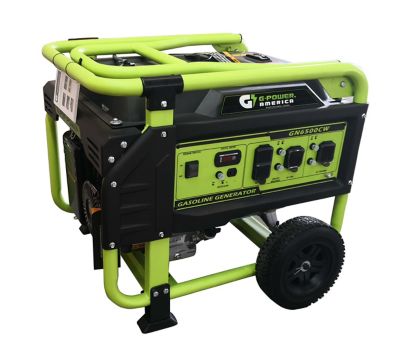
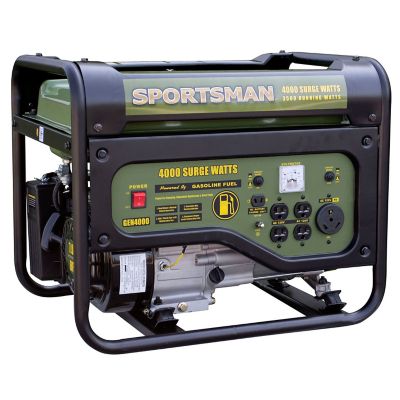
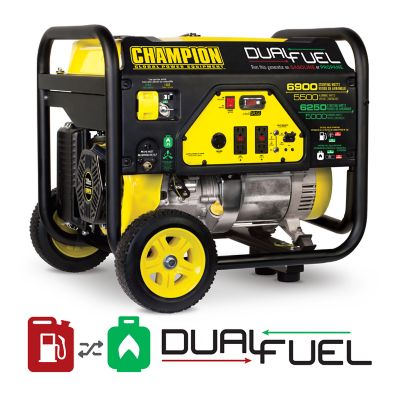
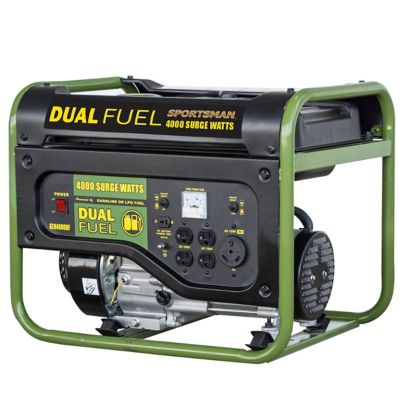
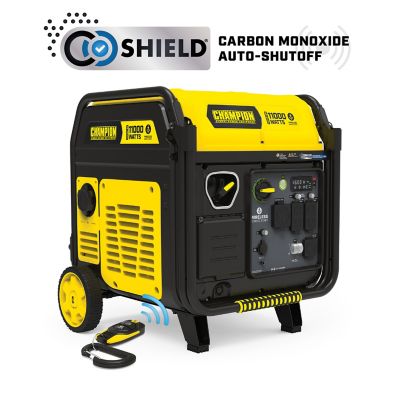
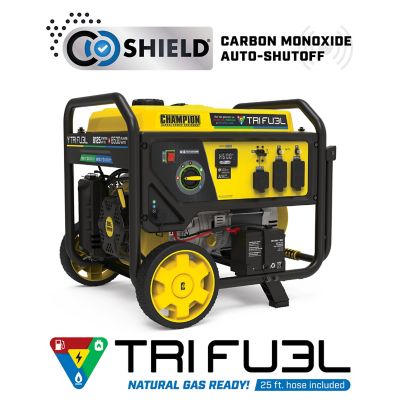
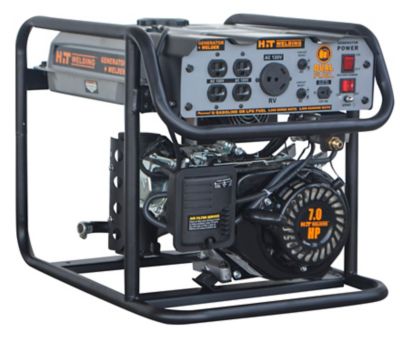
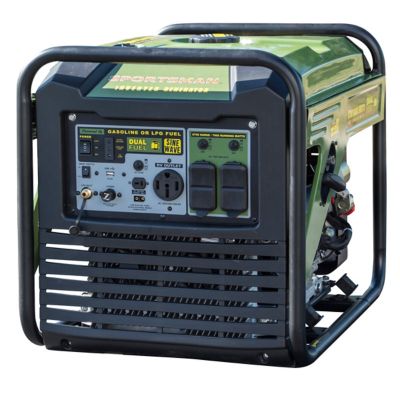
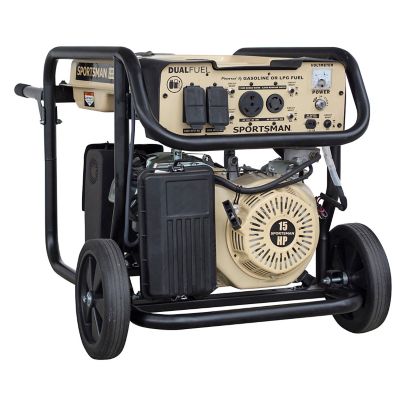
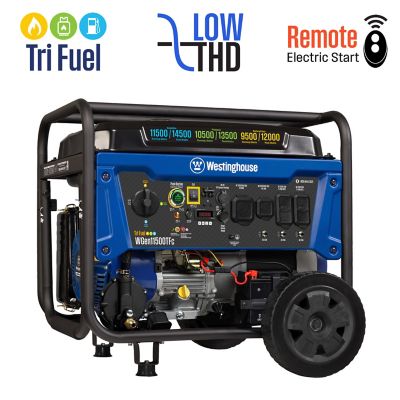
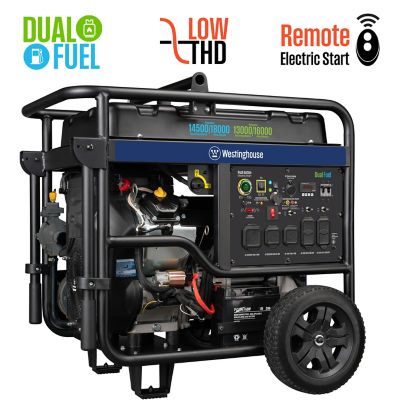
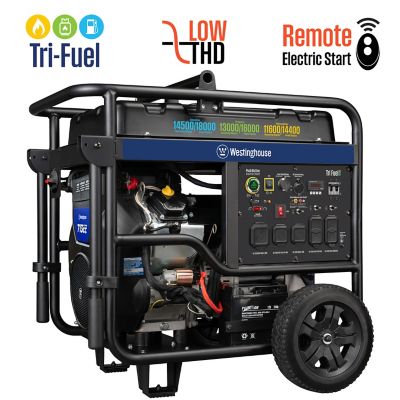
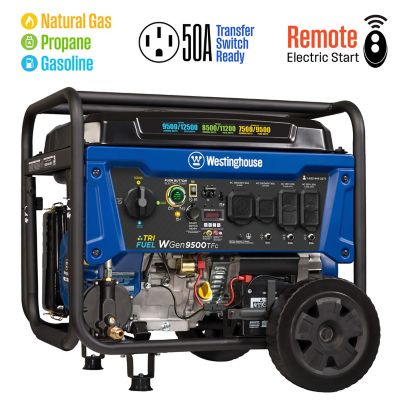
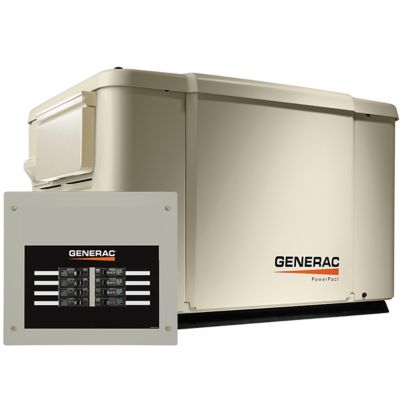
Gasoline power generators provide portable electricity when utility power is unavailable or a remote location has no electrical hookup. A gasoline generator uses an internal combustion engine to turn fuel into mechanical energy, then an alternator converts that motion into usable AC electricity. For many rural households, landowners, campers, hunters, contractors and outdoor workers, a generator can be a practical part of the tool shed. It may keep a refrigerator cold during an outage, power lights and chargers at a campsite, run tools at a jobsite or provide electricity to a barn, workshop or hunting cabin. Gasoline models are popular because fuel is widely available, the units can be moved from place to place and many are ready to start after a straightforward setup. When choosing one, begin with the appliances and equipment you plan to run rather than shopping by size alone. Every device has a running wattage, which is the power it needs after starting, and some motor-driven equipment also has a higher starting wattage. Refrigerators, freezers, well pumps, air compressors, sump pumps and power tools can draw a brief surge when their motors kick on. Add the running watts of the items you expect to use at the same time, then allow enough extra capacity for starting loads. Smaller generators can be a good fit for lights, fans, phone chargers, televisions and a few basic appliances, while larger units may support more demanding equipment. A simple written list taped inside a utility room or generator storage box can make choosing easier when the power is out and the house is quiet except for wind against the windows.
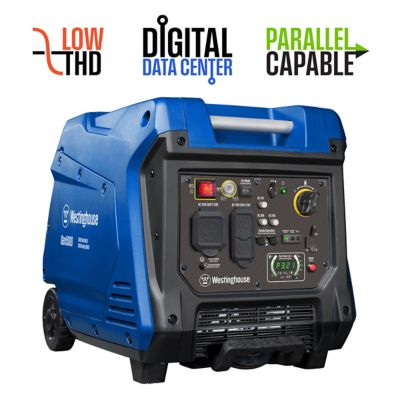
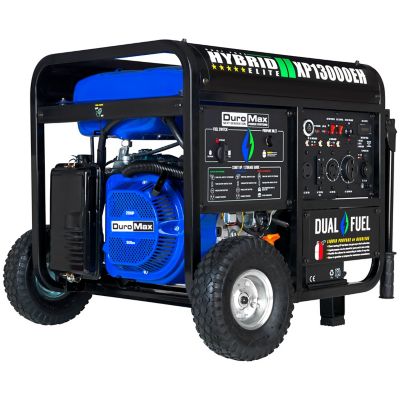
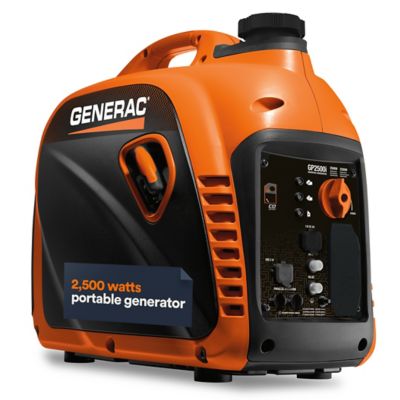
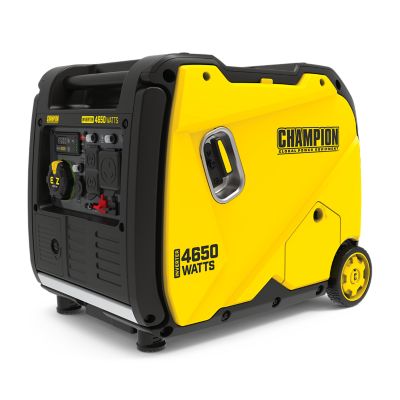
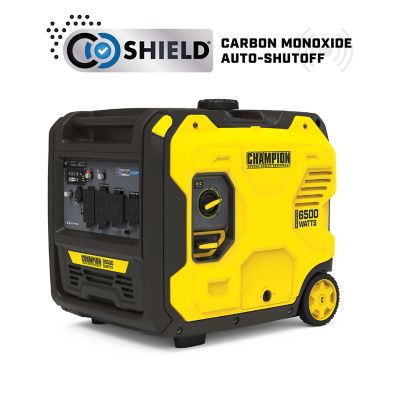
Portability, starting method and outlet layout also matter. A compact unit with a recoil start can be useful for camping, tailgating, seasonal work and occasional emergency use, especially when storage space is limited. Electric-start models can be easier to operate when the weather is cold or when several people in the household may need to get the generator running, though the starting battery needs care. Wheel kits and folding handles make heavier units easier to position, but even a portable generator should be moved only on a stable surface with the engine off and cooled. Look for clearly marked outlets that match your cords and equipment, along with a fuel tank size and estimated runtime that suit the job. A larger tank may allow longer operation between refueling, while a smaller unit may be easier to carry. Noise ratings are worth considering around a campsite, a close-set home or a quiet rural property. Inverter generators can be a useful choice for sensitive electronics because they produce clean, stable power and often adjust engine speed to the electrical load, which can help reduce fuel use and noise. Standard portable generators may be well suited to tools, pumps and larger appliances. If you want an alternative fuel option for a backup setup, explore
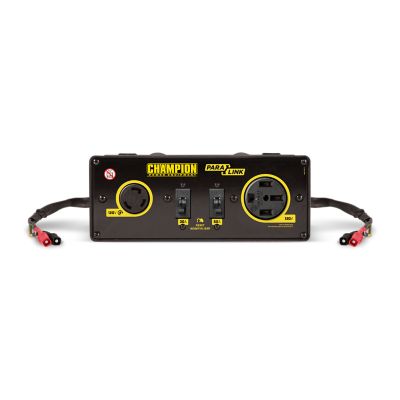
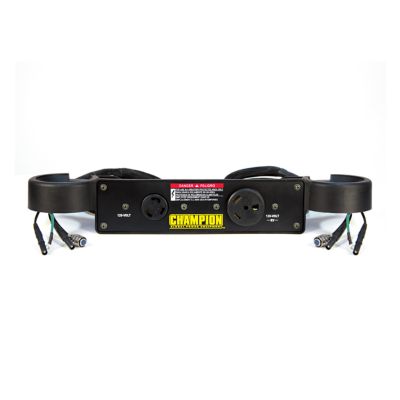
LPG Generators. A gasoline generator can also make a thoughtful gift for a new homeowner, camper, property owner or do-it-yourselfer, particularly when paired with heavy-duty outdoor-rated extension cords, a weather-resistant storage cover and a basic maintenance kit. It is best to plan the electrical connection before an emergency. Plug appliances directly into the generator with properly rated cords whenever possible. If you want to connect selected household circuits, have a qualified electrician install the correct transfer equipment; never backfeed a home through a wall outlet, since that can put utility workers and neighbors in danger.
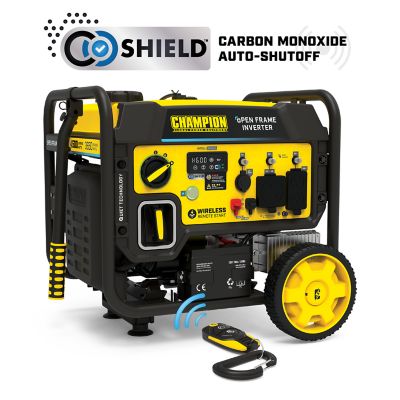
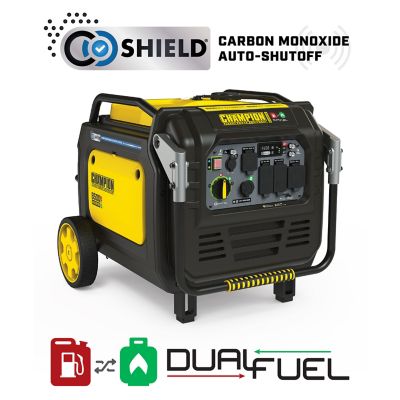
Safe operation and fuel care are just as important as wattage. Run a gasoline generator outdoors in a well-ventilated area, far from doors, windows, vents and attached garages. Carbon monoxide is an invisible, odorless gas produced by the engine, and it can build up quickly in enclosed or partly enclosed spaces, including porches, sheds, carports and open garage doors. Keep the exhaust pointed away from the home, follow the clearance instructions in the owner’s manual and use a battery-powered carbon monoxide alarm inside the house as an added safeguard. Place the generator on dry, level ground where rain, snow and standing water cannot reach the electrical connections. Do not touch the unit with wet hands, and let the engine cool before adding gasoline. Store fuel only in approved containers in a cool, well-ventilated location away from ignition sources and living areas. Gasoline can degrade during storage, and old fuel may leave deposits that clog the carburetor or make starting difficult. Use fresh fuel as recommended by the manufacturer, consider a fuel stabilizer when gasoline will sit through the cooler months and rotate stored fuel rather than letting it age indefinitely. Some engines perform better with non-ethanol gasoline, but always follow the fuel specifications in the owner’s manual. Before severe weather or a planned trip, start the generator outdoors and let it run under load for a short period so you can check the oil level, outlets, cords and fuel system. Regular maintenance usually includes changing the oil at the recommended intervals, cleaning or replacing the air filter, checking the spark plug and inspecting fuel lines and connections. Keep the manual, a flashlight and spare approved cords together near the storage area, but never store the generator while it is hot. With the right capacity, careful fuel management and a safe operating routine, a gasoline power generator can bring dependable electricity to everyday work, outdoor projects and unexpected outages through changing weather and the seasons.