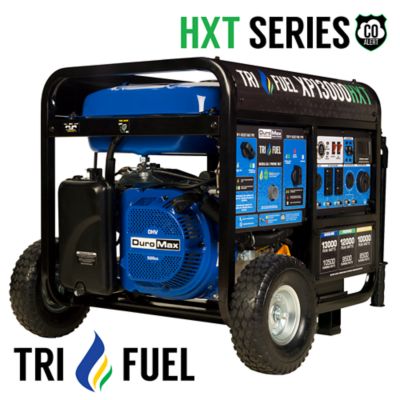
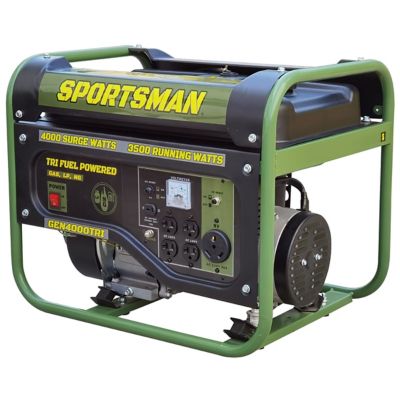
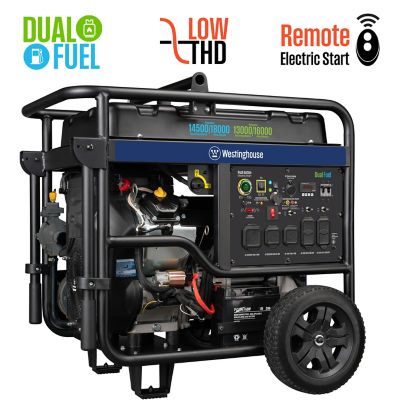
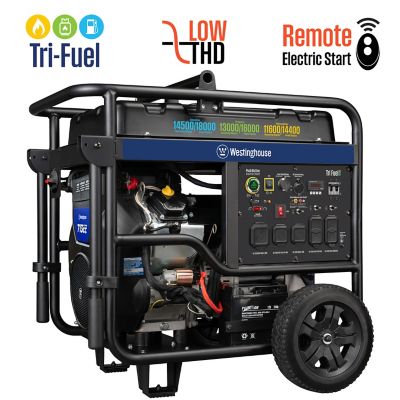
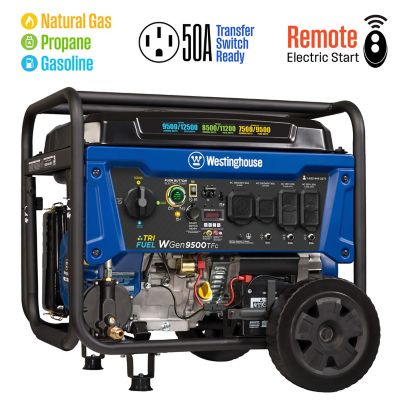
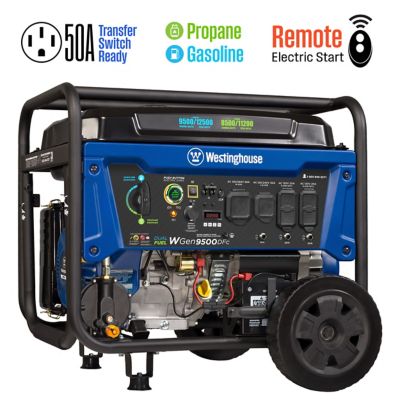
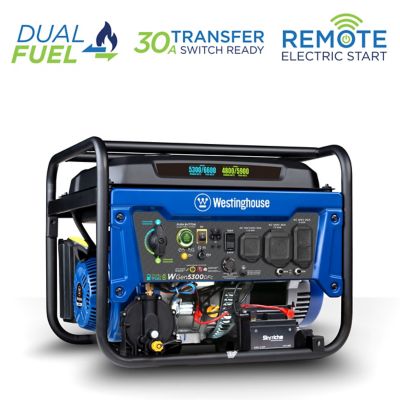
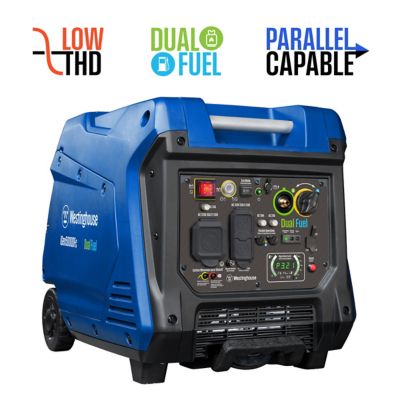
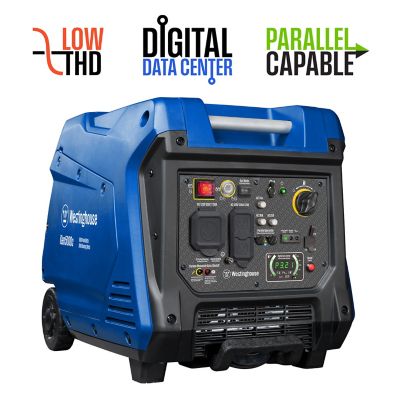
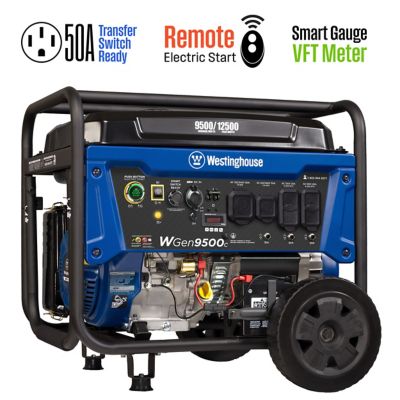
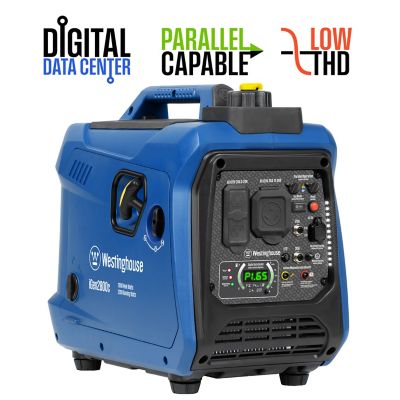
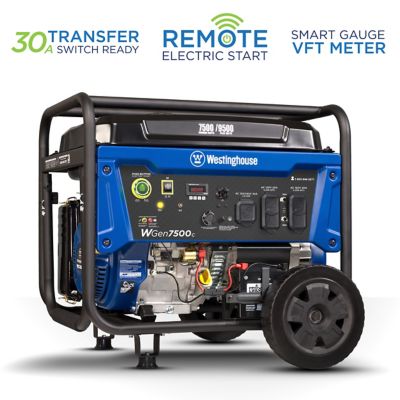
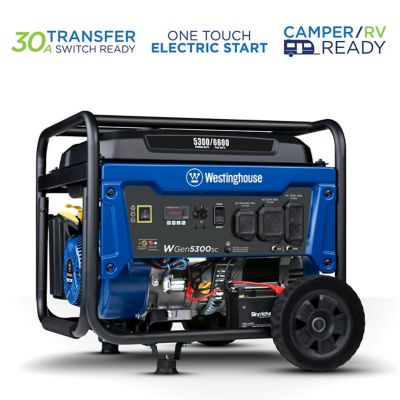
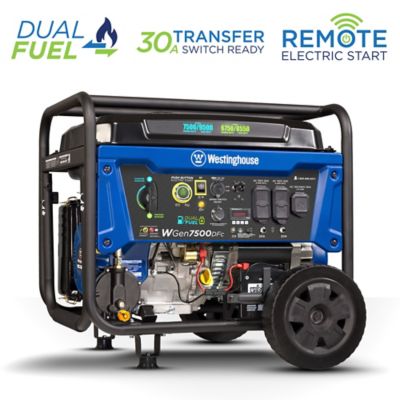
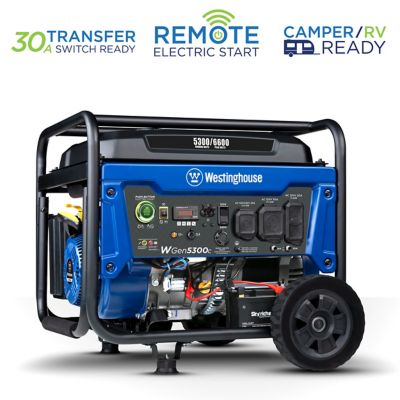
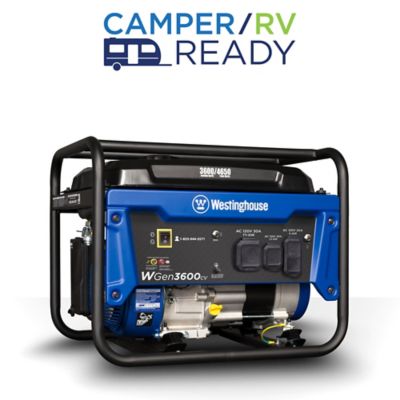
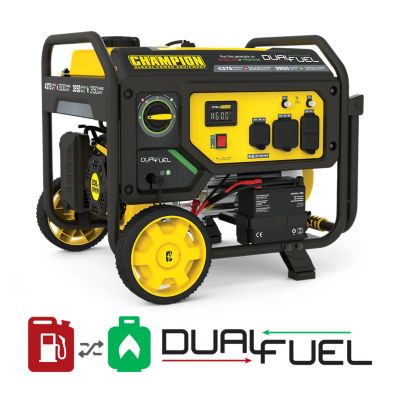
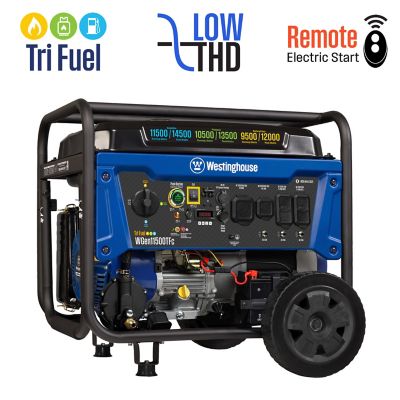
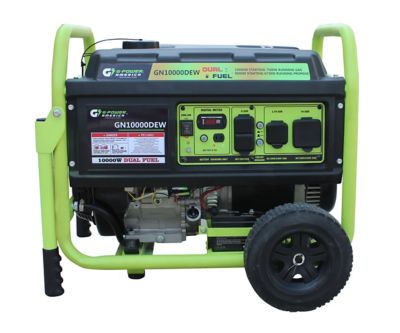
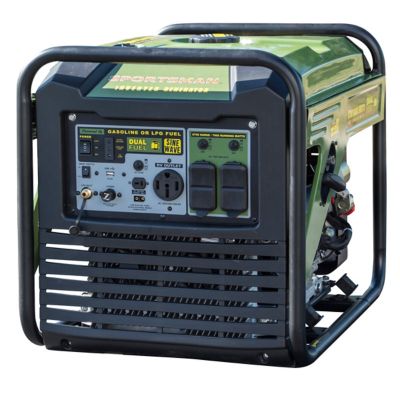
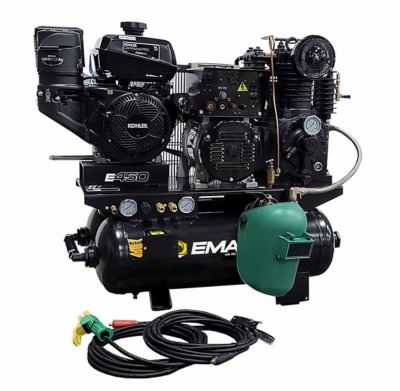
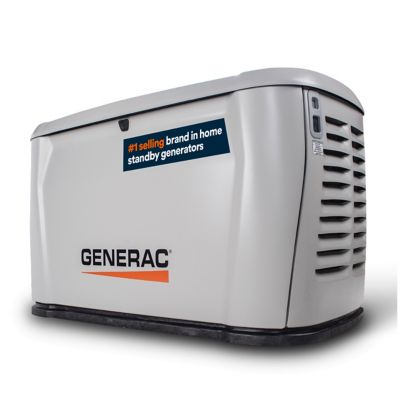
A gasoline or propane generator can help keep the lights on, protect food in the refrigerator, run well equipment, and provide a little comfort when the power goes out. These machines are useful around country homes, farms, workshops, campsites, barns, and job sites where dependable electricity may not be close at hand. A portable unit can be moved where it is needed, whether that means powering a few essentials at the house, running tools beside a fence line, or keeping a stock tank heater and other important equipment going during an outage. When shopping, start by making a list of the appliances and tools you expect to use at the same time, then check their running watts and starting watts. Motors in well pumps, freezers, refrigerators, air compressors, and power tools may need a short burst of extra power when they start. A generator should have enough capacity for that starting demand, not just the total wattage shown while everything is already running. It also helps to think about noise, runtime, portability, wheel kits, electric or recoil start, outlet types, and whether the unit can be connected safely to a home transfer switch by a qualified professional. Some shoppers choose a dual-fuel generator so they can use gasoline for stronger output and easy cold-weather starting while keeping propane available for longer-term storage. Others prefer a single-fuel setup that fits the fuel already used for a grill, RV, farm equipment, or standby system. Taking stock of the power needs around your property makes the choice much more practical than shopping by size alone.
Gasoline and propane each have useful strengths. Gasoline generally provides more energy in a comparable engine and may deliver roughly 5% to 10% more running and starting wattage than propane, making it a good fit when higher output matters. It is widely available and can be handy when a generator needs to start reliably during freezing weather. Gasoline does require more attention in storage, though. Over time, untreated fuel can degrade, form varnish, and leave deposits in a carburetor, especially when it sits through several seasons. Use an approved fuel container, follow the generator maker’s storage directions, and add stabilizer when recommended. Propane does not go stale in the same way and can be stored for long periods in an approved tank, which makes it appealing for emergency preparedness. It burns cleaner, leaves fewer carbon deposits, and may help keep engine oil and spark plugs cleaner during regular use. Propane can also remain available when a storm has closed roads or caused fuel stations to lose power, provided you have properly stored tanks or access to a larger LP supply. In deep cold, however, a small portable tank may not vaporize fuel quickly enough to maintain full pressure and output, so gasoline can have an advantage in very low temperatures. Fuel consumption also varies with the load, engine size, tank capacity, and weather, so published runtime numbers are best treated as estimates. A propane setup may use a larger tank for extended operation, while a gasoline setup may need fresh fuel rotation and careful handling. For homes already equipped with a substantial propane supply, propane generators can fit neatly into an emergency plan. To compare options built around that fuel, browse
Propane Backup Generators and consider how the available capacity matches your actual needs.
Safe operation matters just as much as wattage and fuel choice. Never run a gasoline or propane generator inside a home, garage, barn, shed, crawl space, or other enclosed area, even with doors or windows open. Carbon monoxide is odorless and can build up quickly. Set the generator outdoors, well away from doors, windows, and air intakes, on a stable, dry surface where exhaust will not blow toward occupied spaces. Keep it protected from rain without blocking ventilation, and allow the engine to cool before refueling. Store gasoline and propane according to local rules and the fuel container instructions, away from heat, flame, sparks, and areas where children or animals can reach them. A carbon monoxide alarm and working smoke alarms add another layer of protection inside the home. During an outage, use heavy-duty outdoor-rated cords with the right gauge and length, inspect them for damage, and avoid overloading outlets. Do not connect a portable generator directly to household wiring through a wall outlet; a properly installed transfer switch is the safe way to power selected circuits. Keep the owner’s manual nearby, check the oil before each use, and run the unit periodically under load so it is ready when needed. These generators can make thoughtful gifts for new homeowners, campers, homesteaders, small-business owners, and anyone caring for livestock or equipment in a rural area. They are especially useful for someone preparing a workshop, outfitting an RV, or building a practical storm kit. As the weather warms, they can support outdoor projects and remote work areas; during cooler months, they can help maintain essential heat, water, refrigeration, and communications when utility service is interrupted. With the right fuel plan, safe placement, and enough capacity for the essentials, a gasoline or propane generator becomes a dependable part of keeping a household or property moving.