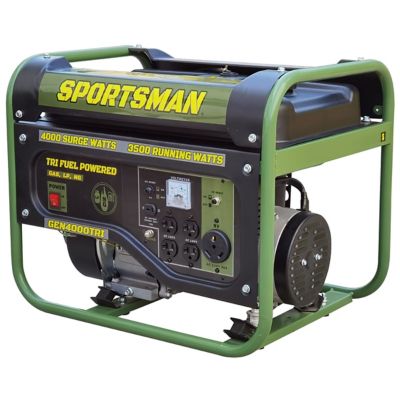
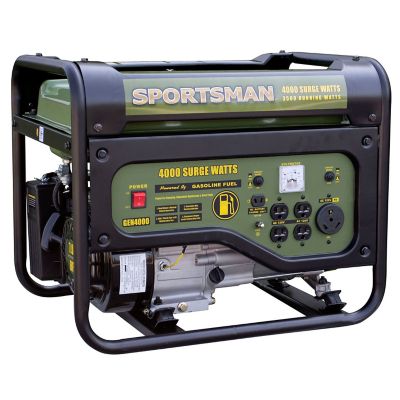
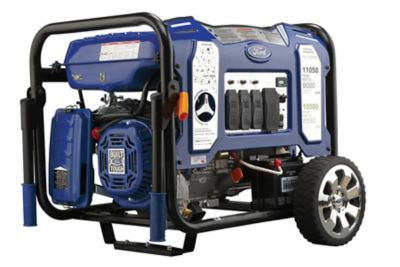
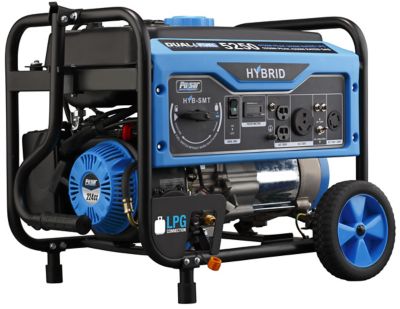
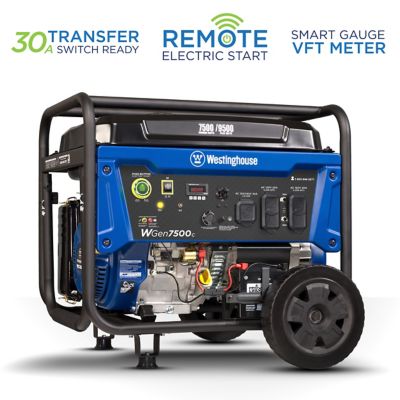
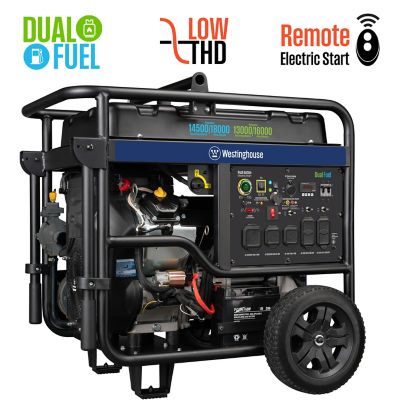
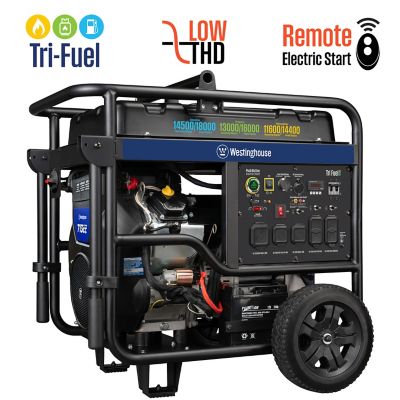
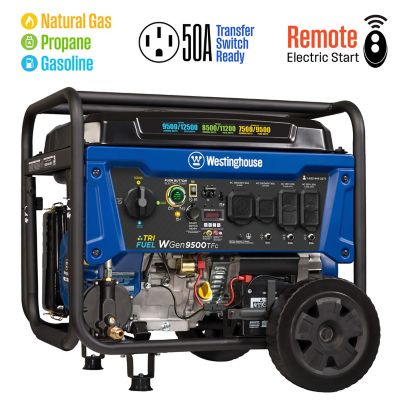
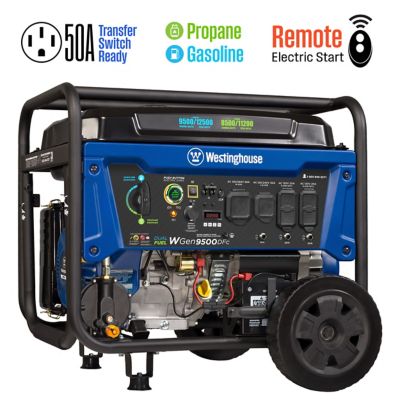
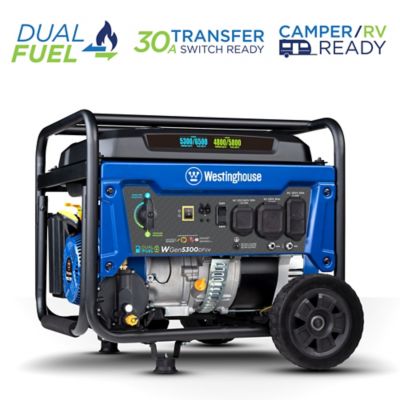
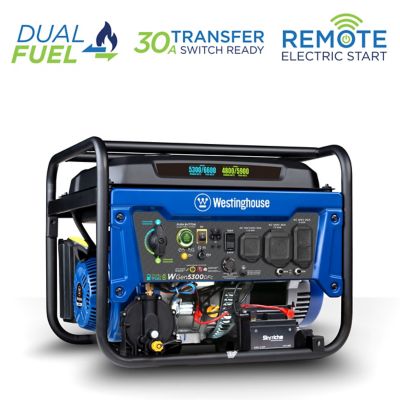
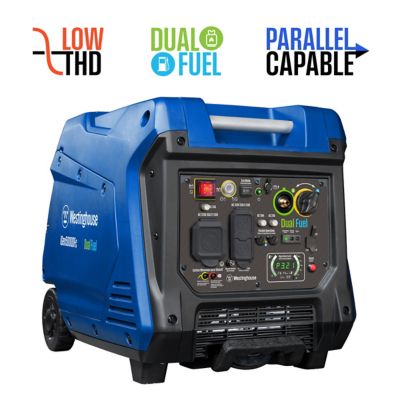
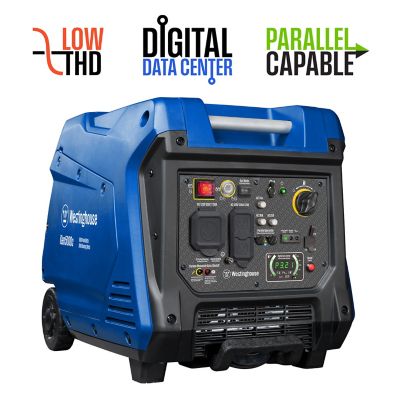
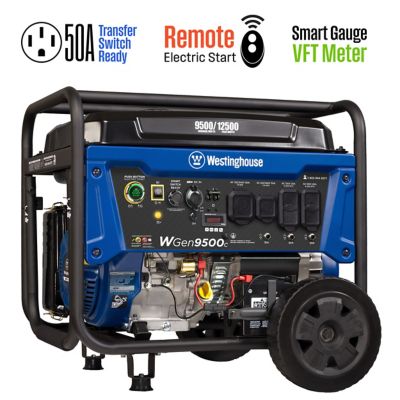
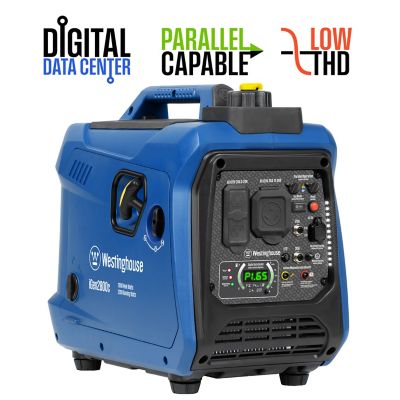
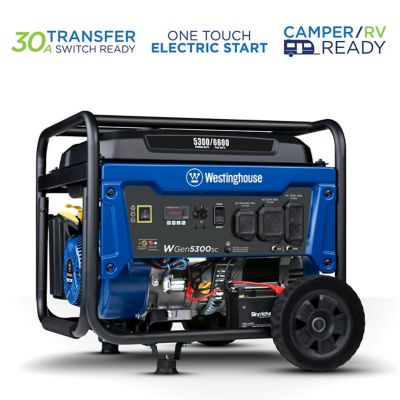
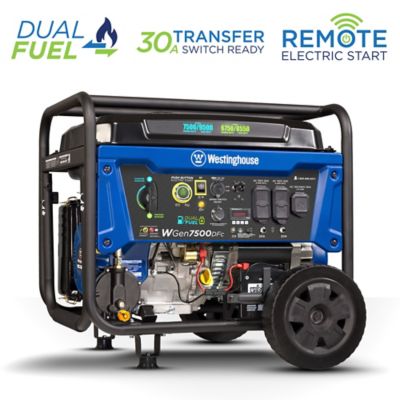
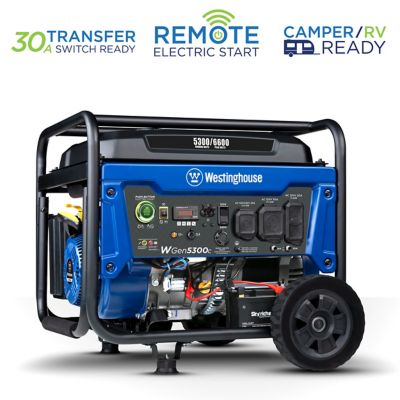
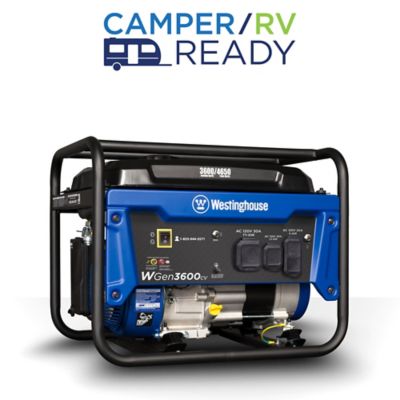
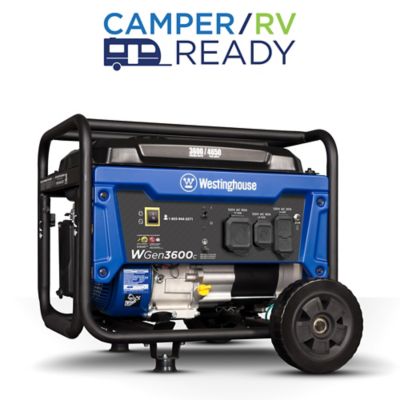
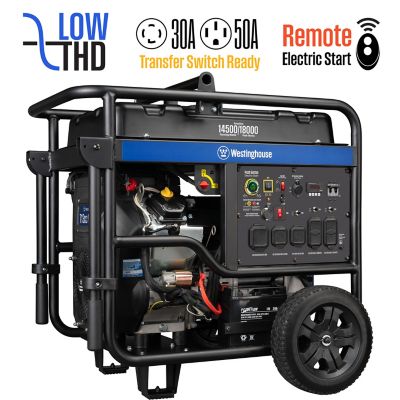
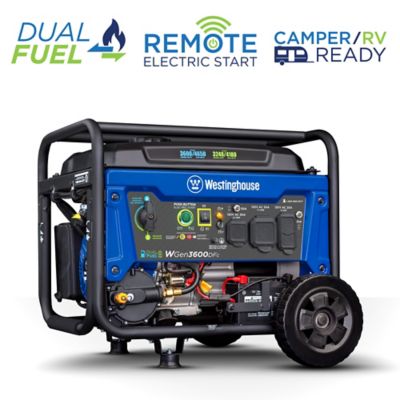
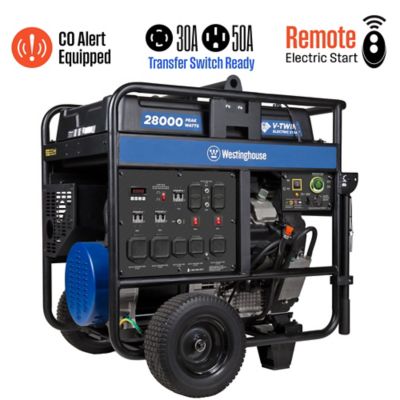
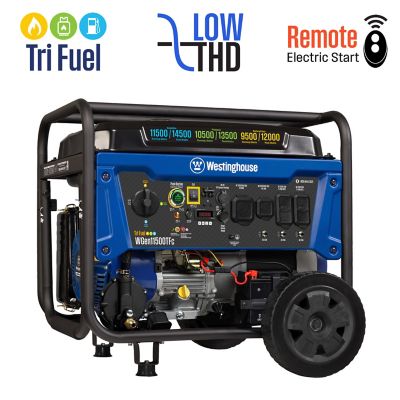
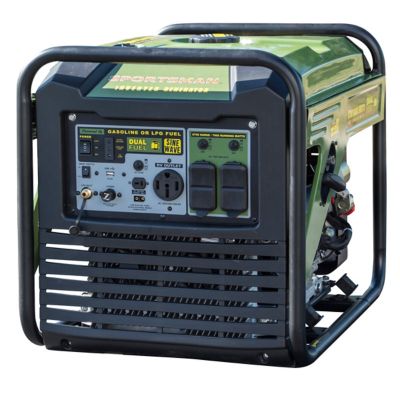
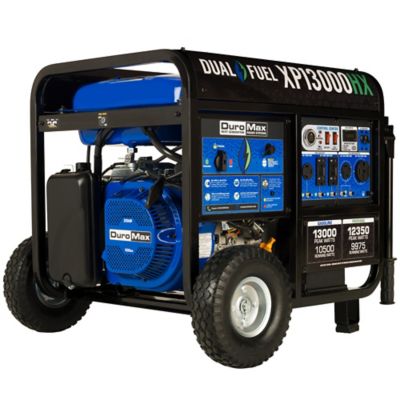
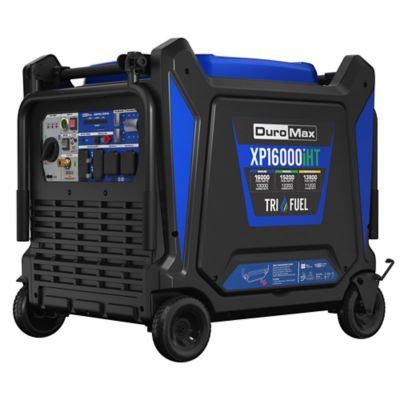
When it comes to keeping your home running when the power goes out, having a gas generator on hand can make all the difference. Folks living in rural areas or places where storms tend to knock out the power know just how important it is to be prepared, especially as the weather warms up and summer storms roll through, or when the days start to cool off and you need to keep the lights on and the fridge cold. Gas generators for the house come in two main flavors: portable and whole-house models. Portable generators are a popular pick for folks who want a flexible, budget-friendly solution. They’re easy to move around, whether you’re powering up the barn, the RV, or just keeping a few lights and appliances running in the house. You’ll need to set them up outside, away from open windows and doors, because of the exhaust fumes, and be ready to refuel them by hand. They’re usually a bit louder, but for the price and convenience, many families find them just right for their needs—especially if you only need to run the essentials like the refrigerator, some lights, and maybe a window AC unit or two.
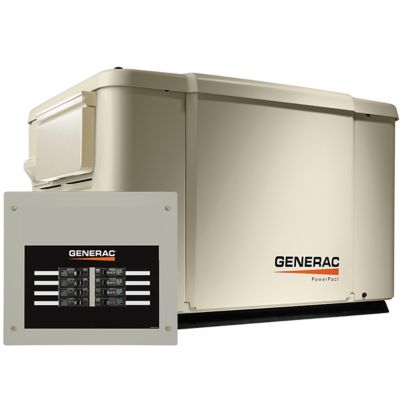
On the other hand, whole-house generators are a game-changer for anyone who wants seamless backup power without lifting a finger. These units are permanently installed outside your home and are hooked up to your natural gas or propane line. When the power goes out, they kick on automatically, keeping everything from your well pump and HVAC system to your kitchen appliances running smooth as ever. They’re quieter and more powerful than portables, but do come with a higher price tag and need to be installed by a professional. For folks who work from home, have medical equipment that can’t lose power, or just want peace of mind during wild weather, whole-house generators are worth every penny. They also make a thoughtful gift for parents, grandparents, or anyone settling into a new home in the country—knowing you’ve got backup power brings a sense of security that’s hard to beat.
Choosing the right gas generator for your home comes down to a few key considerations. Think about what you need to keep running when the grid goes down—maybe it’s just the basics, or maybe you want to power the whole house, from the freezer full of this year’s harvest to the sump pump in the basement. Sizing matters: most folks find that a portable generator in the 3,000 to 6,000-watt range covers the essentials, while a whole-house generator is built to handle everything at once. Pay attention to fuel type—some portables run on gasoline, others offer the flexibility of dual-fuel (gasoline and propane), and most whole-house units use natural gas or propane. Noise level, fuel efficiency, and run time are all worth weighing, especially if you expect to use your generator for extended periods. And don’t forget about maintenance—keeping your generator in good shape ensures it’ll be ready when you need it most. If you’re leaning toward a whole-house solution, it’s a good idea to talk with an electrician or generator specialist to make sure you’re getting the right fit for your home’s needs. For more details on permanent options that tap into your home’s natural gas line, check out our guide to the
Natural Gas Whole House Generator. No matter which route you choose, having a gas generator ready to go offers peace of mind and keeps life moving—rain or shine, summer or fall.