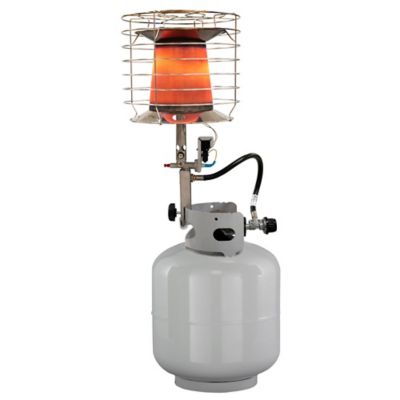
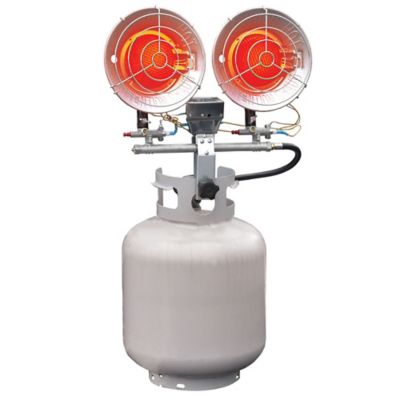
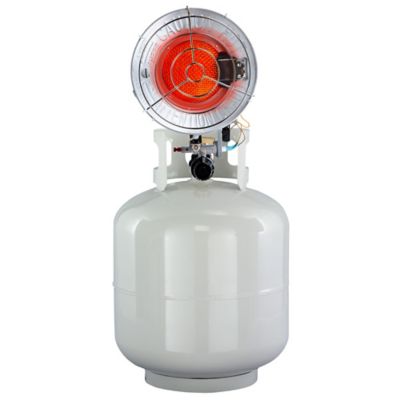
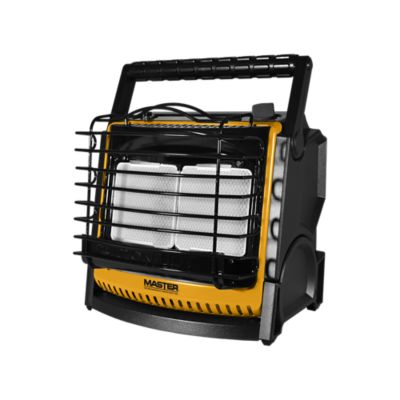
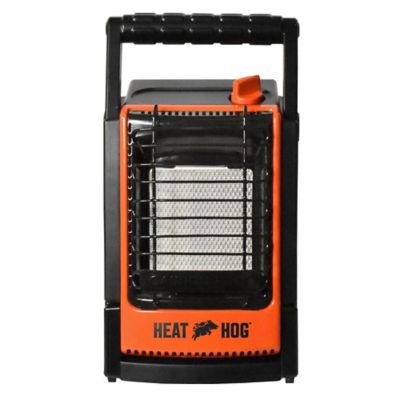
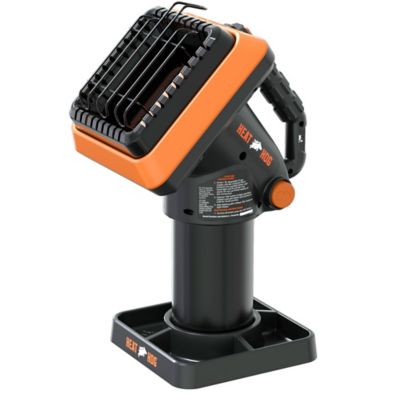
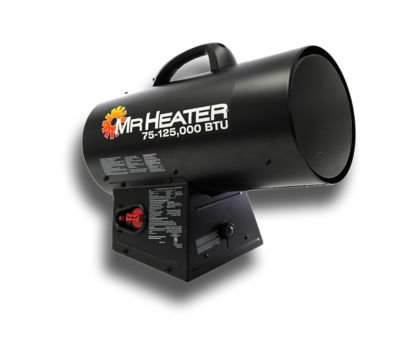
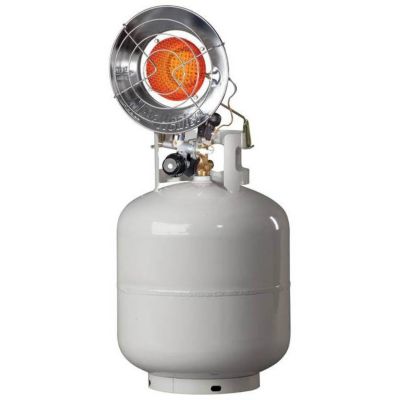
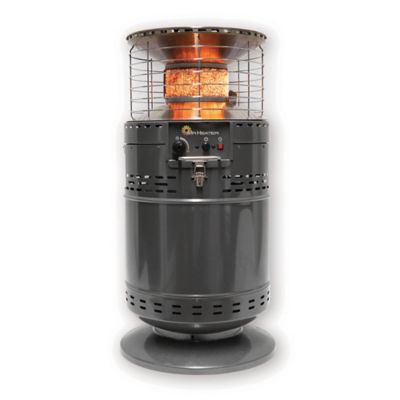
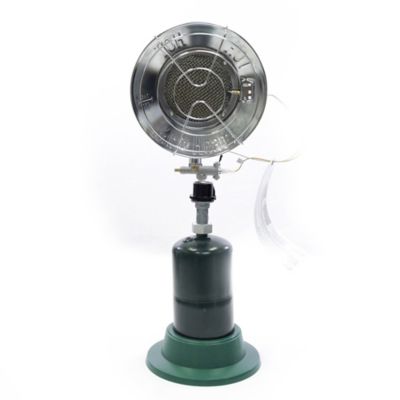
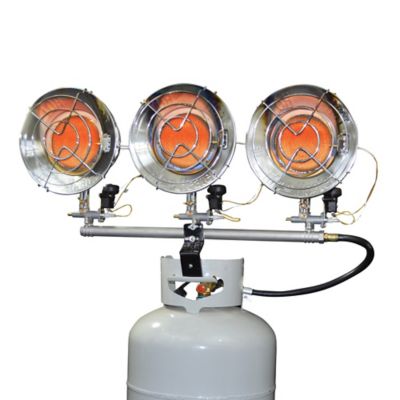
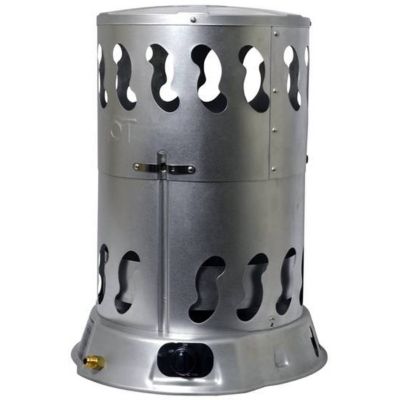
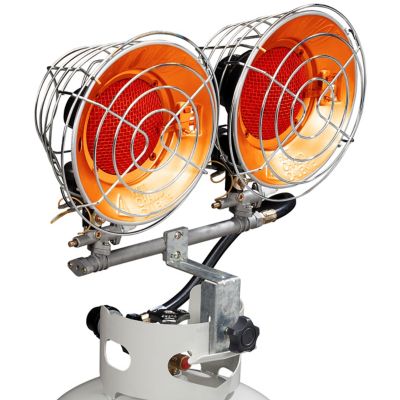
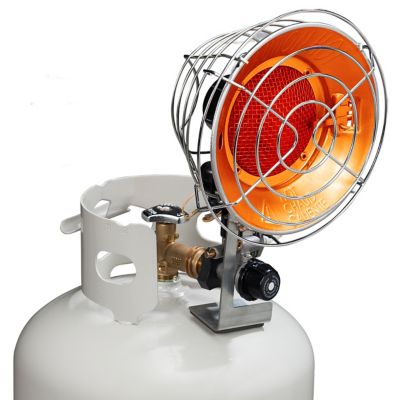
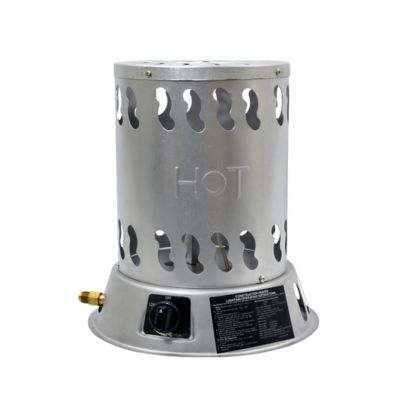
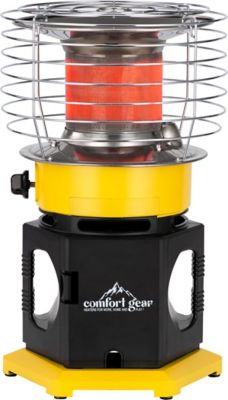
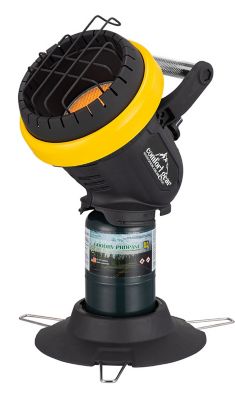
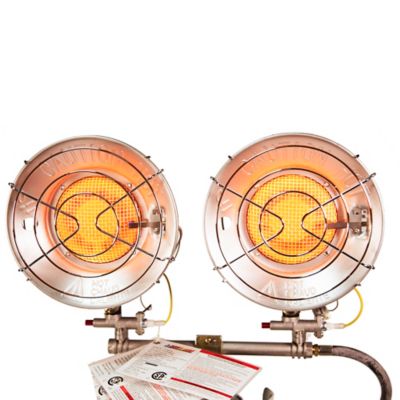
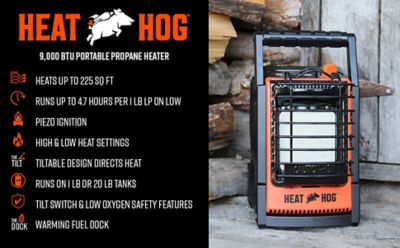
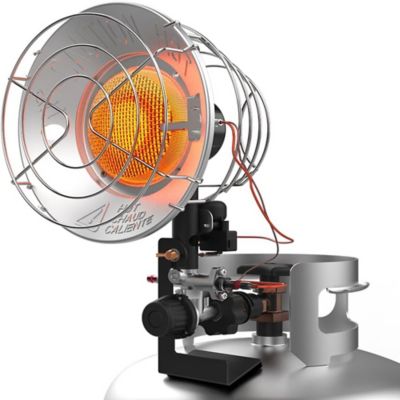
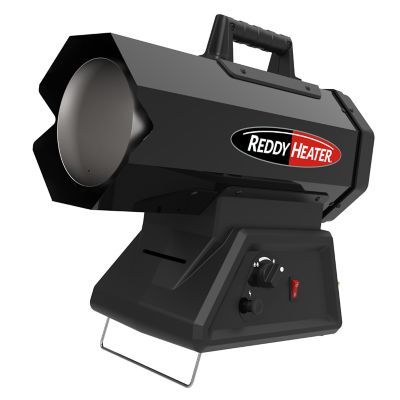
LP tank heaters bring propane-powered radiant warmth to outdoor work areas, with tank-top designs fastening directly to a compatible propane cylinder. These heaters run on propane, a type of liquefied petroleum gas, and many operate without a household electrical connection. Rather than warming an entire building, a radiant heater sends heat toward people and surfaces within its heating area. That makes this style a practical match for outdoor equipment repairs, a workbench in an open yard, or a stationary task that keeps someone in one spot for a while. A farmer working beside a parked implement or a landowner sorting hardware at an outdoor table may value warmth close to the task without stretching an extension cord across the ground. Single-burner designs generally concentrate heat in one direction, while multiple-burner arrangements can cover a broader area, depending on their layout. Some designs offer adjustable burner angles or separate burner controls, giving you more say over where the warmth lands. Other configurations spread heat around the unit rather than mainly across its front. The heating pattern matters just as much as the stated BTU-per-hour rating: a larger rating does not necessarily mean better coverage for a narrow work area. Radiant warmth is strongest within the heater’s intended reach, and wind, distance, and placement affect how much warmth reaches the person working nearby. Adjustable heat settings help match the output to the task, though higher settings also consume propane faster. Runtime depends on the heater’s fuel demand, the amount of propane in the cylinder, and operating conditions, so a single runtime figure will not fit every setup. For work that involves moving between several outdoor stations, the combined size and weight of the heater and cylinder deserve a close look, too. A compact burner assembly can still become an awkward load once attached to a full tank, especially around uneven ground, gates, or equipment parked close together.
Fit starts with the propane cylinder, not just the heater’s footprint. Many tank-top heaters connect to a standard 20-pound propane cylinder, but the listed cylinder size, valve connection, and mounting requirements determine whether a particular setup belongs together. A connection that looks close is not a substitute for the correct fitting, and improvised adapters can create problems with support, fuel flow, or safe operation. The mounting bracket should hold the heater in the position specified by its manufacturer, with the cylinder upright and the assembly resting securely on firm, level ground. Clearance measurements apply to the complete setup, including the space above and around the burner, rather than only the tank itself. Construction details also make a difference when a heater travels between an equipment yard and an outdoor repair area. Steel housings, metal burner guards, and protective finishes are common features worth comparing, along with the way brackets, controls, and connections are positioned. A guard helps shield the burner from incidental contact, but it does not make the heater safe to touch while hot. Exposed controls should be easy to identify, and adjustment points should be accessible without reaching across the burner face. For a heater that gets hauled along with tools, a straightforward shape and secure mounting hardware can make handling less troublesome. Storage and care matter just as much as the metal around the burner. Dust, insect nests, moisture, and damage to fittings can interfere with operation, so inspection and cleaning should follow the owner’s manual. Burner surfaces and protective screens may need particular cleaning methods rather than a hard brushing or a blast of compressed air. Once the heater is shut down and completely cool, keeping it dry and protected between jobs helps limit corrosion and debris buildup. Propane cylinders need their own proper storage, upright and outdoors in a ventilated location, away from ignition sources and in accordance with the cylinder instructions and local requirements.
Safety features and operating limits belong near the top of any comparison of LP tank heaters. Depending on the design, features may include a safety shutoff that stops fuel flow if the flame goes out, a tip-over shutoff, or protected burner assemblies. Those features support proper operation; they do not replace careful placement or the instructions supplied with the heater. Tank-top propane heaters intended for outdoor use must stay outdoors, not in a house, garage, barn, shed, tent, camper, or other enclosed or partially enclosed space. An open door or window does not make an indoor location safe for an outdoor-only heater. Propane combustion can produce deadly carbon monoxide, which has no color or smell, and the burner also creates an ignition source near anything combustible. Hay, bedding, feed sacks, loose clothing, fuel containers, tires, and plastic equipment parts all need the clearances stated in the manual. A spot that seems convenient beside a tractor wheel or beneath a low work surface may put heat too close to material that can scorch, melt, or catch fire. Children, pets, and livestock also need to stay well away from the hot assembly. Connections require leak checks with the manufacturer-recommended solution or an approved leak-detection product, never an open flame. A propane smell, damaged connection, or irregular flame calls for stopping operation and addressing the problem before the next task. Cold conditions can affect propane vaporization and heater performance, especially when fuel demand is high; applying outside heat to a cylinder is not a safe workaround. The heater should remain attended during operation and cool fully before handling or transport. For different layouts and heating needs, explore
LP Portable Heaters and compare each design’s approved setting, fuel connection, and heat pattern. Matching those details to the job helps keep attention on the repair, the chore, or the workbench instead of wrestling with a setup that does not fit the space.