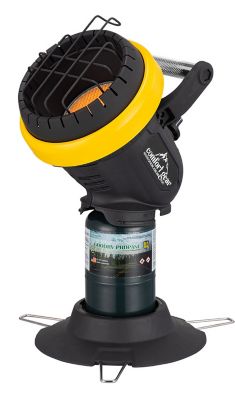
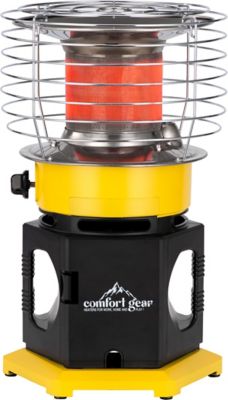
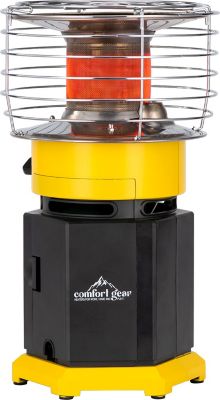
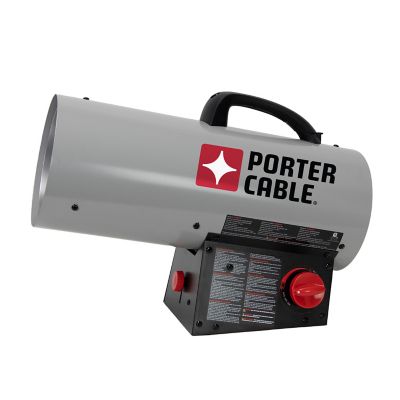
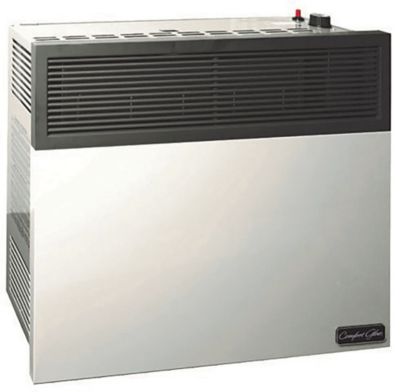
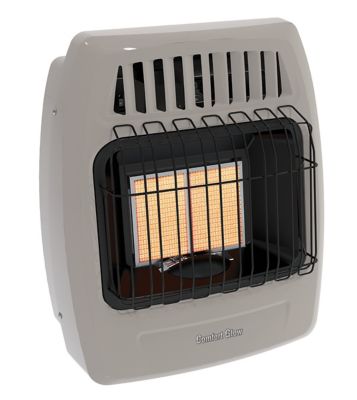
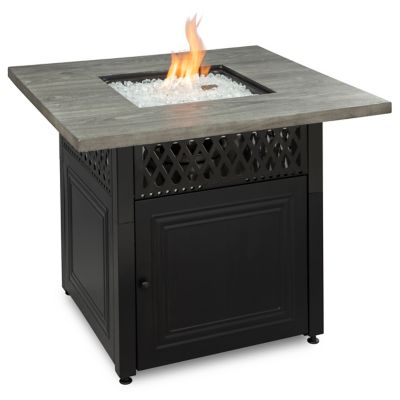
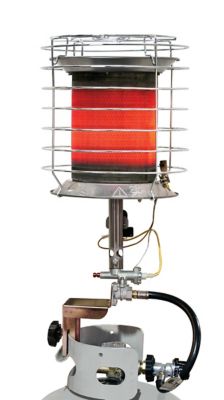
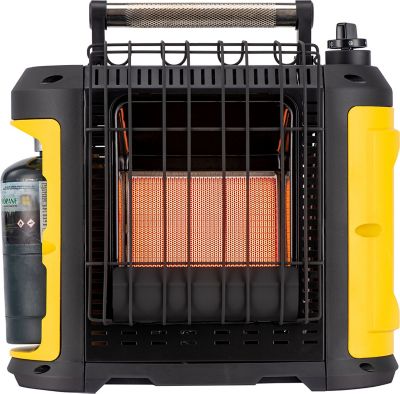
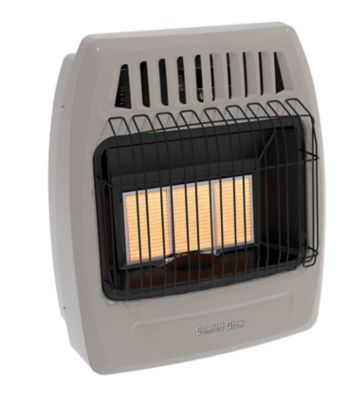
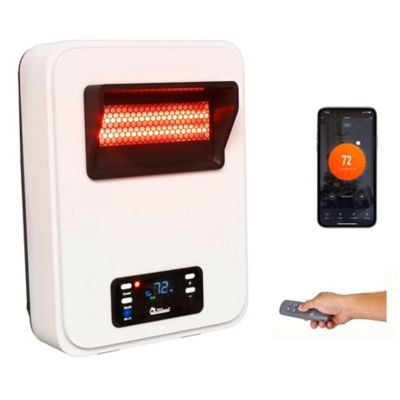
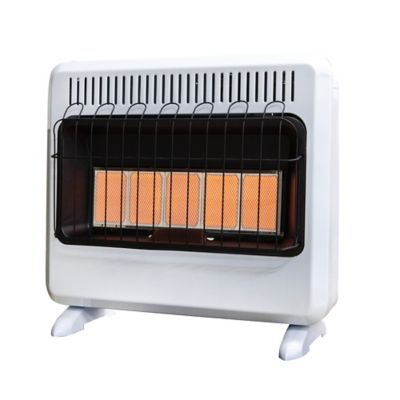
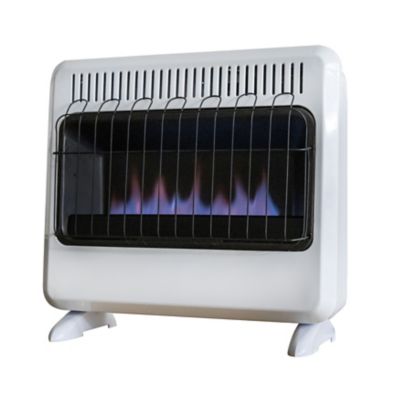
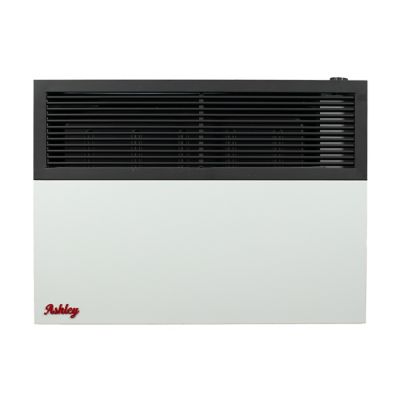
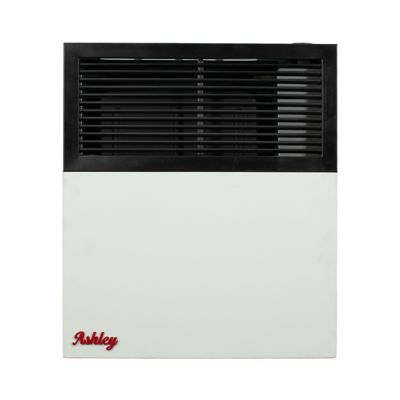
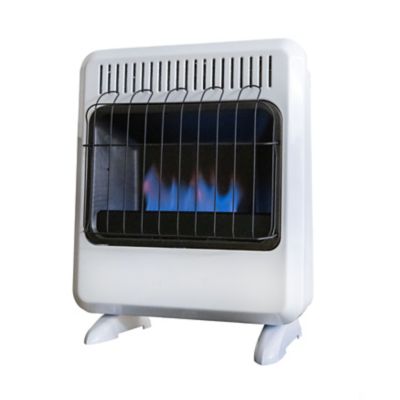
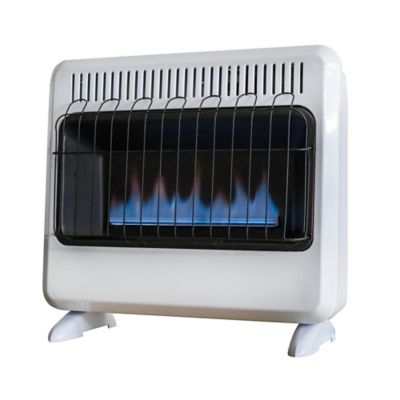
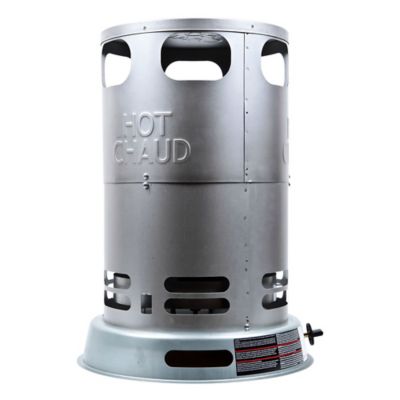
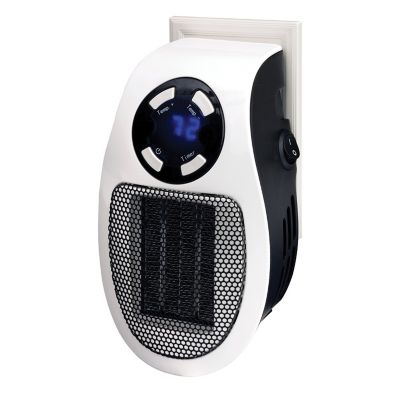
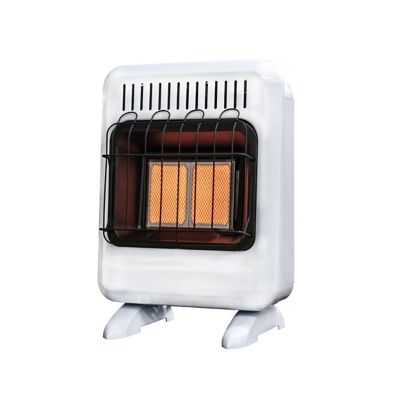
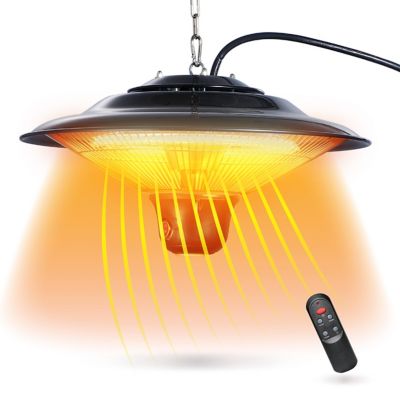
LP heaters use liquid propane to deliver dependable warmth wherever an electric outlet may be out of reach. Around a farm, ranch, workshop or job site, that flexibility can make a chilly morning easier to handle, whether you are repairing equipment, tending animals, finishing a project or taking the edge off an open outdoor area. Propane heaters are also useful for tailgating, camping, ice fishing, hunting blinds and other cold-weather activities, provided the heater is rated for the space and used according to the manufacturer’s instructions. Portable options vary widely in size and output. Smaller units are made for personal warmth in approved enclosed spaces or compact outdoor areas, while higher-output heaters can warm a garage, barn work area, construction site or other broad, drafty space. Tank-top styles attach directly to a standard propane cylinder and are handy when you need straightforward heat in an open-air setting. Cabinet or convection styles enclose the cylinder in a rolling body, giving you a sturdy option for temporary warmth in a garage or workspace. Radiant heaters direct heat toward people and nearby objects, while convection heaters warm the surrounding air. Understanding that difference helps you choose a heater that fits the way you work. A radiant heater may feel comfortable beside a workbench, while a convection unit may be a better fit when you want more even warmth throughout a temporary work area. If you are comparing options for short-term heating, you can also browse
Temporary Heaters for additional ways to stay comfortable during the cooler months.
BTU output is one of the most useful details to check before buying an LP heater. A higher BTU rating generally means more heat, but the biggest heater is not always the best heater for the job. An oversized unit can waste fuel in a small area, while a heater that is too small may run constantly without making the space comfortable. Think about the square footage, ceiling height, insulation, wind exposure and how open the area is. A drafty pole barn or partially open garage loses heat much faster than an enclosed, insulated room. Fuel use also changes with the heat setting. As a general reference, a standard 20 lb. propane cylinder may provide roughly 7 to 72 hours of operation, depending on the heater’s BTU output and whether it is running high, low or somewhere in between. Smaller one-pound cylinders can be convenient for lightweight portable heaters, while larger cylinders are better suited to longer work sessions. Check the heater’s fuel requirements and connection type before purchasing, and make sure the regulator, hose and tank are compatible. A built-in handle, wheels, sturdy base and simple controls are valuable details when a heater will move from the shed to the shop or from the truck to the job site. If you are giving one as a gift, an LP heater can be a practical choice for a camper, hunter, ice angler, homesteader, mechanic or anyone who spends long hours outside. Pairing it with a full, compatible propane cylinder, a weather-resistant cover or a dependable carbon monoxide detector can make the gift even more useful, but always follow local rules for propane storage and transport.
Safety should guide every LP heater purchase and every use. Start by checking whether the heater is approved for indoor use, outdoor use or both; an outdoor-rated heater should never be operated inside a closed room, home, RV, shed or other enclosed space because propane combustion can create dangerous carbon monoxide buildup. Indoor-approved portable heaters are designed with specific safeguards, often including an oxygen depletion sensor and an automatic tip-over shutoff, but those features do not replace proper ventilation or attentive use. Keep the heater on a stable, level, noncombustible surface away from hay, bedding, sawdust, cardboard, curtains, clothing and other flammable materials. Leave the clearance recommended by the manufacturer, and never drape anything over the heater or use it to dry clothes, gloves or towels. Keep children, pets and livestock away from hot surfaces, open flames and fuel connections. Before lighting, inspect the hose, regulator, cylinder and fittings for damage, and use an approved leak-checking method if you suspect a connection problem; never use a flame to search for a leak. Store propane cylinders upright in a well-ventilated outdoor location, away from ignition sources and excessive heat, and turn the heater off before refueling, moving or storing it. A working carbon monoxide detector is an important extra layer of protection in any approved enclosed setting. With the right heater size, a suitable fuel supply and careful attention to ventilation and clearances, LP heat can bring welcome comfort to a frosty morning in the shop, a cold evening at camp or a long stretch of work outside.